


2025 is shaping up to be the year when mastering lead list generation separates the winners from the rest in a crowded digital marketplace. Businesses and marketers face unprecedented competition, making it essential to leverage every advantage available.
This guide is your roadmap to harnessing the power of a lead list generator for sustainable growth. We will demystify the process, break down best practices, and equip you with actionable strategies to thrive in this evolving landscape.
Get ready to discover how top-performing companies are using lead list generators to outpace competitors, boost ROI, and future-proof their sales and marketing efforts. Your journey to scalable success starts here.
Understanding Lead List Generators in 2025
In 2025, the art of generating high-quality leads has reached new heights, with advanced tools transforming how businesses grow. A modern lead list generator is no longer just a database scraper—it is a sophisticated solution, blending automation, AI, and real-time data to help companies target the right prospects efficiently. Let's break down what these tools are, why they are crucial, what features set them apart, and the common pitfalls to avoid.
What is a Lead List Generator?
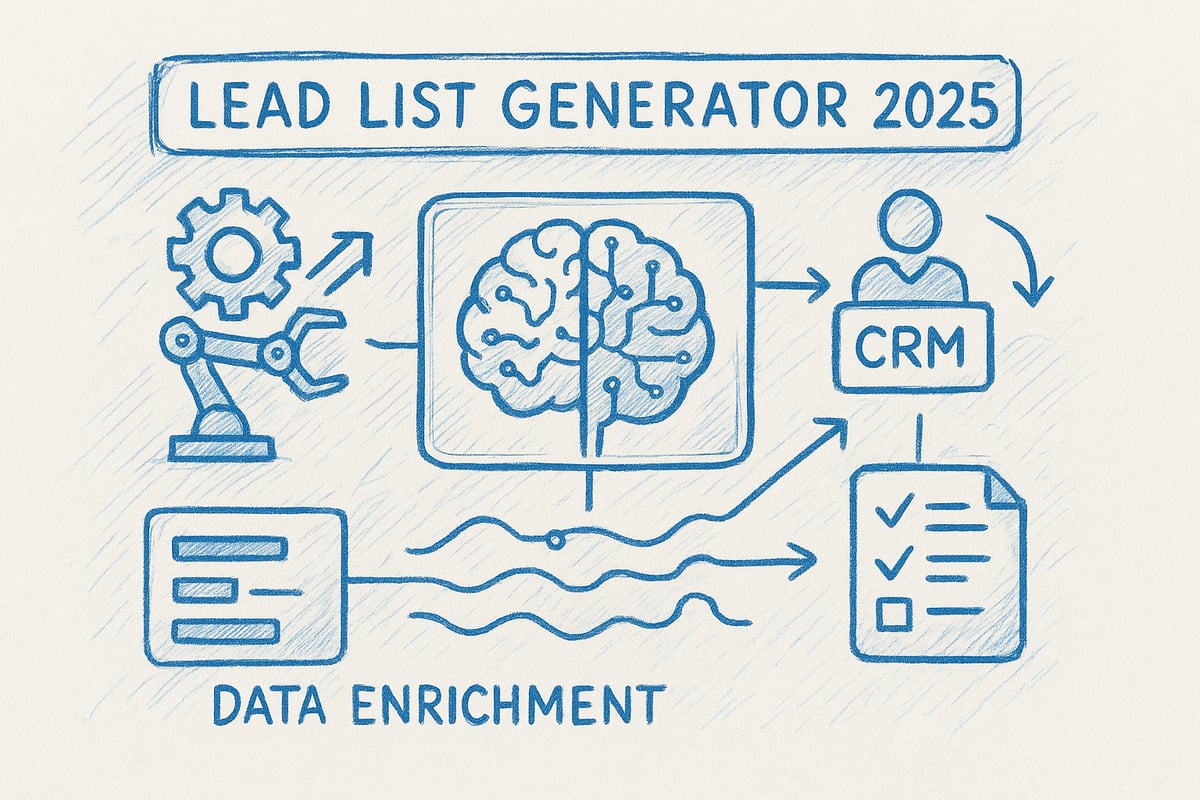
A lead list generator is a tool or platform that automates the process of finding, collecting, and organizing potential customer contacts based on specific criteria. Over the years, these tools have evolved from manual spreadsheets to powerful AI-powered engines. Today, you can choose from manual generators, automated systems, or cutting-edge AI solutions that predict which prospects are most likely to convert. Unlike traditional prospecting tools, a lead list generator brings together data enrichment, segmentation, and real-time validation in one streamlined workflow. Popular tools in 2025 include platforms like Apollo, ZoomInfo, and a new wave of AI tools that automate lead generation in 2025, making prospecting smarter and faster.
Why Lead List Generation is Critical for Modern Businesses
The lead list generator is now at the heart of every successful sales and marketing operation. Accurate lists drive higher conversion rates and maximize ROI, making them indispensable in a data-driven world. According to the 2024 HubSpot Report, 78 percent of businesses attribute revenue growth to improved lead targeting. For example, a SaaS company used a targeted lead list generator to refine its outreach and increased its sales pipeline by 40 percent within six months. These results show that investing in the right tools can directly fuel sustainable business growth.
Key Features and Capabilities in 2025
Modern lead list generator platforms offer advanced features that empower businesses to stay ahead. At the core, AI and machine learning enable predictive targeting, identifying prospects most likely to engage. Real-time data enrichment and validation ensure every contact is up-to-date and actionable. Seamless integrations with CRMs and marketing platforms allow for effortless data flow, while industry-specific customization tailors lists to unique business needs. These capabilities make a lead list generator an essential asset in 2025, giving you a competitive edge in crowded markets.
Common Challenges and Pitfalls
Despite their power, lead list generator solutions come with challenges. Data quality remains a major concern—outdated or inaccurate information can derail campaigns and damage reputations. Compliance with privacy regulations such as GDPR is critical; over-reliance on automation without proper oversight can result in hefty fines. For instance, one company faced penalties after sourcing lists without proper consent. To avoid these pitfalls, always combine your lead list generator with regular data audits and strong compliance procedures, ensuring your outreach remains ethical and effective.
Building a Winning Lead List Generation Strategy
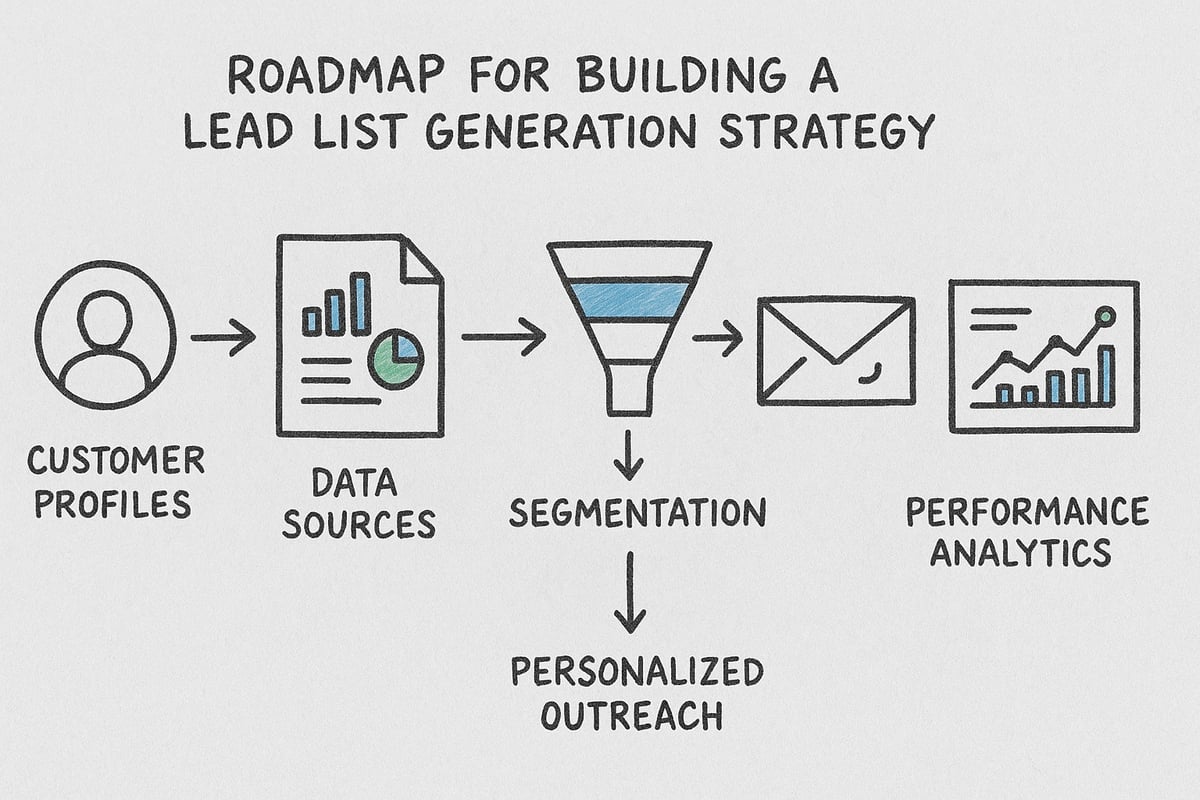
Creating an effective lead list generator strategy in 2025 is your foundation for predictable pipeline growth. The digital landscape is moving fast, and getting your approach right means more qualified leads, higher conversions, and a sustainable competitive edge.
A winning strategy starts with the basics—knowing your audience, sourcing reliable data, and leveraging technology for smarter targeting. Let’s break down each step to help you build a system that delivers consistent results.
Defining Your Ideal Customer Profile (ICP)
Start with clarity. The lead list generator works best when you feed it a crystal-clear picture of your target audience. Define your Ideal Customer Profile (ICP) using demographics, firmographics, and technographics.
For B2B, consider factors like company size, industry, location, and tech stack. Tools like LinkedIn Sales Navigator help you drill down into these details. For example, a B2B tech firm refined its ICP to focus on mid-market SaaS companies, instantly improving lead quality.
Build your ICP with input from both sales and marketing. When your team is aligned, your lead list generator will consistently surface the right prospects.
Sourcing High-Quality Data
Your strategy’s success depends on the quality of your data. A lead list generator is only as good as the information you feed it. Tap into proprietary databases, public directories, and intent data providers for a steady stream of leads.
Before choosing a data vendor, evaluate their accuracy, compliance, and update frequency. Did you know 65 percent of marketers say data quality is their top challenge? Compare results from several major providers to find the best fit for your needs.
Reliable data fuels your lead list generator, ensuring every campaign starts strong and stays compliant.
Segmenting and Scoring Leads
Not all leads are created equal. Use your lead list generator to segment leads by industry, company size, or buying intent. Scoring models—explicit (demographics) and implicit (engagement)—help you prioritize outreach.
Automation tools like HubSpot, Salesforce, and even new AI-driven platforms such as the recently launched Salesforce Agentforce 360 AI platform take segmentation and scoring to the next level. These platforms streamline lead management and boost ROI by helping you focus on the most promising opportunities.
With smart segmentation, your lead list generator becomes a precision instrument for growth.
Personalization and Targeted Outreach
Personalization is the secret sauce. Use your lead list generator to tailor messages for each segment. AI-powered tools can help craft dynamic content that resonates with specific audiences.
For example, an email campaign using segmented lists saw open rates soar by 30 percent. Multichannel outreach—combining email, LinkedIn, and even SMS—ensures you meet prospects where they’re most active.
Treat every lead as an individual. The more relevant your outreach, the more your lead list generator will deliver in terms of engagement and conversions.
Measuring and Optimizing List Performance
What gets measured gets improved. Track open rates, response rates, and conversion rates to gauge your lead list generator’s effectiveness. Use dashboard tools for real-time insights.
A/B testing helps you identify what’s working and what needs tweaking. For instance, a monthly optimization cycle led one company to a 25 percent increase in qualified appointments.
Continuous improvement is key. Regularly review your metrics, iterate on your strategy, and ensure your lead list generator remains your most reliable growth engine.
Step-by-Step Guide: How to Generate and Manage Lead Lists in 2025
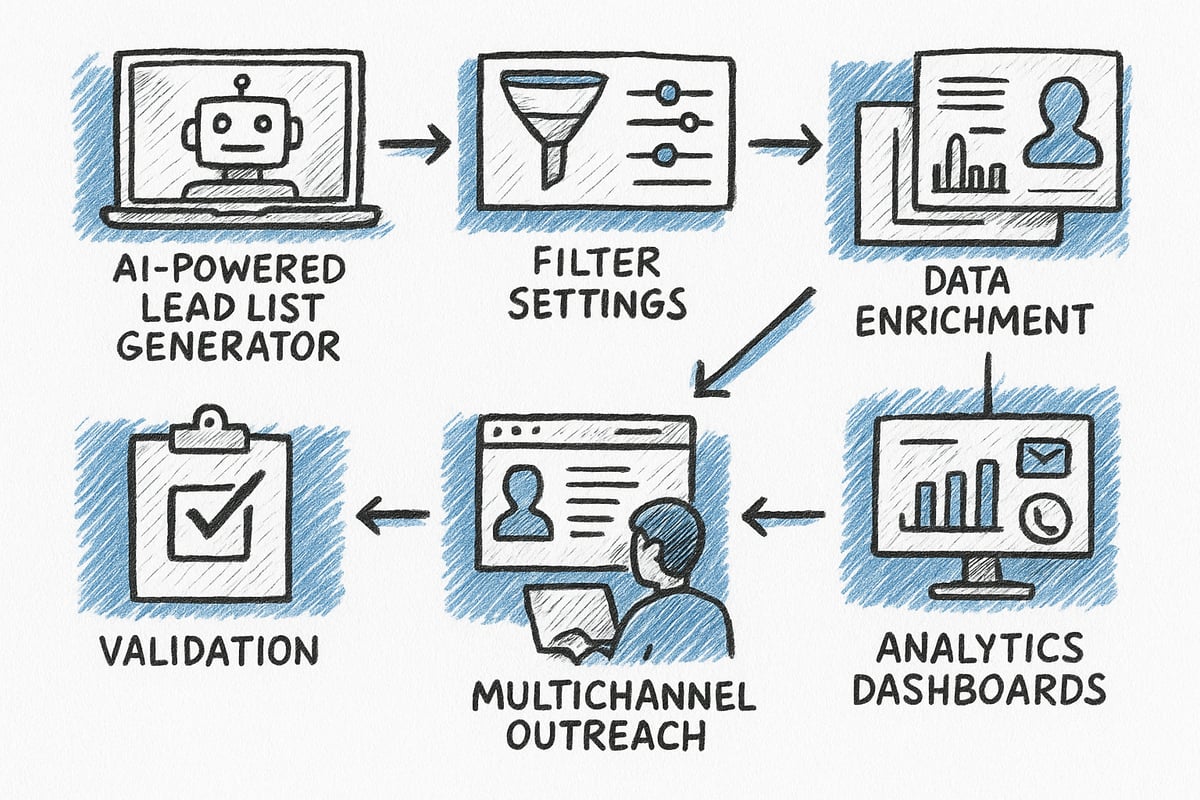
Unlocking the full value of a lead list generator in 2025 means following a precise, repeatable process. Below, you’ll find a practical roadmap, broken into actionable steps, for building, refining, and leveraging lead lists that actually drive business growth.
Step 1: Selecting the Right Lead List Generator Tool
Choosing a lead list generator is your foundation for success. Focus on tools that offer robust scalability, seamless integrations, wide data coverage, and a user-friendly interface. Consider running trial periods to see how each platform fits your workflow.
| Tool | Integrations | Data Coverage | Ease of Use | Trial Available |
|---|---|---|---|---|
| ZoomInfo | Yes | Global | High | Yes |
| Apollo | Yes | Broad | Medium | Yes |
| Lusha | Yes | Focused | High | Yes |
User reviews and ratings can provide real-world insights into the effectiveness of each lead list generator.
Step 2: Setting Up Your Data Parameters
Defining the right parameters ensures your lead list generator delivers laser-targeted results. Use filters like geography, industry, job titles, and company revenue to narrow your focus.
Advanced filters can help you zero in on ideal buyers. For example, if your goal is to target SaaS CFOs in North America, set specific criteria for location and job function. This approach minimizes wasted outreach and maximizes relevance.
Step 3: Data Extraction and Enrichment
After configuring your lead list generator, export your leads in formats like CSV or via API for smooth integration. The next step is enrichment—adding social profiles, updated contact details, or firmographics.
Automation tools streamline this process, ensuring your lists remain fresh and actionable. Regular enrichment helps avoid stale or incomplete data, which can undermine your outreach efforts.
Step 4: Validating and Cleaning Your Lead Lists
Maintaining high data quality is critical. Use your lead list generator’s validation features to verify emails, phone numbers, and other key fields. Automated cleaning tools can quickly remove outdated or duplicate entries.
A clean list reduces bounce rates and spam complaints. Best practice: schedule periodic audits to keep your data as accurate as possible.
Step 5: Importing Leads into Your CRM/Marketing Platform
Importing leads efficiently is essential for seamless operations. Map fields carefully to prevent duplicates and ensure all lead data aligns with your CRM structure.
Lead Name | Email Address | Company | Title | Phone Number
Most lead list generator tools integrate directly with platforms like Salesforce, HubSpot, or Pipedrive, enabling a smooth, error-free workflow from list to campaign.
Step 6: Launching Outreach Campaigns
Once your leads are in place, choose the right channels for outreach—email, LinkedIn, phone, or SMS. Design multi-step, automated sequences to increase engagement and reply rates.
For example, a multi-touch campaign using a lead list generator can boost reply rates by 20 percent. Monitor campaign engagement closely to refine your approach and hit your targets.
Step 7: Tracking, Analyzing, and Iterating
Tracking performance is where your lead list generator truly proves its worth. Set up campaign tracking to monitor open rates, responses, and conversions.
Use dashboards or advanced data visualization tools like VizGen: Data Exploration and Visualization via AI to uncover patterns and optimize your strategy. Iterative improvements based on real-time insights ensure your lead generation engine stays ahead of the curve.
Tools and Technologies Shaping Lead List Generation
In 2025, the right tools can make or break your lead list generator strategy. As technology rapidly evolves, staying ahead means leveraging the latest innovations to streamline, enrich, and safeguard your lead generation pipeline.
AI and Machine Learning Innovations
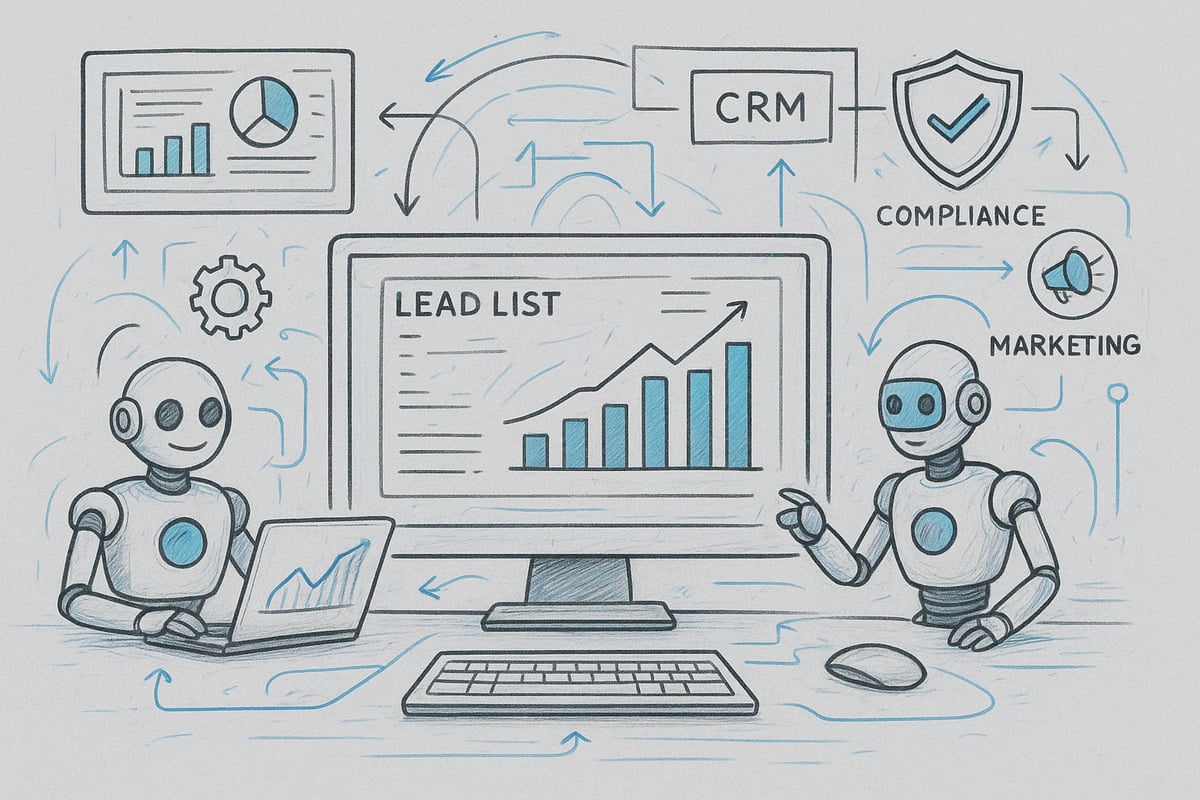
Artificial intelligence is redefining what a lead list generator can do. In 2025, AI-driven prospecting tools scan massive data pools to identify high-probability buyers faster than ever. Machine learning models predict which prospects are most likely to convert, helping teams focus their efforts where it counts.
Consider how AI automates lead enrichment, filling in gaps with accurate firmographics and social profiles. These systems also score leads based on complex signals, ensuring only the best contacts reach your pipeline. With 63% of businesses increasing AI investment, the future of the lead list generator is smarter, faster, and more predictive.
Integrations and Automation Platforms
A modern lead list generator thrives on seamless integration. Connecting your generator to CRM systems like Salesforce or HubSpot eliminates manual data entry and keeps information current. Automation platforms, such as Zapier or Make, orchestrate workflows—automatically nurturing leads through email, SMS, or LinkedIn.
Here’s a quick comparison table:
| Tool | Integration Type | Use Case |
|---|---|---|
| Zapier | Multi-app | Workflow automation |
| HubSpot | Native CRM | Lead syncing |
| Make | Visual builder | Custom integrations |
By choosing a lead list generator that supports your tech stack, you boost efficiency and maintain data consistency across the board.
Data Privacy and Compliance Solutions
With stricter regulations, every lead list generator must prioritize compliance. Tools now come equipped with automated consent management, GDPR and CCPA features, and real-time opt-in tracking. These safeguards reduce legal risk and protect your brand’s reputation.
Innovative solutions, including Adobe’s suite of new AI tools for customer experience, are making compliance more accessible. They streamline consent processes and ensure your marketing stays on the right side of the law. In 2025, a compliant lead list generator is not optional—it’s essential.
Emerging Trends: Real-Time Data and Intent Signals
The next wave for the lead list generator is real-time data and intent signals. Imagine capturing leads as they visit your website or engage with your brand at live events. Platforms now pull in buyer intent data, allowing for proactive, timely outreach that doubles close rates.
Companies using these trends integrate online and offline signals, building a holistic lead profile. The result? Your lead list generator doesn’t just react, it anticipates. Embracing these tools means faster pipeline velocity and more meaningful connections with prospects.
Compliance, Ethics, and Best Practices in Lead List Generation
Navigating the world of lead list generation requires more than just technical know-how. Businesses must prioritize compliance, ethics, and best practices to build trust and ensure long-term success. Let’s explore the essential pillars for responsible and effective lead list generator use in 2025.
Navigating Global Data Privacy Laws
Global data privacy regulations are stricter than ever in 2025. Laws like GDPR in Europe, CCPA in California, and emerging regional standards demand that every lead list generator process and store personal data transparently and securely. Non-compliance can result in hefty fines, damaged reputation, and lost business opportunities.
To stay compliant, businesses must:
- Obtain explicit consent for data collection.
- Maintain clear records of consent.
- Provide opt-out options.
A leading SaaS provider recently overhauled its lead list generator practices, implementing automated consent management and regular audits. This proactive approach not only ensured compliance but also reassured clients of their commitment to privacy.
Ethical Lead Sourcing and Usage
Ethical sourcing is critical for any lead list generator strategy. Avoid using unauthorized scraping tools or black-hat tactics, as these can destroy trust and harm your brand’s reputation. Instead, focus on transparency and respecting prospect preferences at every touchpoint.
Industry guidelines recommend:
- Sourcing leads from reputable, permission-based databases.
- Clearly stating your intent when reaching out.
- Avoiding deceptive outreach practices.
Building trust through ethical lead list generator usage leads to higher deliverability rates and stronger relationships. When your audience knows you respect their data, they are more likely to engage and convert.
Ensuring Data Accuracy and Consent
Data accuracy is the backbone of any successful lead list generator campaign. Outdated or incorrect information wastes resources and harms your outreach efforts. Use tools that verify data in real-time, such as email validation and phone number checks.
Consent should never be an afterthought. Implement automated consent tracking to ensure every contact on your lead list generator has opted in. For example, a B2B firm improved engagement rates by 20% after switching to a robust consent management platform.
Prioritizing accuracy and permission not only boosts campaign results but also keeps your operations within legal boundaries.
Best Practices for Sustainable Lead Generation
Sustainable lead list generator practices drive consistent growth and protect your business from risk. Regular data hygiene, such as quarterly list refreshes and removals of inactive contacts, keeps your database healthy. Continuous training for sales and marketing teams ensures everyone understands compliance and ethical standards.
Here’s a quick checklist for sustainable lead list generator management:
| Practice | Frequency | Responsible Team |
|---|---|---|
| Data hygiene | Quarterly | Marketing/Sales |
| Consent audits | Bi-Annually | Compliance Officer |
| Staff training | Annually | HR/Leadership |
Quarterly audits have proven to boost pipeline growth while minimizing compliance risks. Adopting these best practices positions your business for long-term, ethical success in lead generation.
The Future of Lead List Generation: Trends to Watch in 2025 and Beyond
The digital landscape is evolving at lightning speed. As we look ahead, mastering the right lead list generator strategies will be crucial for staying ahead of the competition. Let’s explore the future trends shaping how businesses will generate and manage leads in 2025 and beyond.
Predictive Analytics and Hyper-Personalization
Predictive analytics is set to transform the way companies use a lead list generator. By leveraging AI-powered models, marketers can forecast which prospects are most likely to convert, saving time and resources.
Hyper-personalization will also become standard. Outreach tailored to individual preferences, behaviors, and needs is proven to boost conversion rates—some businesses have already seen a 35% increase. As predictive tools evolve, expect your lead list generator to deliver more accurate, targeted leads than ever before.
Voice Search and Conversational AI
The rise of voice search is changing how prospects discover solutions. Integrating conversational AI with your lead list generator allows for real-time lead qualification and instant engagement.
Chatbots and voice assistants are becoming essential in B2B prospecting. In fact, by 2025, 55% of businesses are expected to adopt conversational AI. This shift means your lead list generator must adapt, capturing leads from voice interactions and automating initial conversations to boost efficiency.
Integration of Offline and Online Data Sources
A major trend for 2025 is the seamless integration of offline and online data to enhance your lead list generator strategy. By combining digital footprints with offline interactions—like event attendance or trade show visits—you create richer, more holistic lead profiles.
This hybrid approach increases lead quality and fuels more effective campaigns. Businesses that blend these data sources report higher engagement and improved ROI, proving that a modern lead list generator must unify data from all channels.
Sustainability and Responsible Data Practices
Sustainability is no longer optional. Responsible data practices are becoming a top priority for any company using a lead list generator. Ethical sourcing, transparent consent, and eco-friendly initiatives help build trust with prospects and meet regulatory demands.
Forward-thinking organizations are launching eco-conscious lead generation campaigns and regularly auditing their data processes. As consumer expectations and regulations evolve, only those who prioritize sustainability in their lead list generator strategy will thrive in the years ahead.
If you’re excited to put these lead list generator strategies to work and want to make 2025 your breakthrough year, you don’t have to do it alone. At Adstra, we’re already helping businesses just like yours turn cold leads into ready buyers with the latest AI-driven tools and proven outreach tactics you just read about. If you’re ready to see how a tailored, transparent growth roadmap can fit your goals—or just want an expert eye on your current process—let’s connect. You can Book a FREE Strategy Call and get personal insights to jumpstart your success.