


In 2026, the convergence of advertising platforms and CRM systems is revolutionizing how businesses capture, nurture, and convert leads. The days of juggling disconnected tools are fading, replaced by seamless ads CRM integrations that supercharge marketing results.
This essential guide dives into the world of ads CRM, revealing how integration can maximize ROI, streamline your team’s workflow, and deliver a frictionless customer journey. Ready to future-proof your strategy? Discover the fundamentals, latest trends, actionable steps, and top platforms you need to turn every lead into lasting growth.
Understanding Ads CRM Integration: Foundations and Benefits
Integrating ads CRM systems is transforming the way businesses connect advertising campaigns with customer relationship management. In 2026, this synergy redefines lead management, offering smarter, faster, and more profitable results than ever before. Let’s break down what this means, explore the benefits, the platforms involved, and see how this integration directly boosts ROI.
What is Ads CRM Integration?
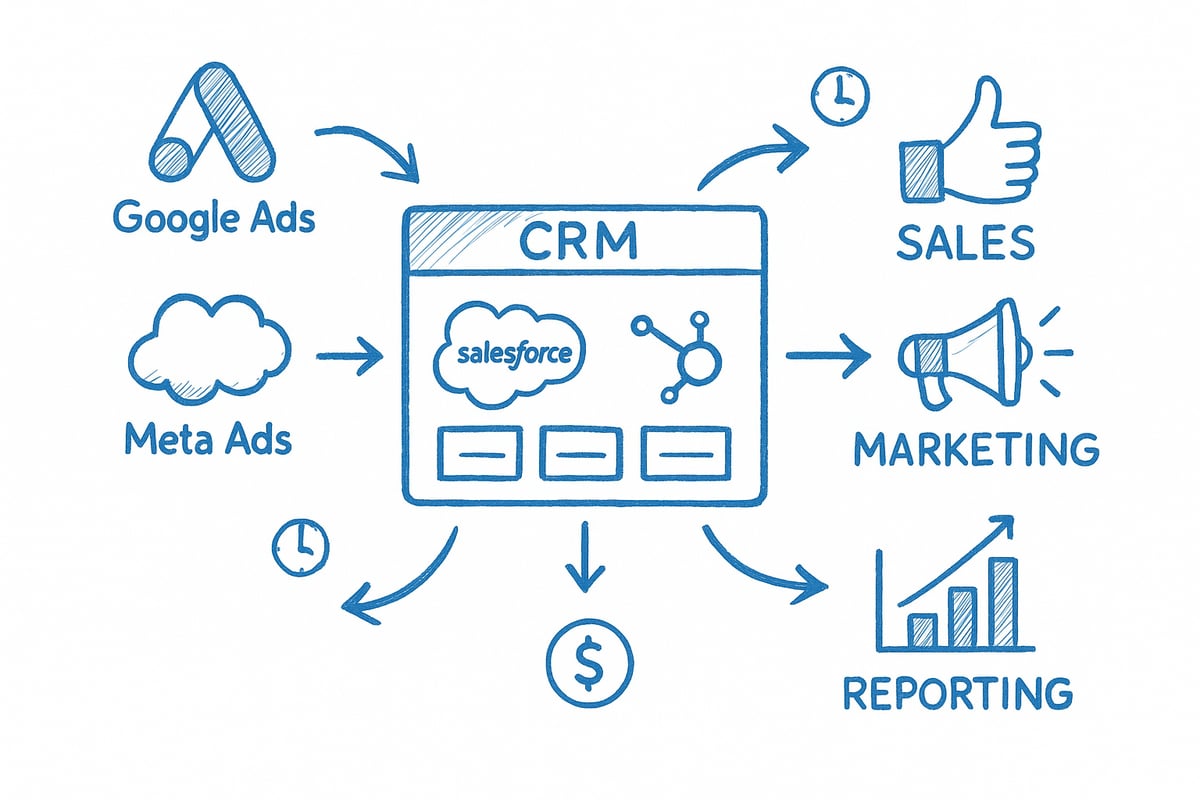
Ads CRM integration is the process of connecting advertising platforms directly with CRM systems to automate the flow of lead data. Unlike traditional lead management, where teams manually export leads from ad platforms and import them into CRM tools, integrated systems ensure leads appear instantly in the CRM. For example, Google Ads can now send lead form submissions straight to Salesforce, while Meta Lead Ads sync with HubSpot CRM in real time.
Consider this scenario: Without ads CRM integration, a marketing manager spends hours each week downloading CSV files and emailing leads to sales. With integration, leads are automatically routed, scored, and assigned within seconds. No more lost leads or missed follow-ups.
In fact, 79% of top-performing companies use marketing automation with CRM, highlighting the competitive edge CRM adoption statistics 2025 can provide.
Key Benefits for Businesses in 2026
The rise of ads CRM integration brings several powerful benefits to businesses ready to adapt. First, it streamlines lead capture and qualification, eliminating manual entry and ensuring every lead is tracked. Real-time data flow means sales teams can follow up immediately, increasing the odds of conversion.
By leveraging CRM data, marketers can target ads more precisely, reaching high-value prospects. Enhanced attribution and closed-loop reporting let you see which campaigns drive revenue, not just clicks. This clarity boosts sales productivity and efficiency, empowering teams to do more with less effort.
With ads CRM, businesses also gain a clear view of the entire customer journey, unlocking smarter decisions and better results.
Types of Ads and CRM Systems Commonly Integrated
A wide range of ad platforms and CRM systems now offer seamless integration options. Here’s a quick overview:
| Ad Platforms | CRM Systems | Integration Methods |
|---|---|---|
| Google Ads | Salesforce | Native connectors, APIs, middleware |
| Meta (Facebook/IG) | HubSpot | Zapier, Make, direct integration |
| Zoho | API-based, middleware | |
| TikTok | Pipedrive | Native, ADF/XML (auto industry) |
| Display Networks | ActiveCampaign | Industry-specific connectors |
For example, automotive companies often use ADF/XML feeds to connect lead ads to dealership CRMs. In healthcare and finance, integration ensures compliance and secure data handling. No matter the industry, ads CRM integration adapts to your specific workflow.
The ROI Impact: Data and Examples
The impact of ads CRM integration on ROI is clear and measurable. Businesses that connect their ad platforms to their CRM see up to 30% higher lead conversion rates compared to those with manual processes. Faster lead response times can reduce lost opportunities by 21%, directly increasing revenue.
For instance, integrating Meta Lead Ads with a CRM allows sales teams to respond to new inquiries within minutes, often doubling their closure rates. This speed not only boosts sales but also enhances customer satisfaction.
By ensuring every ad dollar is tracked from click to sale, ads CRM integration supports long-term customer value and smarter marketing investments.
The 2026 Landscape: Trends, Innovations, and Compliance
The landscape for ads crm integration in 2026 is rapidly evolving, shaped by cutting-edge technology, shifting consumer journeys, and stricter global regulations. Businesses that stay ahead of these trends will unlock new levels of efficiency, personalization, and ROI.
AI and Automation in Ads CRM Integration
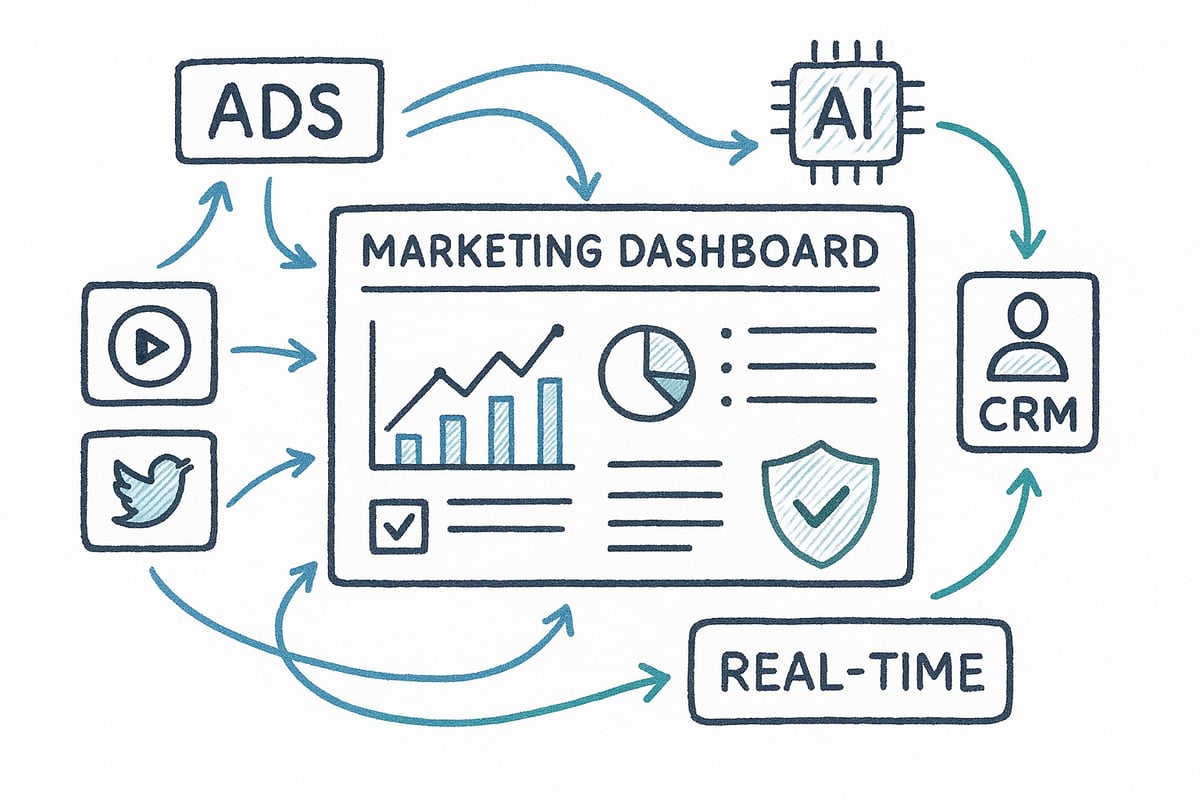
AI is the engine driving the next wave of ads crm transformation. In 2026, AI-powered systems handle lead scoring, enrichment, and automated routing, ensuring no opportunity slips through the cracks. Predictive analytics determine the best ad spend allocation, optimizing campaigns for maximum impact. AI even facilitates automated appointment booking and nurturing, reducing manual workloads for sales teams.
For example, some platforms now pre-qualify ad leads with AI before they ever reach the CRM, saving valuable time. As explored in AI in advertising and CRM, these advances deliver smarter, faster results. The ads crm ecosystem is becoming more intelligent and efficient, giving organizations a true competitive edge.
Omnichannel Lead Capture and Journey Mapping
Omnichannel integration is essential for a holistic ads crm strategy. Multiple ad sources—social, search, and display—now flow seamlessly into a unified CRM pipeline. This enables real-time tracking of user journeys from the first ad click to final sale.
Journey orchestration tools, like those in Zoho CRM, map each touchpoint, revealing which channels and messages drive conversions. Businesses can visualize the entire customer lifecycle, refine campaigns, and quickly adjust strategies. With ads crm, teams gain clarity on how prospects move through the funnel, leading to smarter investments and higher returns.
Privacy, Consent, and Data Regulations
Data privacy is at the forefront of ads crm integration in 2026. Global regulations, including GDPR, CCPA, and new regional laws, demand strict consent management and secure handling of personal information. Consent must be captured at every lead form and remain synced with CRM records.
Best practices include encrypted data transfers, robust audit trails, and regular compliance reviews. By prioritizing security, businesses not only avoid costly penalties but also build trust with their audience. In the world of ads crm, protecting customer data is as critical as generating leads.
Real-Time Sync and Instant Notifications
Speed is everything in lead management. Real-time lead sync ensures sales teams receive fresh opportunities the moment they arrive. Instant push notifications, workflow triggers, and automated alerts drive rapid response, minimizing lead loss.
Tools like Meta Business Suite offer instant lead retrieval, connecting ad platforms directly with CRM systems. With ads crm, businesses empower their teams to act quickly, improving follow-up rates and boosting conversion potential.
Advanced Attribution and Reporting
Advanced attribution models are redefining how marketers measure ads crm performance. Multi-touch attribution tracks each customer interaction, connecting ad spend to real revenue outcomes across the funnel.
Integrated dashboards display KPIs such as conversion rates, lead response times, and ROI. In 2026, businesses rely on these insights to refine campaigns, allocate budgets, and prove the value of every marketing dollar. Effective ads crm integration means actionable, data-driven decisions at every stage.
Step-by-Step Guide: How to Implement Ads CRM Integration in 2026
Ready to transform your marketing and sales outcomes with seamless automation? This step-by-step guide will walk you through implementing ads crm integration for optimal lead management and revenue impact. Follow these actionable steps to future-proof your lead generation engine and maximize ROI.
Step 1: Audit Your Current Ad and CRM Stack
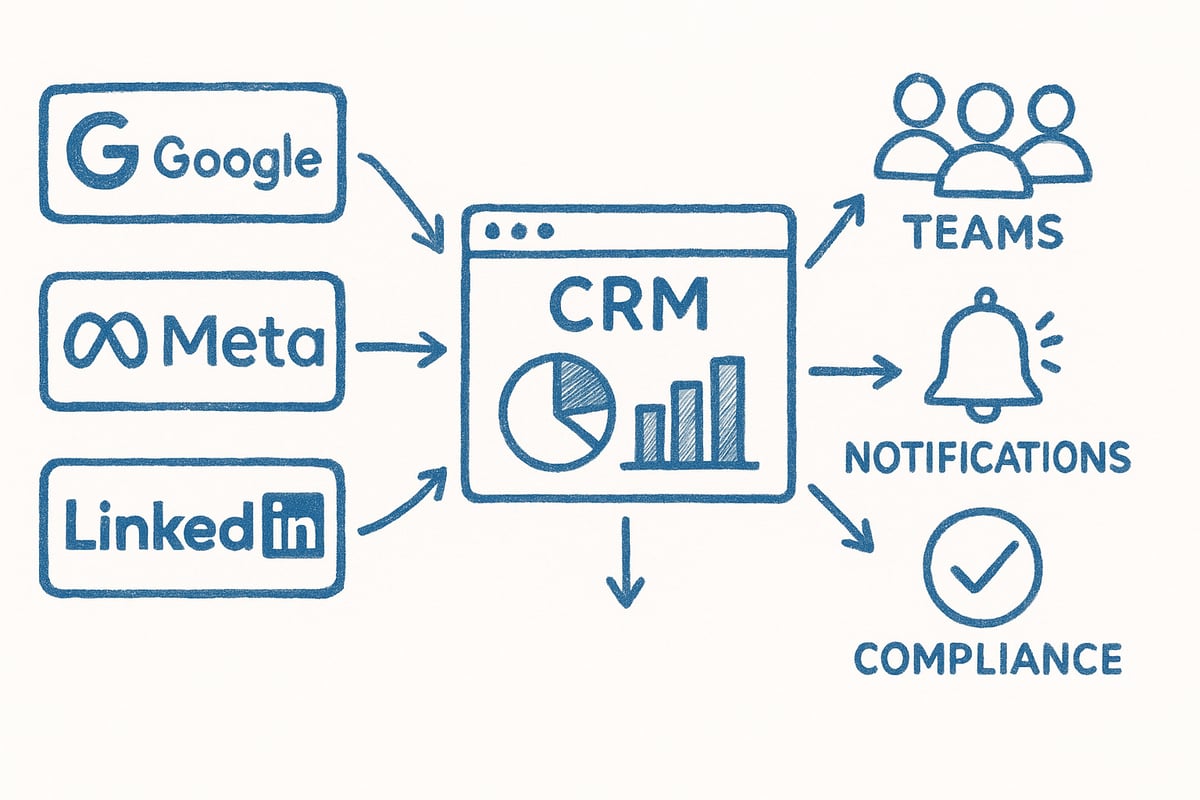
Begin by mapping out your current advertising platforms and CRM systems. List all tools your business uses for lead generation, tracking, and sales. Are you collecting leads from Google Ads, Meta, or LinkedIn, and where do they land?
Check for any data silos or disconnected processes. Review how leads move from ad click to CRM entry. Identify gaps or manual steps that slow response times. Bring together key stakeholders, including marketing, sales, and IT, to clarify integration goals.
Document your existing lead flow and pinpoint pain points. This clear audit sets the foundation for a successful ads crm integration, ensuring you address real bottlenecks and align teams from the start.
Step 2: Choose the Right Integration Method
Evaluate integration options based on your platforms and business needs. Native connectors offer simplicity, while middleware tools like Zapier or Make provide flexibility. For advanced requirements, consider API-based custom integrations.
Assess platform compatibility, scalability, and available support. For SaaS businesses, reviewing the best advertising platforms for SaaS can help match ad sources with your CRM capabilities.
Compare native integrations (like Meta’s CRM connectors) to third-party automation workflows. The right method ensures your ads crm sync is reliable, future-proof, and tailored to your growth goals.
Step 3: Map Lead Data and Define Workflows
Align your ad form fields with CRM properties to prevent data mismatches. Map each data point, such as name, email, and custom qualifiers, to the correct CRM field.
Establish clear lead qualification criteria. Decide which leads should trigger alerts or enter nurture sequences. Automate workflows for lead assignment, notifications, and follow-ups.
For example, you might map Google Ads lead form fields directly to Zoho CRM. Use a table for clarity:
| Ad Form Field | CRM Field |
|---|---|
| First Name | Contact First Name |
| Email Address | |
| Phone | Mobile Number |
Thoughtful mapping and workflow design ensure your ads crm integration delivers high-quality, actionable leads to your sales team.
Step 4: Set Up and Test the Integration
Now, connect your chosen ad platforms and CRM system. Each provider has specific setup steps, such as authenticating accounts and granting permissions.
Create test leads using your ad forms to verify that data flows correctly into the CRM. Check for missing fields, formatting errors, or delays in lead entry. Troubleshoot common issues, like authentication errors or field mismatches, before going live.
Testing is vital to ensure your ads crm integration works flawlessly. Document any issues and solutions, and repeat tests until you achieve consistent, real-time lead sync.
Step 5: Train Teams and Establish Best Practices
With your ads crm integration live, align your sales and marketing teams around new workflows. Provide training on how and when to follow up with leads. Emphasize the importance of quick responses and consistent processes.
Create documentation and share support resources, such as guides from Meta’s Business Help Center. Encourage feedback from your team to identify areas for improvement.
By investing in training, you boost adoption and maximize the value of your ads crm system. Well-prepared teams will convert more leads and reduce friction across your pipeline.
Step 6: Monitor, Optimize, and Scale
Set up dashboards and real-time reporting to track key metrics, such as lead response times and conversion rates. Use A/B testing on ad forms and workflows to identify what drives the best results.
Iterate based on performance data. For example, adjust qualification criteria or automate additional follow-ups. As your ad spend or lead volume increases, scale your ads crm integration to handle new channels or higher capacity.
Continuous monitoring and optimization ensure your integration keeps delivering value and supports business growth.
Step 7: Ensure Compliance and Security
Implement consent capture and audit trails to comply with regulations like GDPR and CCPA. Regularly review your processes to ensure privacy and security standards are met.
Establish clear data retention and deletion policies. Use secure authentication methods and encrypt data both in transit and at rest.
For example, configure GDPR-compliant lead processing within your integrated systems. Prioritizing compliance and security in your ads crm integration builds trust with customers and protects your business from risk.
Key Challenges and Solutions in Ads CRM Integration
Integrating ads crm platforms with your marketing stack can unlock tremendous business value, but it also brings a unique set of hurdles that must be overcome to succeed. Understanding these challenges and proactively addressing them is key to realizing the full benefits of your ads crm strategy.
Common Integration Hurdles
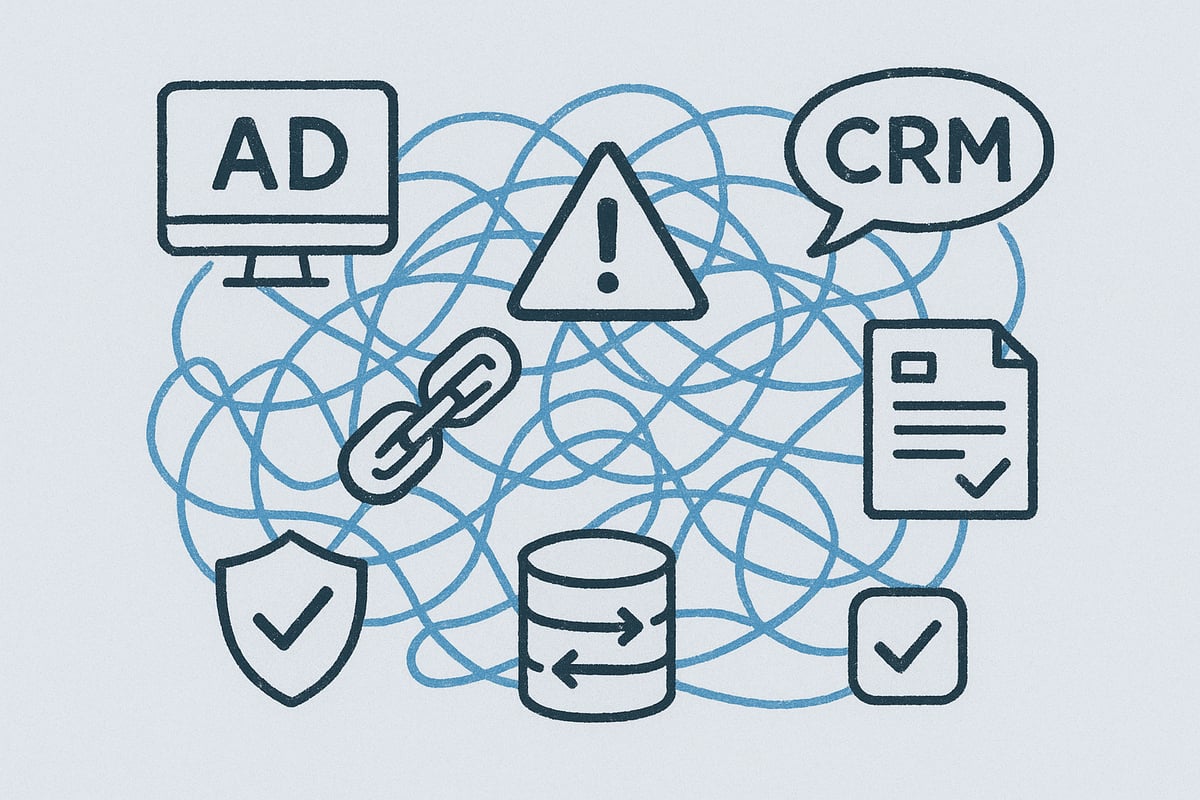
When implementing ads crm integration, organizations often face several recurring obstacles. One of the most common is data mismatches, where fields from ad platforms do not align perfectly with CRM systems. This can cause lost or incomplete lead information.
Sync delays are another pain point, resulting in cold leads and missed opportunities. API limitations or sudden updates on either the ad platform or CRM side can also disrupt data flow. Finally, user adoption is often underestimated. Teams might resist new workflows, impacting the effectiveness of your ads crm investment.
Solutions and Best Practices
Overcoming these challenges starts with the right tools and mindset. Middleware platforms can bridge gaps between ad channels and CRM systems, handling complex data transformations with ease. Routine audits and real-time error monitoring help catch issues before they impact your campaigns.
Collaboration between marketing and IT teams is crucial for smooth integrations. Automated error alerts, like those in Zoho CRM, keep everyone informed and responsive. Want to boost your ad performance by leveraging CRM data? Learn more about effective targeting strategies in this guide on How ad targeting works.
Ensuring Data Accuracy and Quality
Maintaining data quality is essential for ads crm success. Deduplication routines prevent multiple entries for the same lead, while validation checks ensure only complete, accurate data enters your CRM.
Integrating third-party enrichment tools in real time can enhance new leads with valuable context. AI-powered solutions are now helping score and qualify leads on the fly, boosting both efficiency and conversion rates. Ongoing hygiene practices keep your database clean, maximizing the value of every lead captured through ads crm integration.
Maintaining Security and Privacy
Security and privacy are fundamental pillars in any ads crm strategy. Role-based access controls ensure only authorized personnel can view or edit sensitive lead data. Encryption of information, both in transit and at rest, protects against breaches.
Using secure API authentication methods, such as OAuth, further reduces risks. Compliance with global privacy laws like GDPR and CCPA is non-negotiable, so always implement robust consent capture and audit trails. This keeps your business protected and builds trust with your audience.
Staying Future-Proof: Adapting to Platform Changes
The digital marketing landscape evolves rapidly, so your ads crm integration must be adaptable. Stay ahead by monitoring updates from both ad and CRM vendors, as platform changes can affect your workflows.
Adopt modular integration architectures that let you swap or upgrade components without major disruption. Planning for emerging ad channels and maintaining flexible data pipelines ensures your system remains robust and scalable, ready for whatever the future holds.
Top Platforms and Tools for Ads CRM Integration in 2026
Selecting the right platforms and tools is crucial for ads crm success in 2026. The landscape is more dynamic than ever, with advanced integrations and automation redefining how marketing and sales teams collaborate. Businesses now have a wide range of options to create seamless, high-converting customer journeys.
Leading CRM Systems with Native Ad Integration
Top CRM solutions are raising the bar for ads crm by providing native ad integrations. Salesforce stands out with robust connectors for Google Ads, Meta, and LinkedIn, allowing direct lead sync and campaign tracking. HubSpot offers built-in ad tracking and lead syncing, making it easy to monitor ROI across channels. Zoho CRM integrates natively with Google Ads and Meta, offering streamlined lead capture and detailed attribution.
These platforms enable:
- Real-time lead capture
- Automated lead assignment
- Unified reporting dashboards
For example, Zoho’s Google Ads CRM connector lets you instantly sync leads and trigger workflows, reducing manual data entry and boosting response speed. Choosing a CRM with native integrations is a smart move for any ads crm strategy.
Ads Platforms Offering Direct CRM Connectivity
Major ad platforms have evolved to support direct CRM connections, making ads crm integration faster and more reliable. Meta Lead Ads now supports instant sync with top CRMs like AWeber, ActiveCampaign, HubSpot, and Zoho. Google Ads Lead Forms offer flexible CRM options, allowing businesses to funnel high-intent leads straight into their pipeline. LinkedIn Lead Gen Forms are especially popular for B2B, enabling seamless transfer of qualified leads.
Industry-specific options, such as ADF/XML for automotive, ensure verticals can meet unique data needs. For a practical look at optimizing lead handoff from ad to CRM, see this B2B SaaS qualified demos playbook to see integration in action.
Third-Party Middleware and Automation Tools
Middleware is essential for complex ads crm setups or when native integrations fall short. Zapier connects hundreds of ad and CRM apps, offering visual automation and error handling. Make (formerly Integromat) provides powerful workflow automation with real-time data flows. For enterprises, Tray.io and Workato deliver scalable, secure integration platforms with advanced logic and data transformation.
Benefits of middleware include:
- No-code or low-code setup
- Multi-step and conditional workflows
- Error monitoring and alerting
For example, middleware can automate a multi-step process: capturing a Meta lead, enriching it with third-party data, then routing it into your ads crm for follow-up.
Advanced Features to Look for in 2026
Next-generation platforms for ads crm are packed with AI-powered tools. Expect smarter lead scoring, real-time enrichment, and instant workflow triggers. Multi-channel attribution dashboards now connect ad spend directly to revenue, while consent management modules help maintain compliance.
Leading systems offer:
- Predictive analytics for lead qualification
- Automated appointment scheduling
- Integrated compliance tools
AI-driven CRM features are rapidly transforming marketing and sales. For a deeper dive, explore these AI-powered CRM trends 2025 to see where the industry is heading.
Platform Comparison Table and Selection Criteria
Comparing ads crm platforms is easier with a clear matrix of features, pricing, and support. Use this table to evaluate your options:
| Platform | Supported Ad Platforms | Automation | Compliance Tools | Pricing | Training |
|---|---|---|---|---|---|
| Salesforce | Google, Meta, LinkedIn | Advanced | Yes | High | Extensive |
| HubSpot | Google, Meta, LinkedIn | Moderate | Yes | Mid | Strong |
| Zoho CRM | Google, Meta | Moderate | Yes | Low-Mid | Good |
| Zapier | Most major platforms | Flexible | Limited | Low-Mid | Large community |
When choosing a solution for ads crm, prioritize compatibility, scalability, and available support resources. Consider platform updates, training modules, and your team’s technical skills to future-proof your integration.
Future-Proofing Your Ads CRM Integration Strategy
Staying ahead in digital marketing means building an ads crm strategy that evolves as fast as technology itself. Businesses that anticipate change and act early position themselves for long-term success. Future-proofing your ads crm integration ensures your marketing stack adapts, scales, and delivers results—no matter what the future brings.
Emerging Technologies and Trends
The next wave of ads crm integration is being shaped by emerging technologies that redefine how brands connect with leads. Voice and conversational ads are becoming mainstream, letting prospects interact with your business through smart speakers or messaging apps like WhatsApp. AI-driven personalization is enabling marketers to deliver tailored messages at the perfect moment, increasing engagement and conversion rates. Integration with messaging platforms opens new channels for instant, human-like conversations, further enhancing the customer journey.
For a deeper dive into how AI is transforming the landscape, explore AI adoption in marketing 2025. By weaving these trends into your ads crm strategy, you stay one step ahead and create more relevant, scalable campaigns.
Preparing for Evolving Privacy and Compliance Needs
Privacy regulations are rapidly evolving. By 2026, compliance with GDPR, CCPA, and new AI transparency rules will be non-negotiable for any ads crm integration. Businesses need flexible consent management workflows that can adapt quickly to regulatory changes. Building systems where users can control their data, opt in or out easily, and review permissions is now essential.
For example, Meta’s privacy and lead access controls set a new industry standard. To ensure your ads crm setup remains compliant, regularly audit your processes, update consent forms, and maintain robust documentation as regulations shift.
Building a Scalable, Modular Integration Architecture
To future-proof your ads crm, prioritize a modular, scalable tech stack. Use APIs and plug-and-play connectors that let you swap or add new platforms without major disruptions. This approach makes it easy to expand across channels or regions as your business grows.
Consider these modular architecture essentials:
- Modular APIs for flexible integrations
- Plug-and-play connectors for rapid deployment
- Continuous improvement cycles to adapt to new needs
By investing in this architecture, your ads crm can evolve with market demands and emerging technologies, ensuring longevity and adaptability.
Measuring Success: KPIs and Continuous Optimization
Success in ads crm integration is measured by clear metrics and constant optimization. Track key performance indicators such as lead response time, conversion rate, and ROI to gauge effectiveness. Set up closed-loop reporting to connect ad spend directly to revenue and customer lifetime value.
Use analytics dashboards to monitor trends and spot opportunities for improvement. For example, after integrating ads crm, many businesses see improved attribution accuracy and faster lead follow-up—both drivers of higher ROI. Continuous optimization keeps your strategy aligned with business goals and industry shifts.
You’ve just explored how ads CRM integration in 2026 can streamline your lead flow, boost ROI, and set your business up for predictable, scalable growth. If you’re ready to put these strategies into action but want expert guidance tailored to your goals, why not take the next step? At Adstra, we’ve helped businesses like yours turn cold leads into loyal customers using proven AI-driven systems—just check out our client success stories. Let’s chat about how you can future proof your marketing and start seeing real results. Book a FREE Strategy Call