


In 2026, the difference between thriving and falling behind will come down to how well you master business marketing digital strategies. The digital world is evolving faster than ever, and this guide will arm you with the latest tactics, tools, and frameworks to ensure your business stands out.
We will break down the core foundations, spotlight emerging trends, and show you how to harness every digital channel for growth. Want to future-proof your marketing? Discover step-by-step strategies you can implement right away for real, measurable results. Get ready to unlock your competitive edge and lead your market in the digital age.
The Foundations of Digital Marketing Success
In today's rapidly evolving landscape, business marketing digital strategies are the backbone of growth and competitiveness. To thrive in 2026, companies must master the core principles and adapt to new channels, technologies, and consumer expectations.
Understanding Digital Marketing in 2026
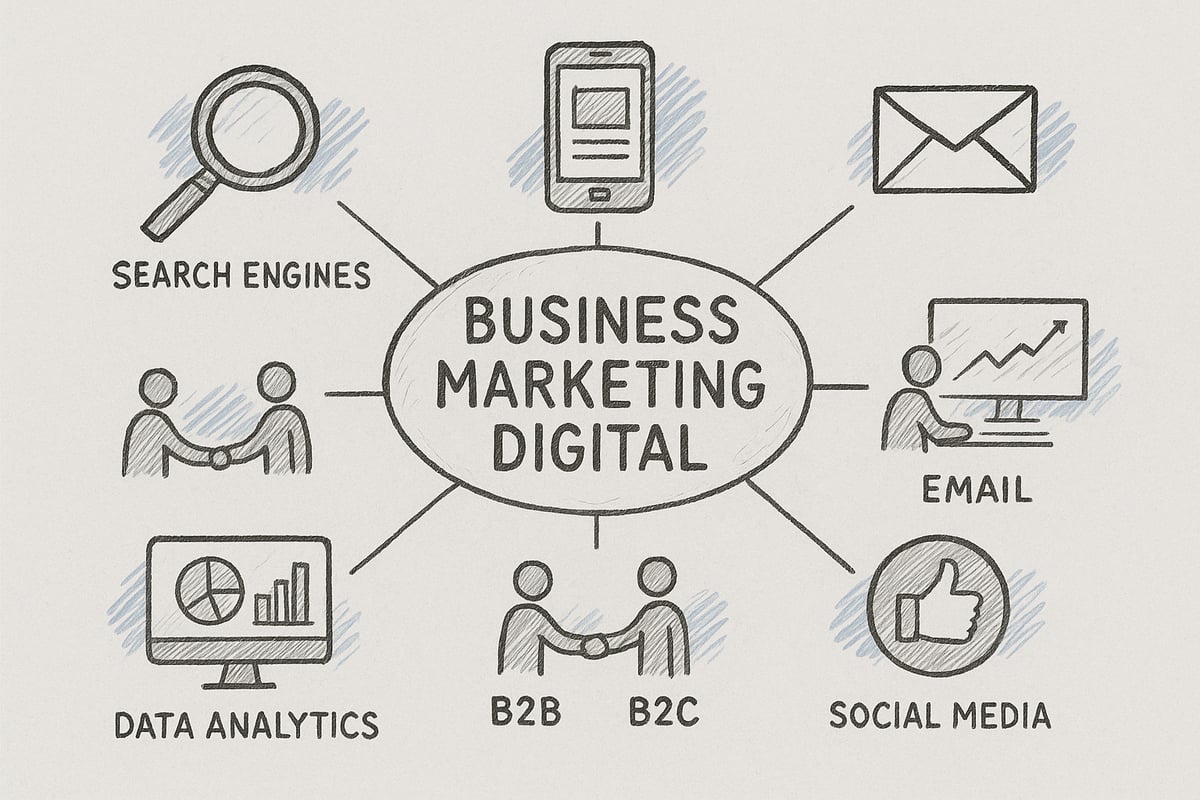
Digital marketing is the use of digital channels—such as search engines, social media, email, and mobile platforms—to reach, engage, and convert customers. Unlike online marketing, which focuses only on internet-based activities, business marketing digital strategies encompass all digital touchpoints, including digital billboards and in-store screens.
The shift from traditional to digital-first marketing is unmistakable. Digital ad spend continues to outpace traditional channels, driven by the need for measurable results and targeted engagement. Companies now rely on vast amounts of data to make informed decisions and personalize the customer journey. By analyzing competitor insights and market trends, brands can stay ahead in a crowded marketplace.
B2B and B2C approaches within business marketing digital differ significantly. B2B strategies emphasize longer sales cycles, multiple decision-makers, and trust-building, often using in-depth content and relationship management. B2C, on the other hand, focuses on emotional engagement, faster conversions, and high-frequency touchpoints through channels like social media and mobile apps.
Aligning digital marketing with business goals is critical. Whether the objective is revenue growth, increased brand awareness, or higher customer retention, the right digital tactics can accelerate results. For instance, a SaaS company leveraging multi-channel campaigns across email, social, and paid ads can shorten its sales cycle and improve lead quality.
Key insight: In 2026, business marketing digital is not just a competitive advantage—it is the foundation for sustainable growth. For a deeper dive into strategic frameworks, visit Digital Marketing Strategies for 2026.
The Benefits and Challenges of Digital Marketing
Business marketing digital offers a wide range of benefits for organizations of any size. The ability to reach global audiences instantly, at a fraction of the cost of traditional media, is a game changer. Advanced analytics provide granular measurement of ROI, conversions, and user engagement, allowing marketers to optimize every campaign.
Personalization is another key strength. By leveraging customer data, brands can deliver tailored messages and offers that resonate with specific segments. Engagement opportunities abound, as digital channels enable real-time interaction with customers at every stage of their journey.
However, challenges persist. Navigating ever-changing platform algorithms requires constant learning. Data privacy regulations, such as GDPR and CCPA, demand strict compliance and transparent practices. The competitive landscape is fierce, making it harder to stand out and build long-term trust.
Consider a brand using segmented email campaigns, which can dramatically increase open rates and conversions. In fact, 80% of marketers reported content marketing as highly effective in 2022, according to Statista. These advantages make business marketing digital indispensable for forward-thinking companies.
To succeed, marketers must embrace both the opportunities and obstacles, adapting their strategies as the digital world evolves.
The Digital Marketing Landscape: Key Channels and Trends for 2026
Understanding the business marketing digital landscape in 2026 is essential for brands aiming to stand out in a crowded online world. With technology evolving rapidly, companies must master both foundational channels and emerging trends to thrive. Let’s dive into the channels and innovations shaping business marketing digital success in the coming year.
Core Digital Marketing Channels
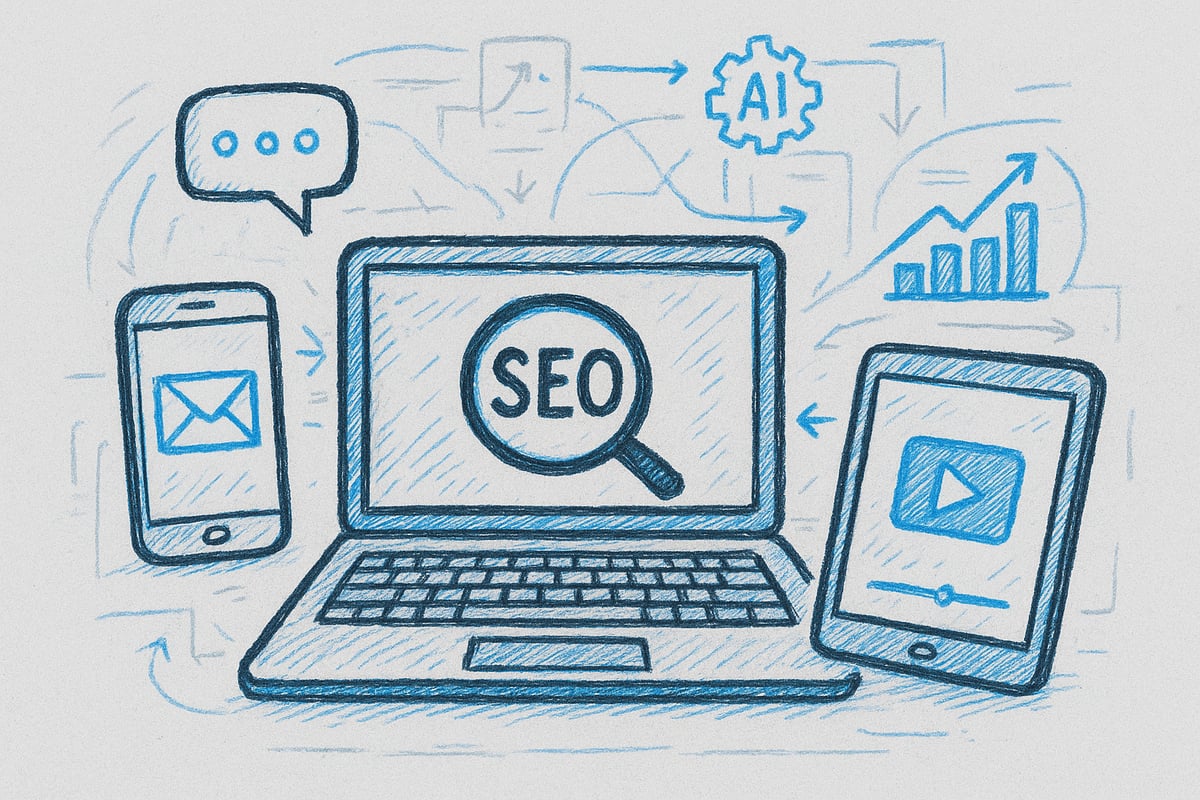
A robust business marketing digital strategy starts with a mix of tried-and-true channels. Each plays a unique role in reaching, engaging, and converting audiences.
- Content Marketing: Blogs, videos, podcasts, and guides position brands as authorities, educate prospects, and fuel SEO.
- Email Marketing: Direct, personalized communication builds relationships, nurtures leads, and boosts retention.
- Search Engine Optimization (SEO): Optimizing websites and content for higher visibility in search results drives sustainable organic traffic.
- SEM & PPC: Paid ads on Google and Microsoft target users searching for your solutions, delivering quick, measurable results.
- Social Media Marketing: Platforms like Facebook, Instagram, TikTok, and LinkedIn foster brand communities and provide real-time engagement.
- Influencer & Affiliate Marketing: Partnering with trusted voices extends brand reach and credibility, especially for younger audiences.
- Mobile Marketing: SMS, mobile apps, and responsive content ensure brands connect with users wherever they are.
- Video Marketing: Both short-form (TikTok, Reels) and long-form (YouTube) videos capture attention and drive conversions.
- Marketing Automation: AI-powered tools streamline repetitive tasks, personalize messaging, and improve campaign efficiency.
- Native Advertising: Seamlessly integrated ads blend into content feeds, enhancing user experience and boosting engagement.
Here’s a quick comparison:
| Channel | Strengths | Best For |
|---|---|---|
| SEO | Long-term traffic | Brand awareness, discovery |
| Email Marketing | High ROI, personalization | Lead nurturing, retention |
| Social Media | Real-time engagement | Community building, brand loyalty |
| PPC/SEM | Fast results | Immediate conversions |
| Video | High engagement | Education, product demos |
A balanced approach ensures your business marketing digital efforts reach audiences at every stage of their journey.
Emerging Trends and Technologies
2026 is a turning point for business marketing digital, thanks to innovations that enhance efficiency and personalization. Artificial intelligence (AI) and machine learning are now central, powering everything from predictive analytics to automated content creation.
Voice search and conversational marketing, fueled by smart speakers and chatbots, demand new strategies for engagement. Marketers are also adapting to privacy-first realities, as cookie deprecation and regulations require robust first-party data collection. Omnichannel integration is crucial, creating seamless experiences across devices and platforms.
Data-driven attribution tools now let marketers track every touchpoint, revealing which channels drive revenue. Video continues to dominate, with short-form content outperforming static posts in both reach and engagement.
To stay ahead, brands must remain agile and open to experimentation. For a deeper dive into the innovations shaping the future, explore these Digital Marketing Trends for 2026.
Business marketing digital leaders who embrace these trends will be best positioned to capture attention and loyalty in a fast-changing environment.
Case Studies & Examples
Let’s see how top brands excel with business marketing digital in 2026.
- B2B Success: A SaaS company combined LinkedIn campaigns and thought-leadership content to boost qualified leads by 40%. Their strategy focused on nurturing long sales cycles and building trust with decision-makers.
- D2C Breakthrough: A direct-to-consumer brand leveraged TikTok influencers, launching viral challenges that doubled their follower count and drove rapid sales growth. Their authentic, short-form videos resonated with Gen Z buyers.
- Financial Services Transformation: A financial firm adopted marketing automation, streamlining prospect nurturing and follow-ups. Automated workflows increased conversion rates while maintaining compliance with industry regulations.
These case studies highlight the impact of choosing the right mix of business marketing digital channels and technologies.
No matter your industry, adapting these approaches can help you outpace competitors and achieve measurable growth.
Step-by-Step Guide: Building a Winning Digital Marketing Strategy for 2026
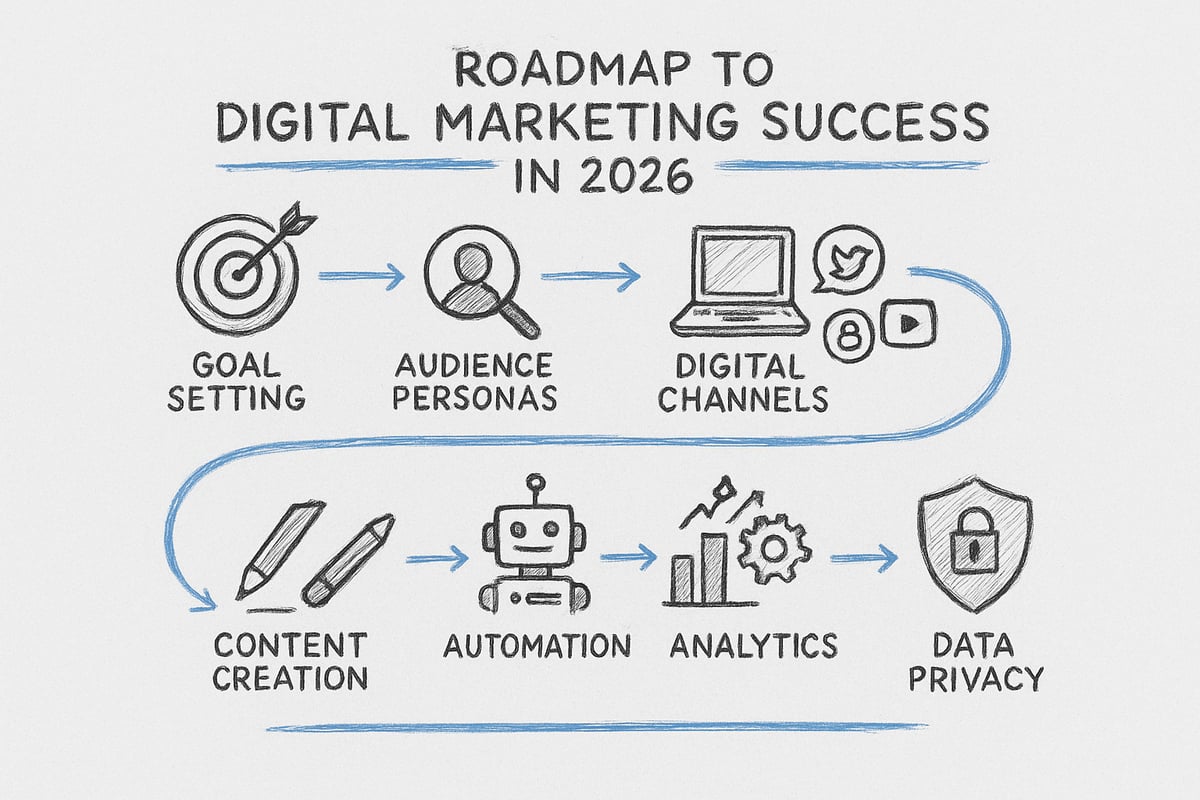
Ready to future-proof your business marketing digital approach? Use this step-by-step guide to craft a strategy that will help you thrive in 2026’s evolving landscape. Each phase is designed to empower brands of all sizes to adapt, optimize, and win.
Step 1: Define Business Goals and KPIs
Every winning business marketing digital strategy starts with clear, measurable goals. What does success look like for your brand in 2026? Pinpoint objectives that align with your overall business vision, such as:
- Increasing qualified leads
- Boosting online sales
- Enhancing brand awareness
- Improving customer retention
Next, identify key performance indicators (KPIs) for each goal. For example, if your aim is to drive sales, track metrics like conversion rate or average order value. Setting these benchmarks ensures your team stays focused and can measure progress effectively.
Step 2: Know Your Audience and Map the Customer Journey
A powerful business marketing digital plan hinges on knowing your audience inside out. Develop detailed buyer personas using real data: demographics, interests, pain points, and online behaviors.
Map out each stage of the customer journey, from the first awareness touchpoint to post-purchase engagement. Identify which channels and messages resonate most at every phase. Use analytics to uncover high-value segments and personalize their experience. This approach not only attracts the right prospects but also keeps them engaged throughout their lifecycle.
Step 3: Select and Integrate Digital Channels
Choosing the right mix of digital channels is crucial for any business marketing digital campaign. Focus on platforms your audience already uses, such as:
| Channel | Best For |
|---|---|
| SEO | Organic traffic, discovery |
| Social Media | Engagement, brand building |
| Nurturing leads, retention | |
| PPC/SEM | Rapid visibility, targeting |
Integrate these channels for a seamless omnichannel experience. Prioritize those with the highest ROI potential, but don’t spread resources too thin. A unified approach ensures consistent messaging and maximizes impact.
Step 4: Craft Compelling Content and Messaging
Content is at the heart of business marketing digital success. Develop a content strategy that addresses your audience’s needs and search intent at every stage. Blend storytelling with value-driven offers, using multiple formats:
- Blog articles
- Short and long-form videos
- Infographics and guides
- Podcasts or webinars
Personalize messaging based on user data and behavior. For example, a financial advisor might use interactive tools and video explainers to simplify complex topics. Consistent, relevant content builds trust and drives conversions.
Step 5: Leverage Technology and Automation
Harnessing the latest technology is essential for business marketing digital strategies in 2026. Implement marketing automation tools to streamline tasks like email campaigns, lead scoring, and follow-ups.
AI-driven solutions can predict customer behavior, personalize outreach, and even power chatbots for instant support. Automation saves time, reduces human error, and ensures every prospect receives timely, relevant communication. As your business grows, these tools help scale your efforts efficiently.
Step 6: Measure, Analyze, and Optimize
Continuous improvement is the backbone of business marketing digital excellence. Set up robust analytics systems, such as Google Analytics or a CRM dashboard, to track every campaign’s performance. Monitor critical metrics: traffic, engagement, conversions, and ROI.
Don’t be afraid to experiment. A/B test creatives, adjust budgets based on performance, and refine your strategy using actionable insights. To dive deeper into optimization, explore Results-Driven Marketing Insights for proven ways to maximize your marketing ROI. Data-driven decisions ensure your marketing dollars work harder and smarter.
Step 7: Ensure Compliance and Data Privacy
In 2026, trust is a major currency for business marketing digital initiatives. Stay current with evolving data privacy regulations like GDPR and CCPA. Build transparency into your data practices by using clear opt-in policies and explaining how information will be used.
Implement double opt-in for email lists and ensure customer data is stored securely. Proactively communicate your privacy standards, making it easy for users to adjust their preferences. Brands that prioritize compliance and respect customer privacy will earn loyalty and stand out in a crowded market.
The Power of Data and Analytics in Digital Marketing
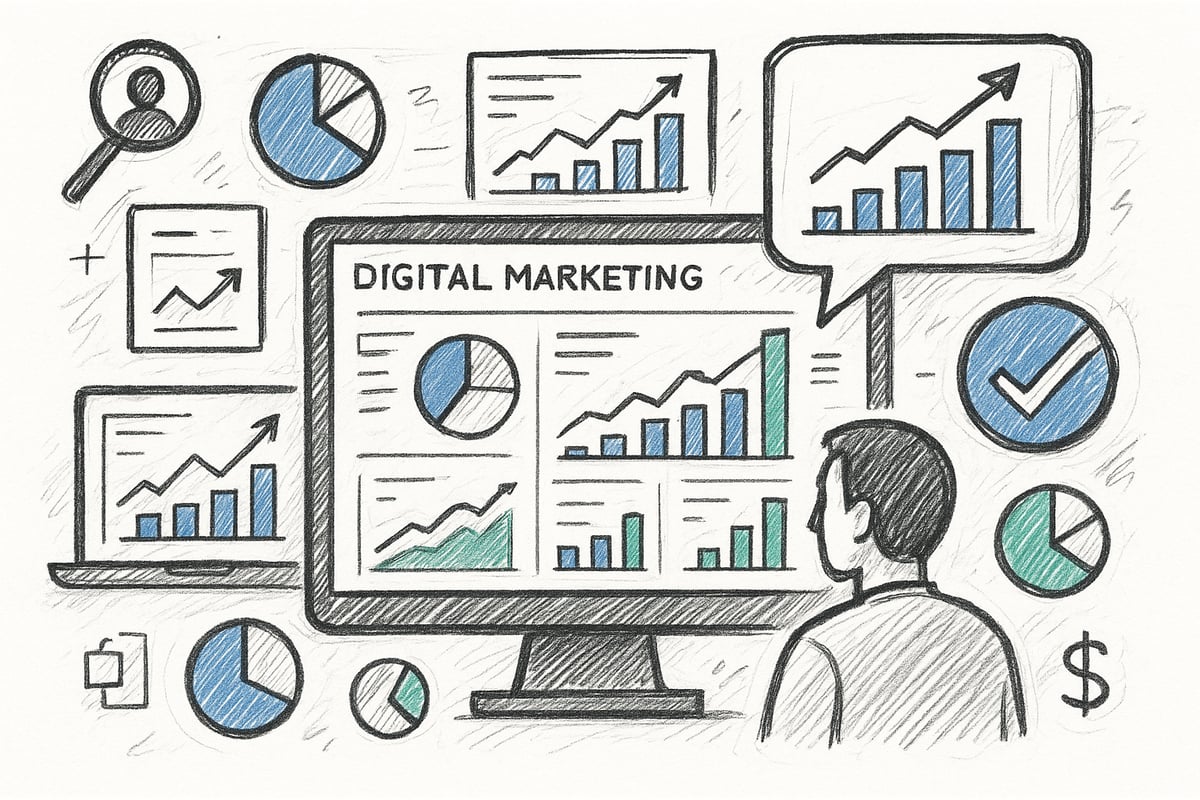
In today’s business marketing digital landscape, data is the fuel that powers every successful campaign. Understanding how users interact with your brand—whether they click, scroll, or buy—gives you a competitive edge. Without analytics, you’re essentially flying blind.
Why Data and Analytics Matter in Business Marketing Digital
Every click, page visit, and email open tells a story about your audience. By tracking these actions, business marketing digital leaders can see what content resonates and which channels drive results. This insight is essential for making informed decisions, especially as digital channels multiply and competition intensifies.
Savvy marketers use analytics to understand the entire customer journey—from the first touchpoint to conversion and beyond. This approach helps teams personalize messages, improve user experience, and ultimately increase revenue.
The Tools Powering Data-Driven Decisions
Choosing the right tools is crucial for effective business marketing digital analytics. Here’s a quick comparison:
| Tool | Primary Use | Strengths |
|---|---|---|
| Google Analytics | Website & campaign tracking | Deep insights, free |
| CRM Systems | Customer management | Sales & relationship data |
| Marketing Automation | Campaign automation | Segmentation, personalization |
Modern platforms now use AI to reveal patterns and predict outcomes. For a deep dive on how AI is transforming analytics, check out AI in Marketing Campaigns.
Measuring What Matters: ROI and Attribution
With business marketing digital, every campaign can be measured in real time. Advanced attribution models show which channels generate the most revenue, letting you double down on what works. Analytics platforms track open rates, click-throughs, and conversions with precision, so you always know your ROI.
Did you know marketers can pinpoint exactly which email or ad led to a sale? This level of detail is what sets digital efforts apart from traditional marketing.
The “Fail Fast” Advantage
One of the biggest benefits of business marketing digital is the ability to “fail fast.” If a campaign underperforms, analytics help you spot it quickly. You can pause weak efforts and reallocate your budget to what’s working, saving both time and money.
E-commerce brands, for example, use analytics to identify high-converting product pages. By focusing on these winners, they boost sales and scale faster.
Key Insight: Analytics Are a Game Changer
In summary, analytics empower business marketing digital teams to act with confidence. With the right data, you can optimize campaigns, personalize experiences, and achieve scalable growth. In fact, most marketers now track open and click-through rates for precise optimization, proving that data-driven strategies deliver real results.
Future-Proofing Your Digital Marketing: Trends and Best Practices for 2026
Staying ahead in business marketing digital demands a future-proof mindset. The landscape is evolving rapidly, shaped by new technologies, privacy changes, and shifting consumer expectations. To keep your brand relevant and resilient, you must anticipate trends, embrace innovation, and create authentic connections at every touchpoint.
Adapting to Evolving Technologies and Consumer Behaviors
Digital transformation is no longer optional for business marketing digital success. Brands are integrating AI and automation to personalize customer experiences, optimize workflows, and deliver faster results. As third-party cookies fade, collecting first-party data and gaining explicit consent are now essential to reach audiences effectively.
Omnichannel strategies are the new standard. Unifying messaging and branding across devices ensures a seamless customer journey. Investing in short-form video and interactive content, such as TikTok Reels or live Q&A sessions, keeps audiences engaged and coming back for more. Agile teams able to pivot quickly, test new tactics, and learn from data will outperform slower competitors.
Consider how AI’s Impact on Digital Marketing is revolutionizing content creation and campaign personalization. Brands using AI-driven tools can anticipate customer needs, automate repetitive tasks, and free up creative resources for high-impact initiatives. Video marketing continues to surge, with engagement rates climbing across every industry.
Building Trust and Long-Term Relationships
Trust is the foundation of business marketing digital growth. Today’s consumers expect transparency, authenticity, and real value in every interaction. To win loyalty, brands must personalize at scale while respecting privacy boundaries. This means using segmentation and automation to deliver relevant content at the right stage of the customer lifecycle, without crossing ethical lines.
Transparency in data collection and communication builds credibility. Providing clear opt-in choices and honoring preferences demonstrates respect for your audience. For example, service providers who send personalized offers based on lifecycle stage see higher engagement and long-term retention.
Leveraging strategies like these, as outlined in Lead Generation for Businesses, helps businesses foster meaningful relationships that drive repeat business and advocacy. The companies that build genuine community connections will consistently outperform those chasing short-term wins.
Navigating Digital Marketing Challenges
Business marketing digital leaders face ongoing challenges. Algorithm updates can disrupt reach overnight, while competitors continually raise the bar with innovative campaigns. To stay ahead, teams must invest in continuous learning, monitor industry benchmarks, and remain agile in their approach.
Ongoing training in emerging technologies, such as AI and marketing automation, keeps your team sharp and ready to capitalize on new opportunities. Attending annual conferences or webinars is a practical way to stay informed about industry shifts and best practices.
Ultimately, businesses that adapt quickly to change and foster a culture of experimentation will lead their markets in 2026. By embracing data-driven strategies, nurturing customer trust, and maintaining a future-focused mindset, your brand can thrive in the evolving digital world.
Now that you’ve got a clear view of how digital marketing is evolving and what it takes to win in 2026, it’s time to turn those insights into real results. If you’re serious about growing your business and want to see how AI-powered strategies can attract high quality leads and automate your appointment bookings, you don’t have to figure it out alone. We’ve helped businesses just like yours transform cold leads into eager customers—and we’re ready to help you, too. Let’s take the next step together and map out your personalized path to predictable growth. Book a FREE Strategy Call