


AI in digital advertising is reshaping the industry at a breathtaking pace. Marketers and brands in 2026 face a world where innovation is constant, and those who adapt quickly thrive.
This guide is designed to help you navigate the latest trends, tools, and strategies that are transforming the digital ad landscape. We’ll explore emerging AI technologies, smarter campaign optimization, next-level personalization, ethical challenges, and future-proof strategies.
Ready to unlock your competitive edge? Dive in and discover how to leverage AI in digital advertising to stay ahead and achieve measurable results.
The Evolution of AI in Digital Advertising
Artificial intelligence is rewriting the rules of digital marketing. The evolution of ai in digital advertising has been nothing short of transformative, reshaping how brands connect with audiences and optimize campaigns.
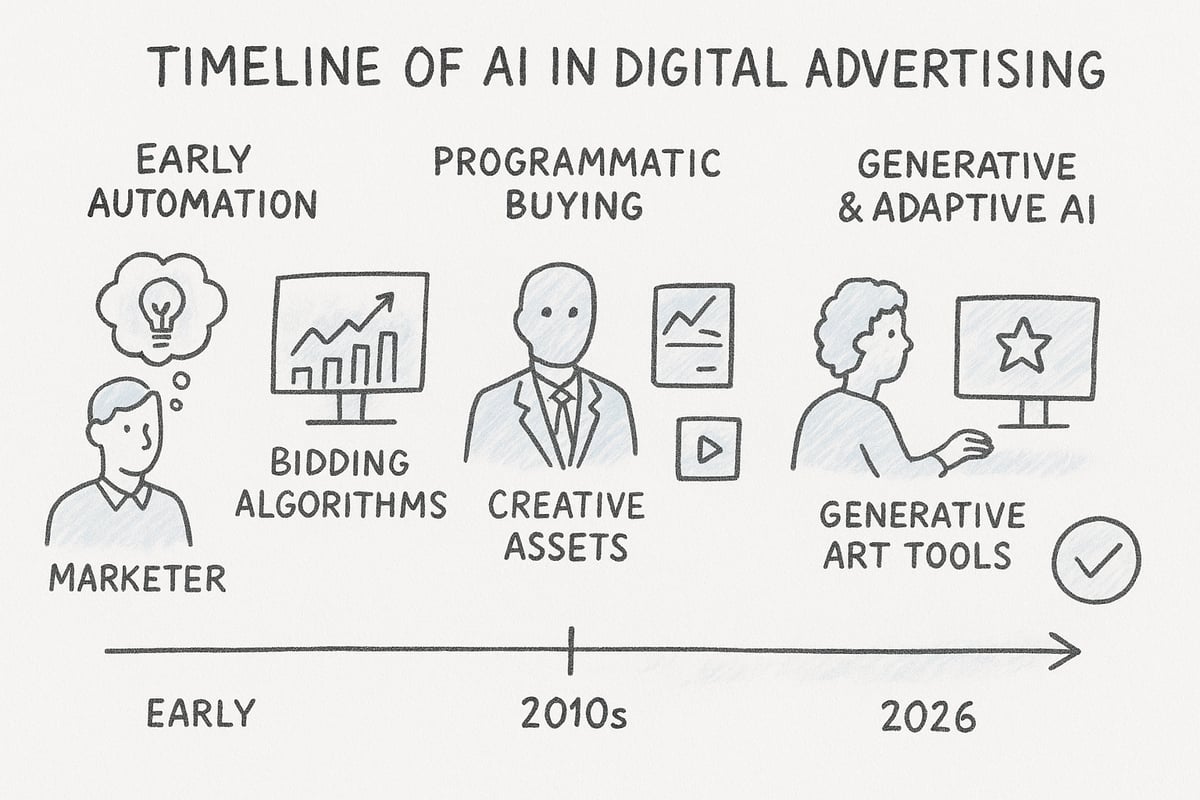
The Early Days: Automation and Programmatic Buying
In the early 2020s, ai in digital advertising began with automation and programmatic buying. Marketers first saw AI’s power in platforms like Google Ads and The Trade Desk, where machine learning took over real-time bidding and automated campaign management. This leap made ad placements more efficient, letting brands target the right audiences at the right time.
Key milestones included the introduction of predictive analytics, which could forecast user behaviors and boost ROI. Automated bidding strategies quickly replaced manual guesswork. According to AI in Digital Advertising Statistics, programmatic ad spend surged as adoption rates soared from 2020 to 2025.
A table of progress:
| Year | Milestone |
|---|---|
| 2020 | Real-time bidding automation |
| 2022 | Predictive analytics mainstream |
| 2024 | Automated campaign management |
This foundational phase set the stage for the next wave of innovation.
2024–2026: The Shift to Generative and Adaptive AI
By 2024, the landscape of ai in digital advertising advanced with generative and adaptive AI. Tools like DALL·E and MidJourney enabled brands to create ad visuals and copy at scale, often in a matter of minutes. These generative models produced unique images, headlines, and even short-form video content tailored to campaign goals.
Adaptive algorithms took audience segmentation to new heights. Real-time data fueled creative optimization, ensuring ads stayed relevant as user intent shifted. Industry leaders like Forbes and Simpli.fi noted that AI moved from being a tactical assistant to the backbone of strategic digital marketing.
As a result, brands could iterate quickly, test multiple creative concepts, and react instantly to campaign performance. This era marked a shift from static campaigns to living, learning ad systems.
Impact on Advertisers and Agencies
The impact of ai in digital advertising on agencies and brands has been profound. Campaign production timelines shrank dramatically. Video assets that once took weeks to produce could now be generated in hours. Creative teams leveraged AI to rapidly test, tweak, and scale ad variations, leading to higher engagement and conversions.
Efficiency gains translated into stronger ROI. AI-driven optimization meant every ad dollar worked harder, reaching the right user at the right moment. According to Gartner, 60 percent of CMOs are expected to use deception-guarding AI tools by 2026, highlighting a new era of trust and accountability.
Ultimately, ai in digital advertising empowers marketers to innovate, adapt, and win in an increasingly competitive landscape.
Key AI Technologies Powering Digital Advertising in 2026
Artificial intelligence has become the driving force behind innovation in digital marketing. As we step into 2026, the range of technologies shaping ai in digital advertising is broader and more powerful than ever before. Marketers are leveraging these advancements to create smarter, more effective campaigns that adapt in real time, personalize experiences, and maximize ROI.
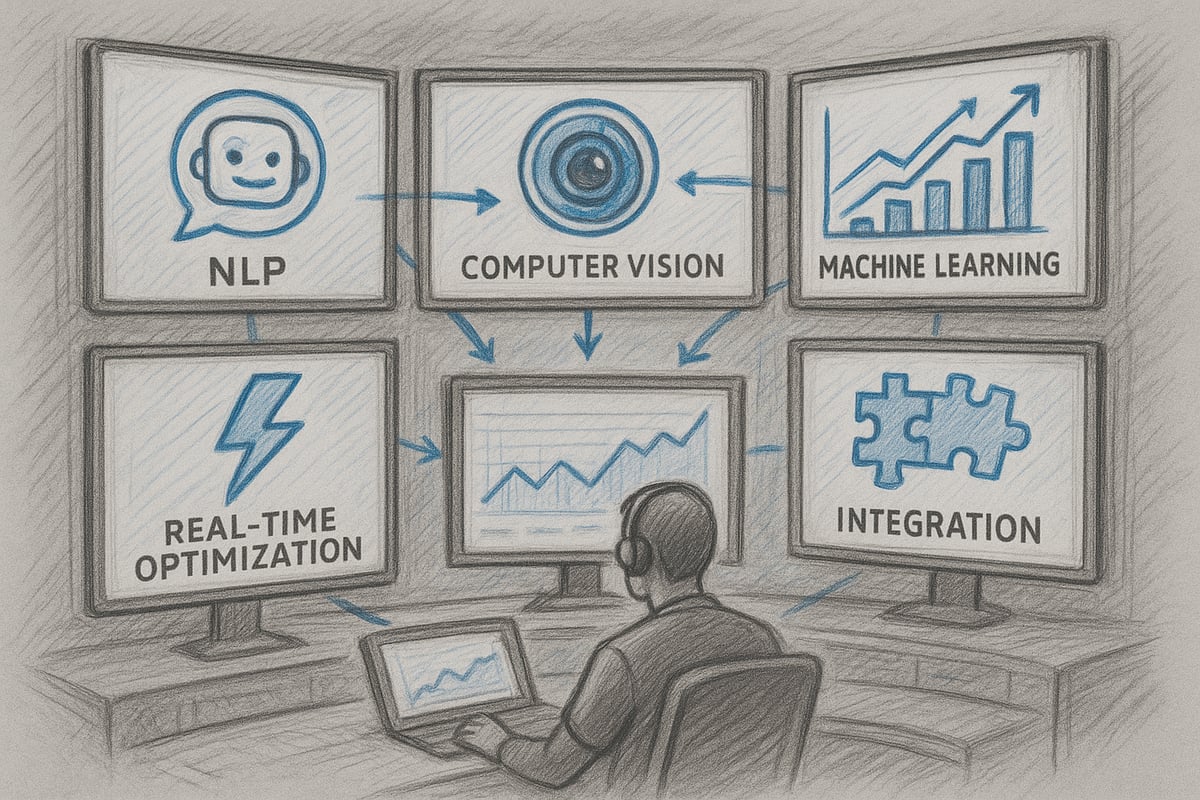
Natural Language Processing (NLP) and Conversational AI
Natural Language Processing is revolutionizing how brands communicate with customers. In ai in digital advertising, NLP enables the automatic generation of ad copy, headlines, and calls to action that match a brand's voice and resonate with individual users.
Conversational AI, including chatbots and voice assistants, powers interactive ad experiences that feel personal and immediate. Emotional AI, a subset of NLP, can analyze user sentiment by interpreting text and speech, allowing brands to adjust messaging in real time for better engagement.
For example, some brands deploy conversational ads that adapt their tone and offers based on detected emotions or preferences. This creates a two-way dialogue, making ads more engaging and effective.
Table: NLP Capabilities in 2026
| Capability | Impact on Digital Ads |
|---|---|
| Ad Copy Generation | Rapid, brand-safe messaging |
| Sentiment Analysis | Real-time tone adjustments |
| Conversational Ads | Higher user engagement |
NLP and conversational AI are now essential for brands aiming to deliver relevant and persuasive messages at scale.
Computer Vision and Visual Content Generation
Computer vision is transforming the visual side of ai in digital advertising. This technology analyzes images and videos to select visuals that perfectly match ad context, brand guidelines, and audience preferences.
Generative AI models, such as image and video creators, enable brands to produce original content instantly. Instead of relying on stock images or lengthy production cycles, advertisers can generate dynamic, personalized creative assets for every campaign.
A major trend is the use of AI for connected TV (CTV) and social platforms, where video ads are automatically tailored to each viewer's interests. Brands can create thousands of visual variations, ensuring every impression is unique.
Lists of key benefits:
- Automated selection of high-performing visuals
- Instant creation of unique images and videos
- Enhanced personalization for every user
Computer vision empowers marketers to stay visually relevant and compelling in a fast-paced digital landscape.
Machine Learning Algorithms and Predictive Analytics
Machine learning is the backbone of ai in digital advertising. These algorithms optimize ad placements, budget allocation, and audience targeting by learning from past performance and real-time data.
Predictive analytics uses browsing patterns, device types, and location data to anticipate user behavior. For example, a coffee brand might use predictive analytics to send personalized offers to customers when they're near a store or likely to make a purchase.
Key features include:
- Dynamic audience targeting based on intent
- Automated budget shifts for best performance
- Real-time predictions to guide creative choices
Machine learning makes campaigns smarter and more efficient, leading to higher conversion rates and better return on investment.
Real-Time Optimization Engines
One of the most exciting advancements in ai in digital advertising is the rise of real-time optimization engines. These AI systems continuously monitor campaign performance and make instant adjustments to bids, placements, and creative assets.
The result? Ads that are always relevant, budgets that aren't wasted, and engagement rates that outpace traditional methods. According to recent data, AI-driven campaigns now consistently outperform manual ones in conversions and ROI.
For a deeper dive into how these technologies are transforming the industry, see AI’s impact on advertising.
Real-time optimization is now the gold standard, giving brands the agility needed to succeed in a rapidly shifting market.
Integration and Interoperability in Ad Tech Stacks
Seamless integration is the unsung hero of ai in digital advertising. As more AI tools become available, their true power is unlocked when they work together across Demand Side Platforms (DSPs), Customer Relationship Management (CRM) systems, and analytics suites.
Open APIs and modular solutions are trending, allowing marketers to mix and match the best AI capabilities for their needs. This flexibility ensures campaigns are managed efficiently and insights flow freely between systems.
Benefits of integration:
- Unified data for smarter decision-making
- Faster campaign launches and pivots
- Scalable personalization across all channels
Looking ahead, interoperability will be critical as the landscape becomes more complex. Brands that invest in connected, AI-powered stacks will be best positioned to capture the full potential of ai in digital advertising.
Personalization and Customer Experience: AI’s Competitive Edge
Artificial intelligence is unlocking a new era of customer experience in digital advertising. Brands are now able to deliver the right message to the right person at the right time, creating real connections and boosting results. In 2026, mastering ai in digital advertising will mean using personalization as your ultimate competitive advantage.
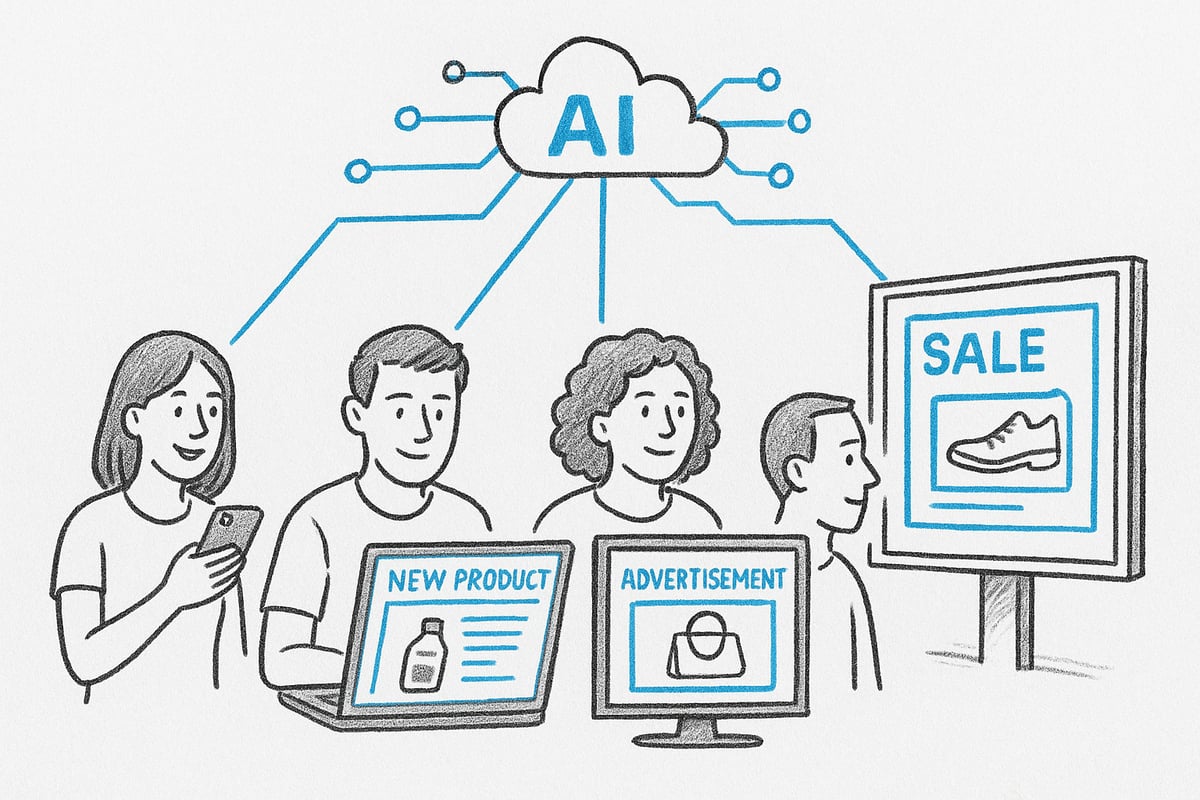
Hyper-Personalization at Scale
AI in digital advertising is revolutionizing hyper-personalization. Today’s advanced algorithms analyze vast datasets in milliseconds, allowing brands to tailor content, visuals, and offers for each individual. Imagine a campaign that dynamically adjusts its creative elements for millions of users, all without manual intervention.
Dynamic creative optimization lets marketers experiment with countless ad variations, finding what works best for each audience segment. Tools powered by ai in digital advertising can generate high-converting ad assets at scale, as explored in High-converting AI ad creation. Starbucks is a great example, using predictive analytics to customize rewards and offers for every customer, driving loyalty and boosting engagement.
Behavioral Targeting and Audience Segmentation
Behavioral targeting is another area where ai in digital advertising shines. By monitoring real-time signals, AI segments audiences into micro-groups based on browsing patterns, device usage, and contextual data. This shift from broad demographics to precise micro-audiences means ads are far more relevant and engaging.
Transparency is also becoming a key expectation. According to an IPA survey, 75% of consumers want to know when content has been generated by AI. Brands that prioritize openness will build greater trust while leveraging the power of ai in digital advertising to improve results.
Omnichannel and Cross-Device Personalization
Seamless customer experience is essential. AI in digital advertising enables brands to coordinate messaging across connected TV, mobile, desktop, digital out-of-home, and audio platforms. This ensures customers see consistent, personalized content wherever they interact with your brand.
AI-driven frequency management avoids overexposure, while unified data allows for smooth transitions between devices. The result is a cohesive brand presence that maximizes both engagement and efficiency, setting leaders in ai in digital advertising apart from the competition.
Improving Customer Retention and Lifetime Value
Retaining customers is just as crucial as acquiring them. AI in digital advertising provides powerful tools for nurturing leads, re-engaging dormant users, and predicting customer churn. Automated campaigns can target users with personalized messages at the right moment, increasing the likelihood of repeat business.
AI-generated insights help marketers optimize the entire customer journey, from the first click to long-term loyalty. With predictive models, brands can identify high-value customers and tailor offers to boost lifetime value, further leveraging ai in digital advertising for sustainable growth.
Challenges in Personalization
Despite the benefits, personalization powered by ai in digital advertising comes with challenges. Striking the right balance between relevance and privacy is essential. Overly intrusive ads can feel “creepy” and damage trust, while strict data protection regulations require brands to handle information responsibly.
Successful personalization means respecting user preferences, ensuring transparency, and adopting privacy-by-design principles. Brands that navigate these challenges will unlock the full promise of ai in digital advertising and build lasting relationships with their customers.
AI-Driven Campaign Strategies for 2026
AI in digital advertising is revolutionizing how campaigns are built, managed, and optimized. To remain competitive in 2026, marketers need a structured approach that combines robust data, advanced AI tools, and ethical best practices. Here is a step-by-step framework to help you unlock the full potential of AI in digital advertising, ensuring your campaigns are powerful, compliant, and future-proof.
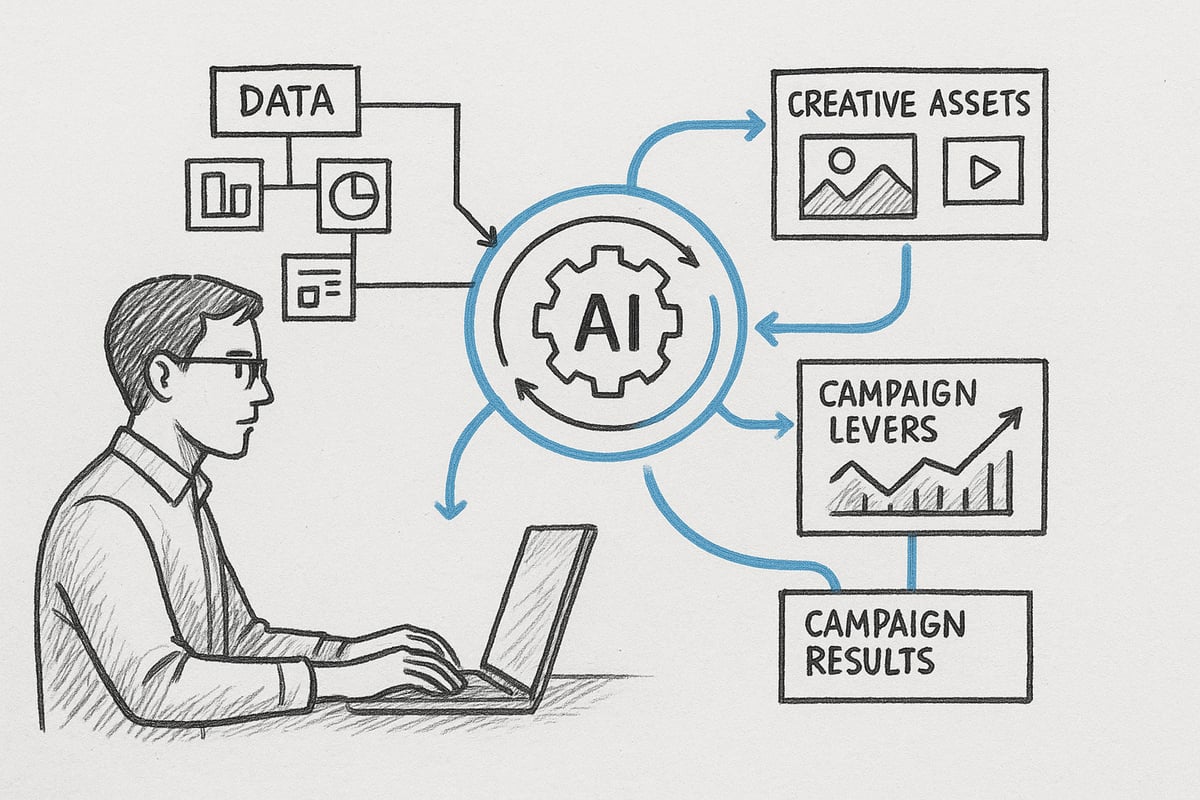
Step 1: Data Collection and Preparation
The foundation of any successful AI in digital advertising strategy is data. Clean, compliant, and high-quality data ensures your AI models deliver accurate insights and effective personalization.
Start by integrating first-party data (CRM, website analytics), second-party (trusted partners), and third-party sources (industry data providers). Use data validation tools to remove duplicates, errors, and outdated entries.
Checklist for data readiness:
- Ensure GDPR/CCPA compliance
- Regularly audit for accuracy
- Segment by intent, demographics, and behavior
Without reliable data, even the most sophisticated AI in digital advertising will struggle to produce meaningful results.
Step 2: Audience Modeling and Segmentation
With strong data, AI in digital advertising can build dynamic, evolving audience profiles. AI systems analyze patterns, behaviors, and signals to identify high-value segments and micro-audiences.
Key techniques include:
- Lookalike modeling to find users similar to your best customers
- Intent prediction to anticipate user needs
- Continuous segmentation updates as new data arrives
By leveraging AI in digital advertising for audience modeling, you target users with increasing precision, boosting relevance and ROI.
Step 3: Creative Generation and Testing
Generative AI is unlocking new creative possibilities for AI in digital advertising. Marketers can produce ad copy, visuals, and video assets rapidly, ensuring messaging stays fresh and aligned with each audience segment.
Use automated A/B and multivariate testing to compare creative elements in real time. Let AI identify which headlines, images, or calls to action drive the best results.
Benefits of AI-driven creative:
- Faster asset production cycles
- Greater creative variety
- Continuous improvement through testing
AI in digital advertising makes it possible to launch, test, and iterate creative at a scale that was unimaginable a few years ago.
Step 4: Real-Time Campaign Management and Optimization
AI in digital advertising empowers marketers to adjust bids, placements, and creatives in real time, maximizing every ad dollar. Algorithms monitor live performance, reallocating budgets and tweaking delivery for optimal results.
Modern platforms, such as those described in AI-powered campaign strategies, automate these adjustments, allowing marketers to launch and optimize campaigns within minutes, not days.
Key optimization actions:
- Adjust bids based on conversion signals
- Swap creative assets for best performers
- Pause underperforming segments instantly
With AI in digital advertising, you gain a competitive edge through speed, precision, and data-driven decision-making.
Step 5: Measurement, Attribution, and Reporting
Accurate measurement is crucial for refining AI in digital advertising strategies. Advanced analytics powered by AI provide granular attribution, showing exactly how each touchpoint contributes to conversions and ROI.
Leverage predictive insights to plan future campaigns, shifting resources to channels and audiences that show the highest potential.
Essential metrics to track:
| Metric | Description |
|---|---|
| Multi-touch attribution | Credit for each conversion step |
| Customer lifetime value | Predict long-term revenue |
| Engagement quality | Measure true audience interest |
AI in digital advertising ensures your reporting is both actionable and forward-looking.
Step 6: Ethical AI and Compliance Integration
As AI in digital advertising advances, ethical considerations are non-negotiable. Ensure transparency by labeling AI-generated content and disclosing automated processes to users.
Integrate privacy-by-design principles, respecting user consent and aligning with global data regulations like GDPR and CCPA. Regularly audit AI systems for bias and fairness.
Best practices:
- Provide clear opt-ins/opt-outs
- Monitor for deceptive or biased outputs
- Stay updated on regulatory changes
By prioritizing ethics, you future-proof your AI in digital advertising efforts and build lasting trust with your audience.
Ethical, Privacy, and Regulatory Considerations in AI Advertising
As the use of ai in digital advertising accelerates, ethical, privacy, and regulatory responsibilities are front and center. Brands and agencies cannot ignore the importance of building trust, ensuring fairness, and complying with evolving laws. Let’s break down the most critical considerations for 2026 and beyond.
Transparency and Disclosure of AI-Generated Content
Transparency is non-negotiable in ai in digital advertising. As AI-generated assets become more sophisticated, consumers want to know when they’re interacting with machine-created content. A recent LLM-Generated Ads Study found that clear disclosure boosts engagement and trust, especially with persuasive ad copy.
Best practices include:
- Labeling AI-generated ads clearly
- Explaining how AI is used within campaigns
- Offering easy access to information about AI involvement
Being upfront not only enhances credibility, it also prepares brands for regulatory scrutiny.
Bias, Fairness, and Responsible AI Use
Bias in ai in digital advertising can undermine both effectiveness and reputation. AI models may unintentionally favor or exclude certain groups, leading to unfair targeting. To combat this, brands should:
- Regularly audit AI systems for demographic fairness
- Use diverse training data to minimize bias
- Set up review boards for ethical oversight
Responsible use means making fairness a core design principle, not an afterthought.
Privacy, Consent, and Data Protection
Privacy is a foundational pillar in ai in digital advertising. With regulations like GDPR and CCPA, brands must prioritize user consent and data security. Techniques such as anonymized targeting, consent-based personalization, and data minimization are essential.
A quick comparison of privacy frameworks:
| Regulation | Focus | Key Requirement |
|---|---|---|
| GDPR | EU Residents | Explicit consent |
| CCPA | California | Opt-out rights |
Keeping pace with evolving laws is vital to avoid fines and lost trust.
Brand Safety and Fraud Prevention
Brand safety is paramount as ai in digital advertising expands. AI can both enable and detect fraud, making real-time monitoring crucial. Advertisers should leverage AI-powered tools to:
- Identify suspicious traffic and invalid clicks
- Block placements on unsafe or inappropriate sites
- Monitor creative for compliance with industry standards
A proactive approach protects both brand reputation and campaign ROI.
Future Regulatory Trends
Regulations around ai in digital advertising are only set to intensify. Expect stricter rules on AI transparency, content labeling, and data handling. Industry leaders are preparing by investing in compliance tools and collaborating with policymakers. For a glimpse into the regulatory future, see the Future of AI in marketing for emerging trends shaping the landscape.
Staying informed and adaptable is the best way to future-proof your AI-driven campaigns.
The Future of AI in Digital Advertising: Trends to Watch for 2026 and Beyond
The next few years will redefine what’s possible with ai in digital advertising. As technology evolves, marketers must keep pace to capture new opportunities and outperform the competition. Let’s explore the most important trends shaping the future and how you can prepare your brand for lasting success.
Generative AI’s Expanding Role in Creative Production
Generative AI is set to become the creative powerhouse behind ai in digital advertising. Brands are now using AI to brainstorm, produce, and adapt ad assets at lightning speed. Imagine launching hundreds of personalized ad variations for different audiences in minutes, not weeks.
AI models can generate unique images, videos, and copy based on campaign goals, enabling hyper-targeted creative strategies. This shift means marketers can rapidly test, iterate, and refine messaging, all while maintaining brand consistency.
Voice, Video, and Immersive Media
The rise of voice assistants, video ads, and immersive experiences is transforming ai in digital advertising. AI-powered tools now create interactive video ads, voice-activated campaigns, and even AR or VR experiences that engage users on a deeper level.
Brands are leveraging AI to analyze viewer preferences and deliver personalized content across platforms like CTV, social media, and the metaverse. The ability to connect with audiences through emerging formats is quickly becoming a competitive necessity.
Autonomous Campaign Management
Fully autonomous AI systems are on the horizon, promising to manage entire ad campaigns from start to finish. These systems can set budgets, select audiences, generate creatives, and optimize performance in real time, freeing marketers to focus on strategy.
The benefits include faster go-to-market times, reduced manual effort, and improved ROI. However, brands must balance automation with oversight to ensure campaigns align with broader business objectives and ethical guidelines.
AI and the Cookieless Future
With third-party cookies fading away, ai in digital advertising is pivoting toward privacy-friendly solutions. AI now powers contextual targeting, relying on content and user intent rather than personal identifiers.
First-party data strategies are critical. AI helps brands analyze customer interactions and build robust audience segments without compromising privacy. Adapting to these changes is crucial for maintaining effectiveness in a privacy-first era.
Evolving Metrics and Success Measurement
Measurement is evolving as ai in digital advertising enables predictive insights and multi-touch attribution. Marketers are shifting focus from surface-level metrics to deeper indicators like customer lifetime value and engagement quality.
AI-driven analytics provide granular visibility into what works, helping advertisers allocate budgets more effectively. According to AI Adoption in Marketing, the adoption of these tools is accelerating, making data-driven decisions the new standard.
Preparing Your Organization for AI-Driven Change
To thrive in the era of ai in digital advertising, organizations must invest in AI literacy, talent, and cross-functional collaboration. Upskilling teams, partnering with technology providers, and fostering a culture of innovation are essential steps.
Stay proactive by continuously monitoring trends, adopting flexible tools, and embracing a mindset of experimentation. The brands that adapt quickly will lead the next wave of digital advertising success.
If you’re excited about where AI is taking digital advertising and want to make sure you’re not just keeping up but getting ahead in 2026, why not take the next step? We’ve covered how AI can transform your lead generation, automate bookings, and turn cold prospects into ready buyers—now it’s your turn to see real results. Let’s talk about your business and uncover exactly how to apply these strategies for predictable growth—no guesswork, no generic solutions. Ready to build a strategy that truly aligns with your goals? Book a FREE Strategy Call and let’s start driving your success together.