

The digital marketing world is moving fast, and only those prepared with the best marketing platforms will thrive in 2026. Are you ready to outpace your competition?
In this guide, we reveal the top eight solutions that will help you break through the noise and achieve real business results. We’ll dive into each platform’s pricing, features, target users, and unique advantages.
You’ll discover actionable insights and proven strategies, empowering you to make informed choices. Stay ahead of the curve, fuel your growth, and invest in tools built for tomorrow’s marketing success.
The Evolving Role of Marketing Platforms in 2026
The world of digital marketing is more crowded than ever. By 2025, marketers were faced with over 15,000 martech tools to choose from. This “tool overload” can overwhelm any business, making it tough to identify the best marketing platforms for genuine results. In 2026, simply having software is not enough. Strategic selection is what separates thriving brands from those lost in the noise.
What are the forces reshaping the future? AI-powered automation is now at the heart of the best marketing platforms. Machine learning streamlines everything from lead scoring to campaign optimization, freeing teams to focus on strategy. Omnichannel engagement is another must. Your customers expect seamless experiences across email, SMS, social, and web. Platforms that unify these touchpoints put your brand ahead.
Data privacy is also front and center. With regulations like GDPR and CCPA evolving, platforms must guarantee compliance and secure data handling. Personalization at scale is no longer optional. The best marketing platforms use AI to deliver tailored content that resonates with each audience segment, boosting engagement and conversions.
Integration and automation have become mission-critical for marketing ROI. Gone are the days of siloed tools creating fragmented data and duplicated work. Unified solutions now dominate, offering centralized dashboards, cross-channel workflow automation, and consolidated reporting. When your CRM, email, social, and analytics tools work together, you gain efficiency and deeper insights. For a closer look at how this unified approach drives results, explore End-to-End Marketing Solutions.
Why does this matter for your growth? The best marketing platforms now support both inbound and outbound strategies within a single ecosystem. Whether you’re nurturing leads with content or running targeted ad campaigns, integrated platforms streamline the entire process. Analytics and reporting are more advanced, empowering marketers with real-time data to guide smarter decisions.
Let’s look at how top companies are winning with this approach:
- A SaaS provider moved from separate email and CRM tools to a unified platform, cutting campaign costs by 30 percent and doubling lead response rates.
- An e-commerce brand adopted an AI-driven solution, automating product recommendations and achieving a 21 percent boost in repeat purchases.
- Agencies now manage multi-channel campaigns for clients in one dashboard, reducing setup time and improving client transparency.
Choosing the best marketing platforms is now about future-proofing your business. Platforms must adapt to new trends, channels, and compliance rules. Scalability is key, as is the ability to plug in emerging AI features with minimal disruption. Marketers who invest in adaptable, integrated solutions will be ready for whatever the next wave of digital innovation brings.
The bottom line: In 2026, the best marketing platforms are those that simplify complexity, connect every part of your marketing engine, and deliver actionable insights for growth. The right choice empowers you to cut through the chaos and win in an ever-evolving landscape.
How to Choose the Best Marketing Platform for Your Business
Choosing the best marketing platforms for your business in 2026 is a decision that can shape your growth trajectory. With so many options, the stakes have never been higher. The right platform empowers you to streamline operations, reach the right audience, and maximize return on investment. Let’s break down the process into actionable steps so you can confidently invest in solutions that drive results.
Key Evaluation Criteria for 2026 Success
Start by defining what success means for your organization. The best marketing platforms are those that evolve with your business. Scalability is essential—can the platform handle increased data, users, and campaign complexity as you grow? Automation capabilities are now non-negotiable. Look for AI-driven workflows, lead nurturing, and campaign management features that save time and reduce manual effort.
Integration is critical. The best marketing platforms should connect seamlessly with your CRM, e-commerce system, analytics, and third-party tools. A robust integration ecosystem eliminates data silos and enables unified reporting. User experience matters too. An intuitive interface, strong onboarding resources, and responsive support will set your team up for success.
Data security and compliance are top priorities. Ensure any solution you consider meets GDPR, CCPA, and other evolving privacy standards. Transparency in pricing helps you avoid hidden costs, so always verify what is included. For a deeper dive into how AI-powered automation is transforming lead generation and platform evaluation, check out this guide on AI in Lead Generation.
Quick Comparison Table:
| Criteria | Why it Matters | What to Look For |
|---|---|---|
| Scalability | Supports long-term growth | Flexible plans, API access |
| Automation | Saves time, boosts efficiency | AI workflows, triggers, segmentation |
| Integrations | Centralizes data, streamlines ops | CRM, e-commerce, analytics plugins |
| User Experience | Drives adoption, reduces training | Clean UI, tutorials, live support |
| Compliance | Protects brand, avoids fines | GDPR/CCPA ready, secure data storage |
| Pricing Transparency | Prevents budget surprises | Clear tiers, no hidden fees |
Aligning Platform Features with Your Goals
Now, map your business objectives to platform capabilities. The best marketing platforms are those that directly support your goals—whether that’s lead generation, sales conversion, or brand awareness. Start by listing your top marketing priorities. Then, match platform strengths to your business model. For example, e-commerce brands may need omnichannel outreach, while B2B companies might prioritize advanced segmentation.
Consider where your audience spends time. Do they prefer email, SMS, or social channels? The best marketing platforms will offer multi-channel capabilities or deep specialization in your chosen medium. Analytics and reporting are vital. Choose solutions that provide actionable insights, not just raw data.
Checklist for Alignment:
- Identify your top objectives (lead gen, sales, awareness)
- Match platform features to business type (e-commerce, B2B, agency)
- Evaluate audience channel preferences
- Assess analytics and reporting depth
A real-world example: A SaaS business struggling with stagnant ROI switched to a platform that offered granular segmentation and automated nurture sequences. Within months, they saw a 35% increase in qualified leads and a significant boost in retention. This illustrates why aligning your goals with the right platform features is the cornerstone of marketing success in 2026.
Top 8 Best Marketing Platforms for 2026 Success
Choosing the best marketing platforms can define your business growth trajectory in 2026. With innovative tools emerging rapidly, investing in a platform that genuinely aligns with your needs is crucial. Below, we break down the top 8 best marketing platforms, highlighting their strengths, ideal use cases, and how they can help you future-proof your results.
Adstra
Adstra stands at the forefront of the best marketing platforms for B2B SaaS and service companies. Its pricing starts with a DIY training option at $27, while custom implementation comes with an ROI guarantee. Free tools and resources make the entry barrier low for growth-focused teams.
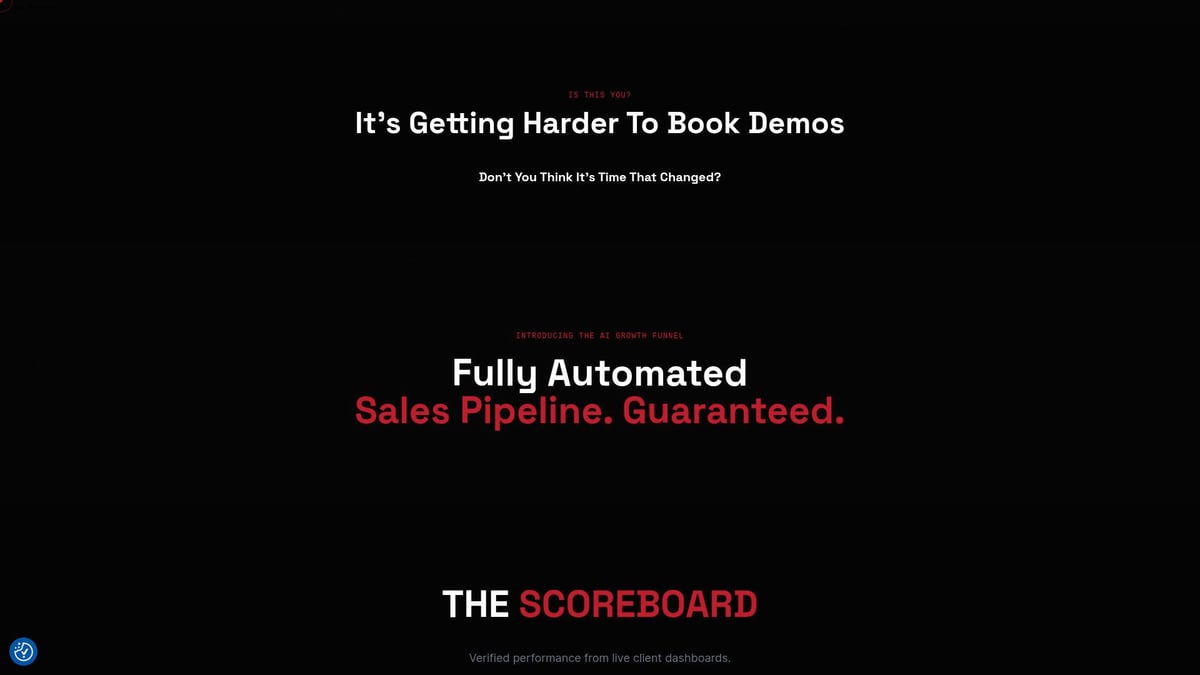
Core features include AI-powered sales pipeline automation, instant lead engagement via SMS and email, automated calendar booking, and a precision ad campaign engine. The AI nurture engine helps businesses automate the entire lead-to-demo process, eliminating cold calls and spam. Adstra’s reach is global, serving over 1,000 clients in 100+ countries.
Benefits & USPs:
- ROI-or-you-don’t-pay promise
- End-to-end automation for predictable growth
- No cold calls, no spam, just qualified leads
- Time and cost savings with a 64% home run rate
Ideal for: B2B SaaS, online service providers, sales teams needing scalable lead generation.
Pros:
- Full automation from lead to demo
- Transparent metrics and accessible training
- Focus on qualified traffic
Cons:
- Custom implementation pricing not public
- Primarily for B2B/service-based businesses
Clients report saving 20+ hours per week and achieving over 10x ROI. For SaaS companies, you can explore Top Advertising Platforms for SaaS to compare how Adstra stacks up against other industry leaders in the best marketing platforms space.
Omnisend
Omnisend is a powerhouse among the best marketing platforms for e-commerce brands. Its pricing is flexible: a free plan includes all features with a 500-email monthly cap, while Standard and Pro plans start at $16 and $59 per month, respectively.
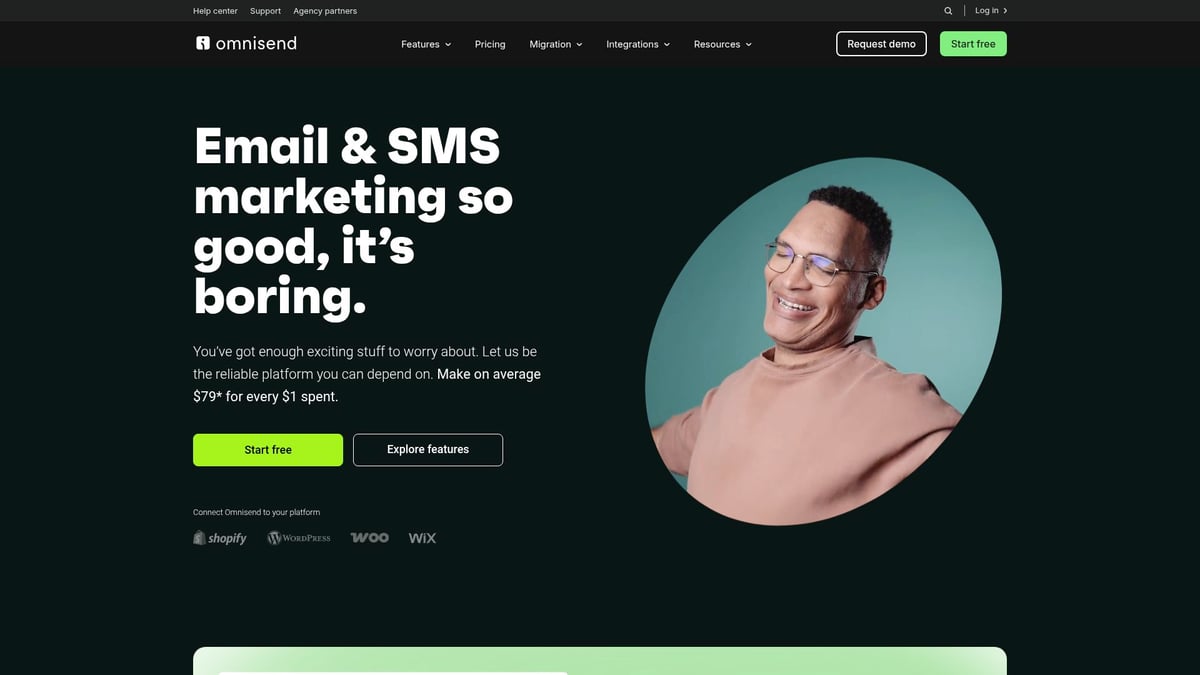
Key features center on e-commerce automation, omnichannel campaigns (email, SMS, push), advanced segmentation, and dynamic discount codes. Omnisend boasts over 250 templates and 160 integrations, including seamless store connections with Shopify, WooCommerce, and BigCommerce.
Benefits:
- Rapid store integration
- Personalized recommendations and scalable automations
- Real-time analytics for campaign optimization
Ideal for: E-commerce businesses seeking to unify email, SMS, and push marketing.
Pros:
- Omnichannel reach
- Robust automation workflows
- Intuitive interface and 24/7 support
Cons:
- Less suitable for non-ecommerce businesses
- Can feel complex to beginners
- Higher price point than basic tools
Omnisend’s 4.6/5 G2 rating reflects its proven ability to boost sales and automate repetitive tasks. E-commerce leaders consistently rank it among the best marketing platforms for ROI.
BigMailer
BigMailer is known as one of the best marketing platforms for agencies, franchises, and multi-brand businesses. With a free tier for up to 1,000 contacts, affordable paid plans starting at $24 per month, and additional Amazon SES fees, BigMailer provides scalable, cost-effective solutions.
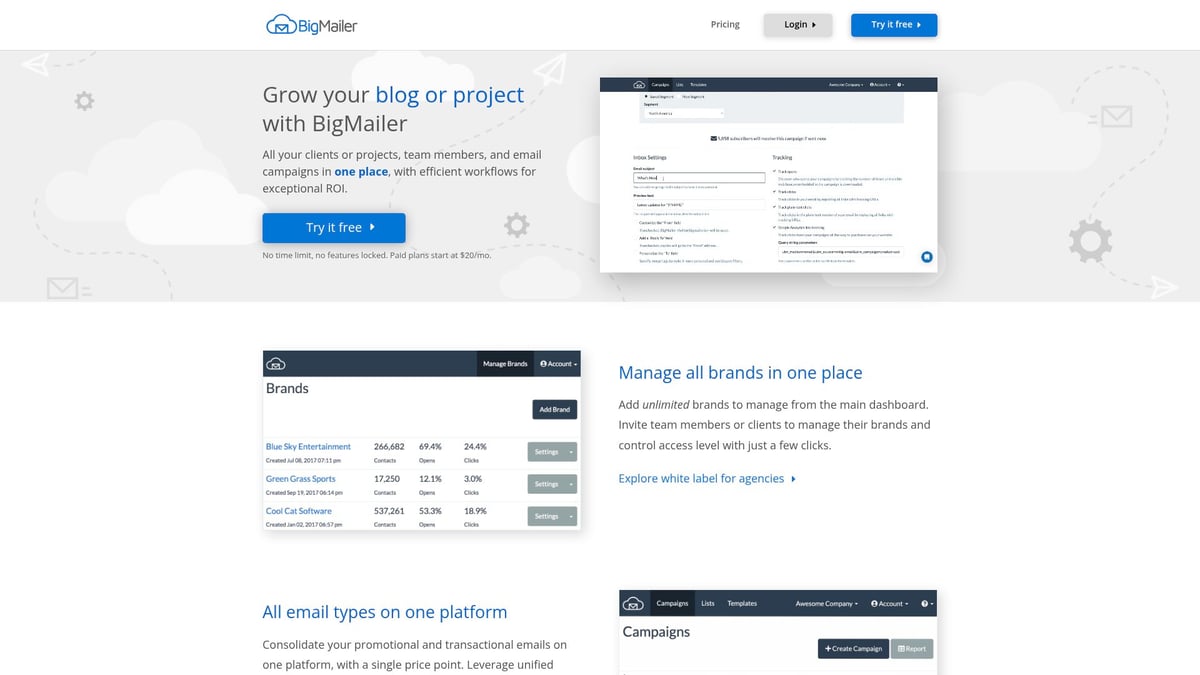
Standout features include multi-brand management, a drag-and-drop builder, A/B testing, built-in email validation, landing pages, and user roles. Automated email throttling ensures deliverability, and a white-label option is available for agencies.
Benefits:
- Extremely affordable for high-volume senders
- 99.7% deliverability rate
- Unlimited sub-accounts and strong customer support
Ideal for: Agencies, publishers, real estate firms, and businesses managing multiple brands.
Pros:
- Cost-effective and scalable
- Responsive support team
- White-label capabilities
Cons:
- Limited direct integrations
- Lacks SMS and social marketing features
BigMailer earns a perfect 5/5 G2 rating, with users emphasizing its ease of use and deliverability. If you manage multiple brands, BigMailer stands out among the best marketing platforms for volume-based email campaigns.
Sprout Social
Sprout Social is a leader among the best marketing platforms for social media management. The Standard plan begins at $249 per month, and a 30-day free trial is available for new users.
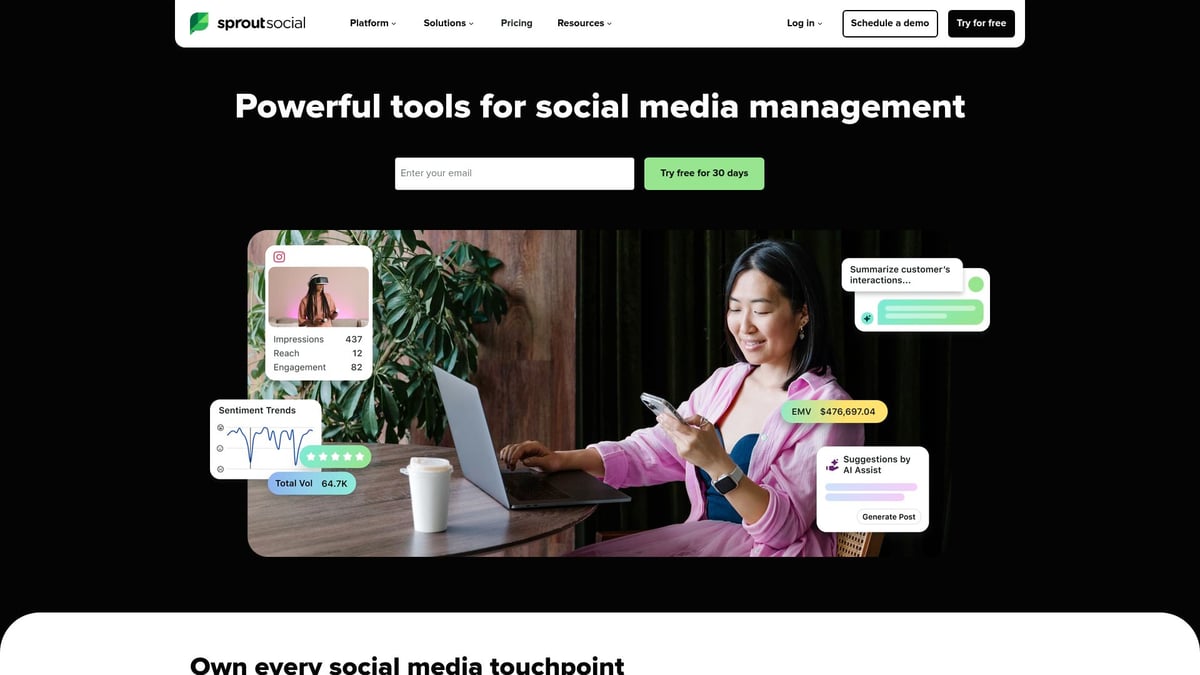
Core features include a unified social inbox, AI-enhanced scheduling, advanced analytics, and social listening tools. Sprout Social also offers influencer and employee advocacy tools, plus integrations with Salesforce, HubSpot, and Canva for streamlined workflows.
Benefits:
- Centralizes social engagement across channels
- Streamlines publishing with AI scheduling
- Deep reporting to measure ROI
Ideal for: Brands, agencies, and enterprises managing complex, multi-channel social presences.
Pros:
- Intuitive dashboard
- Robust analytics and collaboration tools
- Strong third-party integrations
Cons:
- Premium pricing
- Limited features on lower-tier plans
Top brands use Sprout Social for crisis management and influencer campaigns, repeatedly naming it one of the best marketing platforms for social media excellence and ROI.
ActiveCampaign
ActiveCampaign consistently ranks among the best marketing platforms for businesses needing advanced automation. Pricing starts at $15 per month, with a 14-day free trial to test all features.
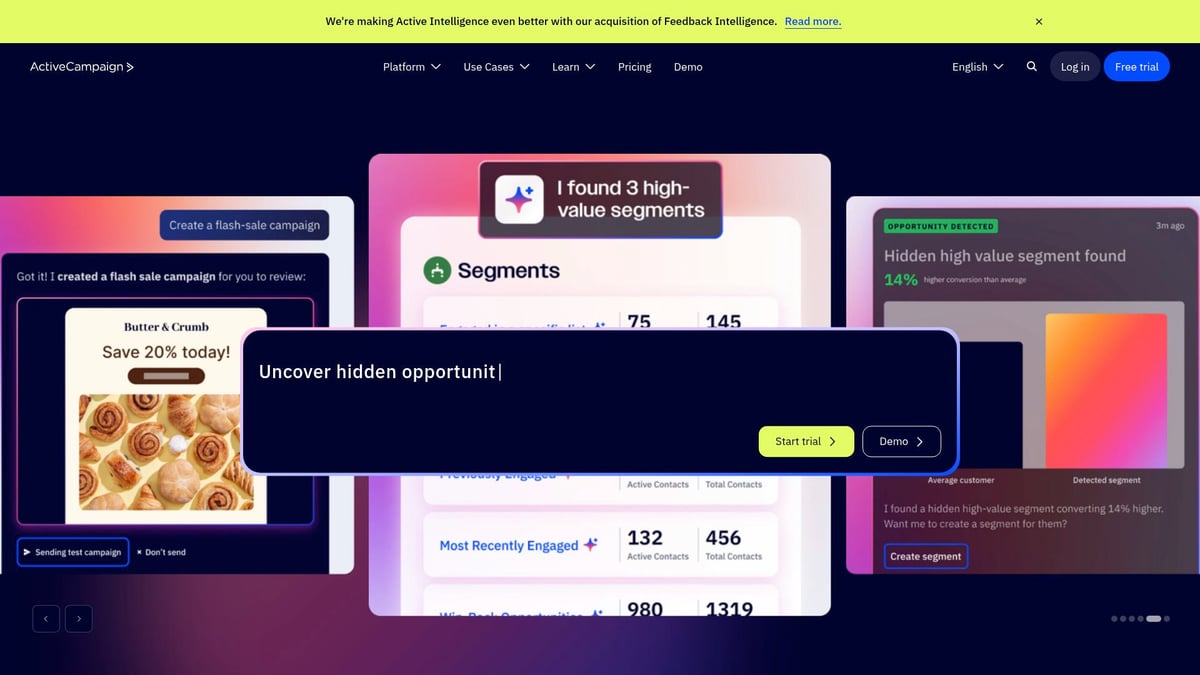
ActiveCampaign’s core strengths are advanced marketing automation, CRM integration, email and SMS marketing, segmentation, a visual workflow builder, landing pages, and lead scoring. The platform excels in delivering highly customizable automations and deep personalization.
Benefits:
- Customizable automations for every funnel stage
- Robust CRM integration for seamless sales and marketing alignment
- Personalization at scale
Ideal for: SMBs, B2B companies, and marketers seeking advanced automation.
Pros:
- Powerful workflow automation
- Strong deliverability rates
- Flexible integrations
Cons:
- Steeper learning curve than simpler tools
- Higher cost as contacts scale
With a 4.6/5 G2 rating, ActiveCampaign helps businesses nurture leads and improve conversion rates, making it a top contender among the best marketing platforms for growth-focused teams.
HubSpot Marketing Hub
HubSpot Marketing Hub is a comprehensive entry in any list of the best marketing platforms. Pricing starts with robust free tools, with paid plans from $20 per month and scalable options for enterprise needs.
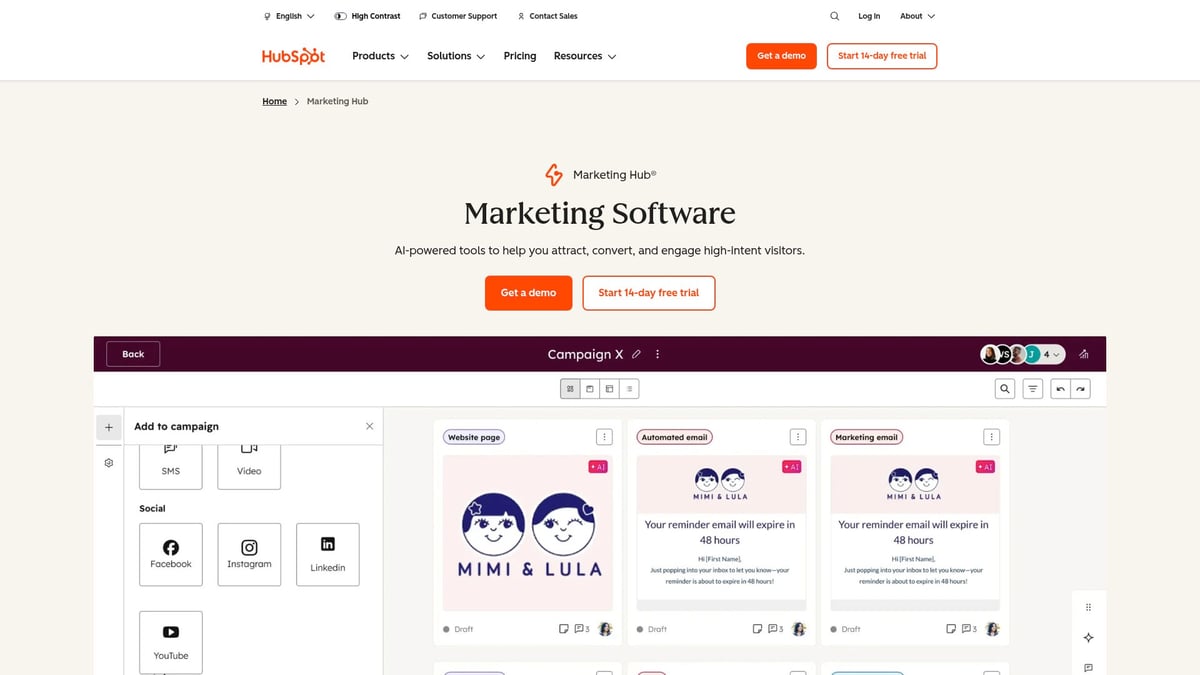
HubSpot features an all-in-one CRM, email marketing, automation, landing pages, analytics, social media management, and ad tracking. Its seamless integration with the broader HubSpot ecosystem enables unified sales, marketing, and service operations.
Benefits:
- Unified platform for marketing, sales, and service
- Seamless integrations and user-friendly onboarding
- Extensive analytics and reporting
Ideal for: Businesses seeking a scalable, comprehensive marketing and CRM platform.
Pros:
- Excellent onboarding and support
- Extensive integrations
- User-friendly interface
Cons:
- Costs can rise as your contact list and requirements grow
- Some advanced features gated behind higher-tier plans
HubSpot is popular among both SMBs and enterprises, consistently ranking as one of the best marketing platforms for inbound marketing and holistic growth.
Mobile Text Alerts
Mobile Text Alerts is a direct, high-engagement option within the best marketing platforms for SMS communication. Pricing starts at $25 per month for 500 messages, with a 14-day free trial and enterprise scaling.
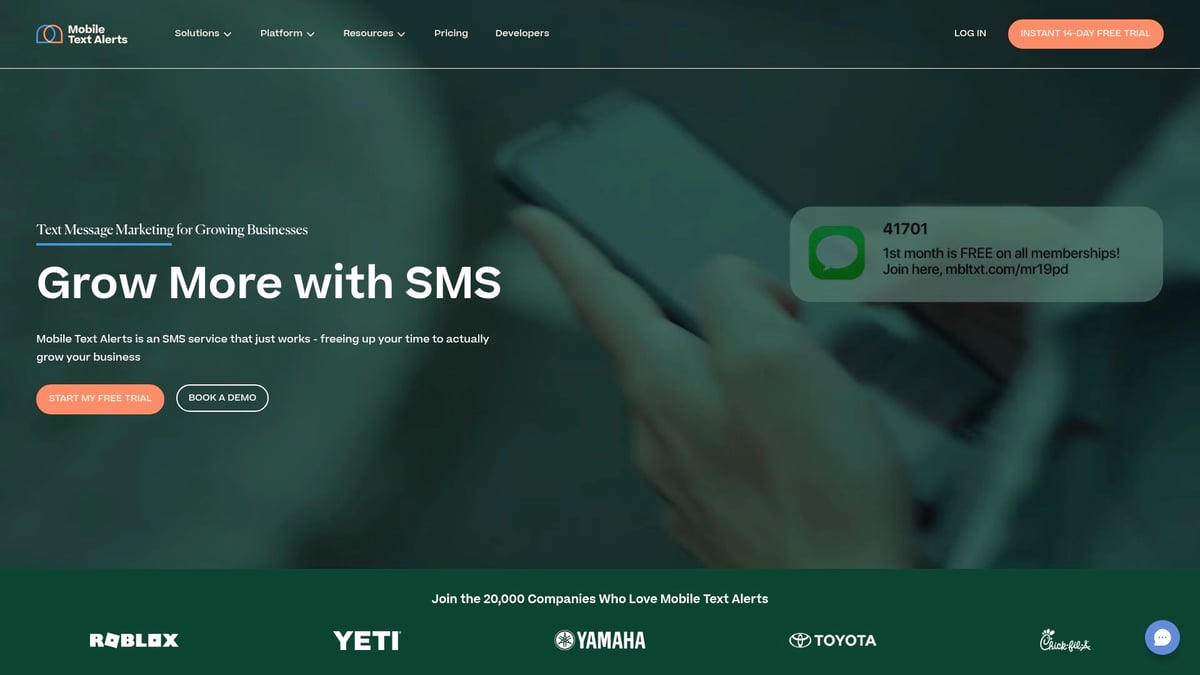
Features include automated SMS campaigns, drip sequences, two-way messaging, MMS, opt-in management through QR codes and web forms, analytics, and API/Zapier integrations. Setup is fast, and multiple opt-in methods support flexible audience growth.
Benefits:
- Direct, rapid communication channel
- Real-time reporting and analytics
- Multiple opt-in methods
Ideal for: Retailers, event organizers, and service providers needing instant reach.
Pros:
- Simple interface and setup
- Strong automation features
- Broad integration options
Cons:
- Limited design and customization
- Lacks some native integrations
Mobile Text Alerts holds a 4.6/5 G2 rating, with users praising its ease of use and support. For businesses prioritizing immediate outreach, it is among the best marketing platforms for SMS engagement.
MailerLite
MailerLite is one of the best marketing platforms for startups, creators, and small businesses entering the world of email marketing. The free plan covers up to 1,000 subscribers and 12,000 emails per month, with paid plans starting at $9.
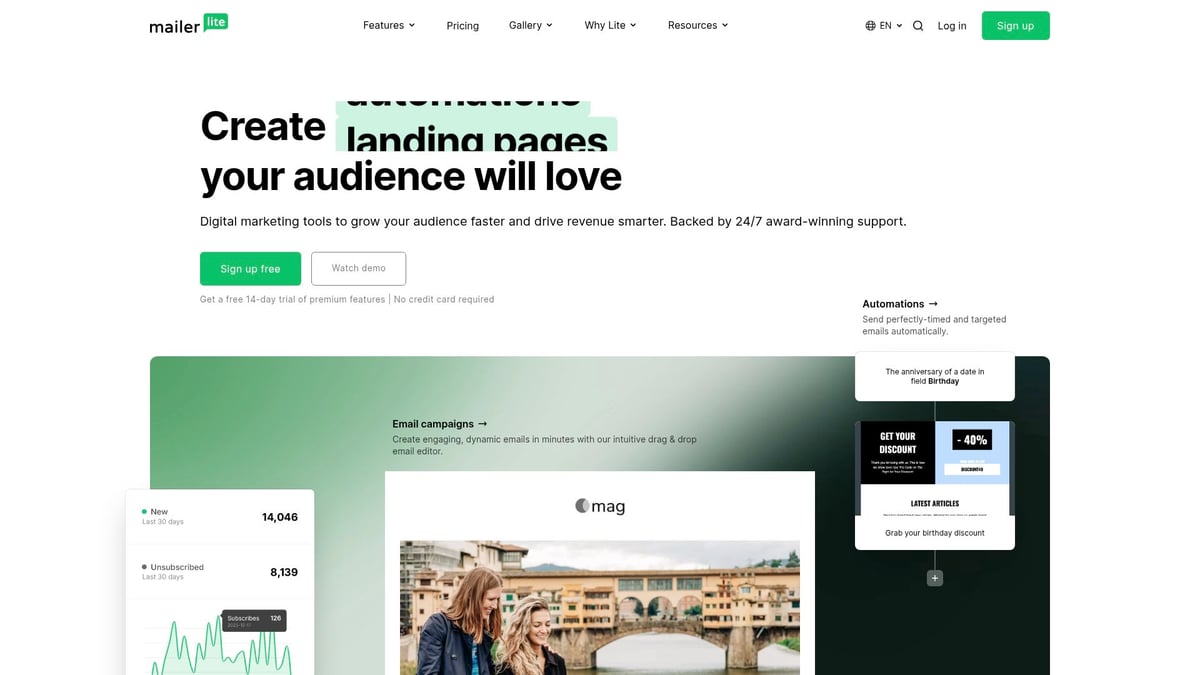
Features include a drag-and-drop email builder, automation, landing pages, forms, website builder, segmentation, and pre-designed templates. MailerLite is known for its beginner-friendly interface and generous free plan.
Benefits:
- Affordable entry point for new marketers
- Clean, simple interface
- Solid automation for SMBs
Ideal for: Startups, creators, and small businesses with basic email marketing needs.
Pros:
- Easy to use
- Good deliverability rates
- Strong value for the price
Cons:
- Fewer advanced features compared to enterprise tools
- Limited language support
MailerLite’s 4.5/5 G2 rating underscores its simplicity and value, positioning it as one of the best marketing platforms for those just starting to build their list.
Integrating and Maximizing Your Marketing Platform Investments
Successfully integrating the best marketing platforms into your business is the linchpin for unlocking their full potential. A strategic approach ensures you achieve both operational efficiency and measurable ROI.
Onboarding and Migration: Laying a Strong Foundation
Start by mapping your current martech ecosystem. Assess which data, workflows, and assets will transition to your new platform. Prioritize platforms that offer step-by-step onboarding, migration support, and clear documentation. This reduces downtime and ensures that the best marketing platforms deliver immediate value.
Before migration, clean your data and set up integrations with your CRM, analytics, and sales tools. Assign clear roles for team members to manage the transition, so nothing falls through the cracks.
Maximizing ROI: Harnessing Automation and Integration
To truly maximize ROI, leverage the automation capabilities of the best marketing platforms. Set up automated workflows for lead nurturing, segmentation, and campaign management. Integrate your platform with other tools to enable real-time data sharing and unified reporting.
According to AI’s impact on marketing technology in 2025, businesses using AI-driven automation and integrated analytics have seen drastic improvements in campaign efficiency and personalization. This shift allows your team to focus on creative strategy rather than manual tasks.
Team Training and Internal Alignment
Invest in comprehensive training to ensure your team is comfortable with the new platform’s features. Encourage cross-functional collaboration between marketing, sales, and customer service. Internal alignment is crucial for extracting the most value from the best marketing platforms and driving adoption.
Refining Campaigns with Analytics
Utilize built-in analytics dashboards to track performance, identify trends, and adjust your campaigns. Regularly monitor KPIs such as conversion rates, CAC, and engagement metrics. Use these insights to refine your strategies and justify marketing spend.
Combining Platforms for a Unified Martech Stack
Many businesses achieve the best results by combining several best marketing platforms into a unified stack. Connect tools for email, SMS, social, and analytics to create a seamless workflow. This enables marketers to centralize data, streamline processes, and deliver a consistent customer experience.
Ongoing Optimization: Audits, A/B Testing, and Feature Adoption
Regularly audit your martech stack to eliminate redundancies and ensure all integrations function smoothly. Run A/B tests on campaigns to uncover what resonates most with your audience. Stay proactive by adopting new features as platforms evolve, keeping your strategy future-proof.
Real-World Success: Lowering CAC Through Integration
For example, a SaaS company reduced its customer acquisition cost by 34% after integrating automation and advanced analytics tools. By combining the strengths of multiple platforms, they streamlined lead management and increased conversion rates.
Integrating and maximizing the best marketing platforms is not a one-time event. With ongoing optimization and a focus on automation, your business will be positioned to drive sustainable growth and stay ahead in the competitive digital landscape.
Future-Proofing Your Marketing Strategy: What to Watch in 2026 and Beyond
The future of digital marketing is unfolding at breakneck speed. If you want to stay ahead, you need to future-proof your strategy with the best marketing platforms. Let’s explore the key shifts that will define success in 2026 and beyond.
The AI Revolution in Marketing
Artificial intelligence is no longer a buzzword. In 2026, AI and machine learning are powering everything from campaign optimization to hyper-personalized customer journeys. The best marketing platforms are integrating AI to automate decision-making, predict customer behavior, and dynamically adjust messaging in real time.
For example, AI-driven personalization in marketing enables brands to adapt content and offers based on individual user actions, driving higher engagement and conversions. Platforms that leverage these capabilities will give businesses a competitive edge and help cut through market noise.
Data Privacy and the Power of First-Party Data
With privacy regulations tightening, third-party cookies are fading fast. The best marketing platforms now prioritize first-party data collection and privacy-centric marketing. This shift means brands must build direct relationships with customers, gathering data through sign-ups, subscriptions, and loyalty programs.
Platforms that offer robust consent management and data security features will be essential for compliance. Choosing tools that help you leverage first-party insights not only protects your business but also improves audience targeting and trust.
Conversational and Multichannel Engagement
The way customers interact with brands is evolving. Conversational marketing—think chatbots, SMS, and voice assistants—is becoming a core part of every customer journey. The best marketing platforms enable seamless conversations across multiple channels, letting you meet your audience wherever they are.
Adopting tools that support SMS, social messaging, and live chat ensures you never miss a touchpoint. This multichannel approach drives engagement, increases satisfaction, and boosts conversions as customers expect instant, personalized responses.
Preparing for New Channels and Platform Adaptability
Looking ahead, emerging formats like interactive video, AR, and VR will redefine engagement. Unified customer data platforms (CDPs) are rising in importance, letting you connect every interaction for a 360-degree customer view. The best marketing platforms must be flexible, supporting new channels and features as they arise.
Forward-thinking businesses are already leveraging platforms that can adapt to shifting trends. As highlighted in recent research on AI trends reshaping marketing in 2026, staying agile is key. Invest in solutions that evolve with technology to future-proof your marketing and outperform the competition.
If you’re serious about making 2026 your breakthrough year, it’s time to take action. You’ve just explored the best marketing platforms set to drive real results—but deciding what fits your unique goals can still feel overwhelming. That’s where expert advice makes all the difference. I’d love to help you map out a strategy tailored to your business, so you can leverage automation and AI for predictable, scalable growth. Let’s cut through the noise together and set you up for success—just Book a FREE Strategy Call and get personalized guidance to maximize your marketing ROI.