

The difference between businesses that struggle to convert leads and those that experience predictable revenue growth often comes down to one critical element: a systematic approach to guiding prospects through the buying journey. A sales funnel tool provides the infrastructure to automate, optimize, and scale this process, transforming how companies acquire and convert customers. In 2026, businesses that leverage these platforms gain a competitive advantage by turning cold prospects into ready-to-buy customers with minimal manual intervention. The right technology doesn't just track leads; it nurtures them, qualifies them, and delivers them to your sales team at the perfect moment.
Why Every Growth-Focused Business Needs a Sales Funnel Tool
Your marketing efforts generate interest, but without a structured system to capture and convert that interest, you're leaving revenue on the table. A sales funnel tool creates the bridge between initial awareness and final purchase, ensuring no potential customer falls through the cracks.
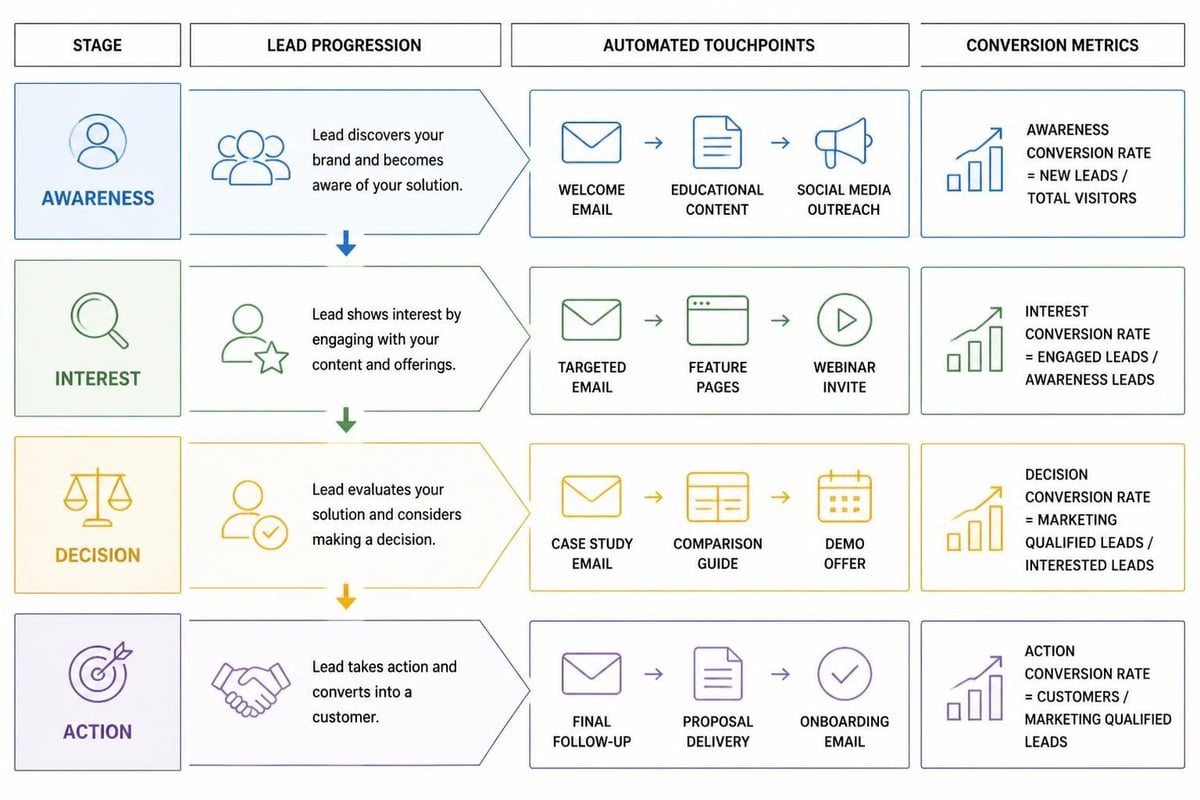
The stages of a sales funnel typically include awareness, interest, decision, and action. Each stage requires different messaging, content, and touchpoints to move prospects forward. Manual management of these stages becomes impossible as your business scales, leading to missed opportunities and inconsistent customer experiences.
Here's what makes a sales funnel tool indispensable in 2026:
- Automated lead capture from multiple channels
- Intelligent lead scoring and qualification
- Personalized communication sequences
- Real-time analytics and conversion tracking
- Integration with CRM and marketing platforms
Companies using dedicated funnel tools report conversion rate improvements of 30-50% compared to manual processes. This isn't just about efficiency; it's about creating a systematic approach that identifies what works and scales those winning strategies.
Essential Features That Define a Powerful Sales Funnel Tool
Not all funnel platforms deliver equal value. The most effective solutions combine lead capture, nurturing automation, and conversion optimization in a single ecosystem.
Landing Page Builders and Lead Magnets
Your funnel starts with capturing attention. Modern sales funnel tools include drag-and-drop builders that create high-converting landing pages without coding knowledge. These pages serve as entry points where visitors exchange contact information for valuable content, consultations, or offers.
The best platforms offer A/B testing capabilities, allowing you to experiment with headlines, images, and calls-to-action. Small changes in landing page design can produce dramatic conversion improvements-sometimes doubling opt-in rates.
Email and SMS Automation Sequences
Once a lead enters your funnel, consistent communication keeps your brand top-of-mind. Automation sequences deliver the right message at the right time based on prospect behavior and engagement levels.
Effective automation includes:
- Welcome sequences that establish credibility
- Educational content that addresses pain points
- Social proof and case studies
- Time-sensitive offers that create urgency
- Re-engagement campaigns for inactive leads
These sequences run 24/7, nurturing hundreds or thousands of leads simultaneously while maintaining a personalized feel. The best lead generation tools integrate behavioral triggers that adjust messaging based on how prospects interact with your content.
Advanced Analytics and Conversion Tracking
What gets measured gets improved. Comprehensive analytics reveal exactly where prospects drop off and which touchpoints drive conversions. This data becomes the foundation for continuous optimization.
| Metric | Why It Matters | Optimization Impact |
|---|---|---|
| Conversion Rate by Stage | Identifies bottlenecks in your funnel | 15-30% improvement potential |
| Cost Per Acquisition | Measures marketing efficiency | Reduces wasted ad spend |
| Lead Quality Score | Predicts likelihood to purchase | Improves sales team productivity |
| Time to Conversion | Shows buyer journey duration | Optimizes follow-up timing |
Modern platforms now incorporate AI-driven lead scoring that predicts which prospects are most likely to convert, allowing sales teams to focus their energy where it matters most.
Selecting the Right Sales Funnel Tool for Your Business Model
The market offers dozens of funnel platforms, each with different strengths and pricing models. Your choice should align with your specific business needs, technical capabilities, and growth objectives.
Consider Your Primary Use Case
Are you primarily focused on appointment booking, product sales, or lead generation? Different tools excel at different objectives. For businesses that rely on scheduled consultations or demos, prioritize platforms with integrated calendar functionality and automated reminder sequences.
Service-based businesses benefit from tools that emphasize relationship-building over immediate transactions. These platforms typically offer more sophisticated email marketing capabilities and CRM features.
E-commerce companies need shopping cart integration, upsell functionality, and payment processing. The right sales funnel tool should reduce friction in the purchase process while maximizing average order value through strategic offers.
Evaluate Integration Capabilities
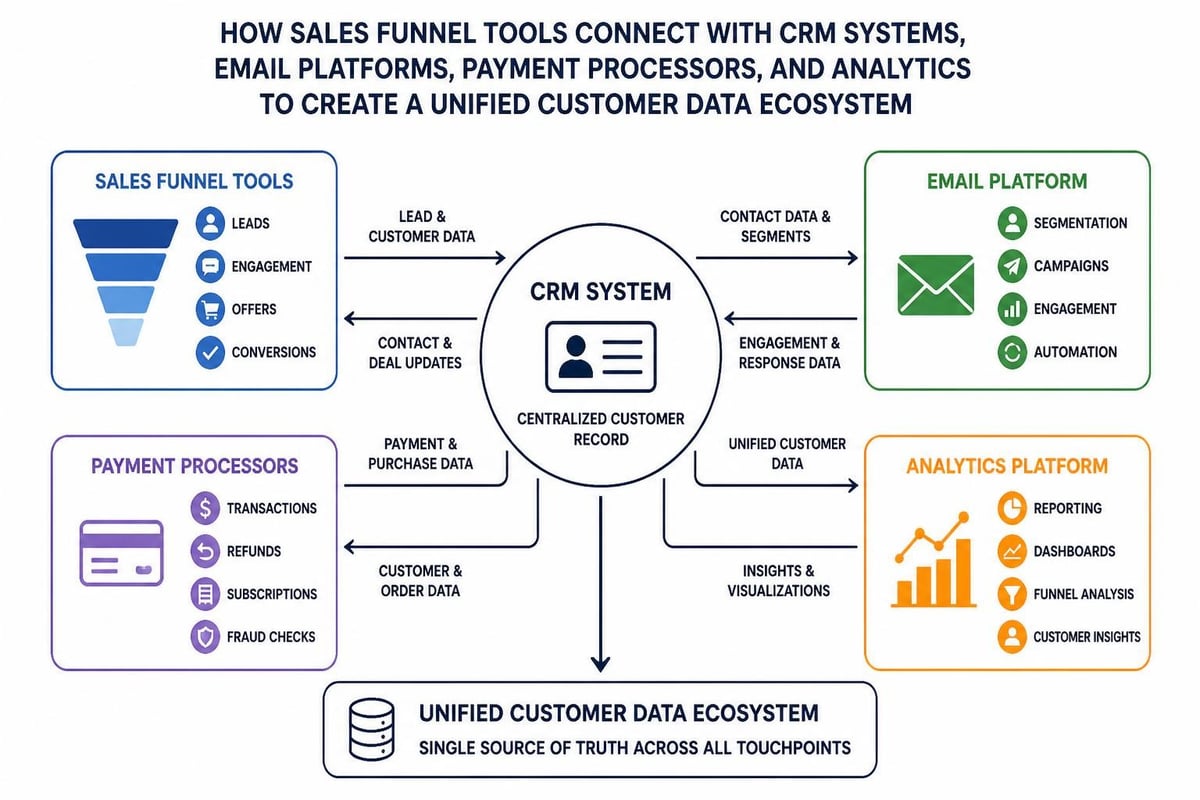
Your funnel tool doesn't exist in isolation. It needs to communicate seamlessly with your existing technology stack, including:
- Customer relationship management (CRM) systems
- Email marketing platforms
- Payment processors
- Webinar software
- Analytics tools
- Social media advertising platforms
Poor integration creates data silos and manual work that undermines the automation benefits. The most valuable platforms offer native integrations or robust API access that connects your entire marketing ecosystem.
When evaluating marketing platforms, test the integration process during trial periods. Some platforms promise connectivity but deliver clunky workarounds that create more problems than they solve.
Budget Versus Value Considerations
Pricing for sales funnel tools ranges from free basic plans to enterprise solutions costing thousands monthly. However, the cheapest option rarely delivers the best return on investment.
Compare total cost of ownership:
- Monthly platform fees
- Transaction fees on sales
- Additional costs for advanced features
- Development or design expenses
- Training and onboarding time
- Support and maintenance needs
A platform that costs $300 monthly but increases conversions by 40% delivers far more value than a $50 tool that only marginally improves results. Focus on revenue impact rather than upfront cost.
Implementation Strategies That Maximize Conversion Rates
Purchasing a sales funnel tool is just the first step. Strategic implementation determines whether you see marginal improvements or transformational results.
Map Your Customer Journey Before Building
The biggest mistake businesses make is jumping straight into funnel construction without understanding their customer's path to purchase. Start by documenting every touchpoint from initial awareness to final sale.
Ask critical questions:
- Where do prospects first discover your brand?
- What information do they need at each stage?
- What objections prevent them from moving forward?
- How long is the typical decision-making process?
- What triggers the final purchase decision?
This research informs your funnel structure, content strategy, and automation sequences. Generic templates rarely perform as well as funnels built around actual customer behavior and preferences.
For businesses focused on B2B leads, recognize that buying cycles are longer and involve multiple decision-makers. Your funnel must nurture relationships over weeks or months rather than pushing for immediate conversions.
Create Value-Driven Content for Each Stage
Content is the fuel that powers your funnel. Each piece should serve a specific purpose in moving prospects toward purchase.
Top of funnel (awareness):
- Educational blog posts
- Social media content
- Webinars and workshops
- Free tools or calculators
- Industry reports
Middle of funnel (consideration):
- Case studies and testimonials
- Product comparisons
- Demo videos
- Email courses
- Consultations
Bottom of funnel (decision):
- Pricing information
- ROI calculators
- Free trials
- Money-back guarantees
- Limited-time offers
Understanding your funnel system marketing approach ensures each piece of content serves a strategic purpose rather than creating random material that doesn't drive conversions.
Test, Measure, and Optimize Continuously
Your first funnel iteration won't be your best. Continuous testing and refinement separate good results from exceptional ones.
Start with these high-impact tests:
- Headline variations: Small wording changes can double opt-in rates
- Offer strength: Test different lead magnets to see what resonates
- Email subject lines: Open rates directly impact overall funnel performance
- Call-to-action placement: Button position and color affect click-through rates
- Sequence timing: Test different intervals between touchpoints
Track results rigorously and implement winners systematically. Even small improvements compound over time, leading to dramatic revenue increases.
The sales funnel software you choose should make testing simple through built-in A/B testing features and clear reporting dashboards.
Advanced Tactics for Sales Funnel Tool Power Users
Once you've mastered the basics, these advanced strategies can unlock additional revenue from your existing funnel infrastructure.
Implement Multi-Channel Retargeting
Prospects rarely convert on first contact. Retargeting keeps your brand visible across multiple platforms, reinforcing your message and bringing hesitant prospects back into your funnel.
Effective retargeting combines:
- Social media ads targeting website visitors
- Email sequences for abandoned carts or incomplete forms
- SMS reminders for scheduled appointments
- Direct mail for high-value prospects
Modern sales funnel tools integrate with advertising platforms to automatically create custom audiences based on funnel behavior. Someone who viewed your pricing page but didn't purchase receives different ads than someone who only visited your homepage.
This multi-touch approach recognizes that today's buyers interact with brands across numerous channels before making decisions. Your funnel must follow them wherever they go.
Leverage AI for Personalization at Scale
Artificial intelligence transforms sales funnel tools from simple automation platforms into intelligent systems that adapt to individual prospect behavior.
AI-powered capabilities include:
- Dynamic content that changes based on visitor demographics
- Predictive send-time optimization for emails
- Automated lead scoring that improves over time
- Chatbots that qualify leads and answer questions
- Recommendation engines for product suggestions
These technologies allow you to deliver personalized experiences to thousands of prospects simultaneously-something impossible with manual processes. Companies using AI in digital advertising and funnel management see conversion improvements of 25-40% compared to traditional approaches.
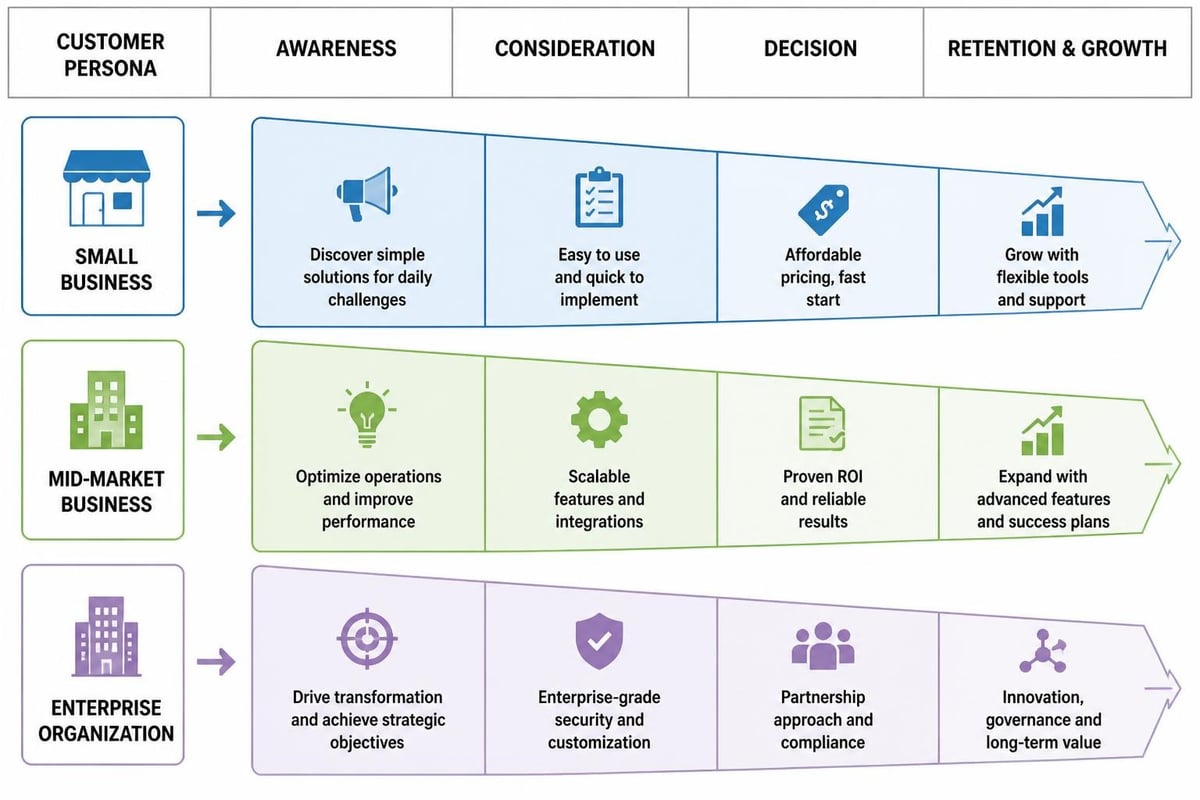
Build Segmented Funnels for Different Personas
Not all leads are created equal. Different customer segments have different needs, pain points, and decision-making processes.
Create separate funnel paths for:
- Company size (small business vs. enterprise)
- Industry verticals
- Geographic locations
- Product interests
- Budget levels
| Segment | Funnel Focus | Key Differentiator |
|---|---|---|
| Small Business | Quick wins, affordability | Fast implementation, low entry cost |
| Mid-Market | Scalability, ROI proof | Case studies, integration capabilities |
| Enterprise | Security, customization | White-glove service, dedicated support |
Segmented funnels convert at higher rates because messaging speaks directly to specific concerns and priorities. Your sales funnel tool should support multiple funnel creation and sophisticated tagging to route leads appropriately.
Common Pitfalls That Sabotage Funnel Performance
Even with powerful technology, certain mistakes undermine funnel effectiveness and waste marketing dollars.
Overcomplicating the Initial Funnel
Many businesses create elaborate multi-step funnels with dozens of decision points and conditional paths. This complexity makes management difficult and often confuses prospects.
Start simple. A basic three-stage funnel-capture, nurture, convert-outperforms a complicated fifteen-step sequence that's poorly executed.
Add complexity only after you've optimized the fundamentals and have data proving that additional steps improve conversions.
Neglecting Mobile Optimization
Over 60% of web traffic comes from mobile devices in 2026. If your funnel doesn't deliver an excellent mobile experience, you're losing half your potential customers.
Mobile optimization requirements:
- Fast loading times (under 3 seconds)
- Responsive design that adapts to screen size
- Large, tappable buttons
- Simplified forms with minimal required fields
- Mobile-friendly payment options
Test every funnel stage on multiple devices before launch. What looks great on desktop often fails on smartphone screens.
Ignoring the Human Element
Sales funnel tools automate processes, but they shouldn't eliminate the human touch. The most successful funnels blend automation with genuine relationship-building.
Include opportunities for personal interaction:
- Live chat during business hours
- Phone consultations for qualified leads
- Video messages from your team
- Personal follow-up for high-value prospects
This hybrid approach leverages efficiency while maintaining the authenticity that builds trust and closes deals.
Understanding the balance between automation and personalization is crucial for qualified leads that actually convert into customers.
Future Trends Shaping Sales Funnel Technology
The sales funnel tool landscape continues evolving rapidly. Staying ahead of these trends provides competitive advantages.
Conversational Marketing Integration
Chatbots and conversational interfaces are becoming standard funnel components. These tools qualify leads, answer questions, and schedule appointments without human intervention.
Next-generation platforms use natural language processing to understand intent and provide relevant responses. This creates immediate engagement that reduces abandonment and accelerates the buying process.
Predictive Analytics and Intent Signals
Advanced platforms now predict when prospects are ready to buy based on behavioral patterns and engagement signals. This allows sales teams to reach out at the optimal moment rather than following arbitrary timelines.
Intent data from third-party sources also feeds into modern funnels, identifying prospects who are actively researching solutions even before they visit your website.
Privacy-First Funnel Architecture
With increasing privacy regulations and the deprecation of third-party cookies, sales funnel tools are adapting to first-party data collection and ethical tracking methods.
This shift emphasizes value exchange-providing genuinely useful content and experiences in return for contact information and engagement data. Transparent data practices build trust while maintaining funnel effectiveness.
Measuring ROI and Proving Funnel Value
Executives and stakeholders want proof that your sales funnel tool investment delivers returns. Clear metrics demonstrate value and justify continued investment.
Calculate funnel ROI using these formulas:
- Revenue generated from funnel ÷ Total funnel costs = ROI multiple
- (Customers acquired × Average customer value) – Funnel expenses = Net profit
- Cost per acquisition through funnel vs. previous methods = Efficiency gain
Track these metrics monthly to identify trends and optimization opportunities. Most businesses see positive ROI within 3-6 months of implementing a well-designed funnel strategy.
Additionally, measure qualitative benefits:
- Sales team efficiency improvements
- Reduced time spent on unqualified leads
- Improved customer experience scores
- Faster sales cycles
These factors contribute to overall business health even when they're harder to quantify directly.
Exploring how to acquire leads more efficiently through automated funnels demonstrates clear value proposition to leadership teams.
Building a Culture of Funnel Optimization
Technology alone doesn't create results. Organizational commitment to continuous improvement amplifies your sales funnel tool's impact.
Establish regular optimization routines:
- Weekly: Review key metrics and identify anomalies
- Monthly: Conduct A/B tests on high-traffic funnel elements
- Quarterly: Analyze customer feedback and adjust messaging
- Annually: Audit entire funnel strategy against business goals
Involve multiple team members in funnel management. Marketers understand messaging, salespeople know customer objections, and customer service teams hear common questions. This cross-functional perspective creates more effective funnels.
Document what works and what doesn't. This institutional knowledge prevents repeating mistakes and allows new team members to quickly understand your funnel strategy.
The most successful companies treat their sales funnel tool as a competitive asset requiring ongoing investment and attention, not a set-it-and-forget-it solution.
The right sales funnel tool transforms how your business converts interest into revenue, creating predictable growth through systematic prospect nurturing and conversion optimization. By selecting a platform aligned with your business model, implementing strategic funnels backed by customer research, and continuously testing and refining your approach, you build a revenue engine that scales with your ambitions. Aletto specializes in leveraging advanced AI systems to create high-converting funnels that generate qualified leads and automate appointment bookings, transforming cold prospects into ready-to-buy customers through proven strategies and guaranteed growth partnerships. Let us help you build the funnel infrastructure that drives predictable revenue growth for your business.