


Building a successful business in 2026 requires more than just a great product or service. You need a steady stream of qualified prospects who are ready to engage with your brand. The difference between companies that scale predictably and those that struggle often comes down to one critical element: a well-executed lead generation strategy. This comprehensive guide will walk you through the essential components of creating a system that transforms cold contacts into qualified appointments, leveraging advanced automation and AI-powered tools to drive consistent growth while maintaining transparency and measurable results.
Understanding Modern Lead Generation Strategy Fundamentals
The landscape of lead generation has evolved dramatically. Today's buyers expect personalized experiences, instant responses, and value-driven interactions at every touchpoint. A robust lead generation strategy begins with understanding that you're not just collecting names and email addresses-you're initiating relationships with potential customers who have specific pain points your business can solve.
The core elements of an effective strategy include:
- Clear identification of your ideal customer profile
- Multiple touchpoints across different channels
- Automated systems that qualify and nurture prospects
- Data-driven decision making and continuous optimization
- Alignment between marketing and sales teams
Traditional approaches that rely solely on cold calling or mass email campaigns no longer deliver the results businesses need. Instead, successful companies are adopting sophisticated lead generation frameworks that combine technology, personalization, and strategic thinking.
Defining Your Ideal Customer Profile
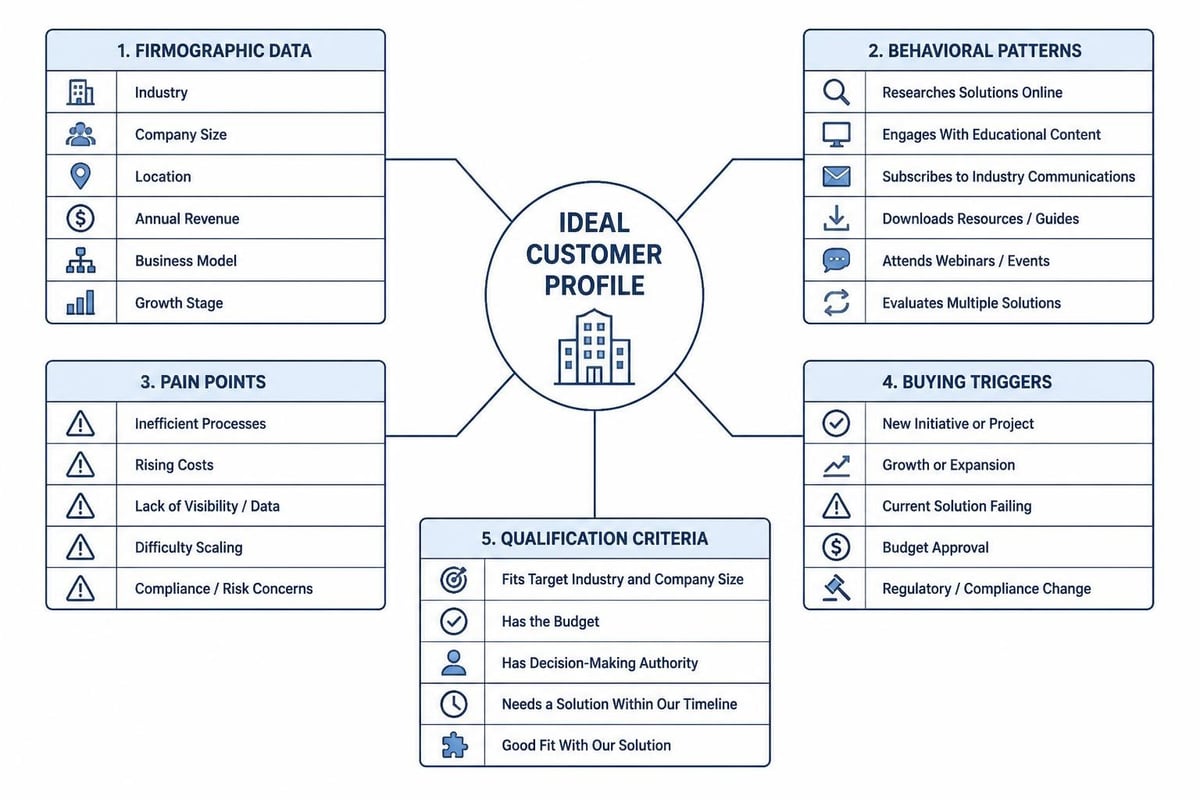
Before launching any campaign, you must know exactly who you're targeting. This goes beyond basic demographics. Your ideal customer profile should include firmographic data, behavioral patterns, pain points, and buying triggers. The more specific you can be, the more efficient your lead generation strategy becomes.
Consider factors like company size, industry vertical, technology stack, current challenges, and budget allocation. This information allows you to craft messaging that resonates and positions your solution as the obvious choice.
Multi-Channel Approach for Maximum Impact
Relying on a single channel is one of the biggest mistakes businesses make. Your prospects are active across multiple platforms, and your lead generation strategy should reflect that reality. The most successful campaigns in 2026 integrate several channels working in harmony.
| Channel | Primary Benefit | Best Use Case |
|---|---|---|
| LinkedIn Outreach | Professional targeting | B2B decision-makers |
| Email Campaigns | Scalable nurturing | Warm lead conversion |
| Paid Advertising | Quick visibility | Market testing |
| Content Marketing | Authority building | Long-term brand growth |
| Webinars/Events | Deep engagement | Complex solutions |
Research shows that companies using multi-channel marketing strategies achieve significantly higher conversion rates than those relying on single-channel approaches. The key is ensuring consistency across all touchpoints while adapting your message to each platform's unique characteristics.
Building a Cohesive Message Across Platforms
Your value proposition should remain consistent, but the delivery method needs customization. A LinkedIn message requires a different tone than a Facebook ad. Email sequences allow for longer-form storytelling, while paid search demands immediate clarity.
The most effective approach involves creating a content matrix that maps out how your core message translates across different channels and stages of the buyer journey. This ensures prospects receive reinforcing messages regardless of where they encounter your brand.
Leveraging AI and Automation for Scale
Manual lead generation simply cannot keep pace with the demands of modern business growth. AI-powered systems have revolutionized how companies identify, qualify, and nurture prospects. These technologies enable you to operate at a scale previously impossible while maintaining personalization.
Advanced automation capabilities include:
- Intelligent lead scoring based on behavioral data
- Dynamic content personalization
- Predictive analytics for timing optimization
- Automated appointment scheduling
- Real-time lead qualification
The integration of AI doesn't replace human connection-it enhances it by handling repetitive tasks and surfacing the highest-value opportunities. Your sales team can focus on meaningful conversations with prospects who are genuinely interested rather than wasting time on unqualified contacts. This approach to AI-powered advertising and lead generation delivers measurable results while reducing customer acquisition costs.
Implementing Smart Lead Scoring Systems
Not all leads are created equal. A sophisticated lead generation strategy incorporates scoring mechanisms that rank prospects based on their likelihood to convert. This involves tracking engagement metrics, demographic fit, behavioral signals, and explicit interest indicators.
By assigning numerical values to different actions and attributes, you can create a prioritization system that ensures your best opportunities receive immediate attention. For example, a prospect from your target industry who has visited your pricing page three times and downloaded a case study should score higher than someone who simply opened an email.
Content-Driven Lead Magnets That Convert
Your lead generation strategy must offer genuine value before asking for anything in return. High-quality content serves as the currency that persuades prospects to share their information and enter your funnel. The most successful companies in 2026 are creating assets that solve real problems and demonstrate expertise.
Effective lead magnets include:
- Industry-specific research reports with actionable data
- Interactive tools or calculators that provide instant value
- Comprehensive guides addressing major pain points
- Exclusive webinars with recognized experts
- Case studies showcasing measurable results
The key is ensuring your content directly relates to the solutions you provide. A spreadsheet automation expert offering Excel training help might create downloadable templates or formula libraries, while an eCommerce platform could offer conversion optimization checklists.
Optimizing Landing Pages for Maximum Conversion
Even the best lead magnet will fail if your landing page doesn't convert. Every element must work together to reduce friction and encourage action. This means clear headlines that communicate value, concise copy that addresses objections, compelling visuals, and prominent calls-to-action.
Testing different variations is essential. A/B testing headlines, form lengths, button colors, and page layouts reveals what resonates with your specific audience. Small improvements in conversion rates compound over time, dramatically impacting your overall lead volume.
Data-Driven Optimization and Performance Tracking
Your lead generation strategy should be built on metrics, not assumptions. Successful companies in 2026 track every aspect of their funnel, from initial impression through closed deal. This data reveals exactly where prospects drop off and which channels deliver the highest return on investment.
| Metric | Why It Matters | Target Benchmark |
|---|---|---|
| Cost Per Lead | Budget efficiency | Industry dependent |
| Conversion Rate | Campaign effectiveness | 2-5% average |
| Lead Quality Score | Sales-readiness | 70%+ qualified |
| Time to Conversion | Sales cycle length | Shorter is better |
| Customer Lifetime Value | Long-term profitability | 3x acquisition cost |
According to proven lead generation tactics for 2026, companies that consistently analyze and optimize based on data outperform competitors by significant margins. The insights gained from tracking allow you to double down on what works and eliminate what doesn't.
Creating Feedback Loops Between Sales and Marketing
The most effective lead generation strategy includes regular communication between teams. Sales professionals interact directly with prospects and understand which leads convert and why. This intelligence should flow back to marketing to refine targeting, messaging, and qualification criteria.
Weekly or bi-weekly alignment meetings ensure both teams share insights and adjust tactics based on real-world results. When marketing understands which lead characteristics predict successful sales conversations, they can optimize campaigns accordingly. When sales knows which content prospects find most valuable, they can use it more effectively in their outreach.
Advanced Tactics for Competitive Differentiation
As more companies adopt sophisticated lead generation systems, standing out requires innovation. The strategies that worked last year may already be losing effectiveness. Staying ahead means continuously experimenting with emerging channels and tactics.
Consider these advanced approaches:
- Account-based marketing targeting specific high-value companies
- Intent data monitoring to identify prospects actively researching solutions
- Conversational marketing using chatbots and live chat strategically
- Video personalization for outreach that cuts through inbox noise
- Community building to create owned audiences independent of paid channels
For businesses in specific verticals, specialized approaches yield better results. Companies focusing on IT lead generation might emphasize technical content and developer communities, while those targeting local markets would prioritize geographic targeting and proximity-based messaging.
Retargeting and Nurture Sequences
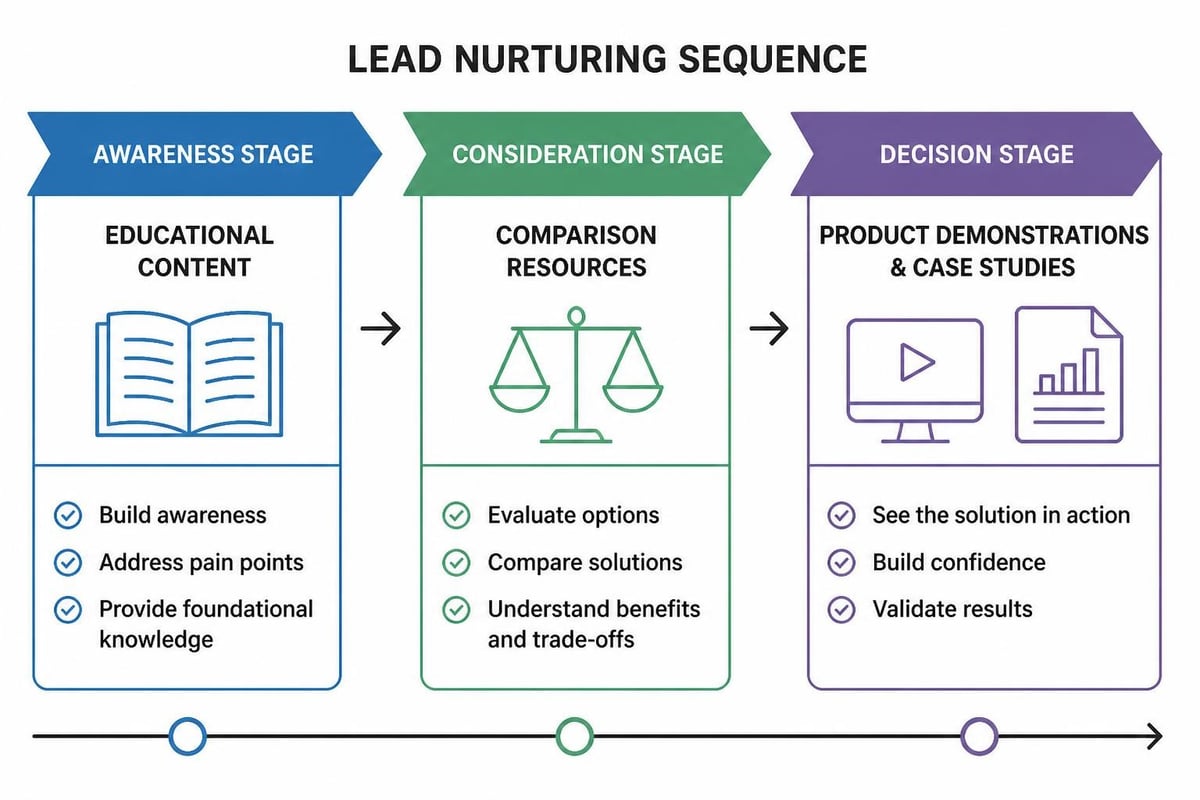
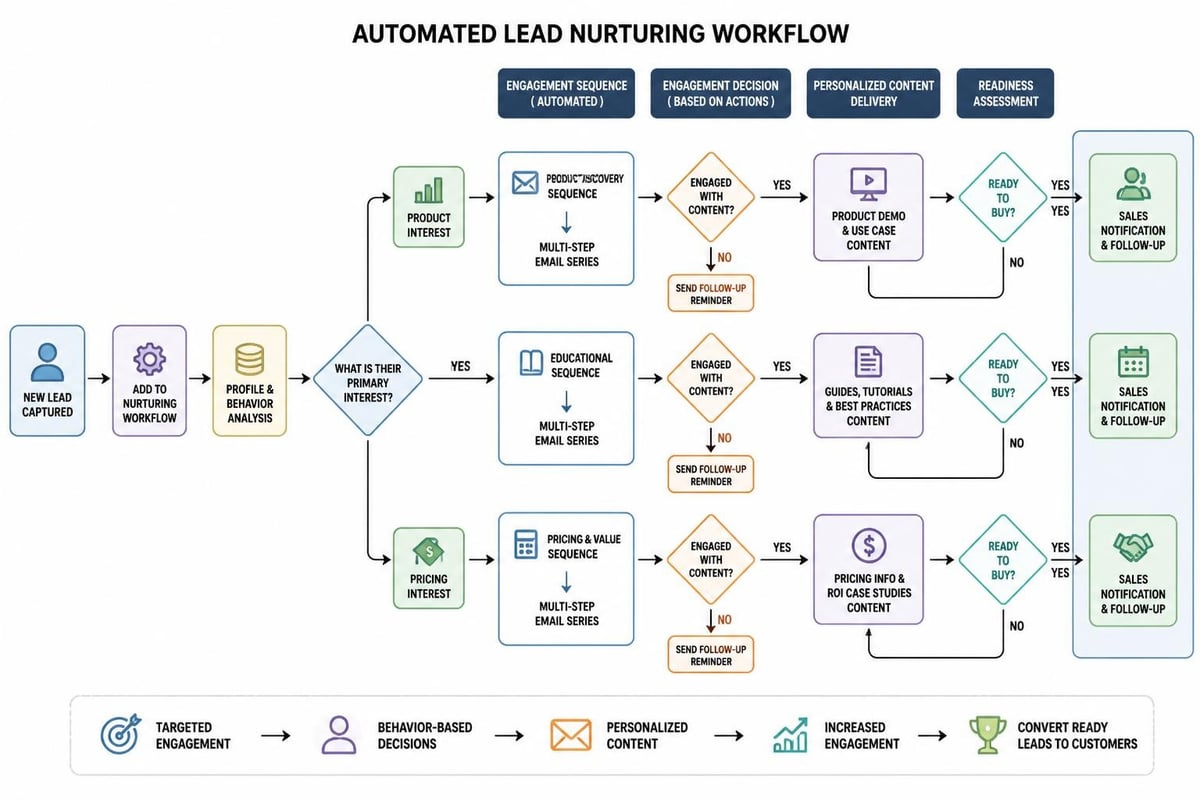
Most prospects aren't ready to buy on first contact. An effective lead generation strategy includes sophisticated nurture sequences that maintain engagement over time. This involves segmenting your audience based on behavior and delivering relevant content at appropriate intervals.
Retargeting campaigns keep your brand visible to prospects who have shown initial interest but haven't converted. By showing tailored ads to website visitors, content downloaders, or email openers, you dramatically increase the likelihood of eventual conversion. Best practices for B2B lead generation emphasize the importance of persistent yet non-intrusive follow-up across multiple touchpoints.
Integration and Technology Stack Considerations
Your lead generation strategy is only as strong as the tools supporting it. Building an integrated technology stack enables seamless data flow, automation, and reporting. The right combination of platforms eliminates manual work and ensures no leads fall through the cracks.
Essential components include:
- Customer Relationship Management (CRM) for centralized lead tracking
- Marketing automation platform for campaign execution
- Analytics tools for performance measurement
- Communication platforms for outreach and follow-up
- Integration middleware connecting disparate systems
For eCommerce businesses, specialized Shopify development can create seamless connections between your online store and lead generation systems, ensuring every visitor interaction is captured and leveraged. The goal is creating a unified system where data flows automatically between platforms, eliminating silos and enabling real-time decision-making.
Choosing Tools That Scale With Your Business
Many companies make the mistake of selecting tools based on current needs without considering future growth. Your lead generation strategy should anticipate expansion and ensure your technology can handle increased volume without requiring complete replacement.
Evaluate platforms based on scalability, integration capabilities, support quality, and total cost of ownership. Sometimes paying more upfront for enterprise-grade solutions proves more cost-effective than constantly switching tools as you grow.
Compliance and Ethical Considerations
With increasing data privacy regulations and consumer expectations around transparency, your lead generation strategy must prioritize compliance. Violations can result in significant fines and lasting damage to your reputation. More importantly, ethical practices build trust that translates into higher conversion rates.
Key compliance areas include:
- GDPR requirements for European prospects
- CAN-SPAM regulations for email marketing
- CCPA guidelines for California residents
- Industry-specific regulations (HIPAA, FINRA, etc.)
- Clear opt-in processes and easy unsubscribe options
Beyond legal requirements, consider the ethical implications of your tactics. Balancing inbound and outbound strategies means respecting prospect preferences and avoiding overly aggressive approaches that damage relationships before they begin.
Building Trust Through Transparency
The most successful lead generation strategy in 2026 emphasizes transparency at every stage. Be clear about what prospects receive when they share information. Honor unsubscribe requests immediately. Use data responsibly and communicate your privacy practices openly.
This approach may seem to limit short-term results, but it builds sustainable relationships that generate referrals and repeat business. Trust has become a competitive advantage in markets saturated with manipulative tactics.
Measuring Return on Investment
Ultimately, your lead generation strategy must deliver measurable business results. This means tracking not just lead volume but quality, conversion rates, and revenue impact. The most sophisticated companies calculate customer acquisition cost and lifetime value to understand true profitability.
| Stage | Metric | Calculation |
|---|---|---|
| Awareness | Impressions | Total ad views |
| Interest | Click-through Rate | Clicks / Impressions |
| Consideration | Lead Conversion | Forms / Visits |
| Intent | SQL Rate | Sales Qualified / Total Leads |
| Purchase | Win Rate | Deals Won / Opportunities |
Understanding these metrics at each stage of your demand funnel reveals exactly where optimization efforts should focus. If you're generating plenty of leads but few convert to sales, the problem likely lies in qualification or nurture processes rather than top-of-funnel awareness.
Attribution and Multi-Touch Analysis
Most B2B buyers interact with your brand multiple times across different channels before converting. Single-touch attribution models that credit only the first or last touchpoint fail to capture this reality. Advanced attribution analysis reveals how different channels work together to drive conversions.
This intelligence allows you to allocate budget more effectively, investing in channels that genuinely contribute to revenue rather than those that simply appear in the conversion path. The complexity of modern buyer journeys makes this analysis challenging but essential for optimizing your lead generation strategy.
Personalization at Scale
Generic outreach no longer works. Today's prospects expect messages tailored to their specific situation, industry, and challenges. The question isn't whether to personalize but how to do it efficiently across thousands of prospects.
Advanced segmentation enables you to create clusters of similar prospects who receive customized content. Dynamic content insertion automatically adjusts email copy, landing pages, and ad creative based on prospect attributes. AI-powered tools can even generate personalized video messages at scale.
The key is finding the right balance between personalization depth and operational efficiency. Personalizing the first line of an email based on LinkedIn activity creates meaningful connection without requiring hours per prospect. Understanding how to find and engage qualified leads helps you focus personalization efforts where they matter most.
Building a lead generation strategy that consistently delivers qualified prospects requires careful planning, the right technology, and continuous optimization based on data. The businesses that thrive in 2026 are those that combine multi-channel outreach, AI-powered automation, and genuine value creation to attract and convert their ideal customers. Aletto specializes in implementing these exact systems for companies ready to transform their lead generation results, providing guaranteed growth partnerships that align our success with yours through transparent, AI-driven strategies that generate qualified appointments and predictable revenue growth.