


Every business needs a steady stream of potential customers to survive and thrive. The ability to find that leads which convert into paying clients determines whether your company grows or stagnates. Yet most businesses struggle with inconsistent lead flow, wasting resources on outdated tactics that deliver minimal results. In 2026, the landscape has shifted dramatically, with AI-powered systems and data-driven strategies replacing guesswork and generic outreach. Understanding how to systematically identify, attract, and qualify the right prospects separates successful companies from those perpetually chasing their next sale.
The Modern Challenge of Lead Generation
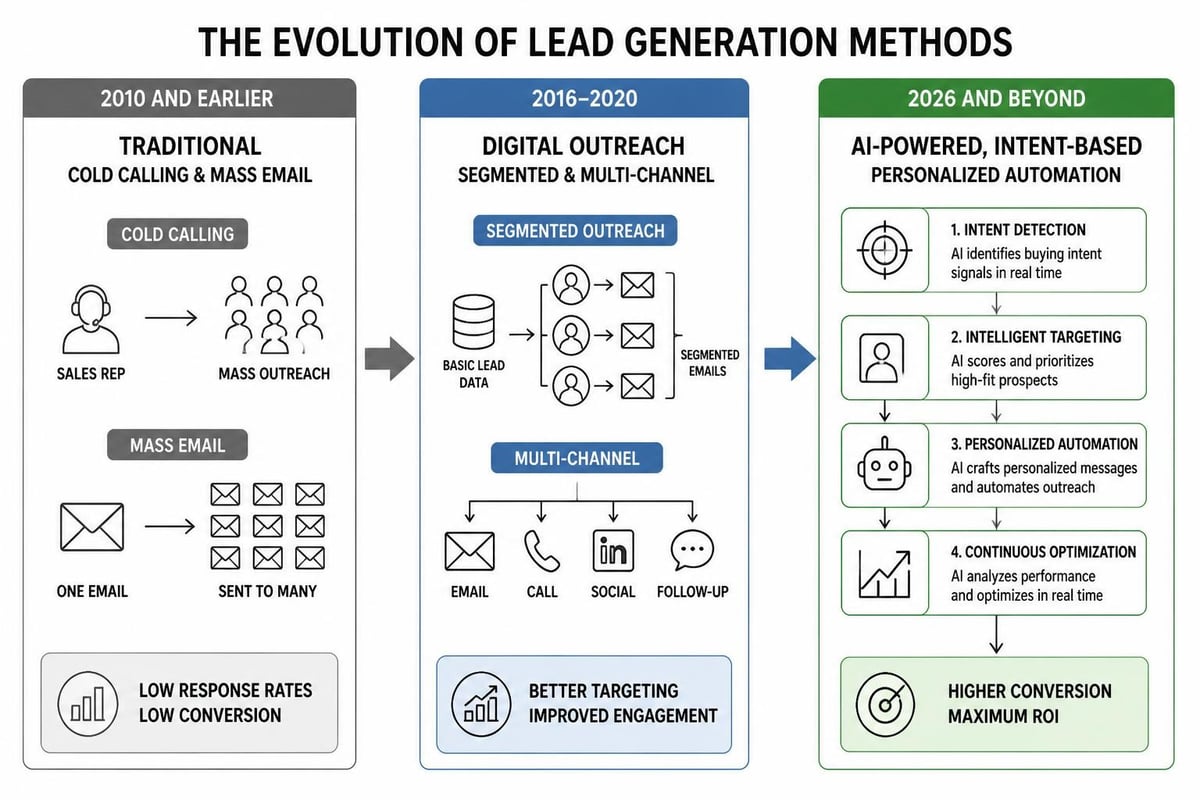
The traditional approach to finding leads no longer delivers the results it once did. Cold calling produces diminishing returns, generic email blasts land in spam folders, and potential customers have become expert at ignoring irrelevant marketing messages.
Today's buyers expect personalization, relevance, and value before they'll even consider a conversation.
According to lead generation statistics for 2026, 61% of marketers cite generating high-quality leads as their biggest challenge. This isn't because there aren't enough potential customers out there. The problem lies in the ability to find that leads who are genuinely interested in what you offer.
The solution requires a fundamental shift in thinking. Rather than casting the widest possible net and hoping something sticks, successful businesses now focus on precision targeting backed by sophisticated data analysis. They leverage AI systems to identify behavioral patterns, predict buyer intent, and deliver messages at exactly the right moment in the customer journey.
Why Traditional Methods Fail
Most companies continue using outdated playbooks that worked a decade ago but fall flat today:
- Generic outreach campaigns that ignore individual buyer needs
- Spray-and-pray tactics focused on volume over quality
- Lack of integration between marketing and sales systems
- Insufficient data analysis to understand what actually works
- No follow-up strategy for nurturing prospects over time
The businesses that excel at finding quality leads understand that effective lead generation requires a systematic approach built on data, technology, and genuine value delivery.
Strategic Frameworks to Find That Leads Convert
Success in lead generation starts with a clear framework that guides your entire approach. Without structure, even the best tactics become random acts of marketing that produce unpredictable results.
Building Your Ideal Customer Profile
Before you can find that leads who will actually buy, you need crystal clarity on who those people are. This goes far beyond basic demographics.
Your ideal customer profile should include:
- Industry and company size that matches your solution best
- Specific pain points your product or service solves
- Budget authority and decision-making power
- Technology stack and current solution landscape
- Buying signals that indicate readiness to purchase
Companies that invest time in developing detailed buyer personas see dramatically better results than those using generic targeting. When you understand exactly who you're looking for, every marketing dollar works harder.
Multi-Channel Orchestration
No single channel dominates lead generation in 2026. The most successful strategies combine multiple touchpoints into a cohesive system. According to Salesforce’s lead generation guide, companies using coordinated multi-channel campaigns see 38% higher conversion rates.
| Channel | Best Use Case | Average Conversion Rate | Investment Level |
|---|---|---|---|
| LinkedIn Outreach | B2B decision-makers | 2.74% | Medium |
| Email Marketing | Nurturing existing contacts | 1.8% | Low |
| Paid Search | High-intent prospects | 3.5% | High |
| Content Marketing | Long-term authority building | 2.9% | Medium |
| AI-Powered Automation | Qualification and routing | 5.2% | High |
The key isn't just using multiple channels, but creating a synchronized experience where each touchpoint reinforces the others. When someone engages with your content, sees your LinkedIn message, and then receives a perfectly timed email, the cumulative effect multiplies your success rate.
Intent Data and Behavioral Signals
Modern systems to find that leads leverage behavioral data to identify prospects actively researching solutions. Rather than interrupting people who aren't ready to buy, intent data helps you reach prospects at the exact moment they're considering a purchase.
Intent signals include:
- Website visits to specific product or pricing pages
- Downloads of comparison guides or case studies
- Engagement with competitor content
- Job postings that suggest new initiatives
- Technology installations indicating readiness for your solution
Companies specializing in professional lead generation services now build entire strategies around these signals, dramatically improving qualification rates and shortening sales cycles.
AI-Powered Systems That Transform Lead Discovery
Artificial intelligence has revolutionized how businesses find that leads who are ready to buy. What once required armies of sales development representatives now happens automatically, with greater accuracy and consistency.
Predictive Lead Scoring
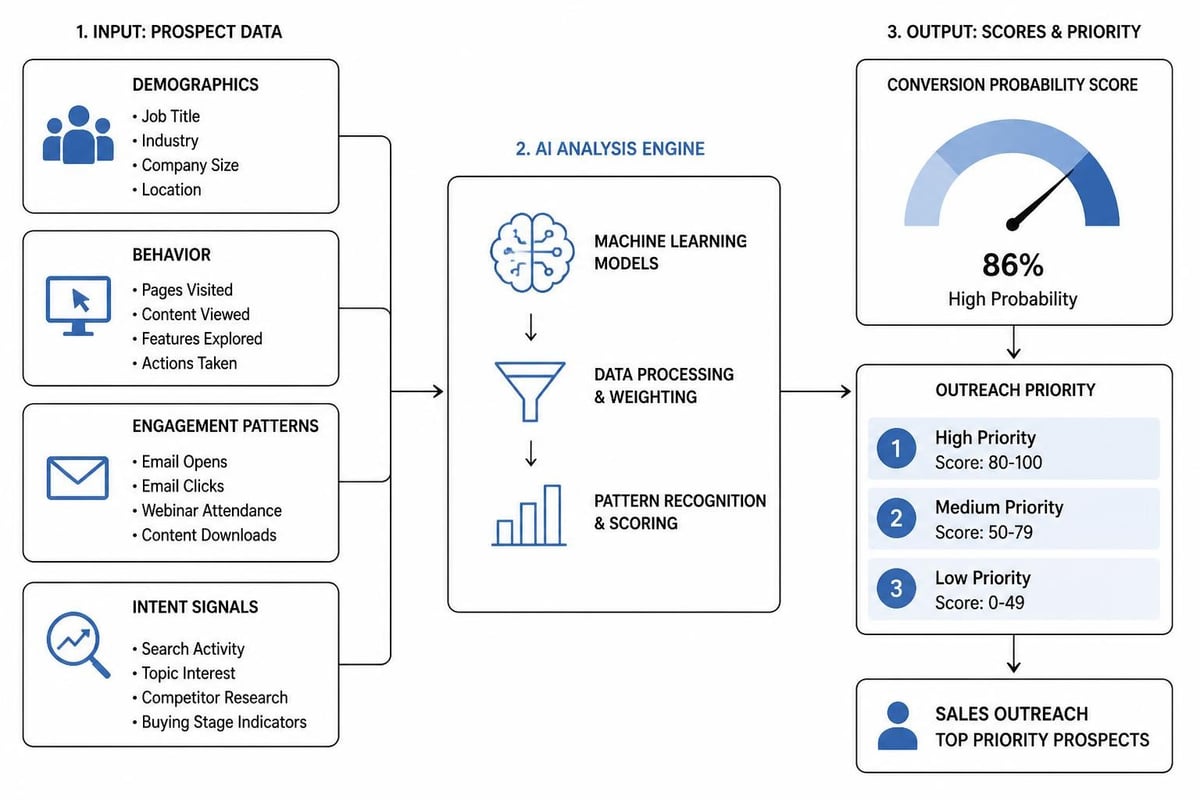
AI systems analyze thousands of data points to predict which prospects are most likely to convert. This goes far beyond simple demographic scoring to include behavioral patterns, engagement history, and similarities to your best existing customers.
When you implement predictive scoring, your sales team stops wasting time on low-probability prospects and focuses exclusively on opportunities with genuine potential. This efficiency gain alone often justifies the entire technology investment.
Automated Qualification and Routing
The most sophisticated lead generation systems now handle initial qualification conversations automatically. AI chatbots engage prospects, ask qualifying questions, and route high-value leads to the appropriate sales representative based on territory, expertise, and availability.
This automation ensures that every lead receives immediate attention while your human team focuses on high-value sales conversations. According to research on B2B lead generation strategies, companies using automated qualification see 43% faster response times and 28% higher conversion rates.
Personalization at Scale
Perhaps AI's greatest contribution to lead generation is enabling true personalization across thousands of prospects simultaneously. Modern systems analyze each prospect's industry, role, challenges, and behavior to craft messages that feel individually written.
This personalization extends across:
- Email subject lines and body content
- LinkedIn outreach messages
- Landing page experiences
- Follow-up sequences and timing
- Content recommendations
When prospects receive communications that directly address their specific situation, engagement rates skyrocket. The ability to find that leads respond to personalized outreach separates growing companies from those struggling with generic campaigns.
Proven Tactics That Generate Qualified Prospects
Theory matters, but execution determines results. These proven tactics help businesses consistently find that leads who become paying customers.
Strategic Content Marketing
Content remains one of the most effective long-term strategies for attracting qualified leads. But in 2026, simply publishing blog posts isn't enough. Successful content strategies focus on answering specific questions at each stage of the buyer journey.
Create content that addresses:
- Awareness stage: Educational content about problems your prospects face
- Consideration stage: Comparison guides and solution frameworks
- Decision stage: Case studies, ROI calculators, and product demos
When you build comprehensive content libraries optimized for search and shareability, you create a self-sustaining system that continuously attracts new prospects. This approach to demand generation builds long-term competitive advantages that compound over time.
Outbound Prospecting With Intelligence
While inbound marketing builds awareness, outbound prospecting accelerates growth by proactively reaching ideal customers. The key difference between spam and effective outreach lies in research and personalization.
Modern outbound sequences include:
- Deep research on each prospect's specific situation
- Reference to recent company news or industry trends
- Clear value proposition tailored to their challenges
- Multi-touch campaigns across email and social platforms
- Persistence without being annoying
Companies that master intelligent outbound prospecting find that leads respond at rates 10-15 times higher than generic campaigns. The investment in research and customization pays dividends through dramatically improved conversion rates.
Partnership and Referral Programs
Your existing customers and strategic partners represent one of the highest-quality sources of new leads. People trust recommendations from peers far more than marketing messages.
| Referral Source | Conversion Rate | Customer Lifetime Value | Acquisition Cost |
|---|---|---|---|
| Direct customer referrals | 8.2% | 3.7x higher | 75% lower |
| Partner referrals | 6.5% | 2.9x higher | 60% lower |
| General inbound | 2.3% | Baseline | Baseline |
| Cold outbound | 1.1% | 0.9x baseline | 2.5x higher |
Building systematic referral programs requires incentivizing and making it easy for advocates to recommend you. The best programs provide templates, tracking links, and meaningful rewards that encourage ongoing participation.
Leveraging Events and Webinars
Live events-whether virtual or in-person-create concentrated opportunities to find that leads who are actively engaged with your topic. A well-executed webinar can generate hundreds of qualified contacts in a single hour.
Successful event strategies include:
- Topics addressing urgent challenges in your market
- Guest speakers who bring their own audiences
- Interactive elements encouraging participation
- Clear calls-to-action without heavy selling
- Sophisticated follow-up sequences for attendees and no-shows
The key is treating events as the beginning of a relationship, not a one-time pitch. Nurture attendees with relevant content and personalized outreach based on their engagement level and specific interests.
Measurement and Optimization for Continuous Improvement
You can't improve what you don't measure. The most successful lead generation programs track metrics obsessively and continuously optimize based on data.
Critical Metrics to Monitor
Different metrics matter at different stages of your lead generation funnel. Focus on these key indicators:
Top of Funnel:
- Traffic volume and sources
- Content engagement rates
- Email list growth
- Social media reach and engagement
Middle of Funnel:
- Lead capture conversion rates
- Lead quality scores
- Engagement with nurture campaigns
- Time spent with sales content
Bottom of Funnel:
- SQL (Sales Qualified Lead) conversion rate
- Sales cycle length
- Customer acquisition cost
- Win rate by lead source
When you understand which channels and tactics produce the highest-quality leads at the lowest cost, you can systematically shift resources toward what works. This data-driven approach to acquiring leads eliminates guesswork and builds predictable revenue growth.
Testing and Iteration
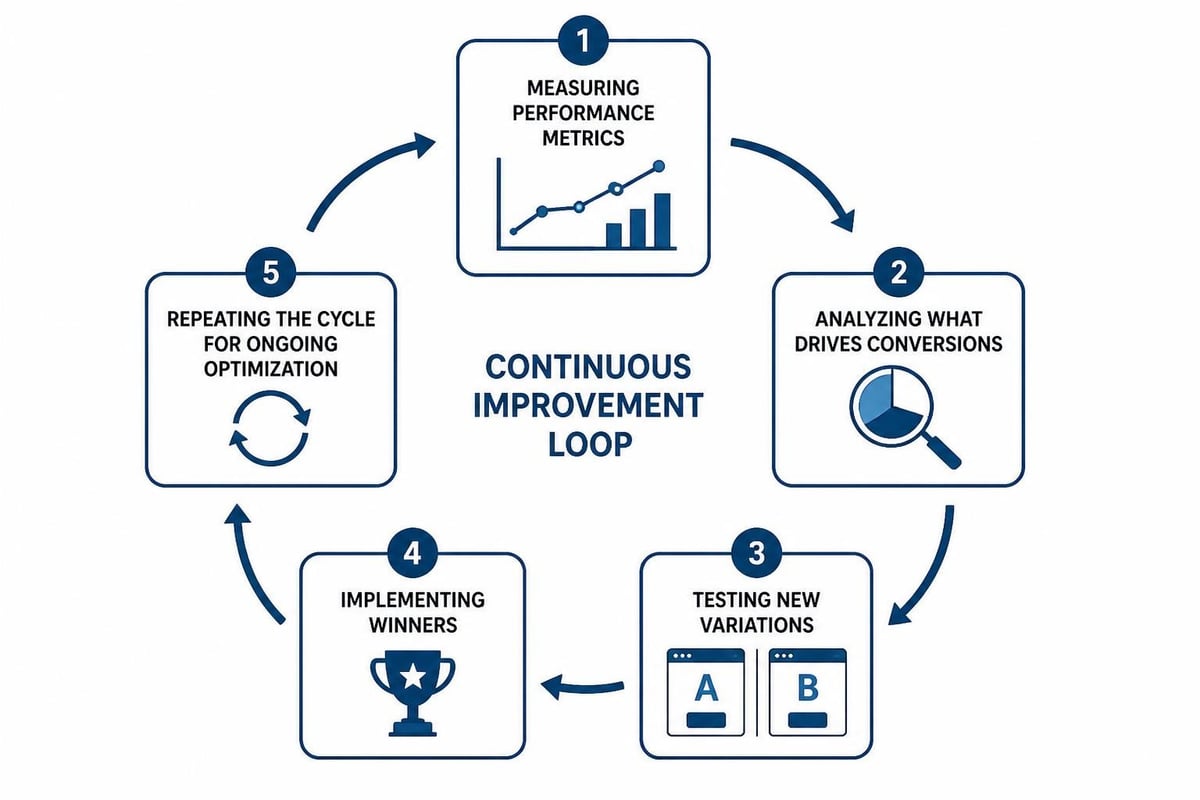
The most successful companies treat lead generation as an ongoing experiment. They constantly test new approaches, measure results, and double down on winners while eliminating tactics that don't perform.
Areas to test systematically:
- Email subject lines and messaging
- Landing page design and copy
- Offer types and value propositions
- Audience targeting and segmentation
- Follow-up timing and frequency
Even small improvements compound over time. A 10% increase in conversion rate across multiple touchpoints can double your overall lead generation effectiveness within months.
Technology Stack Essentials
The right technology infrastructure makes it dramatically easier to find that leads and convert them into customers. Modern lead generation requires integration across multiple systems working in harmony.
Core System Components
Customer Relationship Management (CRM):
Your CRM serves as the central database for all prospect and customer information. Choose a system that integrates easily with your other tools and provides robust reporting capabilities.
Marketing Automation Platform:
Automation tools orchestrate multi-touch campaigns, score leads based on behavior, and ensure timely follow-up. These systems turn manual processes into scalable operations that work 24/7.
Analytics and Attribution:
Understanding which touchpoints contribute to conversions requires sophisticated attribution modeling. Modern analytics platforms track the entire customer journey across channels and devices.
AI and Enrichment Tools:
Data enrichment services automatically append valuable information to lead records, while AI tools predict conversion probability and suggest optimal next actions.
Companies working with specialized lead generation agencies benefit from pre-integrated technology stacks optimized for maximum performance without the complexity of building custom systems.
Integration and Data Flow
Technology only delivers value when systems communicate seamlessly. Proper integration ensures that:
- Leads captured on your website instantly appear in your CRM
- Email engagement triggers appropriate follow-up sequences
- Sales activities update marketing databases in real-time
- Attribution data flows back to inform campaign optimization
The investment in proper integration pays dividends through improved efficiency, better data quality, and faster response times.
Building a Sustainable Lead Generation Engine
One-off campaigns deliver temporary results. Sustainable growth requires building systematic processes that consistently find that leads who convert into customers.
Creating Standard Operating Procedures
Document every aspect of your lead generation process so it can be repeated, delegated, and improved. Standard operating procedures ensure consistency regardless of who executes the tasks.
Document these processes:
- Target audience research and ideal customer profiling
- Content creation and optimization workflows
- Outreach sequence templates and customization guidelines
- Lead qualification criteria and handoff procedures
- Performance measurement and reporting schedules
When processes are documented, new team members ramp up faster, quality remains consistent, and identifying improvement opportunities becomes easier.
Team Structure and Responsibilities
Successful lead generation requires coordination across multiple functions. Clear role definition prevents gaps and overlap.
| Role | Primary Responsibilities | Key Metrics |
|---|---|---|
| Marketing Operations | Campaign execution, technology management | Campaign ROI, system uptime |
| Content Team | Educational resources, thought leadership | Engagement rates, organic traffic |
| Sales Development | Outbound prospecting, initial qualification | Connect rates, SQLs generated |
| Account Executives | Deal progression, revenue closure | Win rate, deal size, cycle length |
| Data Analyst | Performance measurement, optimization recommendations | Forecast accuracy, attribution insights |
Different companies structure teams differently based on size and market, but clarity around who owns what prevents critical tasks from falling through cracks.
Scaling What Works
Once you identify tactics that consistently produce results, the challenge becomes scaling them without proportional cost increases. This is where automation, outsourcing, and process optimization create competitive advantages.
Look for opportunities to:
- Automate repetitive tasks through technology
- Build templates and frameworks that reduce creation time
- Outsource specialized activities to experts
- Create content libraries that sales teams can repurpose
- Develop training programs that accelerate new hire productivity
The goal is building a lead generation machine that becomes more efficient as it grows, not one that requires linear resource increases for linear output gains.
Common Pitfalls and How to Avoid Them
Even experienced marketers make mistakes that undermine lead generation effectiveness. Awareness of these pitfalls helps you avoid expensive detours.
Prioritizing Volume Over Quality
The temptation to maximize lead count at the expense of lead quality destroys sales team productivity and damages brand reputation. According to research on B2B sales leads, sales teams waste 50% of their time on unqualified prospects when marketing prioritizes volume metrics.
Instead, focus on:
- Qualification criteria that align with actual buying patterns
- Conversion rates and revenue generated, not just lead counts
- Sales team feedback on lead quality
- Customer lifetime value by acquisition source
When you optimize for quality rather than quantity, sales cycles shorten, win rates improve, and customer satisfaction increases.
Neglecting Lead Nurturing
Most leads aren't ready to buy immediately. Companies that give up after initial non-response leave massive revenue on the table. Research shows that 80% of sales require five or more follow-up touchpoints, yet most salespeople stop after two attempts.
Build nurturing sequences that:
- Provide ongoing value through educational content
- Stay top-of-mind without being pushy
- Respond to behavioral signals with relevant next steps
- Gradually build relationship and trust over time
- Re-engage cold leads with new angles and offers
Systematic nurturing transforms initial interest into eventual sales, dramatically improving return on acquisition investment.
Ignoring Data and Analytics
Flying blind leads to wasted budgets and missed opportunities. Yet many companies fail to implement proper tracking and measurement systems. Without data, you can't answer basic questions like which channels produce the best leads or what content drives conversions.
Invest in analytics infrastructure from the start. The insights you gain will pay for the technology investment many times over through improved resource allocation and campaign optimization.
Failing to Align Sales and Marketing
When marketing and sales operate in silos, lead generation suffers. Marketing generates leads that sales considers unqualified, while sales complains about insufficient lead flow without providing useful feedback.
Create alignment through:
- Joint definition of lead qualification criteria
- Regular meetings to review pipeline and feedback
- Shared goals and metrics that encourage collaboration
- Technology integration that provides visibility across teams
- Service level agreements defining response times and follow-up
When marketing and sales work as partners rather than separate departments, the ability to find that leads and convert them improves dramatically.
The strategies and systems outlined here provide a comprehensive framework for businesses that want to consistently find that leads who become valuable customers. Success requires combining technology, process, and expertise into a coordinated approach that attracts, qualifies, and converts the right prospects at scale. Rather than cobbling together disconnected tactics, partnering with specialists who live and breathe lead generation accelerates results while minimizing expensive trial and error. Aletto combines advanced AI systems with proven strategies to build predictable lead generation engines that transform your growth trajectory-let's build yours together.