
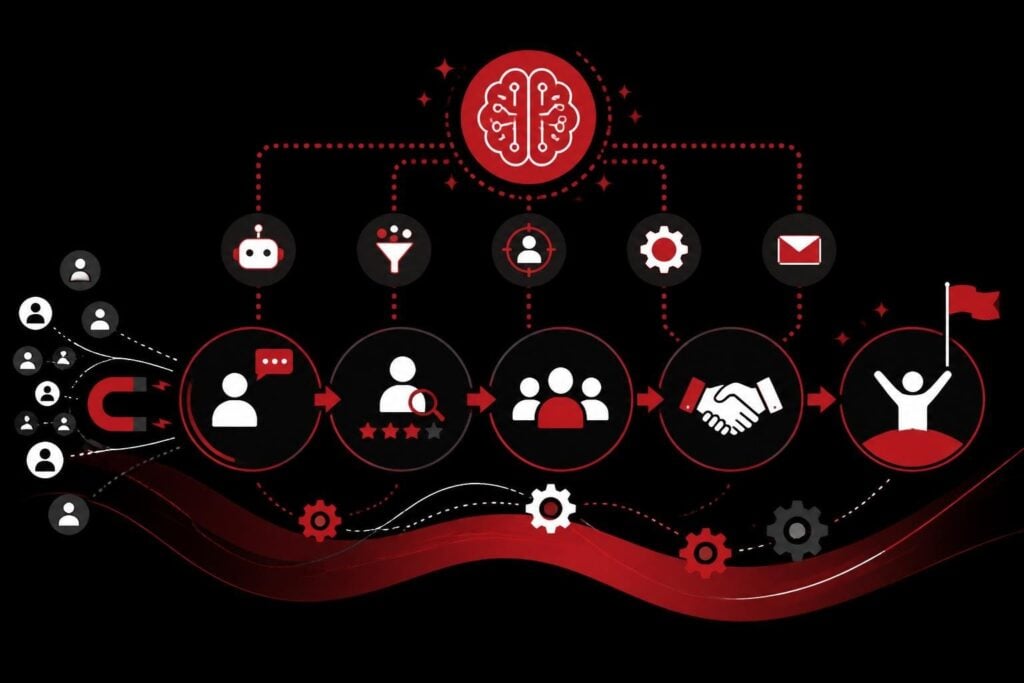
Every business faces the same fundamental challenge: converting interested prospects into paying customers efficiently and predictably. The difference between companies that struggle and those that scale comes down to one critical factor-how well they manage their leads flow. This systematic approach to handling prospects from first contact through conversion determines whether your sales pipeline produces consistent revenue or unpredictable results. Understanding and optimizing your leads flow isn't just beneficial; it's essential for sustainable business growth in 2026.
What Leads Flow Really Means for Your Business
Leads flow represents the continuous movement of prospects through your sales pipeline, from initial awareness to final purchase decision. Think of it as the circulatory system of your revenue engine-when it works smoothly, every part of your business receives the oxygen it needs to thrive.
The anatomy of effective leads flow includes:
- Capturing contact information from multiple sources
- Qualifying prospects based on predetermined criteria
- Distributing leads to the right salespeople at the right time
- Tracking engagement and interaction at every touchpoint
- Nurturing prospects who aren't ready to buy immediately
- Converting qualified leads into customers
This comprehensive approach to lead flow management ensures no opportunity falls through the cracks. When you master the flow, you transform unpredictable revenue into a predictable growth machine.
The Real Cost of Poor Leads Flow
Most businesses lose 50-70% of their potential revenue simply because leads get stuck, ignored, or mishandled. Your marketing team might be generating hundreds of prospects, but without proper flow management, these opportunities evaporate faster than morning dew.
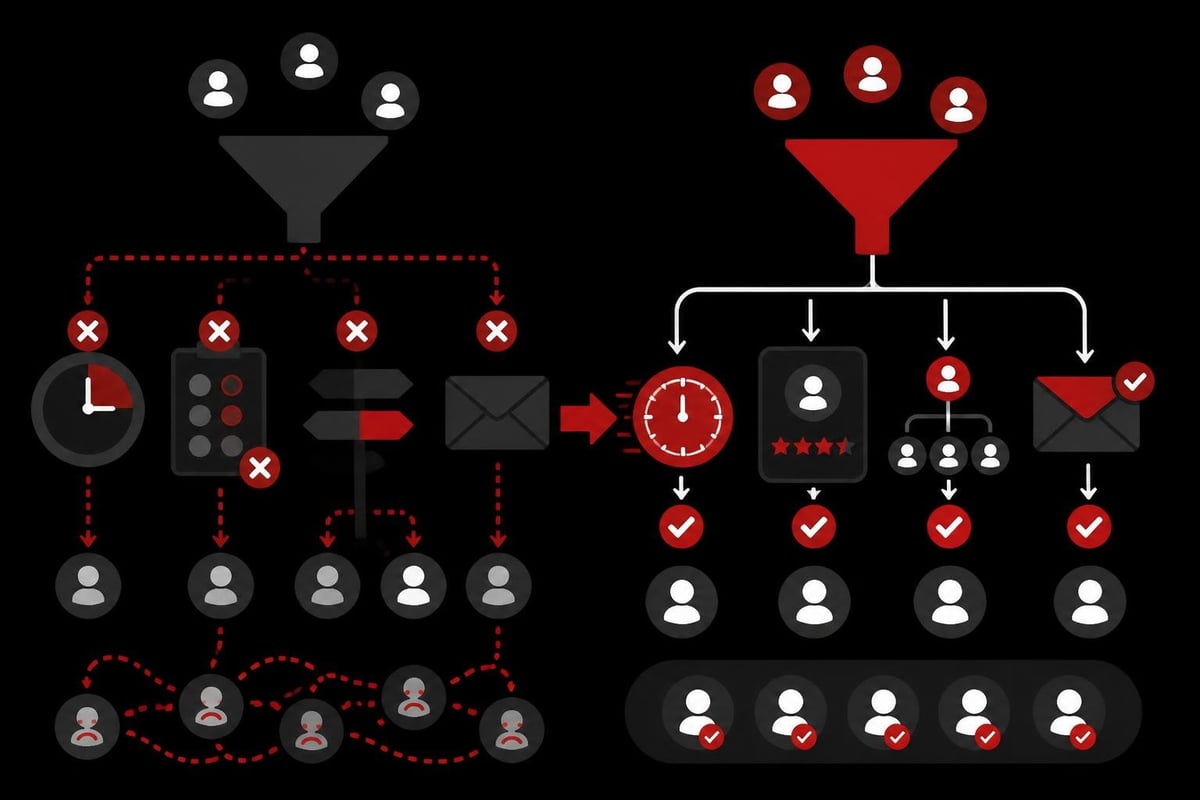
Consider what happens when leads flow breaks down. A prospect fills out a form on your website at 2 PM on Tuesday. They're genuinely interested, ready to learn more, maybe even prepared to buy. But your system doesn't notify anyone. Or worse, it routes the lead to a salesperson who's on vacation. By the time someone reaches out three days later, that prospect has already engaged with your competitor who responded in fifteen minutes.
Building an Unbreakable Leads Flow System
Creating a robust leads flow system requires strategic thinking about every stage of your pipeline. You can't simply throw leads at your sales team and hope for the best. Effective B2B lead generation demands a systematic approach that treats every prospect as a valuable asset deserving immediate attention.
Speed-to-Lead: Your Competitive Advantage
Research consistently shows that companies responding to leads within five minutes are 100 times more likely to connect than those waiting thirty minutes. This isn't hyperbole-it's mathematical certainty backed by millions of data points. Your leads flow system must prioritize immediate engagement above almost everything else.
Implement these speed-to-lead strategies:
- Automated notifications that ping sales reps the instant a lead enters your system
- Round-robin distribution that ensures every prospect gets immediate attention
- AI-powered chatbots that engage prospects while human sales reps prepare
- Mobile alerts that reach salespeople regardless of location
The logistics industry has learned this lesson well. Companies like Automate-X demonstrate how automation accelerates processes-the same principle applies to leads flow. Just as warehouse automation removes bottlenecks in physical goods movement, sales automation eliminates delays in prospect engagement.
Lead Routing That Actually Works
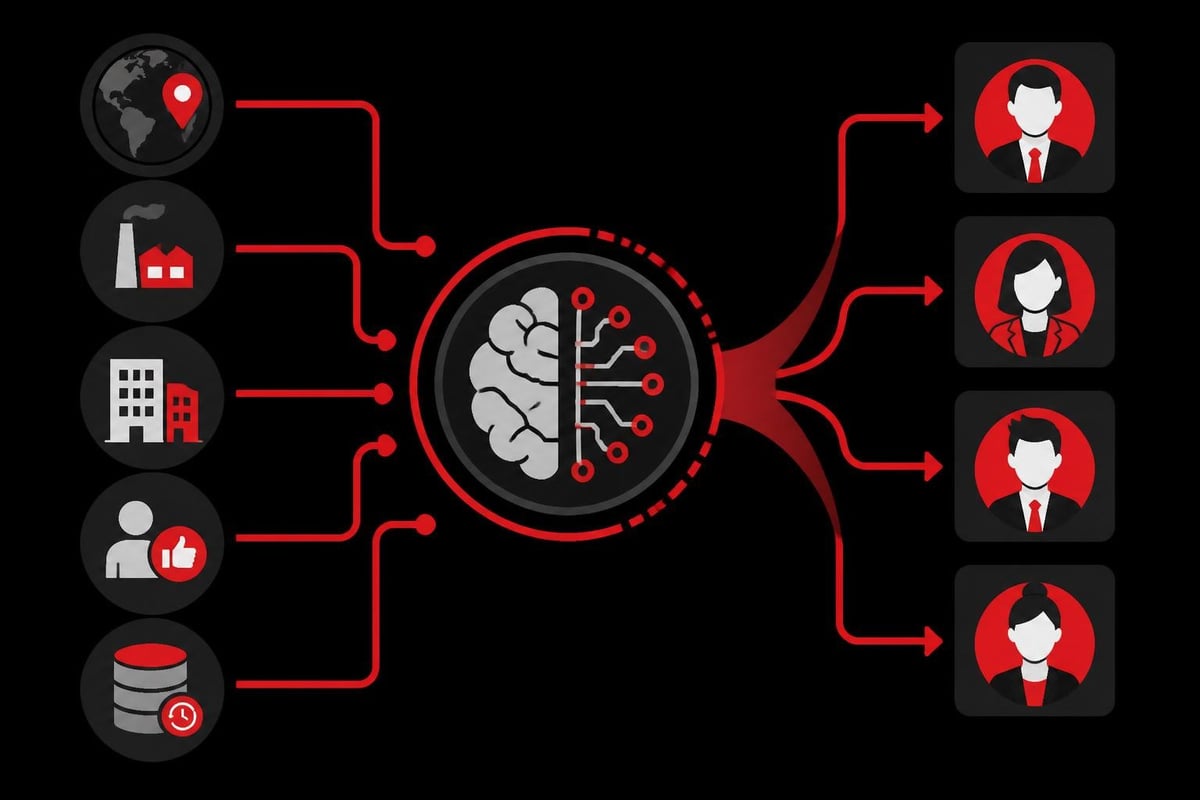
Lead routing best practices separate high-performing sales organizations from mediocre ones. You need clear rules governing which leads go to which salespeople, based on factors that genuinely impact conversion rates.
| Routing Method | Best For | Conversion Impact |
|---|---|---|
| Geographic | Local service businesses | High – local expertise matters |
| Product specialization | Complex B2B solutions | Very High – technical knowledge crucial |
| Company size/value | Enterprise sales | High – experience with deal size matters |
| Round-robin | Similar leads, equal skill | Moderate – ensures fairness |
| AI-optimized | High volume operations | Very High – learns from outcomes |
Modern AI-optimized lead management systems analyze historical data to predict which salesperson has the highest probability of converting each specific lead. This isn't science fiction-it's standard practice in 2026 for companies serious about maximizing their leads flow efficiency.
Qualification: The Gateway to Quality Leads Flow
Not every contact deserves equal attention. Treating all leads the same dilutes your sales team's effectiveness and clogs your pipeline with prospects who will never buy. Smart qualification processes filter your leads flow to ensure your team focuses energy on opportunities with genuine potential.
The BANT Framework Updated for 2026
Budget, Authority, Need, and Timeline (BANT) remains relevant, but modern leads flow systems layer in additional qualification criteria:
- Engagement signals: How actively is the prospect researching solutions?
- Digital footprint: What content have they consumed on your website?
- Competitive awareness: Are they evaluating alternatives or just browsing?
- Pain severity: How urgent is their need for a solution?
AI systems now score leads automatically based on these factors, creating qualification tiers that guide your team's priorities. A prospect with high engagement, clear authority, and urgent timeline jumps to the top of your queue. Someone casually browsing enters a nurture sequence rather than consuming expensive sales time.
This automated qualification transforms your leads flow from a flood of undifferentiated contacts into a prioritized stream of genuine opportunities. The efficiency gains compound rapidly-your sales team closes more deals because they spend time with people ready to buy.
Technology Stack for Optimal Leads Flow
Your technology choices directly impact how smoothly leads flow through your system. In 2026, businesses have access to sophisticated tools that automate previously manual processes, but choosing the right combination matters enormously.
Essential components of a modern leads flow stack:
- CRM platform that centralizes all prospect data and interactions
- Marketing automation that nurtures leads not yet ready to buy
- AI chatbots that qualify and engage prospects 24/7
- Analytics dashboard that reveals bottlenecks and opportunities
- Integration middleware that connects disparate systems seamlessly
Real estate investors working across borders, like those using Trovara’s AI property analysis, understand how specialized tools provide competitive advantages. Similarly, your leads flow system needs tools specifically designed for your industry's unique requirements. Generic solutions produce generic results.
The best marketing platforms for 2026 share common characteristics: they integrate easily, provide actionable insights, and scale as your business grows. Don't settle for tools that create more work than they eliminate.
Measuring and Improving Your Leads Flow
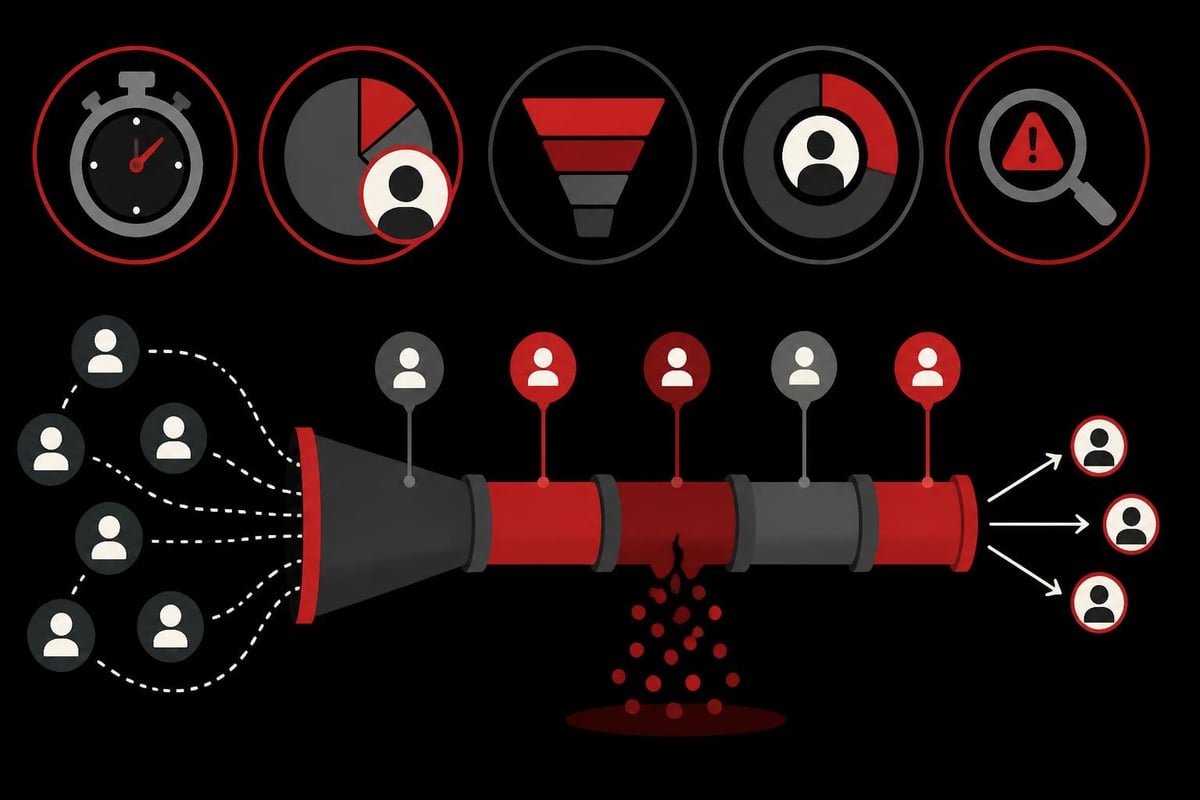
You can't improve what you don't measure. Sales pipeline management best practices emphasize tracking specific metrics that reveal the health of your leads flow.
Critical Metrics to Monitor Weekly
| Metric | Target | What It Reveals |
|---|---|---|
| Response time | Under 5 minutes | Speed-to-lead effectiveness |
| Contact rate | Above 60% | Lead quality and routing accuracy |
| Qualification rate | 30-50% | Marketing and sales alignment |
| Pipeline velocity | Decreasing | Process efficiency improvements |
| Conversion rate | Industry benchmark | Overall system effectiveness |
These numbers tell the story of your leads flow health. When response time creeps up, you know there's a routing or notification problem. When qualification rates drop, marketing might be attracting the wrong audience. When pipeline velocity slows, leads are getting stuck somewhere in your process.
The Weekly Leads Flow Audit
Dedicate thirty minutes every Monday morning to reviewing your leads flow metrics. Look for patterns, anomalies, and opportunities. Did weekend leads get slower responses? Are certain lead sources consistently producing better conversion rates? Is one salesperson dramatically outperforming others?
This regular analysis creates a culture of continuous improvement. Small adjustments compound into significant performance gains. Maybe you discover that leads from industry-specific conferences convert at twice the rate of general web forms. That insight should redirect your marketing budget immediately.
Italian businesses seeking funding through Bandit’s finanza agevolata platform benefit from automated processes that eliminate errors-your leads flow system deserves the same attention to detail and automation.
Nurture Sequences: Managing Leads Not Ready to Buy
Most prospects aren't ready to purchase immediately. Industry research shows 50-70% of leads are qualified but not yet ready to buy. Ignoring these prospects wastes your marketing investment. Effective demand generation includes sophisticated nurture sequences that keep your company top-of-mind until prospects are ready.
Components of high-performing nurture sequences:
- Educational content that addresses specific pain points
- Case studies demonstrating results for similar companies
- Product demonstrations revealing your solution's capabilities
- Industry insights establishing your expertise
- Timely check-ins from sales reps at strategic intervals
Your leads flow system should automatically enroll not-yet-ready prospects into appropriate nurture tracks based on their industry, company size, and expressed interests. A manufacturing director researching inventory management needs different content than a retail CEO exploring customer analytics.
Reactivation Campaigns for Stalled Leads
Even well-managed leads flow systems have prospects who go cold. These stalled leads represent significant value-they once expressed interest but stopped engaging. Rather than abandoning them, implement reactivation campaigns that reignite interest.
These campaigns work best when they offer genuine new value: product updates they haven't seen, case studies from their industry, special promotions creating urgency, or invitations to exclusive events. The goal isn't pestering-it's providing timely, relevant reasons to re-engage.
Common Leads Flow Mistakes Killing Your Revenue
Understanding what not to do prevents expensive mistakes. These common failures sabotage leads flow for countless businesses every day.
Fatal leads flow errors:
- Treating all leads identically regardless of source or quality
- Lacking clear ownership for leads that don't fit standard criteria
- Ignoring speed-to-lead and allowing hours or days before response
- Poor follow-up consistency with prospects requiring multiple touches
- No feedback loop between sales and marketing about lead quality
- Overcomplicated processes that create friction rather than flow
Each mistake compounds the others. Slow response times combined with poor qualification and inconsistent follow-up create a trickle rather than a flow. Your sales team becomes frustrated with lead quality while marketing questions why so few leads convert.
Different lead routing models address these challenges through systematic approaches that ensure every prospect receives appropriate attention. The key is matching your routing strategy to your specific business model and sales team structure.
Advanced Strategies for Scaling Leads Flow
Once you've mastered the fundamentals, advanced techniques multiply your results. These strategies separate market leaders from followers.
Predictive Lead Scoring with AI
Modern AI systems analyze thousands of data points to predict conversion probability with remarkable accuracy. They consider factors human reviewers would never catch: time of day when form was submitted, specific pages viewed, download patterns, email engagement history, and dozens of other signals.
This AI-powered approach to lead generation creates scores that prioritize your sales team's time with mathematical precision. High-probability leads get immediate attention. Medium-probability leads enter targeted nurture sequences. Low-probability leads receive minimal resources until they demonstrate increased engagement.
Multi-Channel Attribution and Leads Flow
Understanding which marketing channels produce the best leads transforms your budget allocation. A prospect might first discover you through social media, research via organic search, and finally convert after seeing a retargeted ad. Which channel deserves credit?
Sophisticated attribution models consider:
- First touch (initial discovery channel)
- Last touch (final interaction before conversion)
- Linear (equal credit to all touchpoints)
- Time decay (more recent interactions weighted higher)
- U-shaped (first and last touches emphasized)
This data reveals which channels initiate high-quality leads flow versus which channels close deals. The insights guide smarter marketing investments that fill your pipeline with better prospects.
Aligning Sales and Marketing for Seamless Leads Flow
The classic friction between sales and marketing teams destroys leads flow efficiency. Marketing complains sales doesn't follow up. Sales complains marketing delivers garbage leads. Meanwhile, genuine opportunities slip away while both departments point fingers.
Breaking this dysfunction requires structured collaboration and shared metrics. When both teams share revenue goals rather than separate activity metrics, alignment follows naturally.
The Service Level Agreement Approach
Create formal agreements defining exactly what constitutes a qualified lead and how quickly sales will respond. Specificity prevents ambiguity and accountability.
Example SLA components:
- Marketing delivers leads meeting defined qualification criteria
- Sales contacts all qualified leads within five minutes during business hours
- Sales provides feedback on lead quality within 24 hours
- Both teams meet weekly to review conversion data and adjust criteria
- Both teams are measured on pipeline value and closed revenue, not just activities
This structure transforms leads flow from a series of handoffs into a collaborative process where everyone wins together. Strategic lead generation approaches recognize that marketing and sales are two halves of a single revenue engine, not competing departments.
Building Your Leads Flow for Sustainable Growth
Optimizing leads flow isn't a one-time project-it's an ongoing commitment to operational excellence. The businesses thriving in 2026 treat their leads flow systems as critical infrastructure deserving constant attention and investment.
Start with the fundamentals: capture leads efficiently, respond immediately, qualify systematically, and nurture consistently. Build on that foundation with advanced techniques like AI scoring, multi-channel attribution, and predictive analytics. Most importantly, create a culture where everyone understands that leads represent real people with real problems seeking real solutions.
Your leads flow system should honor that reality by treating every prospect with professionalism and urgency. When you perfect this balance of efficiency and humanity, you create an engine that transforms interested strangers into loyal customers predictably and profitably.
The companies implementing these comprehensive lead distribution best practices aren't just surviving-they're dominating their markets through systematic execution that competitors can't match.
Mastering your leads flow transforms unpredictable revenue into systematic growth by ensuring every prospect receives immediate, appropriate attention throughout their buying journey. When you combine speed-to-lead excellence, intelligent routing, AI-powered qualification, and consistent nurture sequences, you create a revenue engine that scales efficiently. Aletto specializes in building these exact systems for businesses ready to transform cold leads into ready-to-buy customers through advanced AI automation and guaranteed growth partnerships that align our success with yours.