
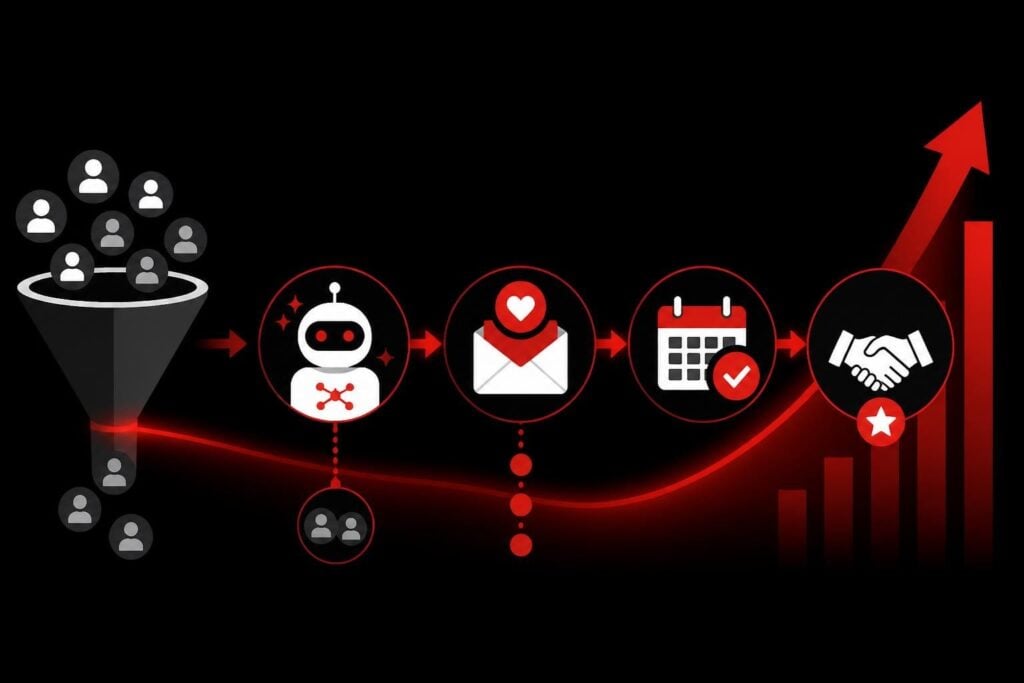
The landscape of business development has fundamentally shifted. Traditional sales methods that relied on manual prospecting, cold calling, and lengthy nurture sequences are giving way to a more sophisticated approach: generation sales. This methodology combines the science of lead generation with the art of sales conversion, creating a seamless system that transforms strangers into paying customers. For businesses struggling with unpredictable revenue and inconsistent pipeline growth, understanding generation sales isn't just beneficial – it's essential for survival in 2026's competitive marketplace.
What Makes Generation Sales Different from Traditional Lead Generation
Generation sales represents a paradigm shift in how businesses approach customer acquisition. Unlike conventional lead generation that focuses solely on capturing contact information, generation sales encompasses the entire journey from initial awareness to closed deal.
The key differentiator lies in integration. Traditional lead generation often stops at the handoff point, where marketing delivers leads to sales teams who then start their process from scratch. Generation sales eliminates this friction by creating a unified system where every touchpoint is designed to advance prospects toward a purchase decision.
Consider these fundamental differences:
- Traditional approach: Separate marketing and sales funnels with manual handoffs
- Generation sales: Unified pipeline with automated transitions and intelligent routing
- Traditional metrics: Lead volume and cost per lead
- Generation sales metrics: Revenue generated and customer acquisition cost
- Traditional ownership: Marketing owns leads, sales owns deals
- Generation sales ownership: Shared accountability for revenue outcomes
This integrated methodology requires businesses to rethink their entire approach to customer acquisition, moving beyond departmental silos toward revenue-focused collaboration.
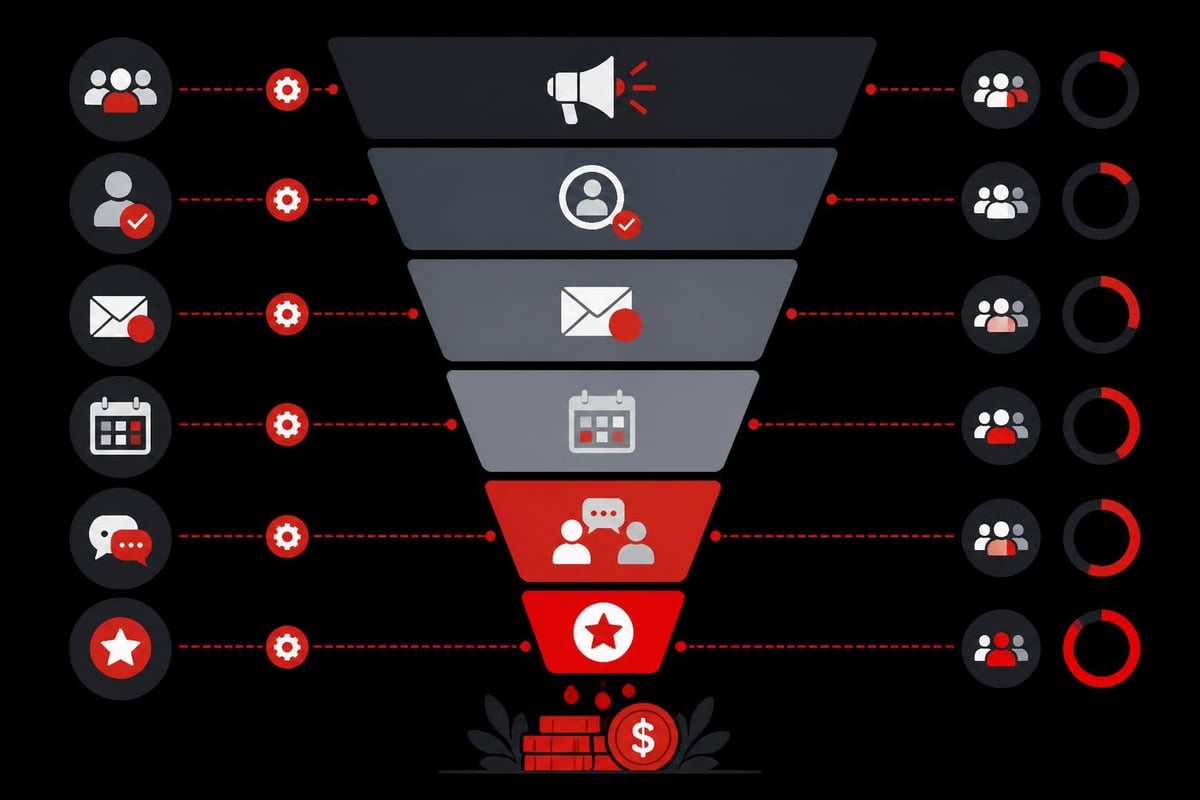
The Three Pillars of Effective Generation Sales
Successful generation sales systems are built on three interconnected pillars that work together to create predictable, scalable revenue growth.
Pillar 1: Intelligent Lead Acquisition
Modern generation sales begins with targeting the right prospects through data-driven channels. According to proven lead generation strategies, combining multiple acquisition channels creates a more resilient pipeline than relying on a single source.
Advanced AI systems analyze behavioral patterns, intent signals, and demographic data to identify prospects who match your ideal customer profile. This precision targeting eliminates wasted ad spend and ensures your sales team focuses on genuinely qualified opportunities.
Pillar 2: Automated Qualification and Nurture
The qualification phase separates generation sales from basic lead capture. Sophisticated automation sequences engage prospects through personalized content, interactive assessments, and strategic touchpoints that move them down the funnel without manual intervention.
| Qualification Stage | Automation Type | Goal |
|---|---|---|
| Initial Engagement | Welcome sequence, value delivery | Build trust and establish authority |
| Interest Validation | Behavioral tracking, engagement scoring | Identify genuine buying intent |
| Readiness Assessment | Qualification questions, pain point discovery | Determine fit and timing |
| Appointment Setting | Calendar automation, reminder sequences | Convert qualified leads to booked meetings |
Pillar 3: Seamless Sales Conversion
The final pillar connects qualified, nurtured prospects with your sales team at the optimal moment. Understanding the sales conversion funnel helps businesses design systems that maximize show rates and close rates.
Building Your Generation Sales Infrastructure
Creating an effective generation sales system requires thoughtful infrastructure design that balances automation with human touchpoints. The goal isn't to eliminate salespeople but to ensure they spend their time on high-value conversations with ready-to-buy prospects.
Technology Stack Essentials
Your generation sales infrastructure needs these core components working in harmony:
- Multi-channel acquisition platform for reaching prospects across paid advertising, organic content, and outbound outreach
- CRM with automation capabilities to track every interaction and trigger appropriate follow-up sequences
- AI-powered qualification tools that score leads based on engagement, fit, and buying signals
- Appointment scheduling system integrated with your calendar and communication tools
- Analytics dashboard providing real-time visibility into pipeline health and conversion metrics
The best marketing platforms combine these capabilities into unified systems that reduce complexity while increasing effectiveness.
Creating Your Lead Scoring Framework
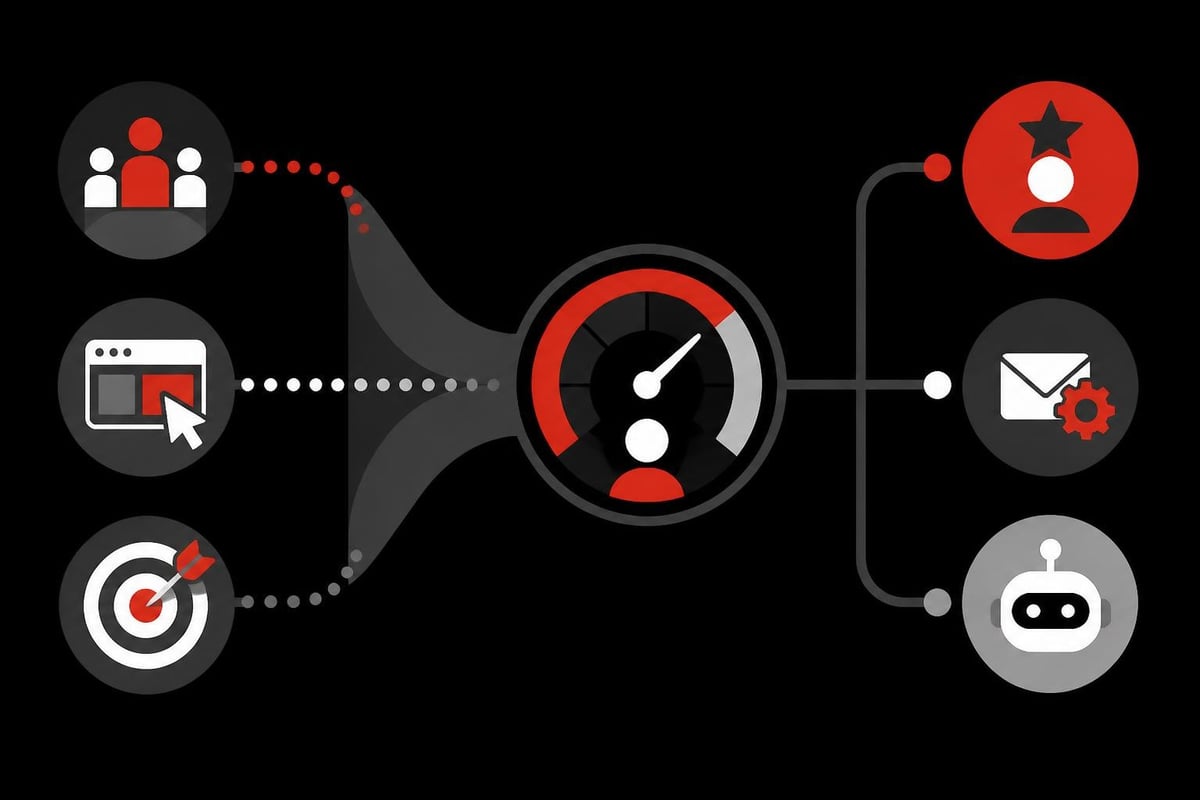
Not all leads are created equal, and your generation sales system must reflect that reality. Develop a scoring framework that assigns points based on:
- Demographic fit: Company size, industry, role, revenue
- Behavioral engagement: Email opens, content downloads, website visits
- Intent signals: Pricing page views, demo requests, competitor research
- Timing indicators: Budget availability, contract renewal dates, growth triggers
Leads crossing predetermined thresholds automatically advance to the next stage, whether that's additional nurture content, direct outreach from a sales development representative, or immediate appointment booking.
Advanced Strategies for Generation Sales Success
Moving beyond the basics, sophisticated generation sales practitioners implement strategies that dramatically improve conversion rates and revenue per lead.
Leveraging AI for Personalization at Scale
Artificial intelligence enables generation sales teams to deliver personalized experiences to thousands of prospects simultaneously. AI in digital advertising has evolved to create dynamic ad variations, landing pages, and email sequences tailored to individual prospect characteristics.
This personalization extends throughout the generation sales journey:
- Custom landing pages that speak directly to specific industries or pain points
- Email sequences that adapt based on engagement patterns and expressed interests
- Dynamic content recommendations that deliver the most relevant resources
- Predictive analytics that identify the optimal time to transition prospects to sales conversations
Multi-Touch Attribution and Optimization
Understanding which touchpoints contribute to revenue allows you to optimize your generation sales investment. Implement attribution modeling that tracks every interaction from initial awareness through closed deal.
The most effective lead generation strategies recognize that buyers engage with multiple touchpoints before purchasing. Your attribution model should credit these various interactions appropriately rather than giving all credit to the last touch before conversion.
Key metrics to track in your generation sales system:
- Cost per qualified lead (not just cost per lead)
- Lead-to-appointment conversion rate
- Appointment-to-opportunity conversion rate
- Sales cycle length by lead source
- Customer lifetime value by acquisition channel
- Return on ad spend at the revenue level
This data enables continuous optimization, shifting budget toward highest-performing channels and refining messaging based on what resonates with your best customers.
Industry-Specific Generation Sales Applications
Different industries require tailored approaches to generation sales. Understanding these nuances ensures your system aligns with buying behaviors and decision-making processes in your market.
B2B Services and Consulting
Professional services firms benefit enormously from generation sales systems that establish authority before the sales conversation begins. The B2B lead generation process typically involves longer sales cycles and multiple decision-makers.
Effective strategies include:
- Thought leadership content demonstrating expertise
- Case studies and social proof building credibility
- Educational webinars qualifying prospects while delivering value
- Consultative discovery calls rather than traditional sales pitches
Financial advisors and insurance professionals face unique compliance constraints while building their client base. Platforms like WebPrez help these professionals implement generation sales approaches that educate prospects through compliant video content and structured frameworks, transforming complex financial concepts into clear conversations that move prospects toward appointments.
SaaS and Technology Companies
Software companies excel with generation sales models that leverage free trials, product demos, and freemium offerings. These lower-risk entry points allow prospects to experience value before committing.
The generation sales funnel for SaaS typically includes:
- Educational content attracting prospects researching solutions
- Free tool or limited feature access capturing contact information
- In-product nurture sequences demonstrating additional capabilities
- Usage-triggered outreach when prospects hit specific milestones
- Personalized demo or consultation to address specific use cases
Overcoming Common Generation Sales Challenges
Even well-designed generation sales systems encounter obstacles. Recognizing and addressing these challenges proactively improves outcomes.
Lead Quality vs. Lead Quantity Dilemma
Many businesses struggle with balancing volume and quality in their generation sales efforts. Focusing exclusively on quantity floods sales teams with unqualified prospects, while being too restrictive limits growth potential.
The solution lies in segmentation. Create multiple qualification tiers that route leads to appropriate next steps based on their readiness level. Qualified leads meeting strict criteria go directly to sales, while earlier-stage prospects enter nurture sequences designed to develop them over time.
| Lead Tier | Characteristics | Routing Decision |
|---|---|---|
| Hot | High fit + high intent + immediate timeline | Direct to sales team |
| Warm | High fit + moderate intent | SDR for qualification call |
| Developing | High fit + low intent | Automated nurture sequence |
| Long-term | Moderate fit + interest expressed | Educational content series |
Sales and Marketing Alignment Issues
Generation sales requires unprecedented cooperation between traditionally siloed teams. Marketing must understand sales objections and concerns, while sales must respect the nurturing process rather than pushing for premature contact.
Implement these alignment mechanisms:
- Weekly pipeline review meetings analyzing conversion rates at each stage
- Shared revenue targets replacing separate lead and deal quotas
- Service level agreements defining response times and follow-up expectations
- Feedback loops where sales insights inform marketing messaging
- Joint ownership of generation sales technology and processes
When teams share accountability for revenue outcomes rather than activity metrics, end-to-end marketing becomes a reality rather than an aspiration.
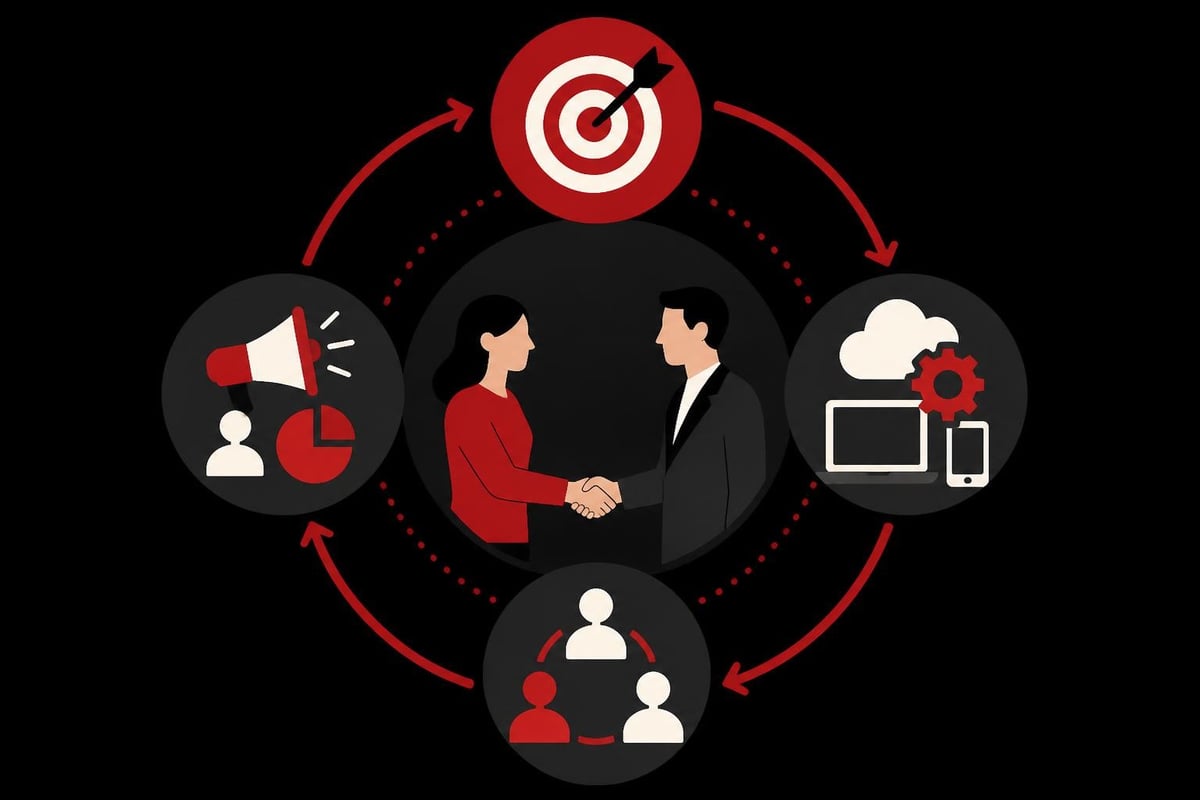
Measuring and Scaling Your Generation Sales System
The true power of generation sales emerges when you can measure performance accurately and scale what works. This requires establishing clear benchmarks and creating systems that maintain quality as volume increases.
Establishing Your Baseline Metrics
Before optimizing, understand your current performance. The lead generation best practices from industry experts emphasize starting with accurate measurement.
Calculate these foundational metrics:
- Current lead volume by source and campaign
- Qualification rate (percentage of leads meeting minimum criteria)
- Appointment booking rate among qualified leads
- Show rate for booked appointments
- Opportunity creation rate from sales conversations
- Close rate and average deal size
- Full-cycle conversion rate from lead to customer
- Customer acquisition cost and payback period
These numbers establish your baseline and reveal which stages need immediate attention.
Scaling Without Sacrificing Quality
As you increase generation sales volume, maintaining quality becomes more challenging. Implement these scaling strategies:
Automation with guardrails: Increase automated touchpoints while building in human review at critical transition points. No prospect should reach a sales conversation without some form of qualification validation.
Specialized team structures: Rather than having every salesperson handle the full process, create specialized roles including lead development representatives, appointment setters, closers, and account managers. Each role optimizes for specific stages in the generation sales journey.
Continuous testing and iteration: Dedicate a portion of your budget to testing new channels, messages, and qualification criteria. Demand generation marketing requires constant experimentation to stay ahead of competition and market changes.
Technology investment: As volume grows, invest in more sophisticated tools that provide deeper insights and more powerful automation. The ROI on enterprise platforms becomes compelling when you're processing hundreds of leads weekly.
Future-Proofing Your Generation Sales Approach
The generation sales landscape continues evolving rapidly. Businesses that adapt to emerging trends maintain competitive advantages while others struggle with outdated methodologies.
Emerging Technologies Reshaping Generation Sales
Artificial intelligence capabilities expand monthly, creating new opportunities for sophisticated generation sales systems. Conversational AI now handles initial qualification conversations, voice analysis detects buying signals during sales calls, and predictive models forecast which prospects will convert with remarkable accuracy.
Video continues growing as a generation sales channel, with personalized video messages increasing engagement rates and building relationships before the first live conversation. AI ads dynamically generate and test thousands of creative variations, identifying winners faster than any human team could.
Privacy and data regulations require generation sales practitioners to balance personalization with compliance. First-party data collection strategies become increasingly important as third-party cookies disappear and privacy laws tighten globally.
Building a Culture of Revenue Generation
Ultimately, successful generation sales depends on organizational culture that values revenue creation above departmental politics. This means:
- Hiring for adaptability and continuous learning rather than rigid role expertise
- Compensating teams based on revenue contribution rather than activity metrics
- Investing in training that develops both marketing and sales skills across the organization
- Celebrating wins that demonstrate cross-functional collaboration
- Analyzing failures as learning opportunities rather than blame exercises
Companies embracing this culture find that generation sales becomes their sustainable competitive advantage, creating predictable revenue growth that compounds year after year.
Generation sales represents the future of predictable, scalable revenue growth by unifying lead generation and sales conversion into a seamless system. The businesses winning in 2026 recognize that isolated marketing and sales efforts can't compete against integrated approaches that optimize every step from initial awareness through closed deals. If you're ready to transform your lead generation into a true revenue engine, Aletto leverages advanced AI systems to generate qualified sales leads and automate appointment bookings, providing a guaranteed growth partnership model that aligns our success with yours. Let's build your generation sales system together.