
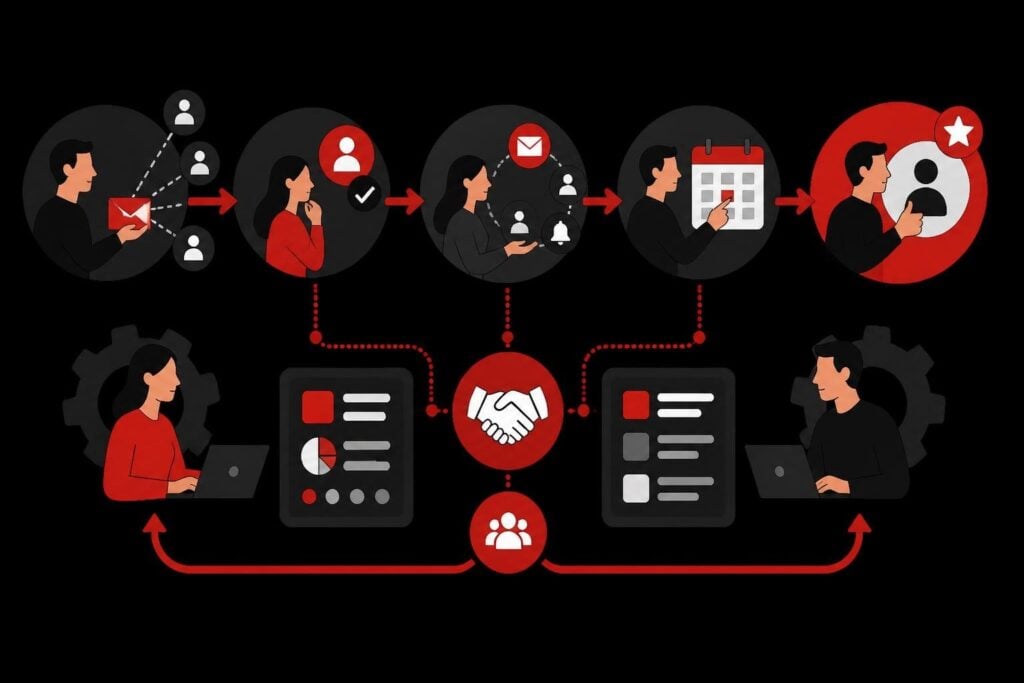
The relationship between sales and marketing has evolved dramatically in 2026, moving far beyond traditional handoffs and siloed operations. Today's most successful businesses recognize that these two functions must operate as a unified revenue engine, particularly when it comes to generating qualified leads and converting them into customers. When sales and marketing work in harmony, businesses experience shorter sales cycles, higher conversion rates, and more predictable revenue growth. This alignment becomes even more critical in an era where AI-powered systems can identify, qualify, and nurture leads at unprecedented scale.
The Foundation of Effective Sales and Marketing Integration
Building a robust sales and marketing framework starts with understanding that both teams serve the same ultimate goal: driving revenue growth. Too many organizations still operate with marketing focusing on lead quantity while sales prioritizes lead quality, creating friction that costs businesses millions in lost opportunities each year.
The key elements of successful integration include:
- Shared definitions of what constitutes a qualified lead
- Unified metrics and KPIs that both teams own together
- Regular communication cadences between team leaders
- Transparent data sharing and reporting systems
- Joint accountability for revenue outcomes
When you establish these foundations, your organization can leverage advanced lead generation systems that feed both teams with actionable intelligence. The traditional approach where marketing generates leads and throws them over the wall to sales simply doesn't work in today's competitive landscape.
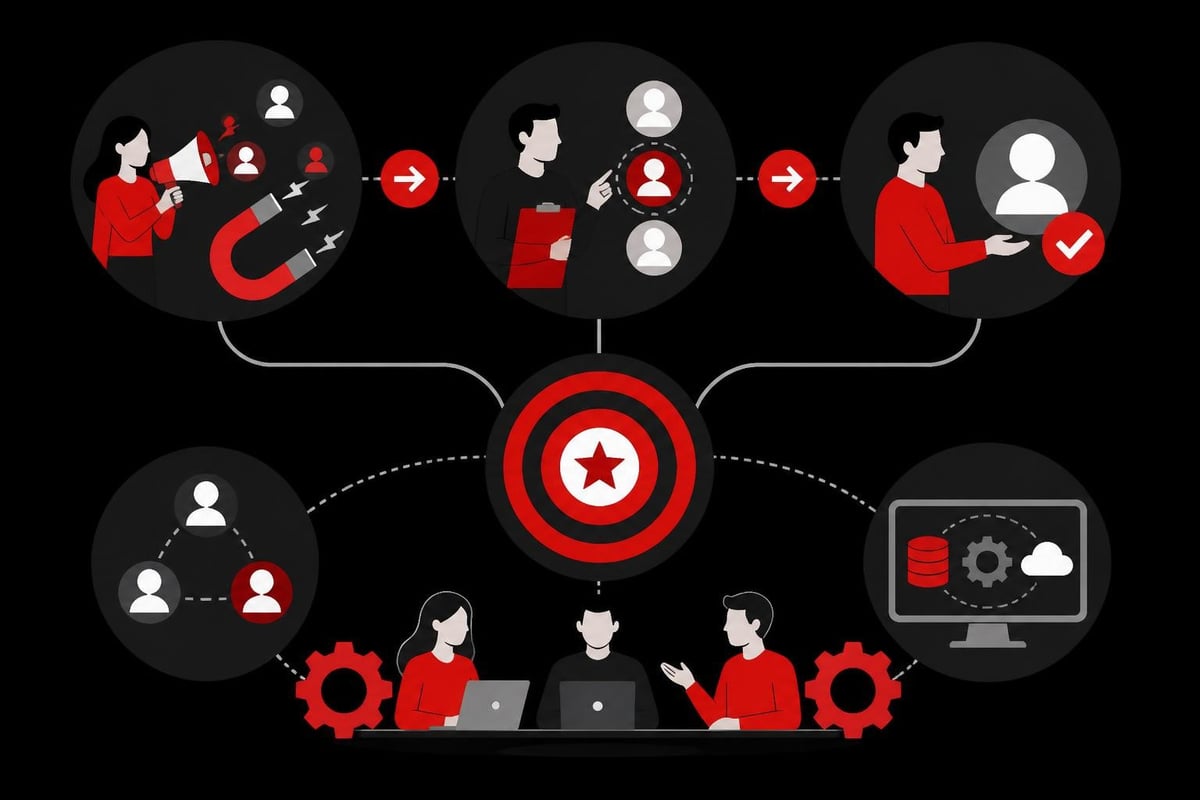
Creating a Unified Lead Definition
One of the most critical steps in aligning sales and marketing involves establishing what actually qualifies as a sales-ready lead. Marketing might consider anyone who downloads a whitepaper as a lead, while sales views only decision-makers who've expressed immediate buying intent as worthy of their time.
This disconnect wastes resources and creates tension. Instead, implement a tiered lead scoring system that both teams help develop. Marketing Qualified Leads (MQLs) represent prospects showing engagement, while Sales Qualified Leads (SQLs) demonstrate genuine purchase intent and fit your ideal customer profile.
According to best practices for sales and marketing alignment, organizations that collaborate on lead definitions see 36% higher customer retention rates and 38% higher sales win rates. These aren't just incremental improvements but transformational results that directly impact your bottom line.
Leveraging Technology for Seamless Collaboration
Modern sales and marketing alignment relies heavily on technology infrastructure that enables real-time data sharing and process automation. The days of spreadsheets and manual lead transfers are over, replaced by sophisticated systems that track every interaction across the customer journey.
| Technology Component | Marketing Application | Sales Application | Shared Benefit |
|---|---|---|---|
| CRM Platform | Campaign tracking, lead scoring | Pipeline management, activity logging | Single source of truth for customer data |
| Marketing Automation | Email nurturing, behavior tracking | Lead alerts, engagement visibility | Coordinated touchpoints across channels |
| AI Systems | Audience targeting, content optimization | Lead prioritization, conversation intelligence | Predictive insights and efficiency gains |
| Analytics Dashboard | Campaign ROI, channel performance | Conversion rates, revenue attribution | Transparent reporting and accountability |
When you implement integrated technology stacks, both teams gain visibility into how prospects move through the sales funnel from initial awareness to final purchase. This transparency eliminates finger-pointing and enables collaborative problem-solving when conversion rates dip or lead quality issues emerge.
Automation That Amplifies Human Expertise
Smart businesses in 2026 use AI-powered automation to handle repetitive tasks while freeing their teams to focus on high-value interactions. Automated lead scoring evaluates prospects based on demographic fit and behavioral signals, ensuring sales teams prioritize their time effectively. Meanwhile, marketing automation nurtures leads who aren't quite ready to buy, keeping your brand top-of-mind until the timing is right.
The most effective sales outreach strategies combine automated sequences with personalized human touchpoints. A prospect might receive automated educational content for weeks, but when they demonstrate buying signals, a sales representative steps in with tailored communication that addresses their specific needs.
Data-Driven Decision Making for Both Teams
Sales and marketing alignment thrives on shared access to accurate, actionable data. When both teams look at the same metrics and draw insights from the same source, they can make informed decisions that compound over time.
Critical metrics to track collaboratively include:
- Lead-to-opportunity conversion rate
- Average deal size by lead source
- Sales cycle length by marketing channel
- Customer acquisition cost (CAC)
- Customer lifetime value (LTV)
- Revenue attribution by campaign
- Lead response time
- Win rate by lead score
These metrics tell the complete story of how effectively your sales and marketing engine performs. When marketing sees that leads from webinars convert 3x better than trade show leads, they can adjust budget allocation accordingly. When sales notices that highly-scored leads from certain industries close faster, marketing can refine targeting parameters.
Organizations that embrace demand generation marketing understand that every marketing dollar should tie back to revenue outcomes. This accountability transforms marketing from a cost center into a growth driver that sales teams genuinely appreciate and support.
The Role of Content in Sales Enablement
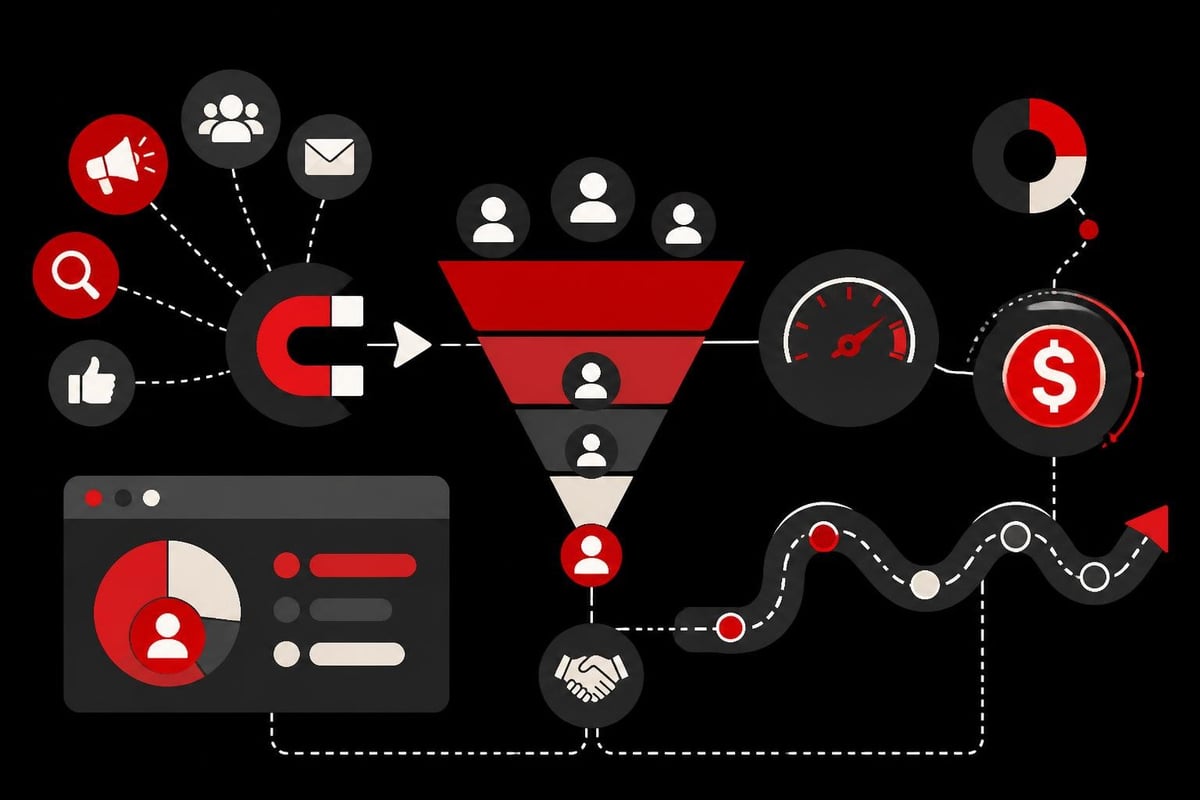
Modern buyers conduct extensive research before ever speaking with sales representatives. In fact, studies show prospects are often 70% through their buying journey before reaching out to vendors. This reality means marketing must create content that educates and persuades throughout every stage of the customer journey.
Sales teams need marketing to develop specific assets they can use during conversations:
- Case studies demonstrating ROI in the prospect's industry
- Comparison guides addressing competitive alternatives
- Technical documentation answering implementation questions
- Pricing calculators helping prospects understand investment levels
- Video testimonials from similar customers
When marketing creates these resources based on actual sales conversations and lost deal analyses, both teams benefit enormously. Sales closes more deals with compelling proof points, while marketing gains insights into real customer objections and questions that inform future campaigns.
Building Processes That Support Alignment
Technology and metrics matter, but sustainable sales and marketing alignment requires operational processes that reinforce collaboration rather than competition. These processes should be documented, measured, and continuously improved based on results.
Regular Cross-Functional Meetings
Weekly or bi-weekly sessions where sales and marketing leaders review performance together create accountability and foster strategic thinking. These meetings should cover:
- Pipeline health and forecast accuracy
- Lead quality feedback from sales
- Campaign performance updates from marketing
- Competitive intelligence from both teams
- Process improvement opportunities
The key is making these sessions productive rather than finger-pointing exercises. Focus on problem-solving and opportunity identification, celebrating wins from both teams equally.
Service Level Agreements Between Teams
Formal SLAs establish clear expectations for both sales and marketing. Marketing commits to delivering a specific number of qualified leads each month based on agreed-upon criteria. Sales commits to following up on those leads within defined timeframes and providing feedback on lead quality.
Research on sales and marketing alignment shows that organizations with documented SLAs between these teams achieve 19% faster revenue growth than those without such agreements. These aren't bureaucratic obstacles but clarity mechanisms that prevent misunderstandings and drive accountability.
| SLA Component | Marketing Commitment | Sales Commitment |
|---|---|---|
| Lead Volume | Deliver 500 MQLs monthly | Contact 100% within 24 hours |
| Lead Quality | Minimum score of 75/100 | Provide feedback within 5 days |
| Content Support | Create 3 new assets monthly | Share customer objections weekly |
| Data Hygiene | Maintain 95% accuracy | Update CRM within 24 hours |
Personalization at Scale Through AI Integration
The explosion of AI capabilities in 2026 has revolutionized how sales and marketing teams deliver personalized experiences to thousands of prospects simultaneously. What once required armies of people can now be accomplished through intelligent systems that learn and adapt based on results.
AI systems can analyze prospect behavior patterns, predict likelihood to convert, and recommend optimal outreach timing and messaging. Marketing uses these insights to segment audiences with unprecedented precision, while sales receives prioritized lead lists with talking points tailored to each prospect's demonstrated interests.
For businesses focused on B2B lead generation online, AI-powered personalization separates winners from also-rans. Generic outreach gets ignored, but messages addressing specific pain points and demonstrating understanding of a prospect's unique situation generate responses and meetings.
Automated Appointment Setting That Actually Works
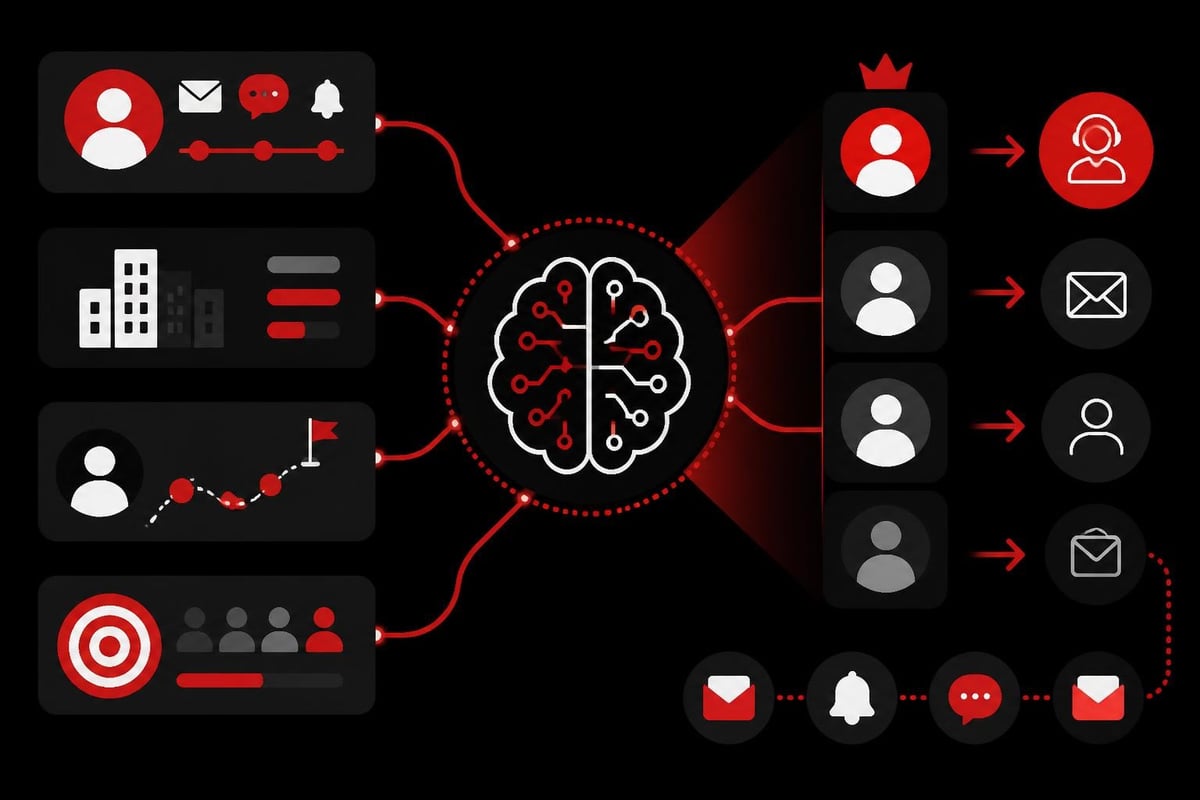
One of the most powerful applications of sales and marketing alignment involves automated systems that identify ready-to-buy prospects and book meetings directly on sales calendars. This eliminates the delay between lead capture and sales contact, dramatically improving conversion rates.
The process works by monitoring multiple signals: website behavior, email engagement, content downloads, and demographic data. When a prospect crosses predefined thresholds indicating buying intent, the system triggers personalized outreach sequences designed to schedule a conversation. This approach, which combines lead gen advertising with intelligent automation, ensures sales teams spend their time talking to qualified prospects rather than chasing dead ends.
Overcoming Common Alignment Challenges
Even with the best intentions, organizations face predictable obstacles when trying to align sales and marketing. Recognizing these challenges early allows you to address them proactively rather than letting them derail your efforts.
Frequent alignment barriers include:
- Mismatched compensation structures that reward individual rather than team success
- Cultural differences between marketing's creative approach and sales' execution focus
- Territorial disputes over budget allocation and resource control
- Technology silos where systems don't communicate effectively
- Leadership that preaches alignment but doesn't model collaborative behavior
Addressing these issues requires executive commitment and willingness to make structural changes. Sales and marketing best practices emphasize that alignment must be championed from the top, with CEOs and revenue leaders holding both teams accountable for collaborative outcomes rather than siloed metrics.
Creating Shared Incentives
Nothing drives behavior like compensation. When sales gets paid only for closed deals while marketing gets rewarded for lead volume, you've created structural misalignment that no amount of meetings will fix. Progressive organizations tie both teams' variable compensation to shared revenue targets, ensuring everyone wins together or loses together.
Some companies create joint bonus pools where sales and marketing split rewards based on hitting combined objectives. Others implement account-based marketing programs where marketing team members get credited for specific deals they supported. The specific mechanism matters less than the principle: align incentives with desired behaviors.
Measuring Success Beyond Vanity Metrics
Traditional sales and marketing metrics often focus on activities rather than outcomes. Marketing celebrates impressions and clicks while sales tracks call volume and meeting counts. These vanity metrics feel productive but don't necessarily correlate with revenue growth.
Instead, focus relentlessly on metrics that measure actual business impact. How many qualified opportunities did marketing generate? What percentage of those opportunities closed? How much revenue came from marketing-sourced leads versus sales-sourced leads? What's the payback period on customer acquisition costs?
When you track the right performance indicators, you can identify which campaigns and tactics actually drive growth versus which ones simply create activity. This data-driven approach allows you to double down on what works and quickly eliminate what doesn't, accelerating your path to predictable revenue growth.
Attribution Models That Tell the Truth
Multi-touch attribution has become essential for understanding how sales and marketing efforts contribute to revenue. First-touch attribution credits the initial marketing interaction, while last-touch gives all credit to the final sales activity. Neither tells the complete story.
Modern attribution models recognize that prospects interact with your brand dozens of times across multiple channels before purchasing. Marketing might generate initial awareness through content, nurture the lead through email sequences, and re-engage them through retargeting ads. Sales then conducts discovery calls, delivers demonstrations, and negotiates terms. Every touchpoint contributes to the eventual outcome.
By implementing sophisticated attribution tracking, you can see which combinations of marketing and sales activities produce the highest conversion rates and shortest sales cycles. This intelligence allows both teams to optimize their approach based on what actually works in your specific market.
The Future of Unified Revenue Teams
Looking ahead, the distinction between sales and marketing will continue to blur. Forward-thinking organizations are already creating unified revenue operations teams that own the entire customer journey from initial awareness through post-purchase expansion. These integrated teams leverage technology platforms that provide seamless visibility across all customer interactions, regardless of which functional area initiated them.
The businesses that thrive in this environment will be those that embrace collaboration, leverage automation intelligently, and maintain relentless focus on customer outcomes rather than departmental turf wars. Whether you're just starting your alignment journey or looking to optimize existing processes, the principles remain constant: shared goals, unified data, collaborative culture, and technology that enables rather than hinders cooperation.
As customer expectations continue rising and competition intensifies across every industry, sales and marketing alignment transitions from competitive advantage to survival requirement. Organizations that cling to siloed operations will find themselves outmaneuvered by more integrated competitors who move faster, waste less, and deliver better customer experiences at every touchpoint.
Building world-class sales and marketing alignment takes time, technology, and commitment, but the revenue impact makes the investment worthwhile. When both teams work toward shared goals with unified processes and integrated systems, you create a growth engine that compounds over time. If you're ready to transform cold leads into ready-to-buy customers through intelligent automation and proven strategies, Aletto provides the AI-powered systems and guaranteed growth partnership model that aligns perfectly with your revenue objectives. Our transparent approach eliminates traditional agency waste and delivers predictable results that scale your business.