
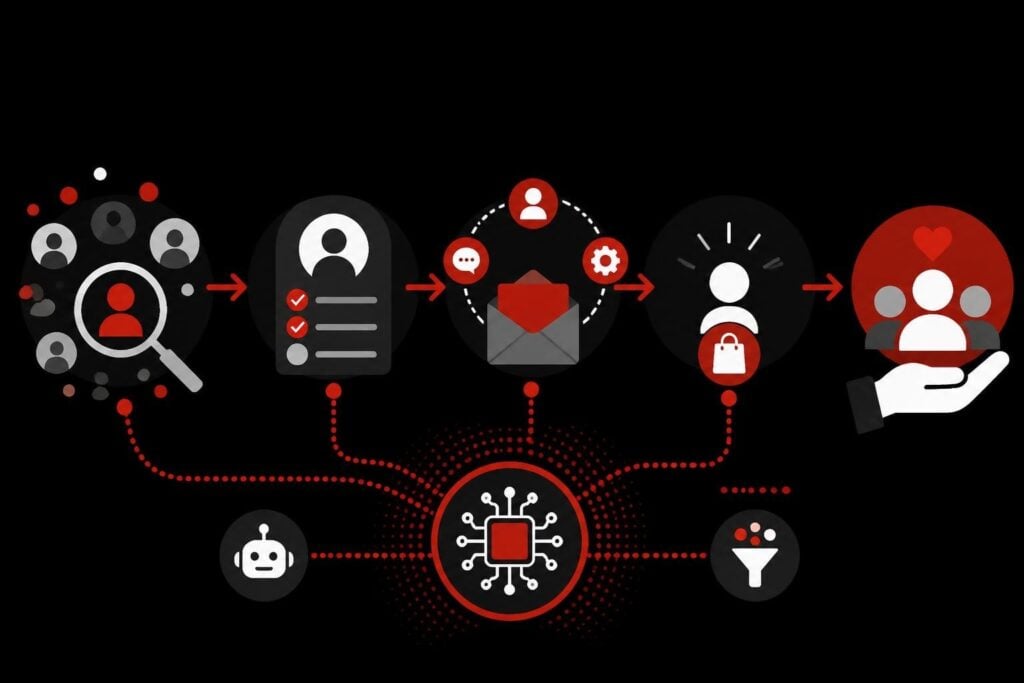
The difference between businesses that thrive and those that barely survive comes down to one critical factor: their ability to consistently generate qualified leads. In 2026, business lead generation has evolved far beyond cold calling and generic email blasts. Today's most successful companies leverage sophisticated AI systems, automation platforms, and data-driven strategies to transform complete strangers into ready-to-buy customers. Whether you're a scrappy startup or an established enterprise, mastering the art and science of lead generation isn't optional anymore-it's the foundation of predictable revenue growth.
The Evolution of Business Lead Generation in 2026
Business lead generation has undergone a dramatic transformation over the past few years. What once relied on manual outreach and gut instinct now operates on precision targeting, behavioral analytics, and intelligent automation.
According to the latest B2B lead generation report, 244 B2B marketers identified email marketing and LinkedIn automation as their top-performing channels, with conversion rates improving by 37% when AI-powered personalization was implemented. This shift represents a fundamental change in how businesses approach prospect acquisition.
The traditional funnel model has been replaced by something more sophisticated. Modern lead generation systems now incorporate multiple touchpoints, advanced scoring algorithms, and predictive analytics that identify which prospects are most likely to convert.

Why Traditional Methods Are Failing
Here's what's not working anymore:
- Generic email campaigns with single-digit open rates
- Cold calling without prior research or qualification
- One-size-fits-all messaging that ignores prospect pain points
- Manual follow-up processes that lose momentum
- Disconnected marketing and sales handoffs
The problem isn't effort-it's efficiency. Businesses waste thousands of dollars on unqualified leads because they lack the systems to separate tire-kickers from serious buyers. When you're spending money on advertising or outreach, every dollar needs to work harder.
Building a High-Performance Lead Generation System
Creating a reliable pipeline of qualified leads requires more than luck. It demands a structured system that consistently attracts, captures, and converts prospects.
The Four Pillars of Effective Business Lead Generation
1. Targeted Audience Identification
You can't sell to everyone, and trying to do so wastes resources. Start by defining your ideal customer profile with surgical precision. What industries do they operate in? What revenue range? What specific problems keep them awake at night?
Smart businesses use proxy services like PinguProxy to conduct competitive research and gather market intelligence without revealing their identity, ensuring they understand their target market before investing in outreach.
2. Multi-Channel Engagement Strategy
Your prospects aren't sitting in one place waiting for your message. They're scattered across LinkedIn, email inboxes, industry forums, and search engines. A robust demand generation approach ensures you meet them where they already spend time.
| Channel | Best For | Average Response Rate | Cost Efficiency |
|---|---|---|---|
| LinkedIn Outreach | B2B decision-makers | 15-20% | High |
| Email Marketing | Nurturing existing contacts | 8-12% | Very High |
| Content Marketing | Building authority | 3-5% | Medium |
| Paid Advertising | Rapid testing | 2-4% | Medium-Low |
3. Intelligent Lead Qualification
Not every inquiry deserves the same attention. Implement scoring systems that rank prospects based on engagement level, company fit, and buying signals. This ensures your sales team spends time on opportunities that actually close.
4. Automation Without Losing Personalization
The best B2B lead generation strategies balance efficiency with authenticity. Automation handles repetitive tasks-like follow-up sequences and appointment scheduling-while preserving the personal touch that builds relationships.
Content-Driven Lead Generation That Actually Converts
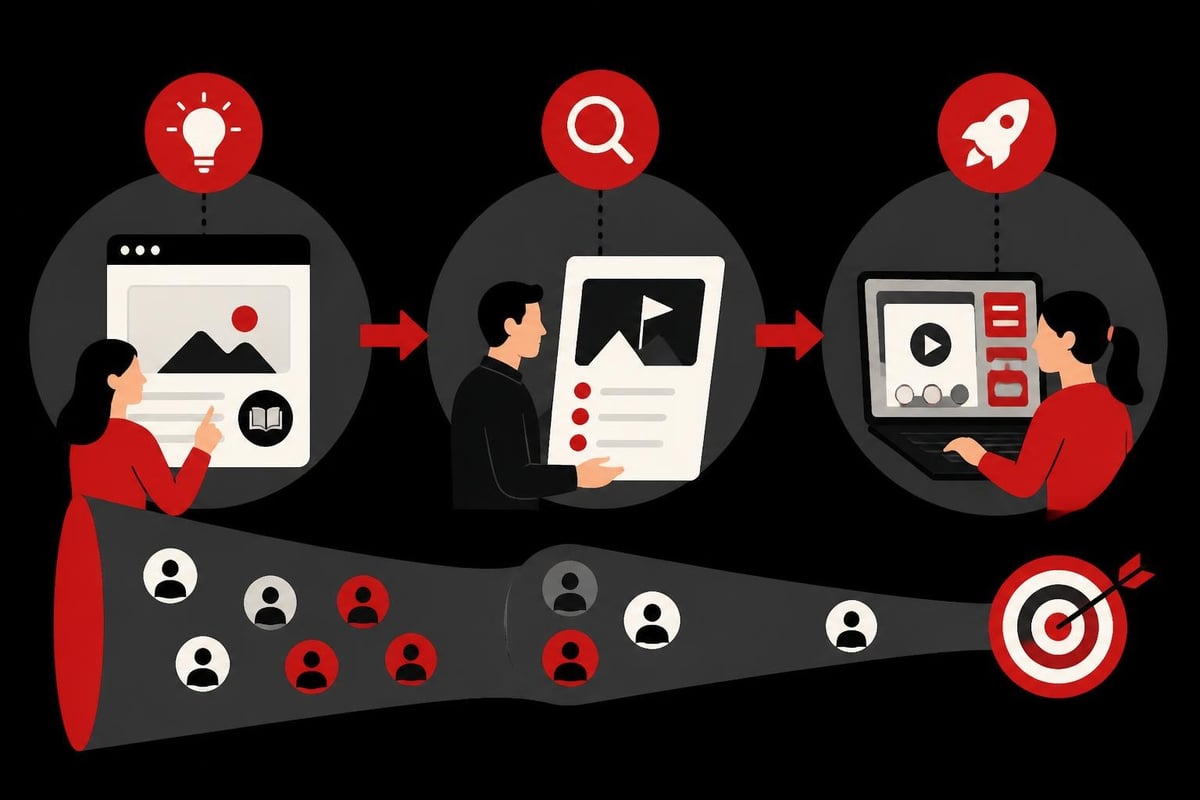
Content marketing remains one of the most powerful lead magnets available, but only when executed strategically. The days of publishing generic blog posts and hoping for traffic are over.
Creating Irresistible Lead Magnets
Your prospects are drowning in information but starving for solutions. The key to effective content-based business lead generation is creating assets that provide immediate, actionable value. Whitepapers continue to generate high-quality B2B leads when they address specific industry challenges with data-backed recommendations.
Top-performing lead magnet formats:
- Industry-specific calculators and ROI tools
- Comprehensive audit templates
- Exclusive research reports with proprietary data
- Step-by-step implementation guides
- Video training series solving specific problems
The critical difference between content that generates leads and content that gets ignored is specificity. Generic advice about "improving productivity" won't capture qualified prospects. A detailed framework for "reducing customer acquisition costs by 40% in SaaS companies" will attract exactly the right audience.
Optimizing Your Landing Pages for Maximum Conversions
Your landing page is where interest transforms into action. Even the most compelling traffic is worthless if your landing pages fail to convert.
Essential elements of high-converting landing pages:
- Clear, benefit-focused headlines that immediately communicate value
- Minimal form fields that reduce friction (start with just name and email)
- Social proof elements including testimonials, client logos, and case study results
- Strong visual hierarchy that guides eyes toward the call-to-action
- Mobile optimization since 60% of B2B research now happens on smartphones
For businesses in competitive markets, cybersecurity concerns can actually become a differentiator. Mentioning that you work with providers like Tien Security to protect customer data demonstrates professionalism and builds trust with security-conscious prospects.
Leveraging AI and Automation for Scalable Growth
The game-changer in modern business lead generation is artificial intelligence. AI doesn't replace human insight-it amplifies it, allowing businesses to operate at a scale previously impossible.
How AI Transforms Lead Generation
Predictive lead scoring analyzes hundreds of data points to identify which prospects are most likely to convert, allowing sales teams to prioritize effectively. Instead of wasting time on cold leads, your team focuses energy where it matters most.
Behavioral trigger automation sends perfectly-timed messages based on prospect actions. When someone downloads your whitepaper at 2 AM, the system sends a personalized follow-up within minutes, not when someone remembers to check their task list.
Intelligent chatbots qualify prospects 24/7, answering common questions and scheduling appointments without human intervention. This creates a frictionless experience for prospects in different time zones or those researching outside business hours.
The integration of AI in digital advertising has made targeting exponentially more precise. Machine learning algorithms continuously optimize ad delivery, budget allocation, and messaging based on real-time performance data.
Implementing Marketing Automation Successfully
| Automation Type | Primary Benefit | Implementation Complexity | ROI Timeline |
|---|---|---|---|
| Email Sequences | Consistent nurturing | Low | 1-2 months |
| Lead Scoring | Better prioritization | Medium | 2-3 months |
| Chatbot Qualification | 24/7 availability | Medium | 1-2 months |
| Retargeting Campaigns | Increased conversions | Low | Immediate |
The mistake many businesses make is automating everything at once. Start with one system, perfect it, then expand. Your sales conversion funnel improves through iteration, not overnight transformation.
Measuring What Matters: Lead Generation Metrics for 2026
You can't improve what you don't measure. The most successful lead generation programs are built on rigorous analytics and continuous optimization.
Key Performance Indicators That Drive Decisions
Cost per lead (CPL) tells you how efficiently you're acquiring prospects. But this metric alone can be misleading-a $5 lead that never converts is worthless compared to a $50 lead that becomes a $10,000 customer.
Lead-to-customer conversion rate reveals the quality of your targeting and qualification process. If you're generating hundreds of leads but few customers, you're attracting the wrong audience or lacking effective nurturing.
Customer acquisition cost (CAC) compared to customer lifetime value (CLV) determines whether your business lead generation efforts are actually profitable. Your CLV should be at least 3x your CAC for sustainable growth.
Time-to-conversion metrics show how long prospects take to move through your pipeline. Longer cycles aren't necessarily bad-they're just different. B2B enterprise deals naturally take longer than SMB sales, and your systems should reflect that reality.
Building a Guaranteed Growth Partnership Model
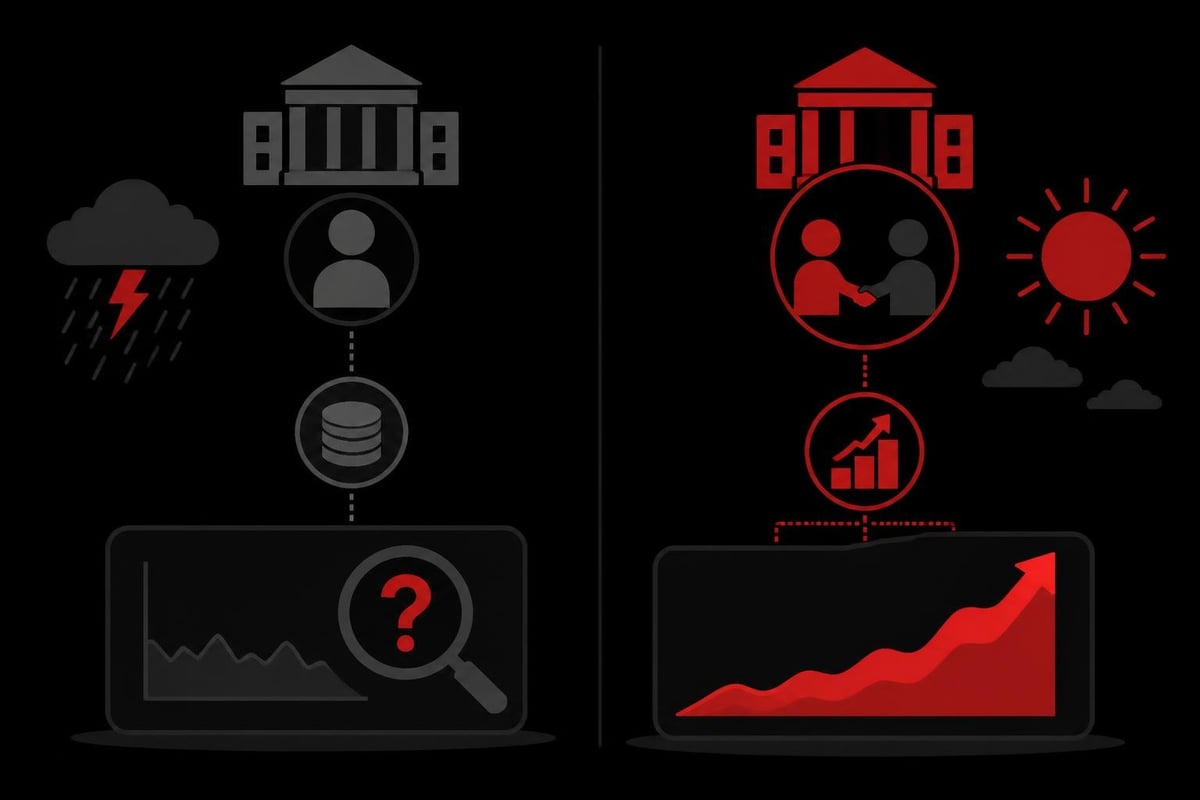
The traditional agency model is broken. Businesses pay thousands of dollars upfront with vague promises about "brand awareness" and "engagement metrics" that don't translate to revenue. This misalignment of incentives creates frustration on both sides.
The guaranteed growth partnership model flips this script. Instead of charging for activities, businesses should partner with providers who invest in their success and get rewarded based on actual results.
This approach requires:
- Transparent reporting on every metric that matters
- Shared risk and shared reward structures
- Continuous optimization based on performance data
- Long-term thinking instead of quick wins
When exploring tools for lead generation, look for partners who are willing to tie their compensation to your outcomes. This alignment ensures they're as motivated as you are to generate qualified leads that actually convert.
Advanced Strategies for Competitive Markets
In saturated markets, standard approaches won't cut it. You need strategies that give you an unfair advantage over competitors still using outdated tactics.
Leveraging Proprietary Data and Research
Creating original research positions your business as an industry authority while generating massive lead flow. When you publish unique insights, media outlets cover your findings, influencers share your data, and prospects naturally gravitate toward your expertise.
The investment in conducting surveys or analyzing industry trends pays dividends for years. One comprehensive study can fuel months of content marketing, speaking opportunities, and media mentions.
Account-Based Marketing for High-Value Prospects
For B2B companies targeting enterprise clients, spray-and-pray approaches waste resources. Account-based marketing (ABM) focuses intense efforts on a curated list of ideal accounts.
ABM tactics that work:
- Personalized direct mail campaigns to decision-makers
- Custom content addressing specific company challenges
- Multi-stakeholder engagement across departments
- Event sponsorships where target accounts gather
- Strategic partnerships that provide warm introductions
This concentrated approach typically yields higher conversion rates and larger deal sizes, making the increased cost per lead entirely worthwhile.
Retargeting and Remarketing for Lost Opportunities
Most prospects aren't ready to buy on first contact. Rather than losing them forever, intelligent retargeting keeps your solution top-of-mind until timing aligns.
Effective retargeting sequences:
- Educational content addressing common objections
- Case studies demonstrating proven results
- Limited-time offers creating urgency
- Alternative solutions for different budget levels
- Final value proposition reinforcing key benefits
The sophistication of modern platforms allows segmentation based on exactly which pages prospects visited, how long they engaged, and what content they consumed. This granular data enables hyper-relevant messaging that feels helpful rather than intrusive.
For businesses analyzing complex data patterns, tools like SnapChart AI demonstrate how AI-powered analysis can identify optimal timing-the same principle applies to determining when prospects are most receptive to your outreach.
Integration: Connecting Lead Generation to Revenue
Business lead generation doesn't exist in isolation. The handoff between marketing and sales determines whether your investment pays off or evaporates.
Creating Seamless Marketing-to-Sales Transitions
Documented lead qualification criteria ensure both teams agree on what constitutes a sales-ready lead. When marketing generates leads that sales considers unqualified, friction emerges and opportunities slip through cracks.
Service-level agreements (SLAs) establish expectations on both sides. Marketing commits to delivering X qualified leads per month. Sales commits to contacting those leads within Y hours. Accountability flows both directions.
Shared CRM systems provide visibility into the entire customer journey. When sales can see every piece of content a prospect consumed before requesting a demo, they enter conversations informed and prepared.
Building Feedback Loops for Continuous Improvement
The best insights about lead quality come from your sales team. They talk to prospects daily and know which sources consistently produce buyers versus tire-kickers.
Implement weekly sync meetings where sales shares what's working and what's not. This qualitative feedback complements quantitative analytics, revealing patterns that numbers alone might miss.
Understanding how to find leads for your business requires constant testing and refinement. Markets shift, competitors adapt, and buyer preferences evolve. Static strategies become obsolete strategies.
Scaling Your Lead Generation Machine
Once you've validated what works, the next challenge is scaling without sacrificing quality. Growth requires systematization and often additional resources.
When to Expand Your Lead Generation Efforts
Signals it's time to scale:
- Consistent conversion rates across multiple months
- Sales team capacity exceeding lead volume
- Positive ROI on current campaigns
- Proven systems and documented processes
- Budget available for expansion
Scaling prematurely creates chaos. Scaling too conservatively leaves revenue on the table. The sweet spot comes when your systems are predictable and repeatable.
Choosing the Right Lead Generation Partners
Many businesses eventually partner with specialized lead generation companies to accelerate growth. The right partner brings expertise, technology, and dedicated focus that internal teams can't always match.
Evaluation criteria for potential partners:
- Demonstrated results in your specific industry
- Transparent reporting and communication practices
- Technology stack compatibility with your systems
- Flexible pricing models aligned with performance
- Cultural fit and shared values
The wrong partner wastes time and money. The right partner becomes an extension of your team, driving growth while you focus on serving customers.
Future-Proofing Your Lead Generation Strategy
The landscape continues evolving rapidly. Strategies that dominate today might become obsolete tomorrow. Future-proof approaches balance current best practices with adaptability.
Emerging trends shaping business lead generation:
- Voice search optimization changing how prospects find solutions
- Interactive content formats increasing engagement
- Privacy regulations requiring permission-based marketing
- AI-generated personalization at unprecedented scale
- Community-building as a lead generation channel
Businesses that experiment with emerging channels before competitors gain first-mover advantages. But experimentation should represent 10-20% of effort, not 100%. Core strategies that work deserve continued investment.
Staying informed through resources like the latest trends in lead generation ensures you're never blindsided by market shifts. Continuous learning separates leaders from those playing catch-up.
Mastering business lead generation in 2026 requires the right blend of strategy, technology, and execution-converting cold prospects into enthusiastic customers through systematic, scalable processes. If you're ready to transform your lead generation from unpredictable to unstoppable, Aletto provides the AI-powered systems, guaranteed growth partnership, and transparent approach that aligns our success directly with yours, ensuring every lead generated moves you closer to your revenue goals.