

Businesses searching for sustainable growth in 2026 need more than fleeting paid traffic. The most successful companies understand that organic search remains one of the highest-converting channels for qualified prospects. When you strategically position your services in front of decision-makers actively searching for solutions, you create a pipeline of warm leads who already understand their problem and are evaluating providers. The challenge isn't whether SEO works for lead generation-it's executing the right strategy to capture, qualify, and convert those searchers into paying customers. This comprehensive guide reveals exactly how to get SEO leads that drive measurable revenue growth.
Understanding the SEO Lead Generation Ecosystem
The foundation of successful SEO lead generation starts with recognizing how search intent aligns with buying stages. Prospects searching "how to generate more sales leads" occupy a completely different stage than those typing "best lead generation agency in Chicago." Understanding this distinction separates companies that get SEO leads consistently from those drowning in irrelevant traffic.
Your SEO strategy must address three critical components working in harmony:
- Search visibility: Ranking for terms your ideal customers actually use
- Content relevance: Providing answers that demonstrate expertise and build trust
- Conversion architecture: Transforming visitors into identifiable, contactable leads
When executed properly, SEO becomes a predictable lead generation engine rather than a speculative investment. The key lies in building systems that capture demand at every stage of the buyer journey.

Mapping Keywords to Revenue Outcomes
Not all keywords deserve equal investment. Strategic SEO for lead generation prioritizes terms where commercial intent and search volume intersect with your competitive advantage. Start by identifying the exact phrases prospects use when they're ready to engage a provider, then work backward to capture earlier awareness-stage searches.
According to Google’s SEO Starter Guide, understanding user intent is fundamental to creating content that satisfies both search engines and potential customers.
| Keyword Type | Search Intent | Conversion Potential | Example |
|---|---|---|---|
| Problem-Aware | Research | Low (3-5%) | "why aren't my ads converting" |
| Solution-Aware | Comparison | Medium (8-12%) | "lead generation tactics 2026" |
| Provider-Ready | Evaluation | High (25-40%) | "B2B lead generation services pricing" |
Companies like Aletto leverage AI-driven keyword intelligence to identify gaps where high-intent searches meet underserved content opportunities, creating fast paths to ranking and revenue.
Building Landing Pages That Convert Search Traffic
Even perfect rankings become worthless without optimized destination pages. The harsh reality: most companies lose 70-90% of their organic traffic because landing pages fail to acknowledge search intent or provide clear next steps. You don't need dozens of pages-you need strategically designed assets that speak directly to searcher problems and guide them toward conversion.
Structural Elements That Drive Conversions
Every SEO-optimized landing page designed to get SEO leads should incorporate these proven elements:
- Headline alignment: Mirror the language and intent of your target keyword
- Trust indicators: Client results, certifications, and third-party validation positioned above the fold
- Value proposition: Clear articulation of unique outcomes within the first 100 words
- Strategic friction: Gated assets calibrated to qualification level (lighter forms for awareness, detailed forms for ready-to-buy)
The SEMrush guide to SEO landing pages provides detailed technical specifications for on-page optimization that balances search engine requirements with user experience.
Research from Unbounce’s conversion benchmark study reveals that landing pages in the B2B services sector average conversion rates between 4-7%, but top performers consistently achieve 12-15% by implementing focused page strategies.
Consider this approach: create three distinct landing page templates mapped to different intent levels. Awareness-stage pages offer downloadable guides with minimal form fields. Consideration pages include case studies with mid-level qualification questions. Decision-stage pages feature pricing calculators or assessment tools that gather detailed information from sales-ready prospects. For guidance on building comprehensive systems, explore proven approaches to demand generation marketing.
Content Strategies That Attract Ready-to-Buy Searchers
Generic blog content generates traffic without leads. Strategic content attracts prospects who are actually evaluating providers. The difference lies in addressing specific buying concerns rather than educational overviews. When you consistently publish content that helps prospects make provider decisions, you position yourself as the obvious choice.
Creating Bottom-of-Funnel SEO Assets
The most effective way to get SEO leads involves creating content specifically for late-stage searchers:
- Comparison guides: "In-house vs. Agency Lead Generation: Total Cost Analysis 2026"
- Selection frameworks: "7 Questions to Ask Before Hiring a Lead Generation Partner"
- ROI calculators: Interactive tools that demonstrate potential value
- Implementation roadmaps: "Your First 90 Days Working with a Lead Gen Agency"
These assets serve dual purposes. They rank for high-intent keywords while simultaneously pre-qualifying prospects and addressing objections before sales conversations begin. This approach significantly increases the quality of leads entering your pipeline.
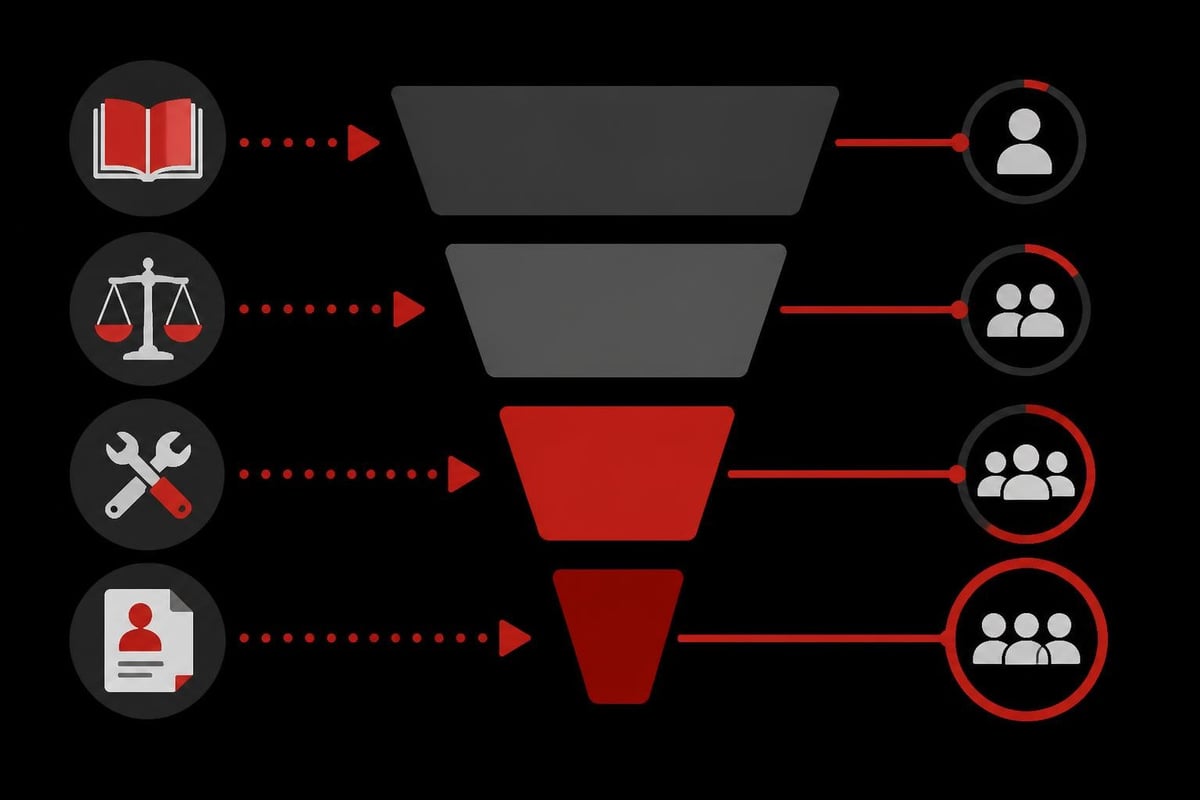
The debate around gating content remains relevant in 2026. Strategic gating recognizes that not all content serves the same purpose. Gate specialized tools, detailed frameworks, and proprietary research. Leave educational content ungated to build authority and capture early-stage attention that may convert months later.
Technical SEO Foundations for Lead Generation
Technical excellence removes barriers between your content and searchers ready to convert. While creative content attracts attention, technical SEO ensures that content actually reaches its audience. Companies serious about SEO lead generation invest in technical foundations that support scalability and sustainable rankings.
Essential Technical Optimizations
Page speed directly impacts conversion rates. Every second of load time beyond two seconds reduces conversions by approximately 7%. Compress images, implement lazy loading, and minimize JavaScript execution to keep pages loading under 1.5 seconds on mobile devices.
Schema markup provides context that helps search engines understand your services, locations, reviews, and pricing. Implement Organization, Service, LocalBusiness, and Review schema to increase visibility in rich results and knowledge panels.
Mobile optimization isn't optional when 73% of B2B research now starts on mobile devices. Ensure forms work flawlessly on smartphones, buttons are properly sized, and critical information appears above the fold on all screen sizes.
| Technical Element | Impact on Lead Gen | Priority Level |
|---|---|---|
| Core Web Vitals | Conversion rates ±15% | Critical |
| Schema Markup | Rich result visibility | High |
| Mobile UX | Traffic quality | Critical |
| SSL/HTTPS | Trust + rankings | Critical |
| XML Sitemap | Crawl efficiency | Medium |
Companies that master these technical elements create competitive moats. Prospects researching providers encounter your content first, load it fastest, and convert most easily-compounding advantages that competitors struggle to overcome.
Local SEO Tactics for Service-Based Businesses
For businesses serving specific geographic markets, local SEO becomes the fastest path to qualified leads. Decision-makers searching "lead generation agency near me" or "Chicago B2B marketing firm" demonstrate immediate purchase intent combined with location preference-the ideal combination for rapid conversion.
BrightLocal’s guide to local SEO lead generation emphasizes that businesses appearing in the local pack receive 33% of all clicks for local searches. That concentration of attention makes local optimization non-negotiable for service providers.
Dominating Local Search Results
Your Google Business Profile serves as your primary local asset. Optimize it completely:
- Select the most specific category that matches your core service
- Maintain 100% profile completion, including hours, services, and attributes
- Generate consistent reviews (aim for 5-10 new reviews monthly)
- Post weekly updates featuring projects, insights, or client wins
- Add Q&A content addressing common prospect questions
Beyond your Business Profile, create location-specific landing pages for each service area. These pages should include localized case studies, area-specific statistics, and unique content-never duplicate templates with swapped city names. Search engines detect and penalize thin local pages.
Smart companies also leverage tools like BrandScout to monitor local competitive positioning and identify market gaps where they can establish authority faster than competitors.
Converting Organic Traffic Into Qualified Opportunities
Rankings and traffic mean nothing without conversion mechanisms that transform anonymous visitors into identifiable prospects. The most successful companies implement layered conversion strategies that accommodate different readiness levels and information preferences.
Progressive Profiling and Conversion Paths
Rather than demanding full contact details immediately, implement progressive profiling that gathers information incrementally:
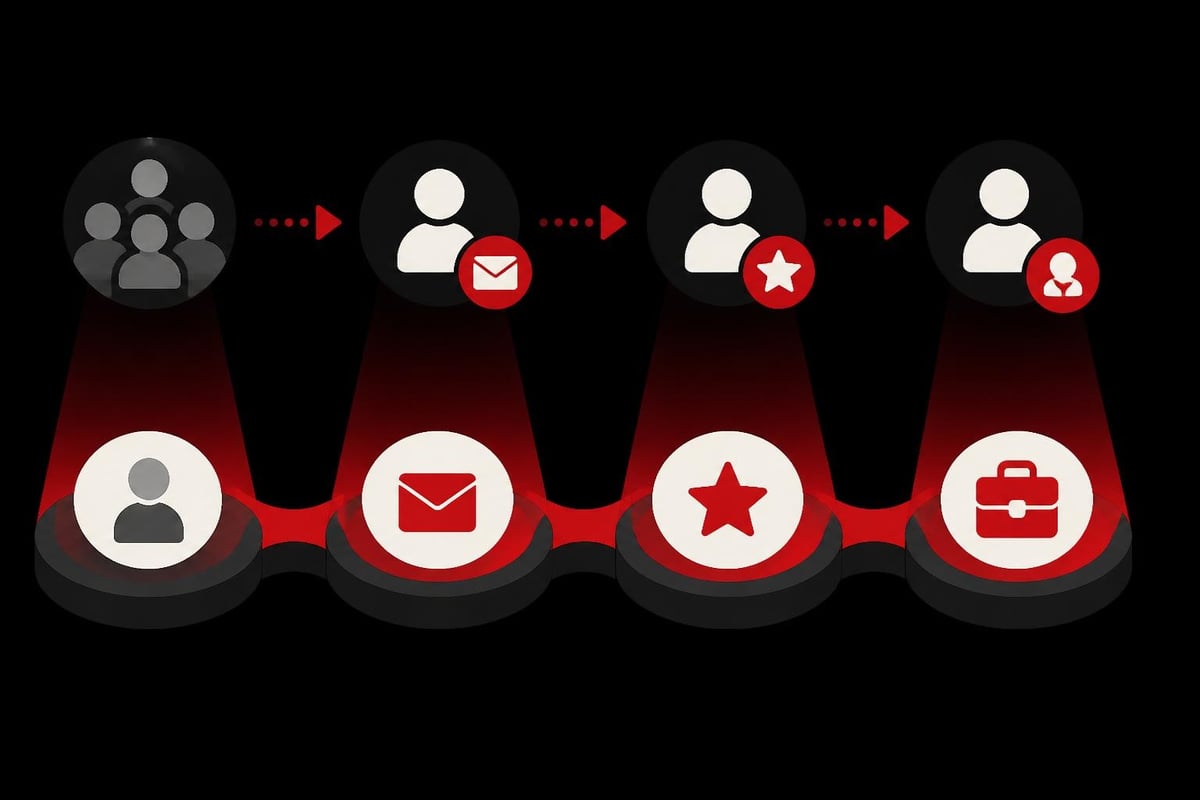
- First touch: Email-only gate for valuable content
- Second touch: Email + company for specialized tools
- Third touch: Full qualification form for demos or assessments
This approach recognizes that trust builds over time. Early interactions require minimal commitment, while deeper engagement correlates with higher information exchange. You improve overall conversion rates while simultaneously gathering qualification data that helps sales prioritize follow-up.
For companies seeking systematic approaches, understanding lead generation strategies provides frameworks for building comprehensive conversion architecture.
Chatbots and conversational marketing enhance conversion by providing immediate engagement. Implement AI-powered chat that qualifies visitors based on their browsing behavior, answers common questions, and captures contact information from engaged prospects. The key: program chatbots to recognize buying signals and escalate appropriately rather than annoying every visitor.
Measuring and Optimizing SEO Lead Performance
What gets measured gets improved. Companies that consistently get SEO leads implement robust tracking systems connecting rankings to revenue. This visibility reveals which keywords drive qualified opportunities versus vanity traffic, enabling continuous optimization toward commercial outcomes.
Essential Metrics for SEO Lead Generation
Track these critical indicators monthly:
- Keyword rankings by intent stage: Monitor movement across awareness, consideration, and decision keywords separately
- Organic conversion rate by page: Identify your highest-performing content and double down
- Lead source attribution: Connect closed deals back to originating organic keywords
- Cost per lead: Calculate SEO investment divided by generated leads for comparison with paid channels
- Lead quality scores: Work with sales to rate lead readiness and alignment
| Metric | Calculation | Target Benchmark |
|---|---|---|
| Organic CVR | Leads ÷ Organic Sessions | 3-7% |
| SEO Cost Per Lead | Monthly SEO Investment ÷ Leads | $150-$400 |
| Lead-to-Customer | Customers ÷ SEO Leads | 15-25% |
| Revenue Per Session | Revenue ÷ Sessions | $8-$25 |
These metrics reveal optimization opportunities. If conversion rates lag, focus on landing page improvements. If lead quality disappoints, refine keyword targeting toward higher-intent searches. If cost per lead exceeds targets, audit content efficiency and technical performance.
According to Ahrefs’ comprehensive guide to SEO leads, agencies that implement systematic tracking and optimization processes generate 3-4x more qualified leads per keyword than competitors who simply chase rankings without revenue accountability.
Strategic Content Distribution and Amplification
Creating exceptional content represents only half the battle. Strategic distribution ensures your SEO assets reach maximum qualified audiences while building the authority signals that improve rankings. Smart amplification compounds SEO investment by extracting multiple returns from single assets.
Multi-Channel Content Leverage
Once you publish SEO-optimized content, extend its reach through:
- Email nurture sequences featuring your best content delivered to subscribers based on interests
- LinkedIn organic posting with unique perspectives that link to comprehensive blog content
- Partner syndication with complementary service providers reaching similar audiences
- Sales enablement assets transforming blog content into presentation decks and leave-behinds
This approach creates multiple entry points while reinforcing brand presence across channels prospects already use. When decision-makers encounter your insights repeatedly across platforms, credibility accumulates faster than single-channel strategies achieve.
Consider repurposing high-performing content into different formats. Transform comprehensive guides into video series, infographics, podcast episodes, or interactive assessments. Each format attracts different learning preferences while generating additional ranking opportunities and backlink potential.
Building Authority Through Strategic Link Acquisition
Backlinks remain crucial ranking signals in 2026, but quality dramatically outweighs quantity. A single link from an industry-recognized authority outperforms dozens of directory listings. Focus your link-building efforts on relationships and genuine value creation rather than scaled outreach.
Authority-Building Link Strategies
Original research and data studies naturally attract links from journalists, bloggers, and industry publications. Conduct surveys of your target market, analyze trends, or compile industry benchmarks. Publish findings with compelling visuals and promotion strategies that make it easy for others to reference and link.
Strategic partnerships with complementary service providers create authentic link opportunities. Co-create content, host joint webinars, or develop shared tools that benefit both audiences. These relationships generate relevant links while expanding market reach.
Expert contributions to industry publications position you as a thought leader while earning authoritative backlinks. Pitch unique perspectives to established blogs, contribute to industry reports, or participate in expert roundups that include author attribution and links.
Avoid purchasing links, participating in link schemes, or engaging in reciprocal link exchanges-these tactics carry significant penalty risks that outweigh short-term ranking benefits. Learn more about comprehensive growth strategies through end-to-end marketing approaches that integrate multiple channels sustainably.
Integrating SEO With Broader Lead Generation Systems
The most effective way to get SEO leads involves integration with complementary channels rather than treating organic search as an isolated initiative. When SEO works alongside paid advertising, email marketing, and sales enablement, total system performance exceeds the sum of individual channels.
Cross-Channel Synergies
Paid search accelerates SEO results by identifying high-converting keywords before organic rankings develop. Test messaging and landing pages through PPC, then optimize for organic visibility once conversion proof exists. This approach reduces SEO speculation and focuses efforts on commercially validated opportunities.
Email marketing nurtures organic leads who aren't immediately sales-ready. Capture early-stage visitors through content offers, then deploy automated sequences that educate, build trust, and identify buying signals over weeks or months. This combination maximizes lifetime value from organic traffic.
Sales intelligence platforms enhance lead quality by enriching form submissions with firmographic data, buying signals, and technographic insights. When sales receives leads with complete context about company size, technology stack, and recent activity, conversion rates improve dramatically.
Companies succeeding with SEO lead generation treat it as one component within comprehensive revenue systems. They understand qualified leads require orchestration across multiple touchpoints and channels, with SEO providing foundational visibility that other tactics leverage and amplify.
Sustainable lead generation in 2026 demands strategic SEO execution that connects search visibility to revenue outcomes. By optimizing for commercial intent, building conversion-focused landing pages, and measuring performance against business objectives rather than vanity metrics, you transform organic search into a predictable growth engine. Aletto specializes in building exactly these integrated systems-leveraging advanced AI to generate qualified sales leads, automate appointment bookings, and transform cold prospects into ready-to-buy customers through guaranteed growth partnerships that align our success with yours.