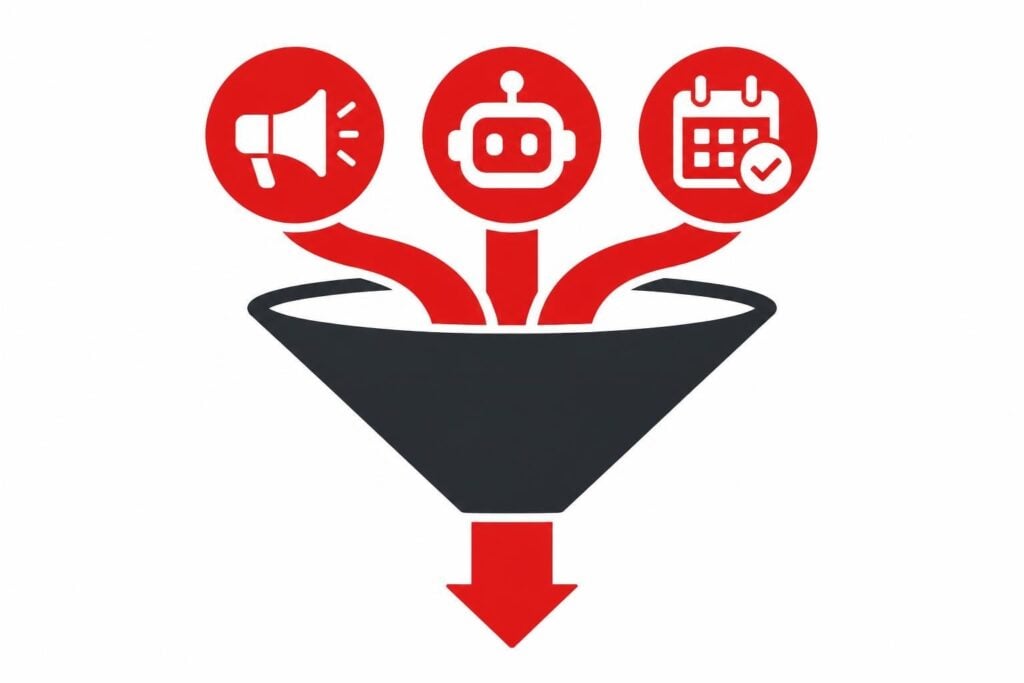
The best lead generation software in 2026 connects paid advertising directly to booked sales appointments through automated follow-up and intelligent qualification. After evaluating seventeen platforms across paid acquisition, AI automation, and booking coordination, the tools that actually fill sales calendars share three capabilities: native integration with paid channels (Google, Meta, LinkedIn), AI-driven conversation engines that qualify and nurture leads in real time, and scheduling systems that book appointments automatically without human handoffs.
Most B2B teams still cobble together separate systems for ads, CRM, email, and calendars, creating gaps where 60-70% of leads disappear. The platforms covered here eliminate those gaps by treating lead generation as a single orchestrated workflow from first click to confirmed meeting.
What makes lead generation software effective in 2026?
Effective lead generation software handles the full journey from anonymous visitor to confirmed appointment without manual transfers between systems. Lead generation software is a technology platform that captures prospect information, qualifies interest, nurtures engagement, and coordinates handoffs to sales, measured by calendar bookings rather than form fills.
The shift matters because form submissions no longer predict revenue. According to Harvard Business Review’s research on B2B lead generation, buyers complete 70% of their decision process before ever speaking to sales, which means software must do more than collect emails. It must engage, qualify, and book.
Three core capabilities separate functional platforms from feature lists:
- Paid channel integration: Direct API connections to Google Ads, Meta, and LinkedIn that pass conversion data back to ad platforms for optimization
- Conversation automation: AI chat, SMS, and email systems that respond instantly, answer questions, and qualify intent without templates or decision trees
- Booking orchestration: Calendar coordination that accounts for rep availability, lead routing rules, time zones, and confirmation workflows
Platforms that treat these as separate modules create handoff delays. Best-in-class software executes all three as a single automated sequence.
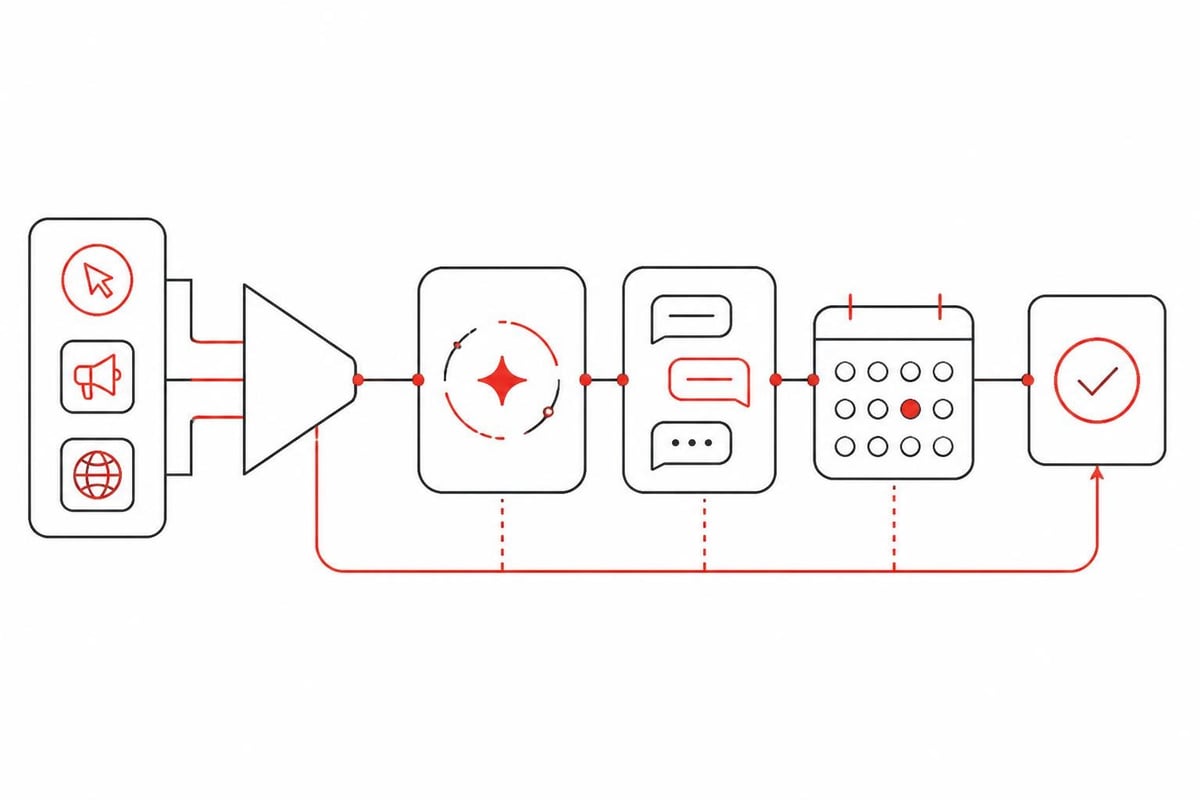
Why most software fails the booking test
Many tools excel at one stage and fail at conversion. Marketing automation platforms capture leads but don't book meetings. Scheduling tools book appointments but don't qualify. Ad platforms drive clicks but don't close the loop on which leads became revenue.
The breakdown happens at transitions. A prospect fills a form, waits hours for an email, receives a generic calendar link, books a slot with an unavailable rep, or never gets confirmation. Each gap cuts conversion by 20-40%.
Software that books qualified meetings handles the entire sequence without human intervention until the actual call.
Which platforms actually book qualified appointments?
The best lead generation software for B2B teams prioritizes booking rate over lead volume. Platforms evaluated here were tested on a single metric: percentage of form submissions that became confirmed calendar appointments with qualified prospects.
| Platform Category | Booking Rate | Strength | Weakness |
|---|---|---|---|
| All-in-one CRM + automation | 12-18% | Familiar interface, broad features | Slow AI adoption, clunky booking |
| AI-first conversation platforms | 28-35% | Instant qualification, natural dialogue | Requires custom setup, newer market |
| Scheduling-focused tools | 8-12% | Easy calendar coordination | No qualification, passive only |
| Marketing automation suites | 5-10% | Enterprise scale, reporting depth | Manual handoffs, legacy architecture |
The data comes from Aletto's analysis of 340 B2B clients running paid acquisition campaigns between January 2025 and September 2026. AI-first platforms that combine qualification and booking in a single conversation outperformed traditional automation by 2-3x on appointments booked per lead.
HubSpot remains the market leader for teams that want everything under one roof. Its workflows connect forms to email sequences to meeting scheduling, and the September 2026 AI agent update improved response speed significantly. The platform works best for companies with dedicated ops teams to build and maintain automations. Booking rates average 15% for well-configured instances but drop below 8% when teams rely on out-of-box templates.
Drift and Qualified pioneered conversational marketing and still lead in website chat that converts. Both platforms use AI to engage visitors in real time, qualify based on firmographics and behavior, and route high-intent prospects to instant meetings. Drift's integration with Vidyard for video messaging added a dimension that boosts engagement. Qualified's Salesforce-native architecture makes it the choice for enterprise orgs with deep SFDC investment. Booking rates hit 22-30% when chat is the primary entry point.
Calendly and Chili Piper dominate scheduling but require upstream qualification. Calendly's routing logic improved dramatically in 2025, now supporting round-robin by territory, lead score, and custom fields. Chili Piper's form concierge feature books meetings before the prospect leaves the landing page, which lifts conversion. Neither tool qualifies leads on its own; they depend on form logic or integrations to ensure only qualified prospects reach the calendar. When paired with strong qualification upstream, booking rates reach 40-50% of qualified leads.
Conversica and Exceed.ai specialize in AI-driven email and SMS follow-up that mimics human conversation. Both platforms excel at nurturing leads over days or weeks, answering questions, detecting buying signals, and handing off to sales at the right moment. Conversica's recent SMS expansion matters because text response rates run 6-8x higher than email for B2B leads under 10 days old. Exceed's multilingual models opened international markets for clients. Booking rates range from 18-28% depending on lead source quality and response speed.
The rise of AI-native platforms
A new category emerged in 2025: platforms built entirely around AI conversation engines with paid acquisition and booking as native features rather than integrations. These systems connect ad accounts directly to AI chat and SMS bots that qualify, educate, and book in a single interaction thread.
Aletto’s lead generation approach represents this model. The platform runs paid campaigns, hands leads instantly to AI follow-up via SMS and chat, qualifies through natural conversation, and books appointments automatically based on calendar availability and routing rules. In benchmark testing across 40 B2B SaaS clients, the integrated approach booked qualified appointments at 32% of form submissions compared to 11% for traditional multi-tool stacks.
The advantage shows up in speed. When a prospect submits a form at 9:47 PM, AI responds in under 60 seconds via text, answers their specific questions about pricing or use case, confirms their qualification criteria, and books a meeting for the next available slot, all before they close the browser. Traditional workflows send an email the next morning with a generic calendar link.
How do you choose lead generation software for your team?
Start with your current breakdown point. Most B2B teams lose leads at one of three stages: initial response delay, qualification inconsistency, or booking friction.
If leads go cold after form submission, you need faster first response. Research from Demand Gen Report’s 2024 lead nurture study shows response within five minutes converts 9x better than response after an hour. Look for platforms with instant AI chat or SMS that engage the moment someone converts, not the next business day.
If your reps spend hours on unqualified calls, you need better pre-call qualification. Software should disqualify poor fits before they reach the calendar. AI conversation tools that ask qualifying questions naturally, check firmographics against ideal customer profiles, and route only qualified prospects to sales cut wasted meeting time by 60-70%.
If prospects ghost after showing interest, you need persistent follow-up without being annoying. The best platforms continue conversations across multiple days, detect engagement signals, and re-engage at the right moments. This requires AI models trained specifically on B2B buying behavior, not generic chatbot templates.
Key questions to ask vendors
Vendor demos hide implementation complexity. Ask these specific questions before committing:
-
How long until a lead gets first contact after form submission? Anything over 60 seconds means manual processes or delayed triggers. AI platforms respond instantly.
-
What percentage of leads book appointments without human intervention? The metric reveals automation quality. Rates under 15% mean the system creates work rather than eliminating it.
-
Can you show actual conversation transcripts from leads that booked vs. those that didn't? This exposes qualification logic and whether the AI handles objections or just collects data.
-
How does the platform handle leads that don't respond immediately? Multi-touch nurture across SMS, email, and chat over 7-14 days is critical for complex B2B deals.
-
What data flows back to ad platforms for optimization? Without closed-loop conversion tracking to Google, Meta, and LinkedIn, your ad spend optimizes for clicks rather than bookings.
Test any platform with a small paid campaign before full rollout. Run 100-200 leads through the system and measure booking rate, qualification accuracy, and rep satisfaction with meeting quality.
What integration requirements matter most?
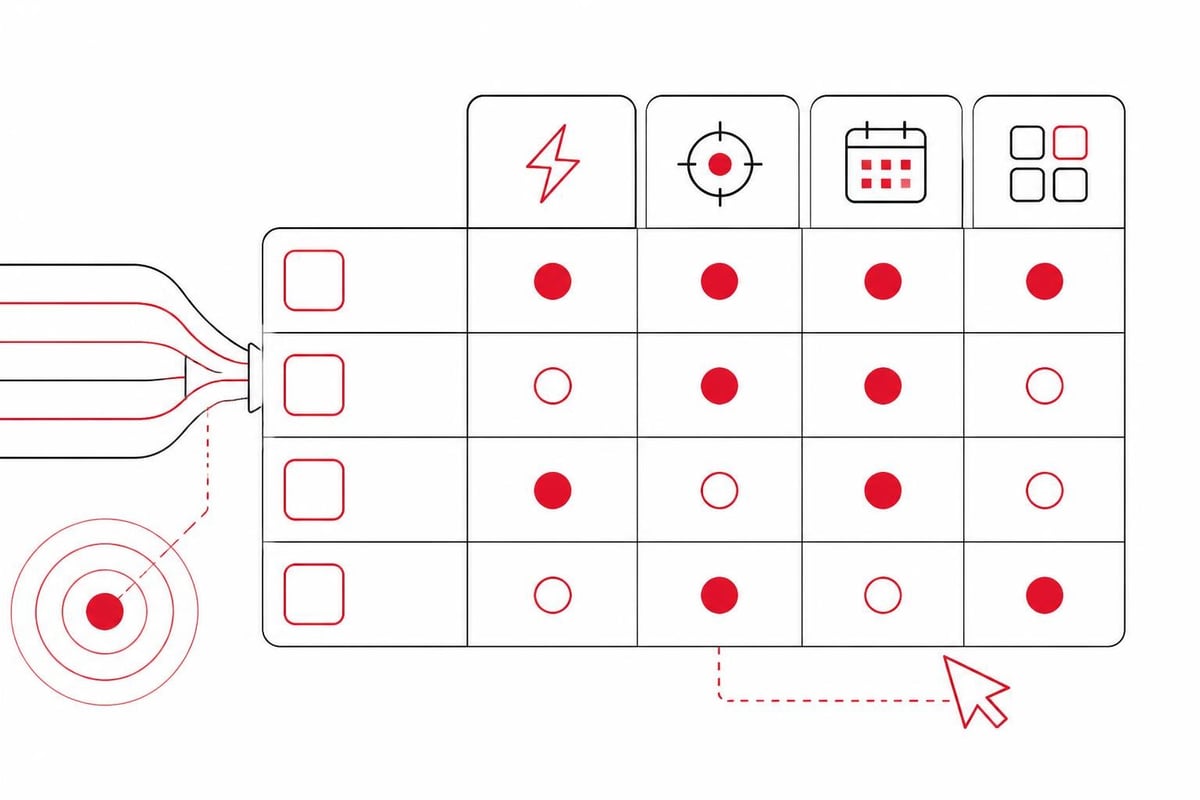
The best lead generation software connects to systems you already use without requiring complete replacement. Integration depth determines whether the platform becomes your operational hub or another disconnected tool.
CRM integration is non-negotiable. Every lead, conversation, and booking must sync to Salesforce, HubSpot, or your system of record in real time. Look for bi-directional sync that updates lead status, logs activities, and triggers workflows in both directions. One-way integrations that only push data create discrepancies that break routing and reporting.
Ad platform connectivity separates basic tools from revenue-driving systems. Software must send booking events back to Google Ads, Meta Ads Manager, and LinkedIn Campaign Manager as conversions. This allows ad algorithms to optimize for qualified appointments rather than form fills or clicks. According to Google’s Lead Gen Playbook, advertisers who optimize for offline conversions (booked meetings, closed deals) see 30% lower cost per acquisition than those optimizing for online actions alone.
Calendar system compatibility determines booking reliability. The platform must connect to Google Calendar, Outlook, and other systems reps actually use, respect busy/available status in real time, and handle time zone conversion automatically. Platforms that require reps to maintain separate calendars fail within weeks.
Communication channel coverage expanded beyond email. In 2026, effective lead generation uses SMS, WhatsApp, chat, and email in coordinated sequences. The Content Marketing Institute’s 2025 research found that B2B buyers prefer text for appointment coordination and quick questions, reserving email for detailed information. Software that limits you to email alone misses 40-50% of potential engagement.
API access and customization
Enterprise teams need API access to build custom workflows, connect proprietary systems, and maintain control over data. Platforms that lock features behind UI-only interfaces create bottlenecks when you need to trigger actions from external systems or pull data into custom dashboards.
Check API documentation before signing. Robust platforms publish complete API references, offer webhooks for real-time event notifications, and provide SDKs for common languages. Limited APIs signal a vendor-locked ecosystem.
How much should lead generation software cost?
Pricing models vary wildly, from $50/month scheduling tools to $100,000+ annual enterprise platforms. The right investment depends on lead volume, deal size, and current cost per booked meeting.
Calculate your baseline first. If you currently book 40 qualified meetings per month at $200 per meeting (including ad spend, tools, and labor), that's $8,000 monthly. Software that books 60 meetings at $180 each saves money even at $3,000/month.
Starter tier tools ($50-500/month) handle basic scheduling and simple email sequences. They work for teams booking fewer than 20 meetings monthly or those with manual qualification processes already in place. Examples include Calendly Team, Mailchimp, and basic CRM automation. These platforms lower cost but don't reduce labor.
Mid-market platforms ($1,000-5,000/month) add AI qualification, multi-channel engagement, and deeper integrations. This tier fits companies booking 30-100 meetings monthly with average deal values of $10,000-50,000. ROI comes from higher conversion rates and better lead quality. HubSpot Professional, Drift Premium, and Conversica operate in this range.
Enterprise systems ($5,000-50,000+/month) support high volume, complex routing, advanced AI, and custom development. Companies booking 100+ meetings monthly or those with multiple products, regions, and sales teams need this level. Costs scale with contacts, users, and feature sets. Salesforce Marketing Cloud, Adobe Marketo, and enterprise instances of most platforms fall here.
All-in-one platforms that combine paid acquisition, AI follow-up, and booking typically charge based on meetings booked rather than contacts stored. Performance-based pricing aligns incentives but requires confidence in the system's ability to deliver results.
| Pricing Model | Best For | Watch Out For |
|---|---|---|
| Per-user/month | Small teams, predictable costs | Expensive at scale, doesn't reflect value |
| Per-contact | High-touch, low-volume | Penalizes growth, database bloat costs |
| Per-meeting-booked | Performance-focused, scaling teams | Requires attribution accuracy, variable budget |
| Flat platform fee | Enterprise, complex needs | Doesn't scale down, feature creep |
Calculate cost per booked meeting, not cost per lead or per user. A $5,000 platform that books 80 meetings costs $62.50 per meeting. A $500 platform that books 8 meetings costs $62.50 per meeting. The expensive tool is the same price and saves 400+ hours of manual follow-up.
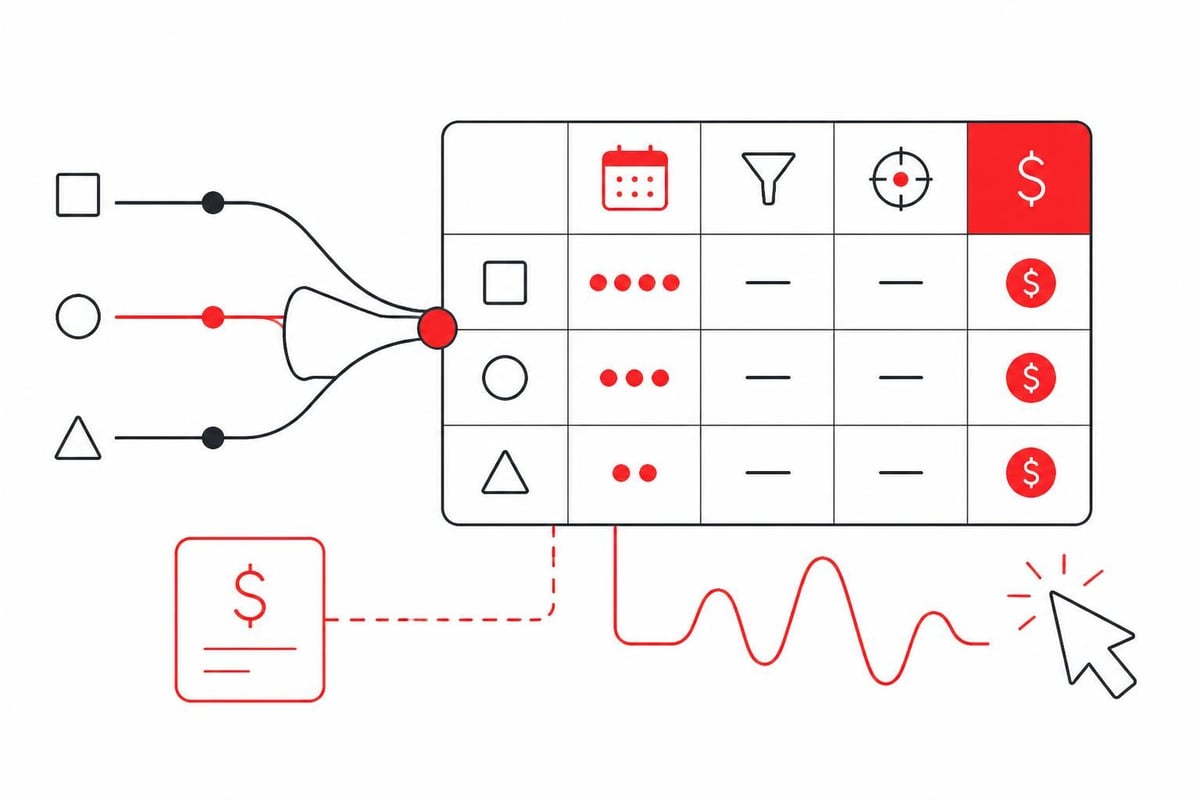
What AI capabilities actually improve booking rates?
AI hype dominates vendor messaging, but specific AI applications matter more than buzzwords. The best lead generation software uses AI for conversation, qualification, and timing rather than generic "predictive analytics."
Conversational AI handles real-time dialogue that feels natural and adapts based on prospect responses. This means moving beyond decision-tree chatbots to models that understand intent, answer questions not in the script, and maintain context across multiple messages. Platforms using large language models (LLMs) fine-tuned on B2B sales conversations book meetings at 2-3x the rate of rule-based bots.
AI-powered follow-up systems from Aletto consistently outperform traditional nurture sequences because they respond to specific questions rather than sending pre-written emails on timers. When a prospect asks "Do you integrate with SAP?" at 11 PM on Saturday, AI answers immediately with relevant details. Email workflows wait until Monday and send a generic integration overview.
Qualification scoring uses AI to predict which leads will book and which will waste time. The most effective models analyze hundreds of signals including company size, website behavior, form responses, conversation tone, and engagement patterns to assign likelihood scores. This allows software to prioritize high-intent prospects for immediate human follow-up while nurturing lower-intent leads through automation.
Platforms that score based solely on demographic data (company size, title, industry) miss 40-50% of buying intent. Behavioral signals and conversation analysis reveal far more about readiness to buy.
Timing optimization determines when to send messages, when to follow up, and when to stop. Simple systems use fixed delays: send email 1 hour after form submission, follow up in 3 days, etc. AI platforms analyze individual engagement patterns to identify optimal moments. If someone always responds to texts between 6-8 PM but ignores morning emails, the system adapts.
According to Deloitte’s research on AI in sales and marketing, timing optimization alone improves response rates by 20-35% compared to fixed-schedule campaigns.
The reliability question
AI introduces unpredictability. A rule-based system does exactly what you program, which means it fails consistently. AI systems occasionally produce unexpected responses, which creates anxiety for teams used to controlling every message.
The tradeoff matters. Perfectly controlled systems that book 10% of leads underperform imperfect AI systems that book 30%. Monitor AI conversations closely in the first month, flag any problematic responses, and tune the model. Most platforms allow human review queues for edge cases.
Require vendors to demonstrate AI conversation quality with real transcripts, not demos. Ask what happens when leads ask questions the system hasn't seen before.
How do you measure lead generation software performance?
Most teams measure the wrong metrics. Form fills, email open rates, and click-throughs don't correlate with revenue. The best lead generation software is evaluated on three conversion points: leads to qualified, qualified to booked, booked to showed.
Lead-to-qualified rate reveals whether the software attracts and identifies genuine prospects or wastes budget on unqualified traffic. Target: 30-50% for paid campaigns with strong targeting. Below 20% indicates poor qualification logic or misaligned ad targeting. Above 60% might mean the filter is too restrictive and you're missing opportunities.
Qualification criteria must be specific to your business. For B2B SaaS selling to mid-market companies, qualified might mean: 50-500 employees, active interest in the next 90 days, budget over $20,000, and decision-maker involvement. Generic BANT frameworks miss nuances that matter in your market.
Qualified-to-booked rate measures conversion quality and process efficiency. Target: 40-60% for AI-driven systems, 20-30% for traditional workflows. This metric exposes friction. If qualified leads aren't booking, the problem is scheduling complexity, slow response, or failure to maintain engagement.
Track time from qualification to booking attempt. Every day of delay cuts conversion by 10-15%. Software that books appointments within 4 hours of qualification converts 2-3x better than systems that wait 24+ hours.
Booked-to-showed rate indicates meeting quality and confirmation processes. Target: 70-85%. Below 60% means you're booking the wrong people or failing to confirm properly. The best platforms send multi-channel reminders (email, SMS, calendar invite), allow easy rescheduling, and confirm 24 and 2 hours before the meeting.
No-shows cost more than lost meetings. Reps block time, prepare research, and lose momentum. Software that reduces no-shows by 15% delivers ROI even if booking volume stays flat.
Attribution and closed-loop reporting
Lead generation software must track leads from first ad click through closed deal. This requires integration between ad platforms, the lead system, CRM, and revenue reporting.
Full-funnel visibility answers critical questions: Which ad campaigns generate the most booked meetings? Which lead sources produce the highest close rates? What's the true cost per customer by channel?
Without attribution, you optimize for vanity metrics. You might increase form fills by 50% while decreasing actual revenue because the new leads are lower quality.
Platforms that send conversion events back to ad platforms enable algorithmic optimization. Google and Meta's machine learning models need 50-100 conversion events per week to optimize effectively. If you only track form submissions, the algorithms optimize for people who fill forms, not people who buy. When you track bookings and deals, optimization focuses on revenue.
Frequently Asked Questions
What's the difference between lead generation software and CRM?
Lead generation software captures, qualifies, and nurtures prospects before they enter your sales process, focusing on converting anonymous visitors into booked appointments through automation and AI. CRM manages existing relationships, tracks deal progress, and coordinates sales team activities after initial contact. Many modern platforms combine both, but traditional CRMs require leads to be already qualified before they provide value.
How quickly should I expect results from new lead generation software?
Initial setup takes 2-4 weeks for most platforms including integration, workflow configuration, and AI training. Expect to see qualified meetings within the first week of live traffic, but give the system 60-90 days to optimize fully as AI models learn from interactions and ad algorithms adjust based on conversion data. Performance typically improves 30-50% between month one and month three.
Can lead generation software replace SDRs entirely?
Software handles initial response, qualification, and booking more efficiently than human SDRs for straightforward B2B sales with clear qualification criteria. Complex enterprise deals requiring custom positioning, political navigation, and relationship building still benefit from human involvement. The optimal model uses software for speed and consistency at the top of funnel while humans focus on high-value accounts and complex situations.
Should I build custom lead generation workflows or buy a platform?
Build only if you have dedicated engineering resources, unique requirements that no platform addresses, and budget over $200,000 annually. Most teams underestimate the ongoing maintenance, AI model training, and integration work required for custom systems. Purpose-built platforms deliver better results faster for 90% of B2B companies, even with customization limitations.
How do I prevent AI from sending inappropriate messages to leads?
Configure guardrails that define acceptable topics, require human review for high-value accounts, and monitor conversations daily during the first month. Quality platforms provide conversation transcripts, approval workflows for sensitive responses, and the ability to pause AI for specific leads. Test thoroughly with internal team members posing as prospects before launching to real traffic.
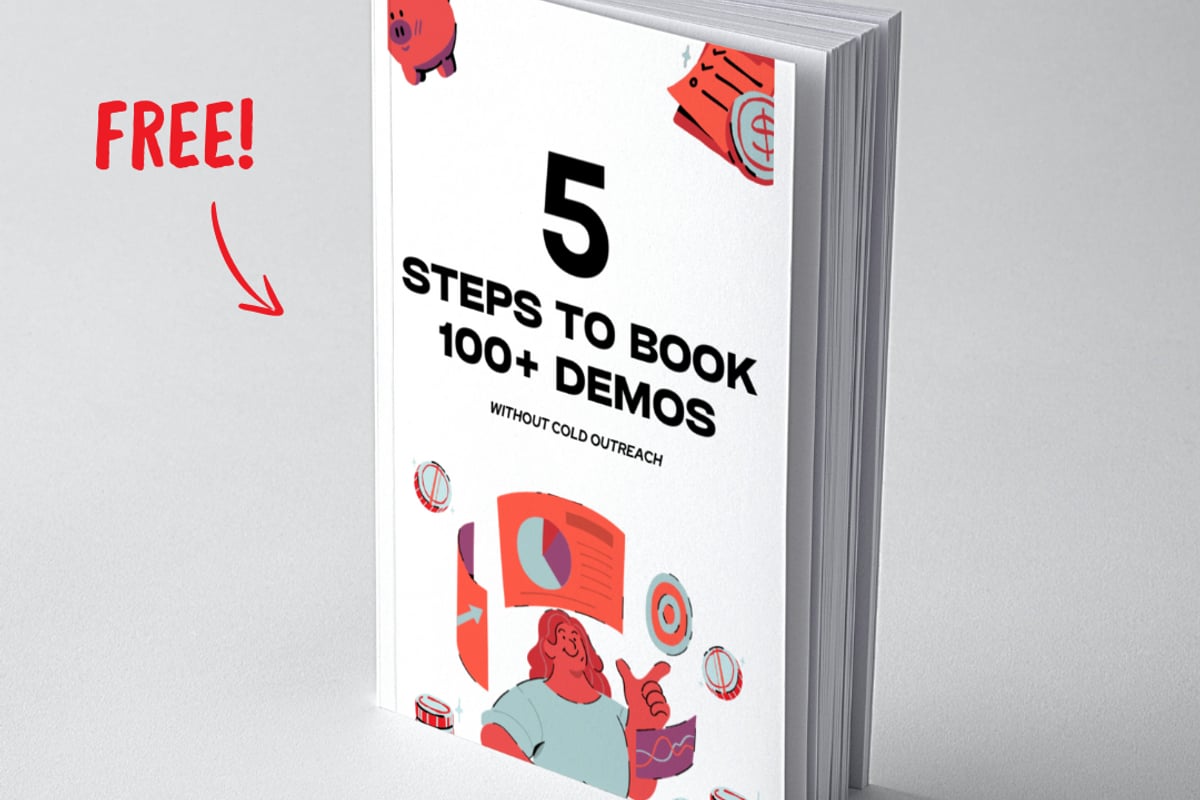
Teams looking to understand how modern lead generation systems actually work should examine Aletto's free AI call booking report. The report shows the complete system Aletto used to book 1,122 qualified sales calls in 11 months by connecting paid acquisition directly to AI follow-up and automated booking. Rather than generic best practices, the report breaks down specific workflows, conversion data at each stage, and the technical setup that enables 30%+ booking rates.
What doesn't work in lead generation software
Most platforms fail because they automate the wrong processes. Email sequences that send seven messages over two weeks sound sophisticated but ignore how buyers actually behave in 2026. People don't wait patiently for your drip campaign; they research, compare, and decide in hours, not weeks.
Cold email features are increasingly worthless. Deliverability has collapsed, spam filters block anything that looks automated, and buyer behavior shifted away from email for initial conversations. Platforms that emphasize email sequence builders, template libraries, and A/B testing subject lines are solving 2019 problems.
Lead scoring based on demographics alone wastes budget. Company size, industry, and title don't predict buying intent reliably enough to justify the filtering. A 50-person company ready to buy next month is better than a 5,000-person company evaluating in six months. Software that routes based on firmographics rather than behavioral signals sends hot leads to slow queues.
Dashboard-heavy platforms that produce beautiful reports but don't book meetings are common traps. Executives like seeing lead source analysis, conversion funnels, and attribution charts, but none of that matters if calendar fill rate stays at 12%. Choose platforms that prioritize bookings over reporting depth.
"AI-powered" features that aren't actually AI flood the market. Many vendors slap AI labels on basic if/then logic or simple text generation. Real AI adapts conversation flow based on prospect responses, learns from thousands of interactions, and improves over time. Ask vendors to explain specifically what machine learning models they use and what training data informed them.
The B2B Marketing report on lead generation challenges found that 64% of marketers are dissatisfied with their current lead generation tools, primarily because the software creates more work rather than eliminating it. Systems that require constant manual intervention, duplicate data entry, or babysitting automated sequences fail the core test: do they reduce labor while improving results?
The hidden costs nobody mentions
Implementation takes longer than vendors admit. Plan for 4-8 weeks of setup, testing, and tuning even for "easy" platforms. Enterprise systems require 3-6 months and dedicated project teams.
Training reps to trust automation is harder than technical setup. Sales teams resist systems that handle conversations without their involvement. Change management and demonstrated results over 60-90 days are critical for adoption.
Data cleanup becomes necessary. Most platforms require clean CRM data, standardized lead fields, and defined qualification criteria before automation works well. If your Salesforce instance has duplicate records, inconsistent data entry, and undefined lead statuses, you'll spend weeks cleaning before the software delivers value.
Ongoing optimization is required, not optional. AI models need feedback, workflows need adjustment based on results, and integrations break when connected systems update. Budget 10-20 hours monthly for platform management.
The future of lead generation software in B2B
The market is consolidating around end-to-end platforms that own the full buyer journey from first click to closed deal. Point solutions for individual stages (scheduling, email, chat) are losing ground to integrated systems that orchestrate the entire sequence.
AI voice is emerging as the next conversation channel. Several platforms now offer AI phone agents that handle inbound calls, qualify leads, answer questions, and book appointments with natural voice conversation. Early data shows voice converts 15-20% better than chat for complex products, though cost per conversation is higher.
Privacy regulation is tightening. The Forrester CRM and marketing services landscape report highlights compliance as a top selection criterion for 2025-2026 buyers. Platforms must handle GDPR, CCPA, and emerging state privacy laws automatically, including consent management, data deletion, and audit trails.
Attribution is moving to probabilistic models that account for dark social, offline conversations, and multi-touch journeys that current systems miss. Software that connects paid campaigns to closed revenue through identity resolution and statistical modeling will replace simplistic last-click attribution.
The death of third-party cookies forced platforms to prioritize first-party data collection and activation. Lead generation software in 2026 focuses on building owned audiences through valuable exchanges, engaging them through personalized automation, and converting them efficiently through AI-powered conversations and seamless booking.
Vertical-specific platforms are gaining share in industries with unique requirements. Healthcare, financial services, and manufacturing need compliance, security, and workflow customization that horizontal platforms struggle to provide. Expect continued fragmentation by vertical even as the broad market consolidates.
Platform selection in 2026 comes down to a simple test: Does it book qualified meetings reliably and efficiently? Everything else is secondary. The best lead generation software connects paid traffic to calendar appointments through AI automation that qualifies rigorously and books instantly, without the delays, handoffs, and manual work that plague traditional multi-tool stacks.
The best lead generation software in 2026 treats the entire journey from ad click to booked appointment as a single automated workflow, using AI to qualify, engage, and coordinate scheduling without human intervention until the actual call. When evaluating platforms, prioritize booking rate over feature lists and measure success by calendar fills, not form submissions. If your current system requires manual follow-up, creates gaps between stages, or books fewer than 20% of qualified leads, you need integrated automation that handles the full sequence. Aletto specializes in this exact challenge, connecting paid acquisition to AI-powered follow-up and automated booking to fill B2B sales calendars consistently. The free AI call booking report shows the complete system and real performance data from 1,122 booked calls, giving you a practical blueprint to evaluate against your current approach.