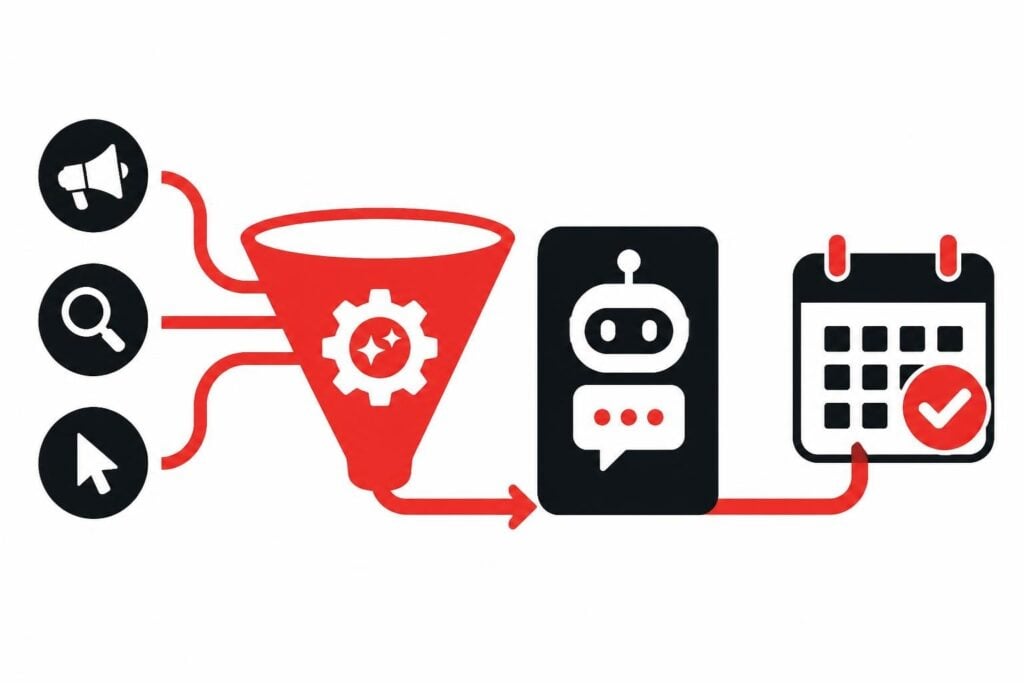
B2B SaaS lead generation is the process of attracting and converting potential enterprise or mid-market customers into qualified opportunities for your sales team through a combination of paid acquisition, content marketing, and automation. In 2026, successful b2b saas lead generation requires abandoning traditional cold outreach in favor of integrated systems that combine paid channels, AI-powered follow-up, and automated booking to fill sales calendars with qualified meetings.
The post-pandemic B2B buying landscape has fundamentally changed. Decision-makers no longer tolerate unsolicited outreach, and traditional tactics like cold calling, cold emailing, and event-based networking have seen diminishing returns across the industry.
What Makes B2B SaaS Lead Generation Different from Other Industries?
B2B SaaS lead generation operates in a fundamentally different environment than consumer products or even traditional B2B services. The sales cycles are longer, typically ranging from 30 to 180 days depending on deal size and complexity. Multiple stakeholders are involved in purchase decisions, often requiring consensus from technical evaluators, budget holders, and end users before a contract is signed.
The average B2B SaaS purchase now involves 6-10 decision-makers, according to Forrester’s 2025 B2B marketing predictions. Each stakeholder brings different priorities: technical teams evaluate integration capabilities and security, finance examines ROI and contract terms, and end users assess usability and feature sets.
Monthly recurring revenue models create unique pressure on lead generation systems. Unlike one-time sales, SaaS companies need consistent pipeline generation to maintain growth trajectories that satisfy investors and support expansion. A three-month gap in qualified leads can stall annual recurring revenue growth for six months or more.
The Attribution Challenge in SaaS Lead Generation
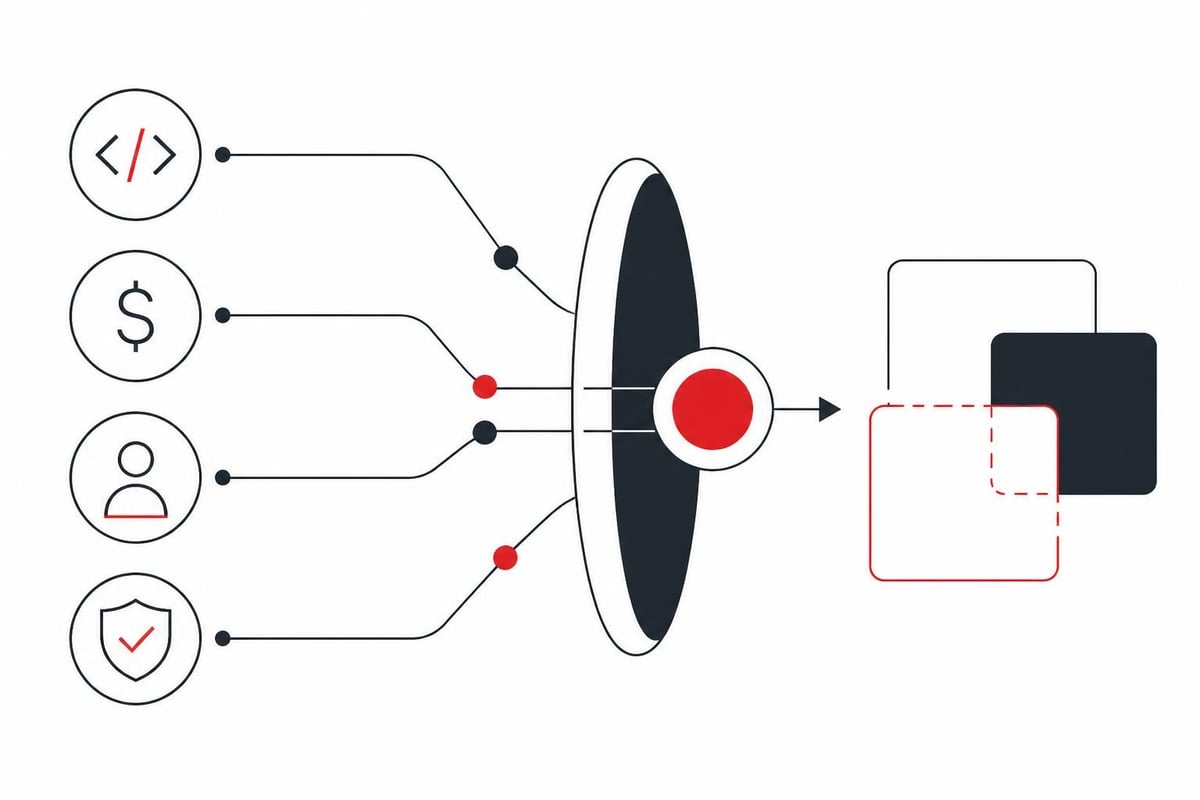
Attribution in b2b saas lead generation is notoriously complex because buying journeys are non-linear. A prospect might discover your solution through organic search, attend a webinar three weeks later, interact with LinkedIn ads over the next month, and finally book a demo after receiving a retargeting email. Which channel gets credit?
Most SaaS companies underinvest in proper attribution infrastructure. They rely on last-click models that overvalue bottom-funnel activities while ignoring the awareness and consideration touches that made the final conversion possible. First-party tracking through tools like server-side Google Tag Manager has become essential as third-party cookies disappear and privacy regulations tighten.
Aletto has observed that companies with multi-touch attribution models make better budget allocation decisions and achieve 40-60% lower customer acquisition costs than those using simplistic attribution approaches.
How Do Paid Acquisition Channels Perform for B2B SaaS in 2026?
Paid acquisition remains the fastest path to predictable b2b saas lead generation, but channel performance has shifted dramatically. Google Search ads continue to deliver the highest intent leads, with conversion rates for SaaS landing pages averaging 2.4% to 4.1% according to Unbounce’s SaaS conversion benchmarks.
LinkedIn has become the dominant awareness and consideration channel for enterprise SaaS. LinkedIn’s B2B Lead Generation Campaign Guide documents that account-based campaigns targeting specific companies and job titles consistently outperform broader demographic targeting by 3-5x in lead quality metrics.
Microsoft Advertising has emerged as an underutilized channel with lower competition and cost-per-click rates 30-50% below Google for similar B2B search terms. Microsoft’s research on search intent shows that B2B decision-makers using Bing tend to be later in their buying journey and have higher conversion intent.
| Channel | Avg CPC 2026 | Lead Quality | Best Use Case |
|---|---|---|---|
| Google Search | $8-15 | High | Bottom-funnel intent capture |
| LinkedIn Ads | $12-25 | Medium-High | Account-based targeting |
| Microsoft Ads | $5-10 | High | Cost-efficient intent capture |
| Meta Ads | $4-8 | Medium | Awareness and retargeting |
Display retargeting through platforms like AdRoll and Google Display Network works exclusively for prospects who have already engaged with your content. Cold display advertising to B2B audiences generates low-quality form fills from tire-kickers and competitors researching the market.
The ROI Reality of Paid B2B SaaS Lead Generation
Paid acquisition profitability depends entirely on your customer lifetime value and sales close rate. A SaaS product with $50,000 annual contract value and 20% close rate can profitably spend $150-200 per marketing qualified lead. A product with $5,000 ACV and 10% close rate cannot exceed $30-40 per MQL without destroying unit economics.
The companies succeeding with paid acquisition in 2026 obsess over cost per booked meeting rather than cost per lead. Form fills mean nothing if they don't convert to sales conversations. This shift in metrics has driven the adoption of AI-powered qualification and booking systems that filter leads before they consume sales capacity.
Why Is Content-Driven SEO Essential for Sustainable Lead Generation?
Organic search remains the highest-ROI channel for b2b saas lead generation over 18-24 month timeframes. Ahrefs’ comprehensive SaaS SEO guide demonstrates that companies ranking for 50+ commercial intent keywords generate 5-10x more pipeline than those dependent solely on paid channels.
The key is understanding search intent specific to your category. Someone searching "project management software" is early in their journey and comparing dozens of options. Someone searching "asana alternative for remote teams under 20 people" has specific requirements and higher purchase intent.
Bottom-of-funnel comparison and alternative keywords convert at 8-12%, while top-of-funnel informational content converts at 0.5-2%. Both serve critical functions in a complete b2b saas lead generation strategy.
AI search experiences from ChatGPT, Perplexity, and Google's AI Overviews have changed how prospects discover solutions. Being cited as a source in AI-generated answers requires authoritative, well-structured content that directly answers specific questions. Lists of features don't get cited; clear explanations of use cases and outcomes do.
Building Content That Actually Generates Leads
The Content Marketing Institute's 2025 B2B research found that 73% of B2B buyers consume 3-5 pieces of content before engaging with sales. The content that drives conversions shares common characteristics: it addresses specific pain points, provides actionable frameworks, and demonstrates subject matter expertise through original data or case studies.
Generic blog posts about "10 tips for better productivity" don't generate B2B SaaS leads. Detailed guides like "How to migrate 500 employees from Salesforce to HubSpot without losing data" attract the exact prospects experiencing that challenge.
Aletto's analysis of 300+ SaaS content programs shows that companies publishing one high-quality, data-backed article per week generate 3x more organic leads than those publishing daily shallow content. Depth beats frequency in B2B.
What Role Does AI Play in Modern B2B SaaS Lead Generation?
AI has transformed b2b saas lead generation from a manual, labor-intensive process into a partially automated system. The highest-impact applications are in lead qualification, personalized follow-up, and meeting scheduling rather than lead creation itself.
AI-powered chatbots and conversational landing pages engage website visitors in real-time, qualifying intent and routing high-value prospects to immediate booking flows. Tools like Drift, Qualified, and Intercom use natural language processing to determine whether a visitor is a potential customer, existing customer, job seeker, or competitor.
Automated follow-up sequences powered by AI analyze prospect behavior and engagement to determine optimal timing, messaging, and channel for each touchpoint. A prospect who opened three emails but hasn't clicked gets different treatment than one who visited the pricing page twice but hasn't booked a demo.
The companies seeing the best results from AI integration, including Aletto's clients, use automation to handle qualification and nurturing while preserving human interaction for actual sales conversations. AI books the meeting; experienced salespeople close the deal.
The Limits of AI in Lead Generation
AI cannot replace strategic thinking about positioning, offer design, or channel selection. It optimizes execution within the parameters you set. If your fundamental value proposition is weak or you're targeting the wrong audience, AI will efficiently generate poor results at scale.
Lead generation AI trained on generic B2B data produces generic, forgettable outreach. The differentiation comes from feeding these systems your specific customer insights, pain points, and language patterns. Companies that invest in detailed market research processes and customize their AI accordingly outperform those using out-of-the-box solutions.
How Should B2B SaaS Companies Structure Their Lead Generation Systems?
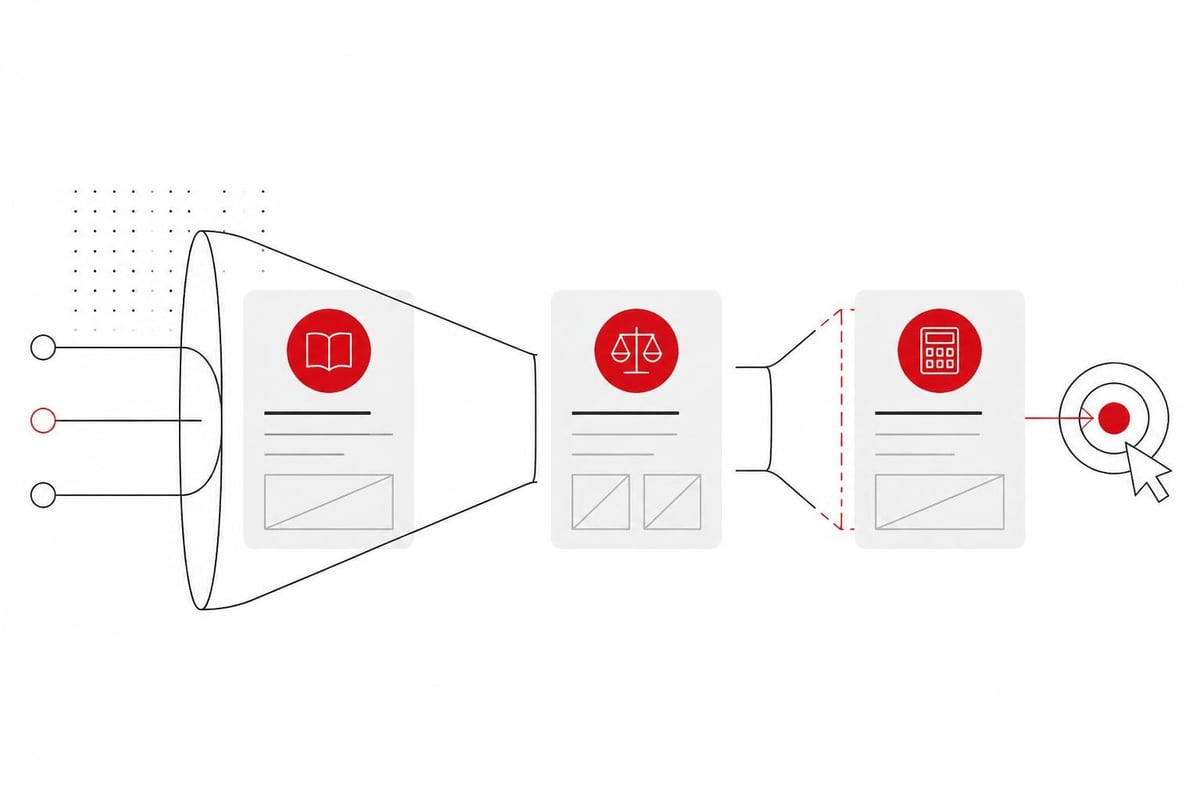
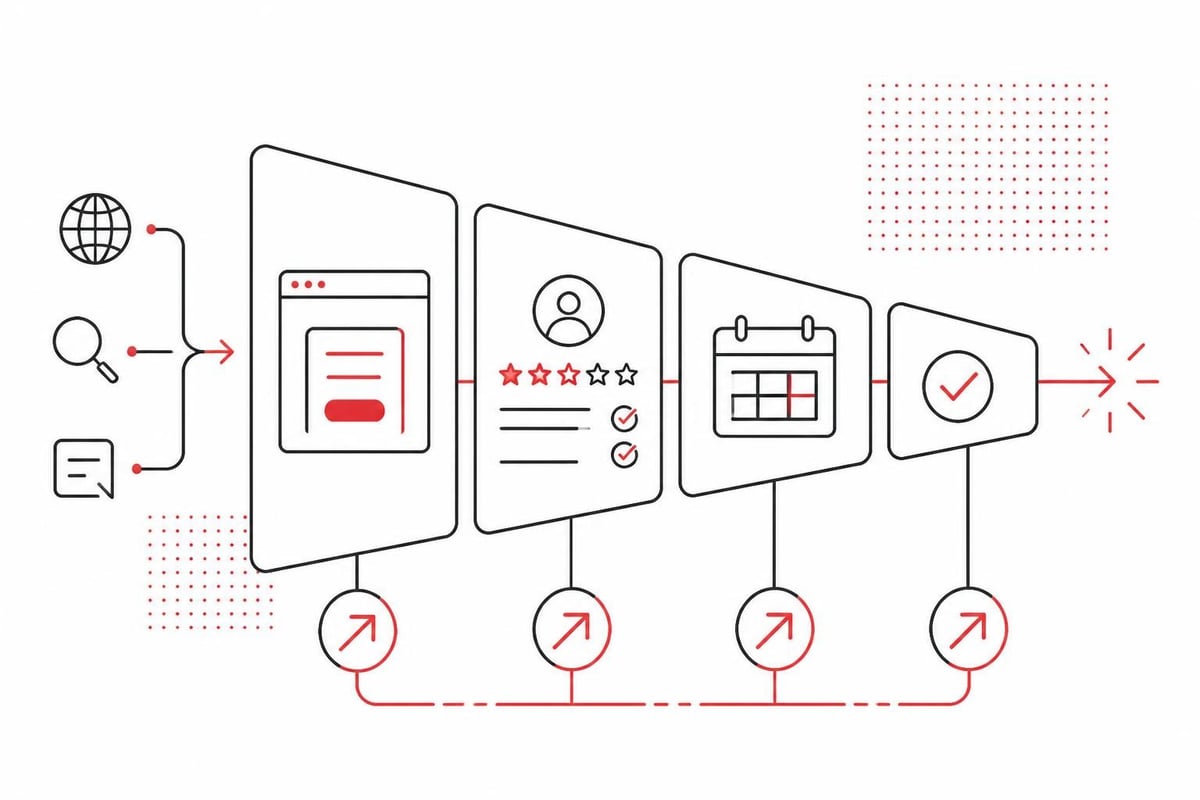
Successful b2b saas lead generation requires integrated systems rather than disconnected tactics. The highest-performing programs Aletto has analyzed follow a consistent architecture: targeted paid acquisition drives qualified traffic to conversion-optimized landing pages, AI-powered qualification routes prospects appropriately, and automated booking eliminates scheduling friction.
This structure contrasts sharply with the fragmented approach most companies take: running ads managed by one vendor, website optimization handled by another team, and sales follow-up left to manual processes. The handoffs between these disconnected components create leakage that destroys conversion rates.
Integrated tracking from first click through closed deal reveals which acquisition sources and messaging drive not just leads but revenue. A campaign generating 100 leads at $50 each looks profitable until you discover none of them close. A campaign generating 20 leads at $200 each seems expensive until you find they close at 40% and generate $500,000 in pipeline.
The Automated Booking Advantage
Calendar booking automation has become table stakes for competitive b2b saas lead generation. Requiring prospects to email back and forth to find a meeting time introduces 24-72 hour delays where interest cools and competitors intervene.
Modern booking flows integrate directly into nurture sequences and qualification conversations. When a prospect indicates readiness, they immediately see available times and can claim a slot without leaving the conversation. This approach increases booking rates by 40-60% compared to manual scheduling.
Companies still relying on traditional cold outreach methods face declining response rates as prospects become less tolerant of interruption-based prospecting. The shift toward permission-based, value-first lead generation has made automated systems that respond instantly to inbound interest a competitive necessity.
What Conversion Rates Should B2B SaaS Companies Expect?
Benchmark conversion rates for b2b saas lead generation vary significantly by price point, sales cycle, and target market. Enterprise software selling six-figure contracts typically converts 0.5-1.5% of website visitors to qualified opportunities. Mid-market SaaS at $10,000-50,000 ACV converts 1-3%. Self-serve products under $5,000 can hit 3-8% conversion rates.
These percentages compound through multiple stages: visitor to lead, lead to qualified opportunity, opportunity to booked meeting, meeting to closed deal. A 2% visitor-to-lead rate, 30% lead-to-opportunity rate, 60% opportunity-to-meeting rate, and 25% meeting-to-close rate yields 0.09% overall conversion from visitor to customer. At those rates, you need 1,111 website visitors to generate one customer.
| Funnel Stage | Benchmark Range | Elite Performance |
|---|---|---|
| Visitor → Lead | 1-4% | 5-8% |
| Lead → Qualified | 20-40% | 50-70% |
| Qualified → Booked | 40-60% | 70-85% |
| Booked → Closed | 15-30% | 35-50% |
Small improvements at each stage compound dramatically. Improving visitor-to-lead conversion from 2% to 3% and lead qualification from 30% to 45% increases overall conversion by 125%. This is why obsessing over conversion optimization at every funnel stage generates better results than simply increasing traffic.
Where Most SaaS Companies Leak Pipeline
The biggest conversion leakage occurs between qualified lead and booked meeting. Marketing delivers a steady stream of leads that sales never contacts, contacts too slowly, or fails to engage effectively. CRM data from hundreds of B2B SaaS companies shows 40-60% of marketing-qualified leads never receive meaningful sales follow-up.
This gap has driven adoption of systems that automatically move qualified prospects to booked meetings without requiring sales rep intervention. When a prospect demonstrates buying intent by requesting a demo, watching a product video, or visiting pricing pages multiple times, the system immediately initiates booking rather than waiting for a sales rep to notice the lead in their queue.
Frequently Asked Questions
What is the average cost per lead for B2B SaaS in 2026?
Average B2B SaaS cost per lead ranges from $80 to $250 depending on target market, competition, and acquisition channel. Enterprise-focused companies typically spend $200-400 per marketing qualified lead, while mid-market SaaS averages $100-200. Cost per lead matters less than cost per customer and customer lifetime value ratios.
How long does it take to see results from B2B SaaS lead generation?
Paid acquisition channels generate initial leads within 2-4 weeks but require 60-90 days of optimization to reach profitable performance. SEO and content marketing take 4-6 months to gain traction and 12-18 months to reach full potential. Integrated systems combining both channels achieve positive ROI fastest, typically within 90-120 days.
Should B2B SaaS companies build in-house lead generation or outsource it?
Companies under $5M ARR typically lack the expertise and scale to build efficient in-house lead generation and benefit from specialized partners. Companies above $10M ARR often develop hybrid models with strategic functions in-house and execution outsourced. The critical factor is integrated systems rather than organizational structure.
What metrics matter most for B2B SaaS lead generation?
The metrics that matter most are cost per booked meeting, meeting-to-close rate, customer acquisition cost, and customer lifetime value to CAC ratio. Vanity metrics like website traffic and raw lead volume distract from revenue impact. Focus on full-funnel economics from first click through revenue recognition.
How has AI changed B2B SaaS lead generation effectiveness?
AI has improved lead qualification accuracy by 40-60% through behavioral analysis and automated scoring, reduced response times from hours to seconds through instant follow-up, and increased booking rates by 30-50% through conversational interfaces and automated scheduling. However, AI cannot fix poor positioning or weak offers.
B2B SaaS lead generation in 2026 requires integrated systems that combine paid acquisition, AI-powered qualification, and automated booking rather than disconnected tactics. The companies filling their calendars consistently have abandoned cold outreach in favor of permission-based approaches that engage prospects demonstrating genuine intent. Aletto has proven this model by booking 1,122 qualified sales calls in 11 months without cold emails, cold calls, or events. If you're ready to see how this system could work for your B2B SaaS company, download our Free AI Call Booking Report that breaks down the exact process we use to generate qualified meetings at scale.