Quality leads are prospects who match your ideal customer profile, demonstrate genuine buying intent, and have the budget and authority to purchase. They convert at significantly higher rates than unqualified contacts because they actually need what you sell. For B2B sales teams, the difference between flooding your CRM with random contacts and filling your calendar with quality leads determines whether you hit quota or waste months chasing dead ends.
What Makes a Lead "Quality" in B2B Sales?
A quality lead isn't just someone who downloaded your whitepaper or filled out a contact form. Quality leads possess three core characteristics that predict conversion: fit, intent, and timing.
Fit means the prospect matches your ideal customer profile. They operate in your target industry, meet your minimum company size requirements, use relevant technology stacks, and face problems your solution actually solves. A lead from a 12-person startup doesn't qualify if you exclusively serve enterprise clients with 500+ employees.
Intent signals that the prospect is actively evaluating solutions right now. They're researching competitors, asking specific questions about implementation, requesting pricing information, or demonstrating behavior that indicates they're in-market. Intent separates tire-kickers from buyers.
The Financial Impact of Lead Quality
The numbers tell a clear story. According to HubSpot’s research on improving lead quality, companies that prioritize lead quality over volume see conversion rates 3-5 times higher than those chasing raw contact numbers. When Aletto analyzed our client data from 2024-2026, we found that quality leads generated through paid acquisition with AI follow-up converted to booked calls at 18%, compared to 3% for cold outreach campaigns.
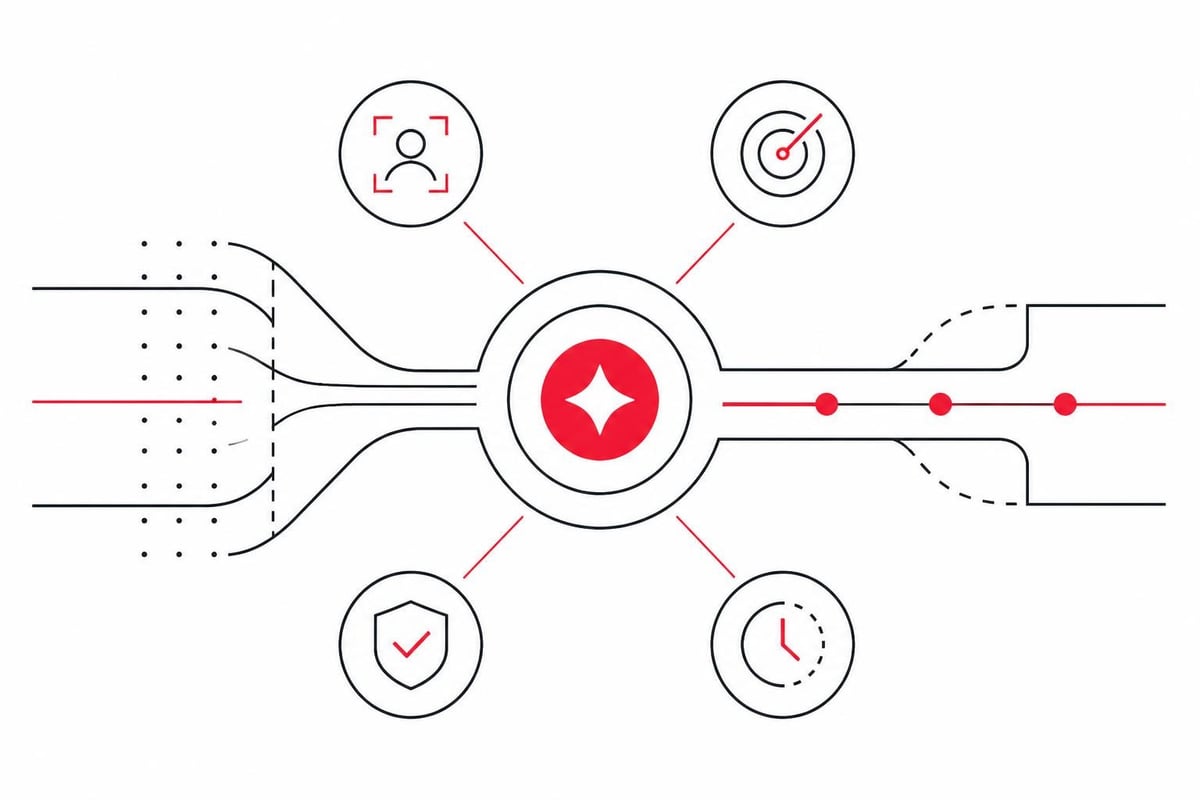
This matters because your sales team has limited hours. Every conversation with an unqualified prospect costs time they could spend closing deals with ready buyers. When you focus on quality leads, your sales cycle shortens, your close rate increases, and your revenue per sales rep climbs.
How Do You Identify Quality Leads Before They Waste Your Time?
Traditional lead scoring assigns points based on demographic data and engagement behavior. A prospect gets points for job title, company size, email opens, and website visits. This approach fails because it rewards activity without measuring actual buying intent.
Better qualification frameworks ask specific questions that reveal fit and urgency. The BANT framework (Budget, Authority, Need, Timeline) remains relevant because it forces you to confirm four deal-breakers before investing sales resources:
- Budget: Can they afford your solution at your actual price point?
- Authority: Are you speaking with someone who can sign contracts?
- Need: Do they have a problem your product solves?
- Timeline: Are they buying this quarter or "sometime next year"?
Modern Qualification in Practice
Modern B2B teams layer behavioral signals onto traditional qualification. A quality lead might visit your pricing page three times, compare your solution against named competitors, and request a demo within 48 hours. These actions indicate stronger intent than someone who attended a webinar six months ago and hasn't returned since.
Harvard Business Review’s analysis of sales and marketing alignment found that companies using shared qualification criteria between teams saw 36% higher customer retention and 38% higher win rates. The key is agreeing upfront what "qualified" means, then holding both teams accountable to that definition.
Here's a practical comparison of qualified versus unqualified leads:
| Quality Lead | Unqualified Lead |
|---|---|
| Matches ICP parameters | Outside target market |
| Active evaluation timeline | No immediate need |
| Confirmed budget exists | "Just browsing" mentality |
| Decision-maker engaged | Junior researcher gathering info |
| Specific pain point identified | Vague interest only |
| Responds within 24-48 hours | Slow or non-responsive |
What Lead Sources Actually Generate Quality Prospects?
Not all channels produce equal quality. Cold email and cold calling generate volume, but conversion rates sit below 2% for most teams. Events and referrals produce higher quality but don't scale consistently. Paid acquisition targeting specific accounts and job titles delivers the best combination of quality and volume when executed correctly.
The mistake most B2B companies make is treating all traffic sources the same. Someone who clicked a targeted LinkedIn ad for "sales automation for SaaS VPs" shows dramatically different intent than someone who stumbled onto your blog from a generic search.
Quality lead sources share common traits: they attract prospects already experiencing the problem you solve, they allow precise targeting by firmographics and role, and they capture prospects during active evaluation windows.
Paid Acquisition Done Right
Effective paid campaigns for quality leads use narrow targeting, problem-focused messaging, and friction-appropriate offers. If you're selling a $50,000 annual contract, your ad shouldn't promise a free ebook. It should offer a consultation, audit, or assessment that attracts serious buyers.
Deloitte’s research on AI in sales demonstrates how advanced targeting and AI-powered follow-up increases qualified lead flow by 40-60% compared to traditional spray-and-pray campaigns. The technology now exists to identify buying signals, personalize outreach at scale, and automate qualification before a human ever gets involved.
When you're evaluating your current lead generation strategy, consider exploring insights on SaaS B2B lead generation to understand how modern approaches differ from outdated tactics.
Why Do Sales Teams Still Chase Low-Quality Leads?
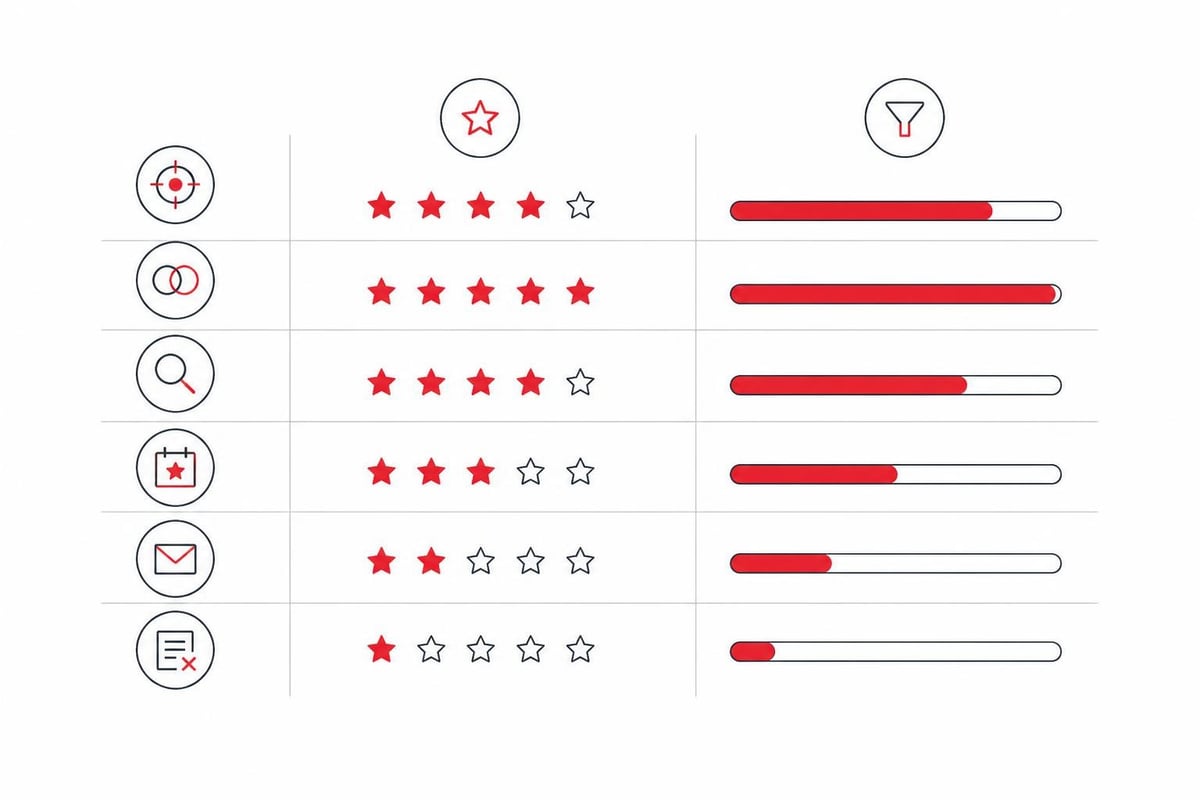
The answer is simple: pressure to hit activity metrics instead of outcome metrics. When management measures "leads generated" or "calls made" instead of "qualified opportunities created" or "revenue closed," teams optimize for the wrong goals.
Sales reps know the difference between a quality lead and a time-waster within the first two minutes of conversation. Yet many organizations force reps to follow up with every contact in the CRM regardless of fit. This creates a death spiral where good salespeople spend 60-70% of their time on prospects who will never buy.
Marketing teams contribute to the problem by focusing on MQL volume rather than SQL quality. It's easier to show 500 marketing qualified leads than to admit only 50 actually match the ideal customer profile. The sales qualification guide from HubSpot outlines frameworks that help both teams agree on what counts as qualified.
The Real Cost of Bad Leads
Consider a B2B sales rep with a $1M annual quota and a $50K average deal size. They need to close 20 deals. If their close rate on qualified opportunities is 25%, they need 80 real opportunities. If they waste half their time on unqualified leads, they only work 40 opportunities and close 10 deals, missing quota by 50%.
Organizations that implement strict qualification criteria often see initial lead volume drop by 40-60%, but booked meetings increase because sales teams actually follow up on better prospects. Revenue per rep climbs even as total "leads" falls.
How Can You Improve Your Lead Quality Starting Today?
Start by defining your ideal customer profile with specific, measurable criteria. Not "mid-market companies" but "B2B SaaS companies with 50-200 employees, $5M-$50M revenue, using Salesforce, with VP Sales as decision-maker." The more specific your ICP, the easier it becomes to identify quality leads.
Next, audit your current lead sources by conversion rate, not volume. Calculate what percentage of leads from each channel become qualified opportunities, then opportunities to closed deals. You'll likely find that 80% of your actual revenue comes from 20% of your lead sources. Double down on those sources and cut the rest.
Implement a qualification checklist that every lead must pass before entering your sales pipeline. This checklist should confirm:
- Company matches ICP parameters (industry, size, location)
- Contact has appropriate role and authority
- Budget exists for solutions in your price range
- Active timeline exists (buying this quarter or next)
- Specific pain point or initiative identified
- Competitor evaluation or current solution inadequacy confirmed
Automation and AI for Scale
Manual qualification doesn't scale. Modern lead generation systems use AI to ask qualification questions, score responses, and route only qualified prospects to sales calendars. This approach works because AI can engage thousands of prospects simultaneously, respond instantly 24/7, and only consume sales time when a genuine opportunity exists.
Aletto's data from helping B2B SaaS teams book over 1,122 qualified calls in 11 months shows that automated qualification using AI increases lead quality scores by an average of 43% while reducing sales time spent on unqualified prospects by 68%. The system asks the right questions before booking the call, so sales reps only speak with genuinely qualified buyers.
Companies looking to understand how this approach works can review a detailed breakdown in the Free AI Call Booking Report, which demonstrates the specific process used to generate and qualify leads without relying on cold outreach.
What Role Does Follow-Up Speed Play in Lead Quality?
Response time separates quality leads from missed opportunities. A prospect who requests information and receives a response in 5 minutes is 21 times more likely to qualify than one who waits 24 hours. This isn't because the lead quality changed but because fast response captures buying intent at its peak.
Quality leads often evaluate multiple vendors simultaneously. The first company to respond professionally and answer specific questions wins mindshare. The fifth company to respond three days later gets ignored, even if their solution is superior.
Automated follow-up systems solve the speed problem without requiring sales reps to monitor inboxes constantly. When a prospect completes a qualification form, AI immediately sends relevant information, asks follow-up questions, and books qualified prospects directly into sales calendars based on their responses.
Building a Quality-Focused Follow-Up System
Your follow-up sequence should accomplish three goals: confirm qualification criteria, educate the prospect on your differentiation, and identify the specific use case or pain point driving their search.
A quality-focused sequence looks different than a nurture campaign:
| Quality Follow-Up | Generic Nurture |
|---|---|
| Asks specific qualification questions | Sends educational content |
| Seeks meeting within 3-5 touches | Drips content for months |
| Personalized based on stated needs | One-size-fits-all messaging |
| Clear next step every message | Vague "stay in touch" theme |
| Focused on this quarter's timeline | No urgency or timeline |
The goal is to book qualified meetings fast or disqualify quickly, not to nurture everyone forever. For more on building systems that actually convert, review strategies for SaaS demand generation that prioritize qualified pipeline over vanity metrics.
Frequently Asked Questions
What's the difference between a marketing qualified lead and a quality lead?
A marketing qualified lead (MQL) meets basic engagement criteria like downloading content or attending a webinar, but may lack buying intent or budget. A quality lead meets your ideal customer profile, has confirmed budget and authority, demonstrates active buying intent through specific behaviors, and operates on a realistic timeline. Many MQLs never convert; quality leads convert at 15-25% rates.
How many touches does it take to convert a quality lead?
Quality leads typically convert within 3-7 touches over 5-14 days because they're actively evaluating solutions. If a prospect requires 20+ touches over months, they weren't a quality lead to begin with. Focus on fast qualification and quick meetings rather than long nurture sequences for genuinely qualified prospects.
Can you generate quality leads without a large marketing budget?
Yes, but you need precise targeting and strong conversion mechanisms. Focus budget on high-intent channels like search ads for bottom-funnel keywords, retargeting website visitors, and account-based campaigns targeting named accounts. A $3,000 monthly budget targeting 100 specific companies outperforms $10,000 sprayed across broad audiences. Quality over volume always wins.
What conversion rate should I expect from quality leads?
From qualified lead to booked meeting, expect 40-60%. From booked meeting to qualified opportunity, expect 60-70%. From qualified opportunity to closed deal, expect 20-30%. This means 100 true quality leads should generate 40-60 meetings, 24-42 opportunities, and 5-13 closed deals. If your numbers are significantly lower, you're likely miscategorizing unqualified contacts as quality leads.
How do I convince my team to focus on quality over quantity?
Track and share metrics that connect lead quality to revenue. Calculate revenue per lead by source, cost per qualified opportunity, and sales rep quota attainment based on lead quality scores. When leadership sees that 50 quality leads generate more revenue than 500 poor leads while consuming less sales time, the conversation shifts permanently.
Focusing on quality leads instead of contact volume transforms B2B sales performance by filling calendars with prospects who actually buy. The companies winning in 2026 have abandoned cold outreach and generic lead generation in favor of systems that attract, qualify, and book ready buyers automatically. Aletto specializes in building these systems for B2B SaaS and service teams through integrated paid acquisition, AI follow-up, and automated booking that delivers qualified sales calls without the tactics that stopped working years ago.