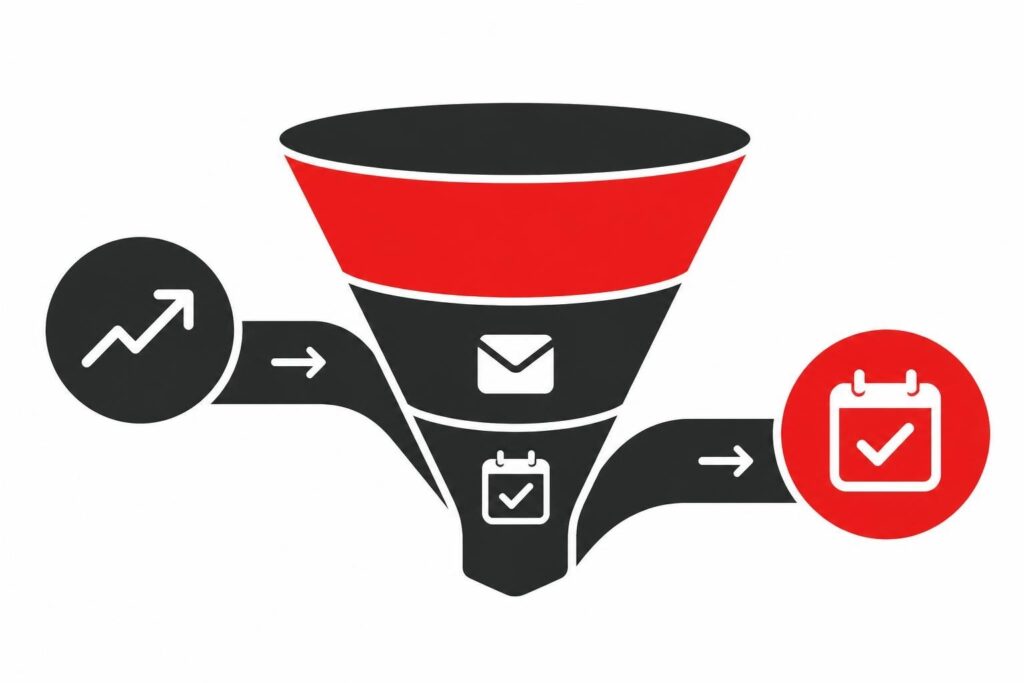
The best free tools for lead generation capture contact information, qualify prospects, and automate follow-up without requiring any upfront investment. In 2026, B2B teams can build complete lead generation systems using zero-cost platforms for CRM, forms, landing pages, email automation, and analytics. These tools have matured to the point where most growing businesses can delay paid subscriptions until they hit specific volume thresholds, making them ideal for testing new channels and proving ROI before committing budget.
Free doesn't mean weak. Many enterprise-grade platforms offer permanent free tiers specifically designed to help teams capture and nurture leads. The challenge isn't finding tools-it's selecting the right combination and building a system that converts strangers into booked sales calls. Most B2B teams waste months testing platforms that don't integrate or abandoning tools before they learn to use them properly. This guide cuts through the noise with specific recommendations, real workflows, and the exact use cases where each tool excels.
What Makes a Lead Generation Tool Worth Using for Free?
A lead generation tool earns its place in your stack when it solves a specific problem without creating new ones. The best free tools offer core functionality that remains useful as you scale, rather than crippled versions designed to frustrate you into upgrading.
Three criteria matter most. First, the free tier must handle real volume. A form builder limited to 10 submissions per month is useless; you need at least 100-500 monthly actions to test and iterate. Second, the tool must integrate with your existing stack. Isolated platforms create data silos that kill velocity. Third, you need access to the data. Tools that capture leads but lock you out of exporting or analyzing them are traps, not solutions.
The Hidden Costs of "Free" Platforms
Free tools carry non-monetary costs that bite harder than subscription fees. Time spent learning a platform, migrating data, or working around limitations adds up quickly. According to Content Marketing Institute’s B2B research, 63% of B2B marketers cite "too many tools" as a barrier to effectiveness, and most teams using more than seven platforms report decreased productivity.
The smartest approach treats free tiers as extended trials. Commit to one platform per function, learn it deeply, and upgrade only when you hit clear limits. Switching costs are brutal-expect to lose 20-30% of your data and waste two weeks on migration every time you swap tools.
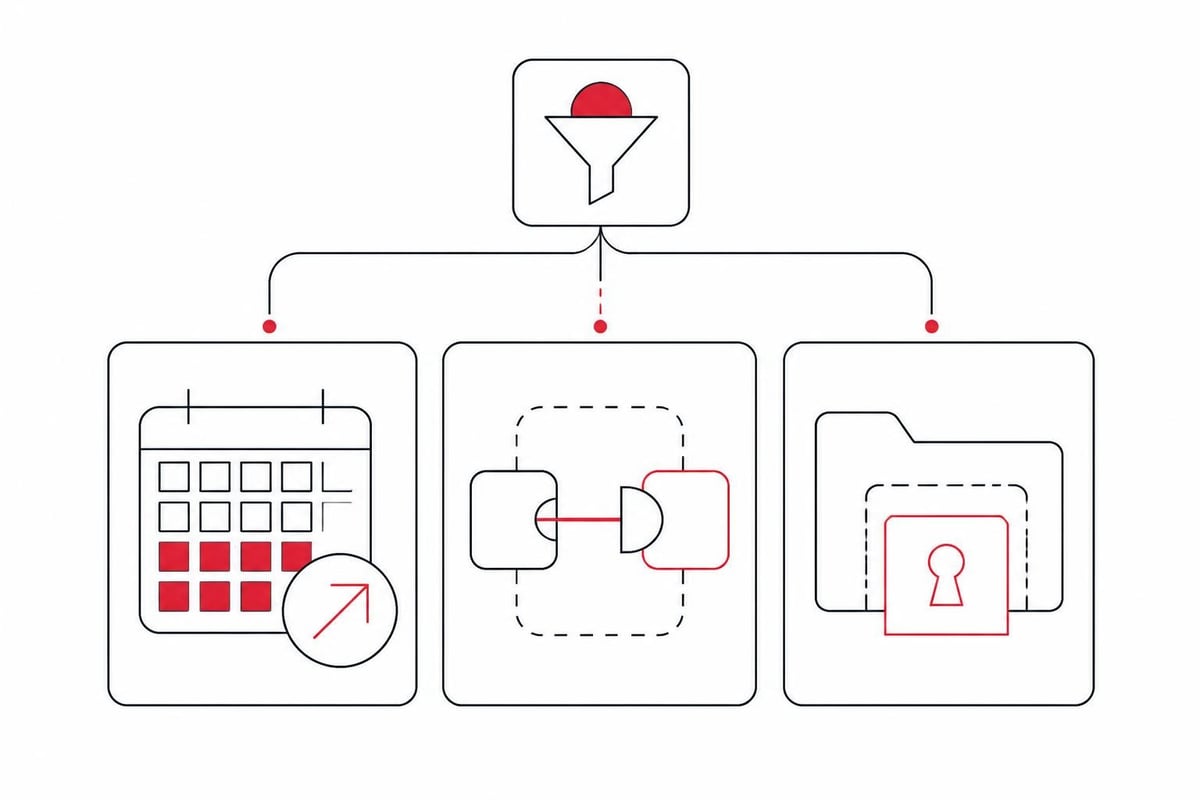
Which Free CRM Systems Actually Work for Lead Capture?
HubSpot Free CRM remains the gold standard for B2B lead generation because it never expires and scales to unlimited users and contacts. The platform includes contact management, deal tracking, email integration, and basic reporting-everything needed to capture leads and move them through a pipeline.
HubSpot’s free marketing tools extend beyond the CRM to include forms, live chat, and limited email marketing. You can create landing pages, embed forms on your website, and trigger automated follow-up sequences without paying a dollar. The catch: you're limited to 2,000 email sends per month and basic automation rules. For most teams testing new channels, that's plenty.
Zoho CRM offers a competitive free tier for up to three users, with stronger customization options than HubSpot. If you need custom fields, modules, or workflows from day one, Zoho delivers. The interface is less intuitive, but the flexibility matters when you're building complex qualification systems.
When Free CRMs Break Down
Free CRM tiers start failing when you need advanced reporting, multiple pipelines, or sophisticated automation. HubSpot's free tier can't score leads automatically or create custom report dashboards. Zoho limits workflow rules and third-party integrations on the free plan.
The breaking point usually hits between 1,000 and 5,000 contacts. Below that threshold, manual processes work fine. Above it, you'll waste hours on tasks that paid tiers automate. Track your time carefully-if you're spending more than five hours per week on CRM busywork, the paid upgrade pays for itself.
| CRM Platform | Free User Limit | Contact Limit | Key Strength | Primary Weakness |
|---|---|---|---|---|
| HubSpot | Unlimited | Unlimited | Best integration ecosystem | Limited automation rules |
| Zoho | 3 users | 5,000 contacts | Deep customization | Steeper learning curve |
| Freshsales | Unlimited | Unlimited | Built-in phone | Weak reporting |
How Do You Build Lead Capture Forms That Convert?
The best lead capture forms ask for exactly three fields: name, email, and one qualifying question. Every additional field drops conversion rates by 10-20%. Free tools make it easy to build beautiful forms, but most teams sabotage themselves by requesting too much information upfront.
Typeform offers the most engaging form experience with conversational, one-question-per-screen layouts that feel like helpful quizzes rather than data extraction. The free tier allows 10 monthly responses, which sounds terrible until you realize it's perfect for testing new offers. Build your form, drive 50-100 visitors to it, and analyze the conversion rate before committing to a paid plan or building the same form in your CRM.
Google Forms handles unlimited responses and integrates with Sheets for automatic data collection. It's ugly, but it works. For B2B teams running quick surveys, research projects, or event registration, Google Forms delivers without friction. The data exports cleanly to any CRM via Zapier or native CSV upload.
Multi-Step Forms and Progressive Profiling
Advanced lead capture uses progressive profiling to collect more information over time without overwhelming prospects. Show three fields on the first visit, then ask different questions on subsequent interactions. HubSpot's free forms support this natively by hiding previously completed fields.
The workflow: First visit asks for name, email, and company. Second visit (triggered when they download another resource) asks for role, team size, and current solution. Third visit requests budget, timeline, and specific pain points. You build a complete profile over 2-3 weeks instead of demanding everything upfront and watching 80% of visitors bounce.
Aletto's approach to lead qualification demonstrates how simple intake forms can feed sophisticated nurture systems. We capture basic contact information through targeted content offers, then use AI follow-up to progressively qualify prospects and surface booking-ready leads.
What Free Email Marketing Tools Support Lead Nurture?
Mailchimp's free tier supports up to 500 contacts and 1,000 monthly email sends, enough to test most nurture sequences. The platform includes basic automation, audience segmentation, and decent templates. For B2B teams building their first automated welcome series or monthly newsletter, Mailchimp provides everything needed to start.
The automation builder is visual and intuitive. Create a five-email welcome sequence triggered when someone subscribes, with sends spaced three days apart. Add conditional logic to send different emails based on which lead magnet they downloaded. All of this works on the free plan.
Sender and Brevo (formerly Sendinblue) offer competitive free tiers with higher email send limits. Sender allows 2,500 contacts and 15,000 monthly emails. Brevo provides 300 daily emails (9,000 monthly) with full marketing automation. Both platforms include landing page builders and signup forms.
Email Deliverability on Free Tiers
Free email plans often struggle with deliverability because shared IP addresses carry the reputation baggage of every user. Expect 5-10% lower open rates compared to paid plans with dedicated sending infrastructure. This matters less when you're testing messaging and more as you scale.
Maintain strong deliverability by cleaning your list regularly, using double opt-in confirmation, and never buying or scraping email lists. Free tools will throttle or suspend accounts that generate spam complaints. One mistake that worked at Aletto: we send fewer emails with higher value rather than blasting daily content nobody wants.
How Can You Create Landing Pages Without a Website?
Carrd builds single-page sites for free with custom domains (if you own one) and unlimited bandwidth. Each free account includes three published sites, perfect for testing different lead magnets or event registrations. The builder is dead simple-choose a template, edit text and images, add a form, publish.
Google Sites offers unlimited pages and bandwidth with zero learning curve. It's basic, but it works for quick resource hubs, case study showcases, or simple opt-in pages. The forms integrate directly with Google Sheets for automatic lead capture.
HubSpot Landing Pages are included in the free CRM and work well if you're already using their ecosystem. Templates are professional, forms auto-sync to your contact database, and you can A/B test headlines or CTAs. The limit: 25 landing pages on the free tier.
When You Need More Than Basic Landing Pages
Free landing page builders start failing when you need complex layouts, custom code, or advanced conversion tracking. They also struggle with page speed-free tiers often load slowly because they run on shared infrastructure.
The upgrade trigger: if you're driving significant paid traffic to landing pages, invest in faster hosting and better optimization. A 2-second improvement in load time can boost conversion rates by 15-20%. But while you're testing organic channels and proving your offer, free tools work fine.
Which Analytics Platforms Track Lead Sources for Free?
Google Analytics 4 remains the essential foundation because it tracks unlimited traffic and events at no cost. The learning curve is steep in 2026, but GA4 shows exactly which channels drive leads, how visitors navigate your site, and where they drop off in your funnel.
Set up conversion tracking for every lead capture point-form submissions, chat initiations, content downloads. Create segments for different traffic sources (organic search, paid social, email, referral) and analyze which convert best. This data determines where to focus effort and eventually where to spend money.
Microsoft Clarity adds session recording and heatmaps for free with unlimited sessions. Watch actual recordings of how visitors interact with your forms and landing pages. You'll spot usability problems that analytics alone can't reveal-fields that confuse people, buttons they can't find, sections they ignore completely.
Attribution Without Spending Thousands
Free analytics tools struggle with multi-touch attribution. They'll show you the last click before conversion but not the full journey. For most early-stage B2B teams, last-click attribution is good enough. You care more about which channel initiated contact than modeling credit across every touchpoint.
Track campaigns manually using UTM parameters on every link. Structure them consistently: utm_source (where traffic comes from), utm_medium (type of traffic), utm_campaign (specific initiative). This discipline gives you clean data in GA4 even without expensive attribution software.
What Free Social and Content Tools Generate Inbound Leads?
LinkedIn's free tier remains the highest-quality B2B lead source because of targeting precision and organic reach. Publish weekly articles addressing your ideal customer's problems, comment thoughtfully on industry posts, and send personalized connection requests. This costs nothing but time and generates consistent inbound interest.
The strategy that works in 2026: create value-first content that demonstrates expertise without pitching. Write detailed breakdowns of problems you solve, share specific frameworks or processes, and tell stories about customer outcomes. Include a simple call-to-action directing interested readers to book a call or download a resource.
Buffer's free plan allows three social channels and 10 scheduled posts, enough to maintain consistent presence without manual posting. Queue up your best content across LinkedIn, Twitter, and Facebook, then engage authentically in comments.
Content Creation Tools That Feed Lead Generation
Canva Free creates professional graphics, simple videos, and document templates without design skills. Build lead magnets (checklists, templates, worksheets) in Canva, export as PDF, and gate them behind email capture forms. The free tier includes thousands of templates and basic brand kit functionality.
AnswerThePublic (limited free searches) reveals exactly what questions your audience asks about your topic. Use these questions as blog post titles, social content, or FAQ sections. Content that directly answers searcher questions ranks well and attracts qualified traffic. According to TechRadar’s content marketing tools roundup, question-based content consistently outperforms promotional material for lead generation.
Research from Forrester on buying networks confirms that B2B buyers complete 60-80% of their research independently before contacting vendors. Free, helpful content positions you as the obvious choice when they're ready to engage.
How Do Free Automation Tools Connect Your Lead Gen Stack?
Zapier's free tier includes 100 monthly tasks (automated actions) across unlimited Zaps (workflows). This is enough to automate key handoffs between your lead capture forms and CRM. Common workflows: new form submission triggers CRM contact creation, new CRM deal triggers Slack notification, new email subscriber triggers welcome sequence.
The 100-task limit forces prioritization. Focus on automating your highest-volume, lowest-value tasks first-the repetitive data entry that wastes 30 minutes daily. Manual processes are fine for occasional tasks; automate the stuff that happens 10+ times per week.
IFTTT offers similar automation with different platform connections, particularly strong for social media and content syndication. Auto-share new blog posts to Twitter, save LinkedIn connections to a spreadsheet, or trigger notifications when specific keywords appear online.
Building a Zero-Cost Lead Gen Workflow
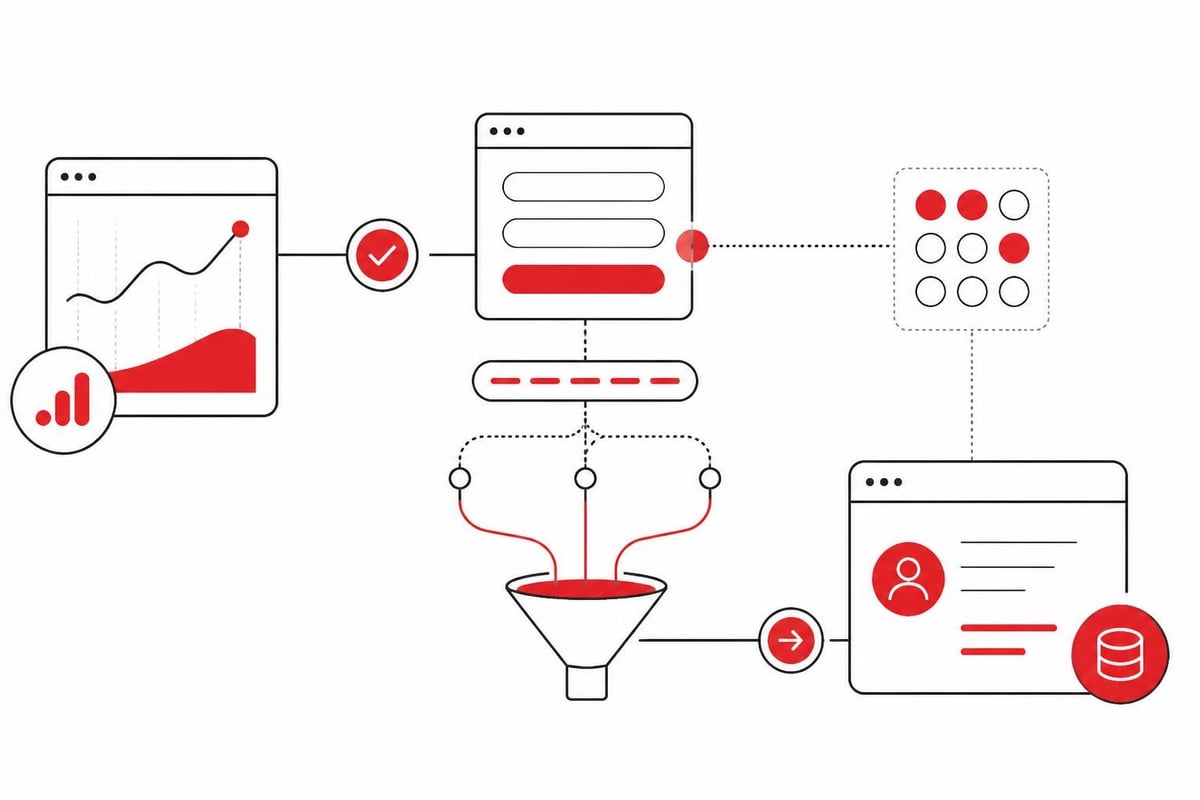
A functional free stack connects five tools: landing page (Carrd), form (Google Forms or HubSpot), email automation (Mailchimp), CRM (HubSpot), and analytics (GA4). Zapier ties them together.
The workflow:
- Visitor lands on Carrd page from LinkedIn content
- Submits Google Form requesting case study download
- Zapier adds contact to HubSpot CRM and Mailchimp list
- Mailchimp sends immediate email with download link
- HubSpot triggers follow-up sequence over next two weeks
- GA4 tracks conversion and attributes to source
This entire system costs $0 and can handle hundreds of leads monthly. You'll hit limits around 500-1,000 leads per month, at which point specific tools need upgrades. But that's a good problem-you've proven your offer and channel before spending money.
What Free Communication Tools Help Qualify and Convert Leads?
Calendly's free tier solves the biggest bottleneck in B2B lead generation: converting interest into booked meetings. Share your scheduling link in emails, on landing pages, or in chat messages. Prospects see your availability and book directly without the back-and-forth email dance.
The free version supports one calendar connection and one event type. That's enough for most solo operators or small teams with simple scheduling needs. Add buffer times between meetings, set minimum notice periods, and define working hours to prevent awkward bookings.
Zoom's free plan allows unlimited one-on-one meetings and 40-minute group calls. For discovery calls, demos, or consultations with individual leads, this works perfectly. The 40-minute limit on group calls actually helps-it forces efficient meetings and creates a natural break point.
Live Chat and Chatbots on a Budget
HubSpot's free live chat installs on your website with one line of code and routes conversations directly to your CRM. Every chat creates a contact record automatically. Set up away messages outside business hours and route conversations to email when you're offline.
Tidio's free tier includes three chatbot scenarios and 50 monthly conversations. Build a simple bot that qualifies visitors by asking role, company size, and main challenge, then offers to book a call with qualified prospects or directs others to self-service resources. This basic qualification happens 24/7 without human intervention.
For more sophisticated lead qualification and automated booking, Aletto’s AI follow-up system demonstrates how automation can surface truly ready-to-buy prospects without requiring expensive enterprise chatbot platforms or large sales development teams.
Frequently Asked Questions
Can you really generate B2B leads without spending money on tools?
Yes, but you'll spend time instead. Free tools require more manual work, have steeper learning curves, and lack advanced automation. A complete free stack (HubSpot CRM, Google Forms, Mailchimp, Calendly, Canva, GA4) can capture, nurture, and convert leads effectively for teams under 1,000 contacts. Expect to invest 10-15 hours weekly managing tools and processes that paid platforms automate.
When should I upgrade from free to paid lead generation tools?
Upgrade when time costs exceed subscription costs or when you hit hard limits that block growth. If you're spending 20 hours monthly on manual tasks that a $50 tool would automate, upgrade immediately. Common breaking points: 2,000+ email contacts (Mailchimp), complex automation needs (Zapier), advanced reporting requirements (HubSpot), or multiple team members needing access (Zoho).
Which free lead generation tool should I start with first?
Start with HubSpot Free CRM because it's the foundation for everything else. Set up contact management first, then add forms and landing pages, then layer on email automation. This sequence ensures every new tool integrates with your central database. Avoid starting with isolated point solutions that create data silos you'll need to consolidate later.
Do free tools hurt credibility with enterprise prospects?
No, prospects don't know or care what tools power your operations. They care about response time, communication quality, and whether you solve their problem. Using Calendly instead of Chili Piper or Mailchimp instead of Marketo is invisible to leads. What damages credibility: broken forms, slow follow-up, generic messaging, and unprofessional design.
How do I measure if my free lead generation tools are working?
Track three metrics weekly: traffic to lead conversion rate (what percentage of visitors give you contact info), lead to opportunity conversion rate (what percentage of leads are qualified prospects worth pursuing), and opportunity to close rate (what percentage book calls and become customers). Set up lead generation funnels in GA4 to monitor each stage. If any conversion rate drops below your baseline, investigate that specific stage.
How to Actually Implement a Free Lead Generation Stack
Start by mapping your current process before adding any tools. Document how leads enter your system today, what happens to them, and where they drop off. Most teams discover they don't have a process problem-they have an execution problem. Free tools won't fix poor offer-market fit or unclear messaging.
Build your stack one layer at a time over 4-6 weeks. Week one: set up CRM and import existing contacts. Week two: create forms and test lead capture. Week three: build welcome email sequence. Week four: add scheduling and analytics. Week five: connect automation. Week six: optimize based on data.
The test that matters most: can you trace a single lead from first touch through booking without manual lookup? If you can open your CRM, find a contact, and see their complete history (form submitted, emails opened, content downloaded, call booked), your stack works. If this requires checking multiple platforms and spreadsheets, you have integration gaps.
Common Mistakes That Kill Free Tool Effectiveness
Mistake one: trying to use every free tool instead of mastering core platforms. You need 5-7 tools maximum. More creates chaos, not capability.
Mistake two: neglecting data hygiene because "it's just the free version." Duplicate contacts, incomplete records, and messy fields compound over time. Clean your database weekly while it's manageable.
Mistake three: staying on free tiers too long out of pride or cheapness. If you're generating revenue from leads, invest in better tools. Wearing your free stack as a badge of honor while losing deals to slow follow-up is foolish.
Teams at Aletto work with dozens of B2B companies building lead generation systems, and the pattern is clear: successful teams master free tools thoroughly before upgrading, while struggling teams keep switching platforms hoping the next one will magically fix their problems. More insights on building systematic lead generation approaches are available through our lead generation content.
Platform-Specific Strategies for Maximum Results
Different free tools excel in specific use cases. Match the platform to your primary lead source rather than trying to build one system that handles everything.
If your leads come from organic search: prioritize HubSpot Free CRM with embedded forms, Google Analytics for traffic tracking, and Mailchimp for nurture. This stack captures search traffic, tracks keyword performance, and automates follow-up without coding.
If your leads come from social media: use Carrd for landing pages, Typeform for engaging intake, and Buffer for content distribution. This combination lets you create dedicated landing pages for each campaign, capture leads with conversational forms, and maintain consistent social presence.
If your leads come from paid advertising: you need faster follow-up and better attribution. Use HubSpot forms with Zapier automation to trigger immediate responses, Calendly for instant booking, and GA4 with UTM parameters to track cost per lead by campaign.
The integration between these tools determines overall effectiveness. A landing page that doesn't connect to your CRM is worthless. A beautiful form that sends leads to an inbox nobody monitors wastes money. Test every connection point before driving significant traffic.
Moving Beyond Free Tools Strategically
The goal isn't to use free tools forever-it's to prove what works before paying for scale. Every free tier has a graduation path to paid plans that remove limits and add capabilities.
Plan your upgrade sequence based on constraints that hurt most. If you're hitting Mailchimp's 1,000 monthly email limit and have a waitlist of subscribers, upgrade email first. If Zapier's 100-task cap means critical automations aren't running, upgrade automation. If HubSpot's lack of lead scoring means your sales team wastes time on unqualified leads, upgrade CRM.
Track the exact moment each free tier stops serving you. Note the date, the specific limitation, and the workaround you're using. This documentation justifies upgrade decisions and prevents premature spending on tools you haven't outgrown.
Some platforms are worth paying for even before hitting limits. Dedicated email sending infrastructure improves deliverability measurably. Advanced analytics reveals insights free tools miss. But these investments make sense only after proving the fundamental process works with free versions.
For teams looking to scale beyond basic free tools without building complex internal systems, consider specialized solutions that integrate acquisition, qualification, and booking into unified platforms. Our comparison of marketing tactics explores when to build versus buy lead generation infrastructure.
Free tools for lead generation provide everything B2B teams need to capture, qualify, and convert prospects up to roughly 1,000 contacts monthly. The limitation isn't capability-it's process discipline and time investment. Most companies would generate better results mastering HubSpot's free tier than switching between five paid platforms.
Ready to see how automation can amplify your free lead generation stack? Aletto’s Free AI Call Booking Report breaks down the exact system we use to book over 1,000 qualified sales calls without cold outreach, expensive enterprise software, or large SDR teams. Discover how AI-powered follow-up transforms free lead capture tools into complete booking systems that fill your calendar with ready-to-buy prospects. Download your free report and learn the framework that's working right now for B2B teams looking to scale beyond basic lead generation.