


Did you know that 81% of B2B buyers say content significantly impacts their buying decisions? In 2025, the digital marketplace is more crowded than ever, with brands battling for every moment of attention across countless channels.
Standing out means mastering demand generation, a strategy that helps businesses reach wider audiences, build trusted authority, and consistently attract high-quality leads.
This guide is designed to give you actionable, up-to-date strategies for demand generation success in 2025. You’ll get a comprehensive roadmap to create, execute, and optimize demand generation programs that deliver measurable results.
Here’s what you can expect: a clear definition of demand generation, how it differs from lead generation, key strategies for 2025, a step-by-step implementation plan, measurement best practices, and a look at future trends.
Understanding Demand Generation: Definition, Principles, and Importance
Demand generation is more than a marketing buzzword. It is a comprehensive approach that shapes every stage of the customer journey. In today's digital-first world, demand generation empowers brands to move beyond traditional tactics, building lasting awareness and trust with audiences before, during, and after a sale.
What is Demand Generation?
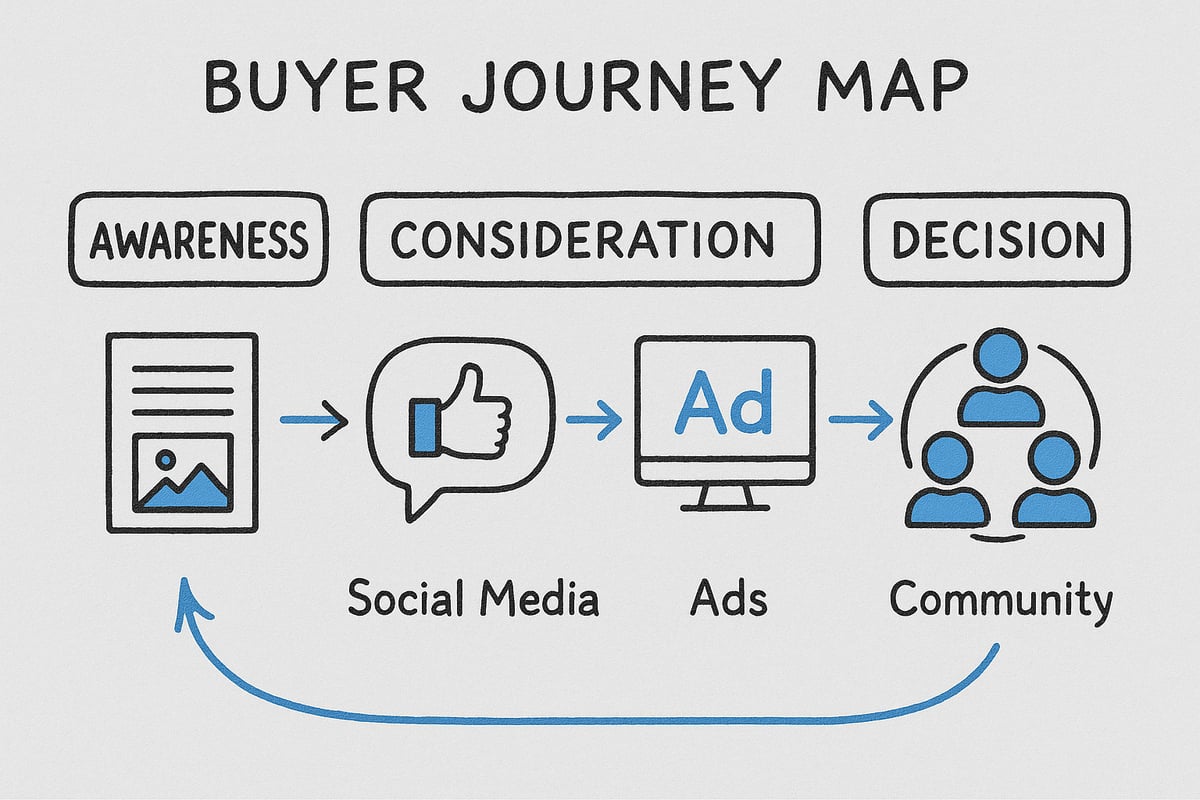
At its core, demand generation is a holistic marketing strategy designed to spark interest and awareness for your products or services. Unlike narrow lead-focused tactics, demand generation covers the full buyer journey, from the very first moment a potential customer discovers your brand through to loyal post-sale engagement.
This approach begins long before someone fills out a form or requests a demo. It continues well beyond the initial purchase, nurturing relationships and encouraging repeat business. According to Cognism and Amazon Ads, demand generation is all about building trust and authority with your target audience, not just collecting contact information.
Inbound marketing and the marketing funnel play key roles here. By offering valuable content and experiences at every touchpoint, demand generation moves prospects smoothly from curiosity to conversion and brand advocacy.
Demand Generation vs. Lead Generation
It is crucial to distinguish demand generation from lead generation. While they are related, each serves a unique purpose in the marketing ecosystem.
- Demand generation focuses on creating broad interest, boosting brand reputation, and educating the market.
- Lead generation zeroes in on capturing and converting specific prospects, often through gated content or contact forms.
Here is a quick comparison:
| Aspect | Demand Generation | Lead Generation |
|---|---|---|
| Goal | Build awareness, trust | Capture, convert leads |
| Tactics | Social campaigns, content | Gated assets, forms |
| Funnel Stage | All stages | Mid to bottom |
Treating these terms as interchangeable can limit your growth. For instance, a social media campaign designed to educate is demand generation, while a downloadable eBook with a form is lead generation. As CMO insights suggest, many organizations are now shifting from a narrow MQL (Marketing Qualified Lead) focus toward a broader, more sustainable demand generation approach. For a deeper dive, see the difference between lead generation and demand generation.
Why Demand Generation is Essential in 2025
The marketing landscape in 2025 is more competitive and noisy than ever. Buyers are overwhelmed with information and have higher expectations for value-driven interactions. Demand generation is no longer optional—it is the engine that builds trust and fuels sustainable business growth.
Recent statistics show the impact: companies leveraging demand generation report an 84% increase in account-based marketing reputation scores and a 74% improvement in customer relationships. These results stem from a focus on delivering value and building credibility, not just chasing leads.
Demand generation also helps reduce costs. By nurturing prospects and customers over time, businesses lower both acquisition and retention expenses. This strategic approach is vital for both B2B and B2C brands aiming to stand out in a crowded market.
To thrive in 2025, organizations must prioritize demand generation as the foundation of their marketing efforts. It is the key to building brand authority, expanding your audience, and driving high-quality leads that convert.
Core Demand Generation Strategies for 2025
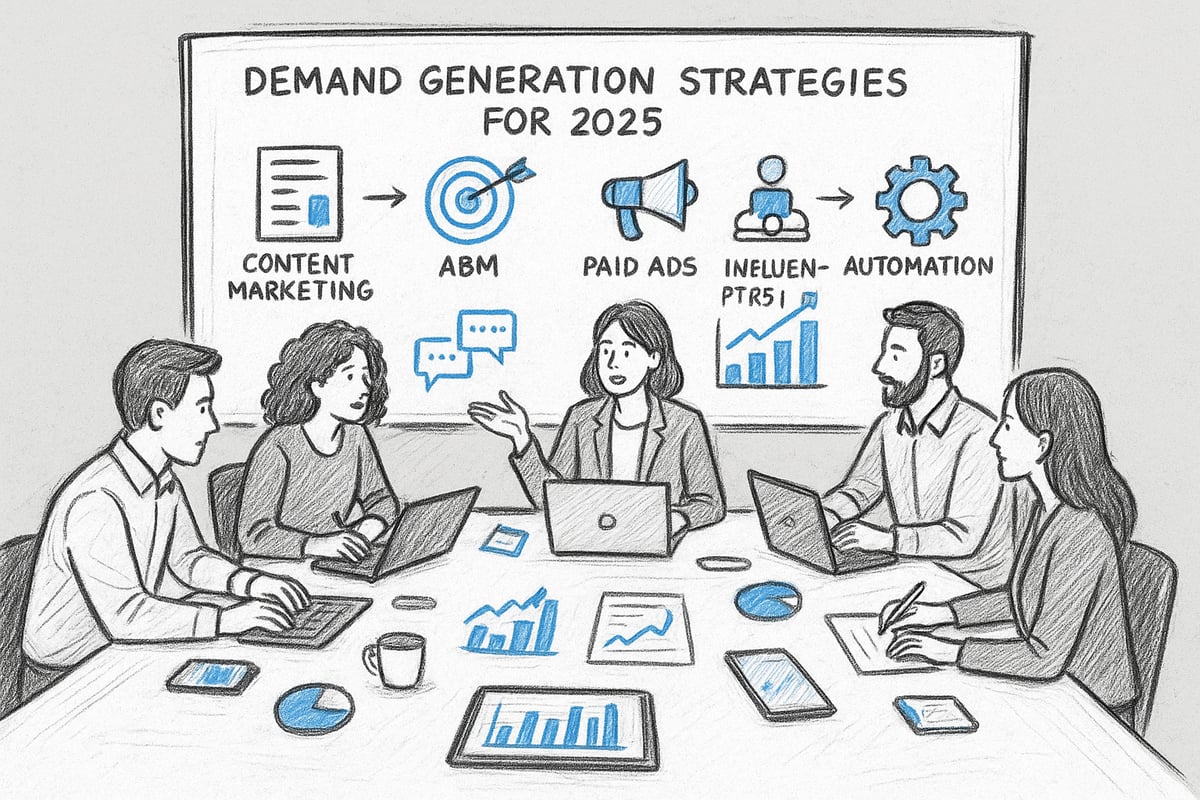
To thrive in 2025, businesses must master core demand generation strategies that adapt to changing buyer habits and digital environments. The right approach means more brand awareness, trust, and high-quality leads at every stage of the funnel.
Content Marketing Excellence
Content remains the heartbeat of demand generation, shaping how brands attract and nurture audiences. In 2025, high-value, expert-led content is non-negotiable. Buyers crave substance over hype, expecting brands to deliver insights through diverse formats.
A strong content strategy covers:
- Blogs and articles for awareness
- Webinars and eBooks for education
- Podcasts and videos for engagement
- Case studies for decision support
| Content Type | Funnel Stage | Value Provided |
|---|---|---|
| Blog | Awareness | Thought leadership |
| Webinar | Consideration | In-depth exploration |
| Case Study | Decision | Social proof, credibility |
Cognism’s “Easy Mode Framework” shows how consistent, expert-driven content earns trust. According to B2B Demand Generation Trends & Statistics 2025, 81% of B2B buyers say content guides their purchasing journey. For demand generation, prioritize quality, relevance, and consistency.
Account-Based Marketing (ABM)
Account-Based Marketing is surging in importance for demand generation programs in 2025. ABM enables hyper-targeted engagement by focusing on high-value accounts that closely match your Ideal Customer Profile (ICP).
Key benefits include:
- Personalized outreach that resonates
- Higher reputation scores and customer loyalty
- Better alignment between sales and marketing
Best practices for ABM:
- Segment accounts by revenue potential
- Develop personalized content for each segment
- Align sales and marketing teams around shared goals
Companies using ABM in their demand generation see up to 84% higher reputation scores. Defining your ICP and tailoring campaigns ensures resources are spent where they drive the most impact.
Paid Advertising and Media
Paid channels are vital for accelerating demand generation in a crowded digital space. Platforms like Google Ads, LinkedIn, and Facebook offer advanced targeting and remarketing, letting brands reach prospects at the right moment.
Why invest in paid media?
- Rapid audience scaling
- Precise targeting by persona, industry, or behavior
- Real-time analytics for campaign optimization
For example, Cognism refined its paid media strategy and saw a 600% increase in conversions. In 2025, advancements in audience targeting and cross-platform tracking will make paid demand generation even more efficient. Use analytics to adjust spend and maximize ROI.
Influencer and Thought Leadership Campaigns
Influencers and thought leaders amplify demand generation by extending a brand’s reach and credibility. Collaborating with respected voices in your industry opens doors to new audiences and builds trust quickly.
Effective campaign formats include:
- Guest blog posts and podcast interviews
- Co-hosted webinars or virtual events
- Social media takeovers
Micro-influencers and niche experts are especially valuable in 2025, as buyers seek authentic, relatable voices. Industry insights from influencer collaborations boost engagement and position your brand as a trusted authority. Integrate influencer partnerships into your demand generation mix for maximum impact.
Community Building and Owned Media
Building your own audience channels is a game-changer for demand generation. Owned communities, like forums, newsletters, and podcasts, foster direct relationships and deeper engagement.
Core benefits:
- Direct access to your audience, no intermediaries
- Higher engagement and loyalty
- Collection of first-party data for future campaigns
Cognism demonstrates how podcasts, YouTube channels, and newsletters can serve as powerful demand generation engines. In 2025, “dark social” platforms and private groups will become even more important, offering spaces for genuine conversation outside public feeds. Invest in owned media to future-proof your brand’s demand generation.
Data-Driven Personalization and Automation
Personalization at scale is essential for effective demand generation. AI and automation tools allow marketers to deliver tailored content, offers, and experiences based on real-time data and user behavior.
Key elements:
- Segmentation by demographics, behavior, and engagement
- Automated content delivery and lead nurturing
- Real-time triggers based on buyer actions
Modern ABM platforms track every interaction, enabling content to be customized for each persona. In 2025, predictive analytics will forecast buyer intent, letting marketers anticipate needs before prospects even raise their hands. This data-driven approach ensures your demand generation stays relevant and impactful.
Step-by-Step Guide to Building a Winning Demand Generation Program
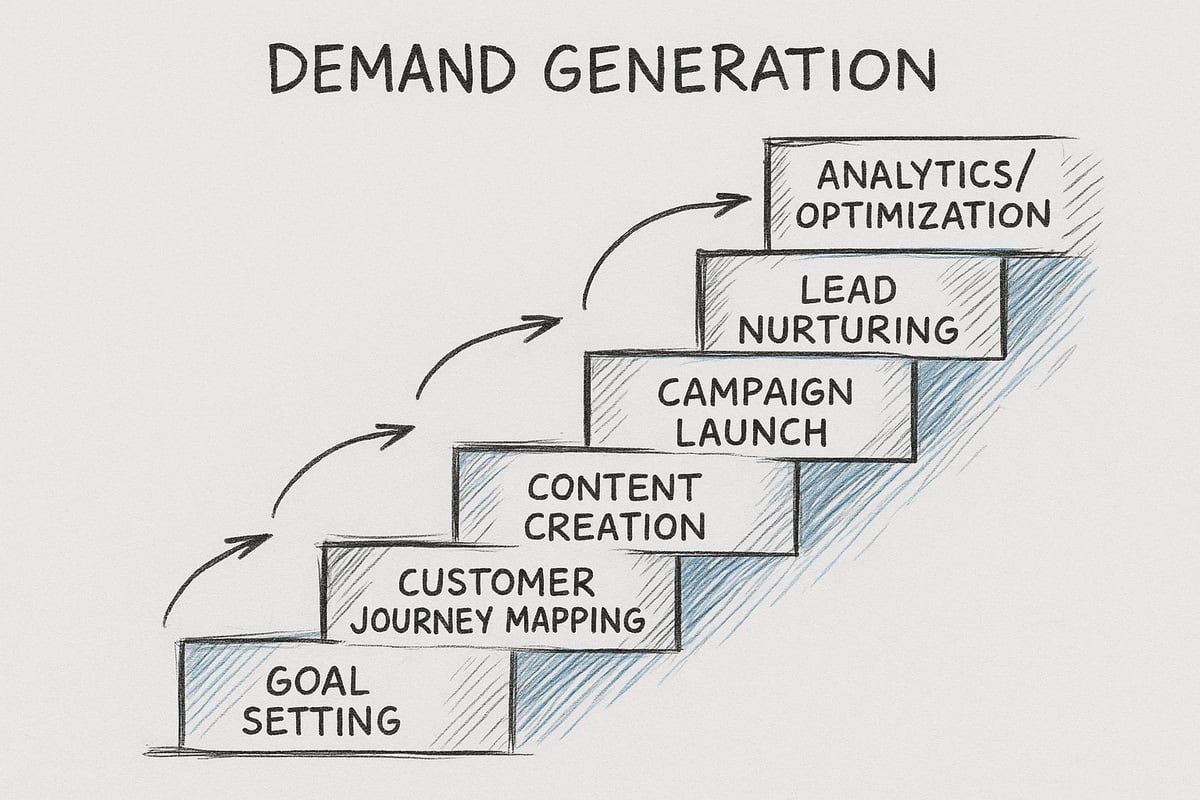
Building a successful demand generation program requires a strategic, phased approach. Each step is essential for laying a strong foundation, driving engagement, and ensuring measurable results. Follow this guide to turn your marketing efforts into a scalable engine for growth.
Step 1: Define Goals and Ideal Customer Profiles (ICP)
Start your demand generation journey by setting clear, measurable goals. Are you aiming to boost brand awareness, drive pipeline growth, or deepen customer loyalty? Define what success looks like with KPIs everyone can rally around.
Next, create your Ideal Customer Profiles (ICP) using revenue analysis and market segmentation. Consider factors such as industry, company size, buying triggers, and revenue potential.
Collaborate with sales and marketing to ensure alignment on priorities and audience targeting. For example, Cognism uses revenue analysis to refine account lists, ensuring each campaign targets the most valuable prospects. With a strategic focus, every demand generation effort delivers higher ROI and more efficient campaigns.
Step 2: Map the Customer Journey and Content Needs
A winning demand generation program maps the full customer journey, from first touch to loyal advocate. Identify key stages: Awareness, Consideration, Decision, and Loyalty.
For each stage, outline the content types and channels that best answer buyer questions. For instance:
- Awareness: Blogs, social posts
- Consideration: Webinars, guides
- Decision: Case studies, demos
- Loyalty: Newsletters, customer stories
Address pain points at every touchpoint. In 2025, interactive and multimedia content—like polls or short videos—boosts engagement and guides prospects smoothly through the funnel. This journey-centric approach ensures demand generation resonates at every step.
Step 3: Develop and Distribute High-Value Content
Content is the heartbeat of demand generation. Build assets led by subject matter experts and informed by data. Mix formats: written articles, videos, podcasts, and live events.
Prioritize education and problem-solving over direct promotion. Focus on value, not just volume. Leverage both owned channels (your blog, newsletter, YouTube) and third-party platforms for broader reach.
For practical strategies on content-driven demand generation, see How to build a lead generation machine, which outlines proven tactics to turn articles into a scalable source of leads. The right content, distributed well, powers demand generation success.
Step 4: Launch Targeted Campaigns Across Channels
Combine organic and paid tactics for a robust demand generation mix. Use Account-Based Marketing (ABM) for high-value accounts, while deploying PPC and social ads to reach wider audiences.
Integrate influencer collaborations and community engagement to amplify reach. Personalize messaging and offers for each segment, increasing relevance and conversion likelihood.
Orchestrate campaigns across channels with unified tracking, ensuring prospects experience a consistent journey. In 2025, omnichannel strategies and cross-platform insights are vital for maximizing demand generation impact.
Step 5: Nurture, Qualify, and Convert Leads
Nurturing is where demand generation efforts pay off. Implement lead scoring and qualification to focus on prospects with the highest intent.
Use marketing automation for personalized nurturing sequences—think tailored emails, retargeting ads, and dynamic website content. Align the sales handoff process for seamless transitions from interest to action.
For example, automated email sequences and timely follow-ups keep leads engaged until they are ready to buy. Effective demand generation nurtures trust and drives conversions at scale.
Step 6: Analyze, Optimize, and Scale
Measurement is essential for demand generation growth. Set up robust analytics to track KPIs like engagement, pipeline velocity, conversion rates, and ROI.
Use these insights to refine content, targeting, and budget allocation. Run A/B tests on messaging and creative to continuously improve results.
In 2025, predictive analytics and AI-driven optimization allow you to spot trends and scale what works faster than ever. Regular analysis ensures your demand generation program stays agile and effective in a rapidly changing market.
Measurement, Analytics, and KPIs for Demand Generation Success
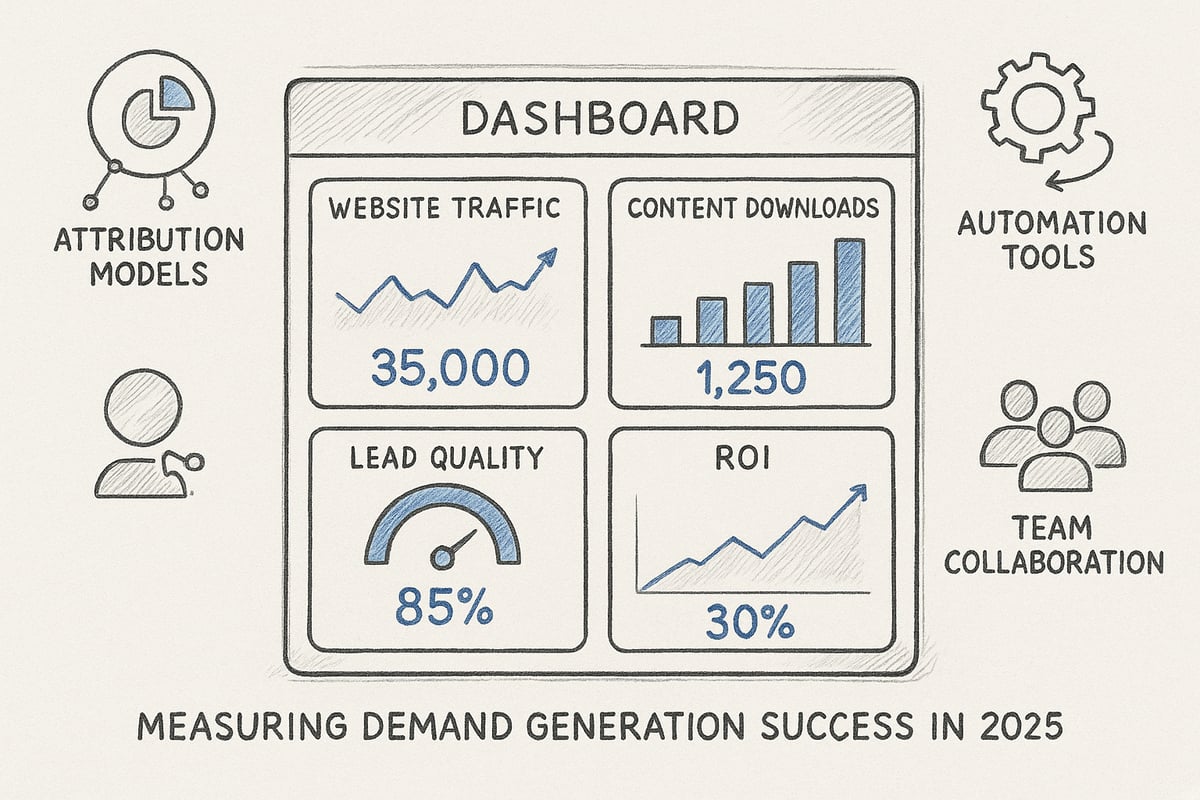
To ensure your demand generation strategy delivers real results, you need to measure what matters. Tracking the right metrics lets you prove impact, optimize campaigns, and secure future investment. But measurement in demand generation is about more than just counting leads or website visits. It’s about understanding every stage of the buyer journey, tying activity to revenue, and continuously refining your approach.
Key Metrics to Track
When it comes to demand generation, you need to look beyond surface-level stats. The right KPIs reveal the true health of your funnel and help you make smarter decisions.
Here’s a quick table summarizing essential demand generation metrics:
| KPI | What It Measures | Why It Matters |
|---|---|---|
| Website Traffic | Sessions, time on site, bounce rate | Gauges reach and engagement |
| Content Performance | Downloads, views, shares, completion | Identifies top-performing assets |
| Lead Quality | MQLs, SQLs, opportunity rates | Focuses on conversion potential |
| Pipeline Contribution | Volume and velocity of deals | Connects marketing to revenue |
| ROI and CPA | Return on campaign spend | Proves value and efficiency |
Leading platforms like Amazon Ads and Cognism emphasize the importance of robust reporting, full-funnel attribution, and insights like ROAS to validate your demand generation efforts.
Attribution Models and Analytics Tools
Attribution is the secret weapon for understanding what drives results in demand generation. First-touch, last-touch, and multi-touch attribution models each offer unique insights into buyer behavior. Multi-touch is especially powerful, as it considers every interaction a prospect has before converting.
To track the full customer journey, you’ll need a mix of tools:
- CRM systems to centralize data
- Marketing automation for scoring and nurturing
- Analytics platforms for channel and campaign performance
For a deeper dive into how attribution unlocks a 360-degree view of demand generation performance, see this detailed guide on SaaS lead generation tracking and attribution.
The future is all about enhanced cross-channel attribution and AI-powered analytics, giving teams the clarity to invest in what works.
Continuous Improvement and Reporting
Demand generation is not a set-it-and-forget-it play. Success requires a cadence of regular reporting and agile optimization.
Set up weekly, monthly, and quarterly reports involving marketing, sales, and leadership. Use real-time dashboards to quickly spot bottlenecks or new opportunities. Benchmark your results against industry standards and competitors to see where you stand.
Top performers, like Cognism, use iterative testing and real-time analytics to refine their demand generation campaigns. For the latest benchmarks and insights on how AI is shaping analytics and performance, consult the AI-Driven Demand Generation Benchmark Report 2025.
In 2025, automated reporting and predictive analytics will be must-haves. The brands that embrace continuous measurement and improvement will outpace the competition, turning data into a true growth engine.
Future Trends and Innovations in Demand Generation for 2025
Demand generation is undergoing rapid transformation in 2025, fueled by new technologies, evolving buyer habits, and rising expectations for privacy and personalization. To stay ahead, businesses must proactively adapt their demand generation strategies and embrace innovation across every touchpoint.
AI, Automation, and Predictive Analytics
Artificial intelligence is revolutionizing demand generation in 2025. AI-driven tools now automate campaign management, personalize content at scale, and predict which prospects are most likely to convert. By leveraging predictive analytics, marketers can identify high-intent audiences before competitors do.
For example, Amazon Ads uses AI-powered solutions to optimize ad placements and messaging, while Cognism relies on automation to enhance account-based marketing. These innovations are not optional—they are becoming the new standard for demand generation. To dive deeper into how innovation and agility shape demand generation this year, explore Demand Generation in 2025: Balancing Innovation, Strategy, and Agility.
Evolving Buyer Behaviors and Dark Social
Buyer behavior is shifting rapidly. More decision-makers conduct research independently, often through private channels like messaging apps or closed social groups. This "dark social" engagement is difficult to track with traditional analytics.
To capture demand generation opportunities in these hidden spaces, brands are building owned media platforms and focusing on community-led conversations. Cognism has doubled down on podcasts and newsletters to reach buyers where they are most active. Marketers need to rethink attribution and listen for signals beyond visible clicks and form fills.
Privacy, Data Compliance, and First-Party Data
With regulations like GDPR and CCPA expanding, privacy has become a central concern for demand generation in 2025. Marketers must prioritize first-party data collection and transparent consent practices. Relying on third-party cookies is no longer sustainable.
Key steps for compliance and trust-building:
- Use clear opt-in forms
- Regularly audit data practices
- Communicate privacy policies openly
Ethical data use is now a competitive differentiator, helping brands maintain customer trust and deliver more relevant demand generation experiences.
Integration with Sales and Customer Success
Demand generation no longer operates in a silo. In 2025, success depends on close alignment with sales and customer success teams. Joint planning, shared KPIs, and real-time feedback loops ensure that marketing efforts translate into revenue and long-term relationships.
Unified revenue teams foster seamless buyer experiences and higher conversion rates. By integrating demand generation with sales enablement and retention programs, businesses maximize the lifetime value of every customer.
If you’re serious about making 2025 your breakthrough year for demand generation, you don’t have to navigate the new strategies and technologies alone. We’ve covered how AI, personalization, and value-driven marketing can transform cold leads into loyal customers, but every business is unique—and your opportunities are too. If you’re ready to see how these strategies can work specifically for your brand, why not take the next step? Let’s dive into your goals and tailor a roadmap together. You can Book a FREE Strategy Call and get expert, actionable advice—no strings attached.