


The race to get leads is more intense than ever as the digital landscape rapidly evolves in 2025. Businesses of all sizes face a daunting challenge: how to consistently attract quality prospects while standing out in a crowded market.
Traditional tactics are no longer enough. To succeed, you need up-to-date, actionable strategies that deliver measurable results. This guide is your roadmap to get leads efficiently and effectively, using proven techniques that work right now.
Inside, you’ll discover how to build a strong foundation, leverage multichannel methods, harness AI-driven tools, create compelling content, and optimize every step for maximum conversions. Ready to transform your lead generation game? Let’s dive in.
Building a Solid Lead Generation Foundation
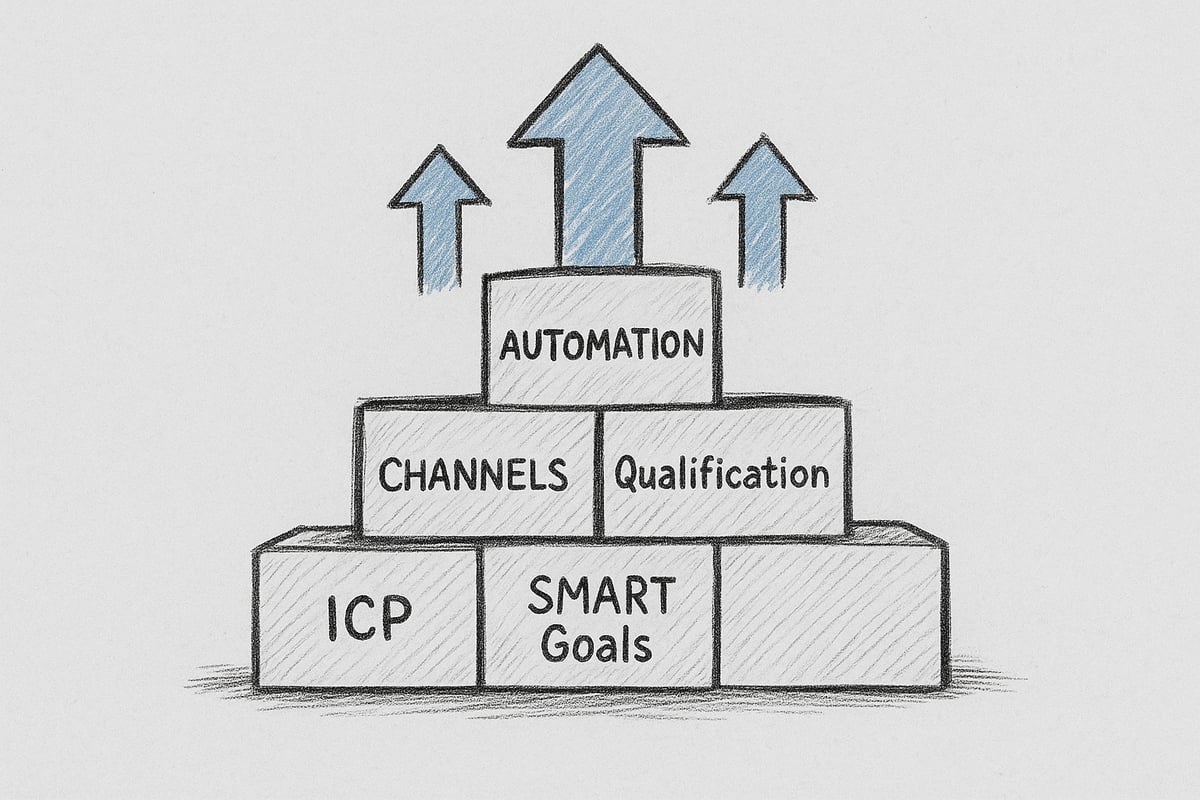
Building a solid foundation is essential if you want to consistently get leads in 2025. Without the right groundwork, even the most advanced tactics will fall flat. Let’s walk through the step-by-step essentials every business needs for lead generation success.
Understanding Your Ideal Customer Profile (ICP)
To get leads that convert, you must first know who you’re targeting. An Ideal Customer Profile (ICP) defines the characteristics of your best-fit prospects.
Segmentation is key. Break down your ICP by:
- Demographics (age, location)
- Firmographics (industry, company size)
- Psychographics (values, pain points)
According to HubSpot (2024), 68% of high-performing marketers use detailed buyer personas. For example, a SaaS company refined its ICP, focusing on mid-size tech firms, and doubled its lead quality. When you get leads who match your ICP, your sales team works smarter, not harder.
Setting SMART Lead Generation Goals
Every successful effort to get leads starts with clear goals. SMART goals are:
| Specific | Measurable | Achievable | Relevant | Time-bound |
|---|---|---|---|---|
| Who/What | How much | Realistic | Aligned | Deadline |
Align your lead goals with your business objectives. Track KPIs like cost per lead and conversion rate to measure progress. For instance, a B2B agency used SMART goals and increased qualified leads by 30% in six months. When you get leads with purpose-driven goals, your results become predictable and scalable.
Choosing the Right Lead Generation Channels
The way you get leads is rapidly evolving. In 2025, top-performing channels include LinkedIn, paid ads, SEO, webinars, and referrals. According to DemandWave (2024), 74% of B2B leads come from LinkedIn.
Different industries require different channel mixes. For example, a clinic balances organic SEO with paid campaigns for steady growth. To explore more proven ways to get leads for my business, consider combining two or three channels to maximize your reach and efficiency.
Establishing a Lead Qualification Process
Getting a lot of contacts doesn’t always mean you get leads that matter. Qualifying leads is essential. Define:
- MQL (Marketing Qualified Lead)
- SQL (Sales Qualified Lead)
- Lead scoring (assigning value based on engagement)
Automate this process using tools like HubSpot or Salesforce. According to Forrester (2024), automating qualification increases sales productivity by 50%. An agency reduced its sales cycle by 20% after implementing lead scoring, ensuring they get leads ready for fast follow-up.
Integrating Technology and Automation
To get leads at scale, leverage CRM systems, marketing automation, and AI. Automation streamlines lead capture, nurturing, and follow-up. Statista (2024) reports 80% of marketers saw more leads after adopting automation.
A service provider, for example, used automation to nurture thousands of prospects simultaneously, resulting in more high-quality leads. When you get leads through automation, you free up your team to focus on closing deals, not chasing prospects.
Multichannel Lead Generation Strategies for 2025
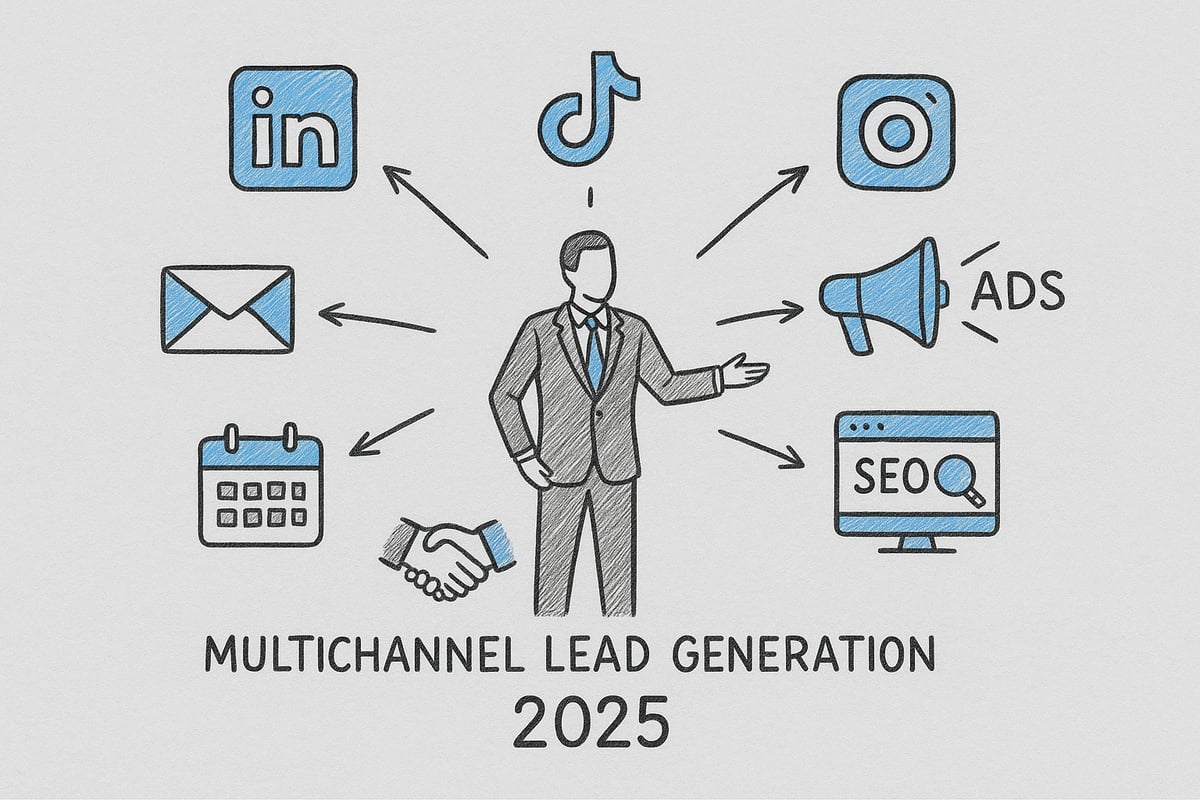
In 2025, businesses must embrace a multichannel approach to consistently get leads. Relying on just one tactic is like fishing with a single hook when you could cast a net. Integrating several channels not only increases exposure but also improves lead quality and conversion rates.
Below, we break down the top-performing strategies every business should leverage to maximize their ability to get leads in the new digital landscape.
Leveraging Social Media Platforms
Social media remains a powerhouse for those aiming to get leads. In 2025, LinkedIn dominates B2B, while TikTok and Instagram are essential for B2C engagement.
Tactics include:
- Targeted outreach via LinkedIn InMail
- Building thought leadership with short-form video on TikTok
- Partnering with influencers for authentic reach
A recent survey found 61% of marketers say social is their top source to get leads. For instance, a consultant generated over 200 leads monthly through LinkedIn outreach. For more up-to-date methods, check out How to find leads in 2025.
Mastering Paid Advertising and Retargeting
Paid ads are essential for scaling efforts to get leads quickly. Google Ads, Meta Ads, and programmatic display let you reach specific audiences with precision.
Retargeting is especially effective. Visitors who see retargeted ads are 70% more likely to convert. An e-commerce brand cut their cost per acquisition by 25% using retargeting campaigns that nudged past visitors back to their site.
The key is to blend prospecting with retargeting, ensuring you don’t miss out on warm opportunities to get leads.
Email Marketing and List Building
Building and nurturing your email list is a timeless way to get leads. Focus on opt-in strategies and segmentation to send the right message to the right person.
Personalized, automated drip campaigns keep prospects engaged. The payoff is huge: email delivers a $42 ROI for every $1 spent. One agency doubled their ability to get leads by automating drip campaigns, ensuring no prospect slipped through the cracks.
Content Marketing and Lead Magnets
Content is your digital handshake. Use guides, webinars, and templates to educate and attract those looking to get leads.
Gated content and dedicated landing pages capture contact info. According to the Content Marketing Institute, 80% of marketers use content to get leads. A SaaS firm, for example, used webinars to drive a surge in demo signups, filling their pipeline with sales-ready prospects.
SEO and Organic Lead Acquisition
SEO is the heartbeat of long-term strategies to get leads. Focus on search intent and keyword targeting to capture high-quality, high-converting traffic.
Optimize for voice search and featured snippets, as these attract users ready to act. With 53% of website traffic now coming from organic search, ranking for high-intent keywords is crucial. A local business increased their ability to get leads by optimizing content for their top service queries.
Partnerships, Referrals, and Co-Marketing
Partnering up is a smart way to get leads you might otherwise miss. Referral programs, co-hosted webinars, and cross-promotions open doors to new audiences.
Referral leads convert 30% better than other sources. Agencies are growing their pipelines by running joint webinars with complementary partners, demonstrating that collaboration is a fast track to get leads.
Offline and Event-Based Strategies
Offline channels still matter when you want to get leads. Trade shows, networking events, and local sponsorships create trust and face-to-face connections.
Sync your offline efforts with digital CRM so no lead is lost. One law firm captured over 100 leads at a single industry event, showing the value of blending physical and digital strategies to get leads.
Harnessing AI and Automation for Lead Generation
Artificial intelligence and automation are transforming how businesses get leads in 2025. Companies leveraging these modern tools enjoy faster, more targeted, and scalable lead generation strategies. Let’s break down exactly how AI and automation deliver an edge in today’s competitive market.
The Rise of AI in Lead Generation
AI has become a game-changer for businesses aiming to get leads more efficiently. With AI-powered algorithms, targeting the right prospects, personalizing interactions, and qualifying leads are now faster and more precise.
According to Salesforce, 61% of marketers use AI for lead generation today. For example, a B2B company implemented AI chatbots on their site, enabling instant qualification and routing of prospects to the right sales rep. This resulted in a significant increase in qualified leads and a reduction in manual effort.
Embracing AI is not just about automating tasks, it’s about unlocking new possibilities to get leads at scale.
Automated Lead Nurturing Workflows
Nurturing leads is no longer a manual, time-consuming process. Automated workflows empower businesses to get leads moving through the funnel with minimal friction. By setting up drip campaigns and behavioral triggers, you can deliver targeted messages exactly when prospects are ready to engage.
Machine learning personalizes these interactions at scale, ensuring every lead receives relevant content. MarketingSherpa reports that automated workflows can increase conversions by up to 20%. For instance, a clinic automated follow-ups for appointment bookings and saw a jump in show rates and overall lead conversion.
If you want to get leads that are sales-ready, automated nurturing is essential.
Predictive Analytics and Lead Scoring
Predictive analytics is revolutionizing how businesses get leads that actually convert. By analyzing historical data and buyer behaviors, predictive models identify which prospects are most likely to become customers. This lets sales teams prioritize high-value opportunities and focus their efforts where it matters most.
Integrating predictive lead scoring with your CRM streamlines handoffs and improves sales velocity. A tech firm using AI-based scoring increased their sales pipeline speed and closed more deals by focusing on the right leads.
If you want to get leads that truly add value, predictive analytics is your secret weapon.
Chatbots and Conversational Marketing
Chatbots are now essential for businesses wanting to get leads around the clock. Available 24/7, these AI-powered assistants instantly engage website visitors, answer questions, and qualify prospects in real time. IBM found that 69% of consumers prefer chatbots for quick communication.
For example, an e-commerce company used chatbots to qualify and route leads, resulting in higher conversion rates and improved customer satisfaction. Chatbots not only capture more leads, they also help you get leads faster by reducing response times.
Deploying conversational marketing tools puts your business ahead in the race to get leads.
How AI-Powered Lead Generation Companies Like Adstra Drive Predictable Results
Companies like Adstra are redefining how businesses get leads by leveraging proprietary AI systems. These platforms automate everything from lead acquisition to appointment booking, delivering pre-qualified, ready-to-buy leads directly to your sales team.
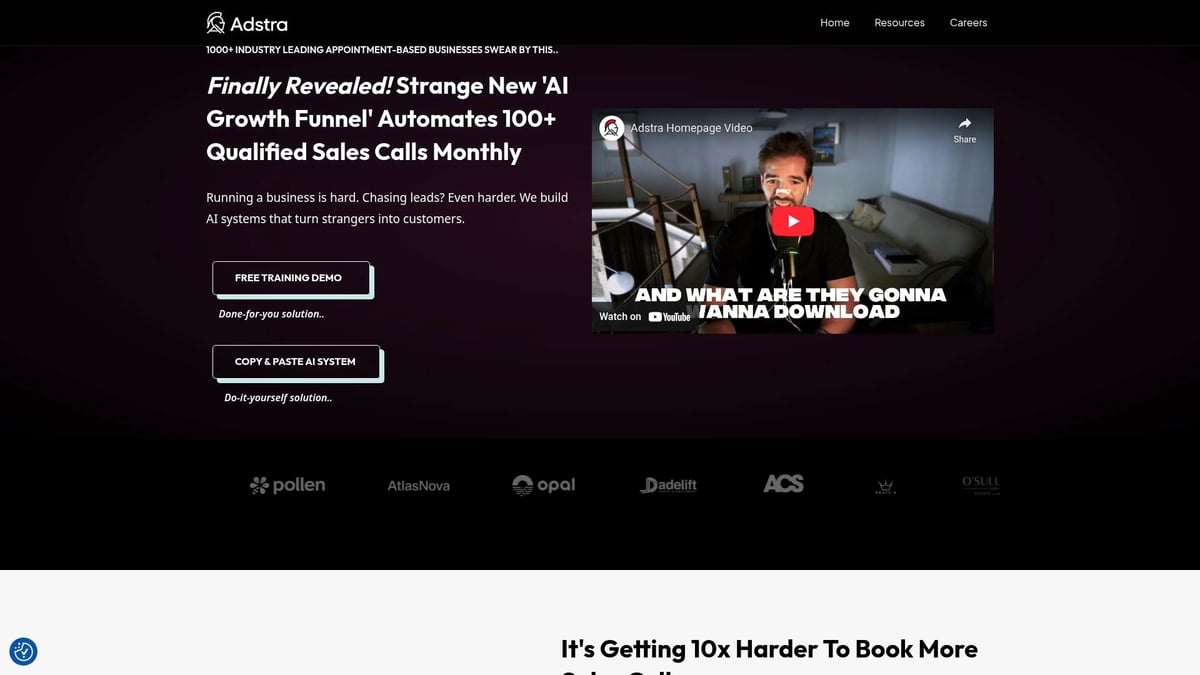
Adstra’s unique approach focuses on appointment-based businesses, offering a transparent partnership model and ongoing support. Many companies have reduced manual prospecting and increased conversion rates by partnering with AI-driven providers.
To dive deeper into how these solutions work and their benefits, check out The complete guide to lead generation companies. AI-powered partners can help you get leads predictably, efficiently, and at scale.
Creating High-Conversion Lead Magnets and Landing Pages
A powerful lead generation engine starts with irresistible offers and seamless user journeys. If you want to get leads in 2025, mastering lead magnets and landing pages is non-negotiable. Let’s break down how to craft each step for maximum results.
Designing Irresistible Lead Magnets
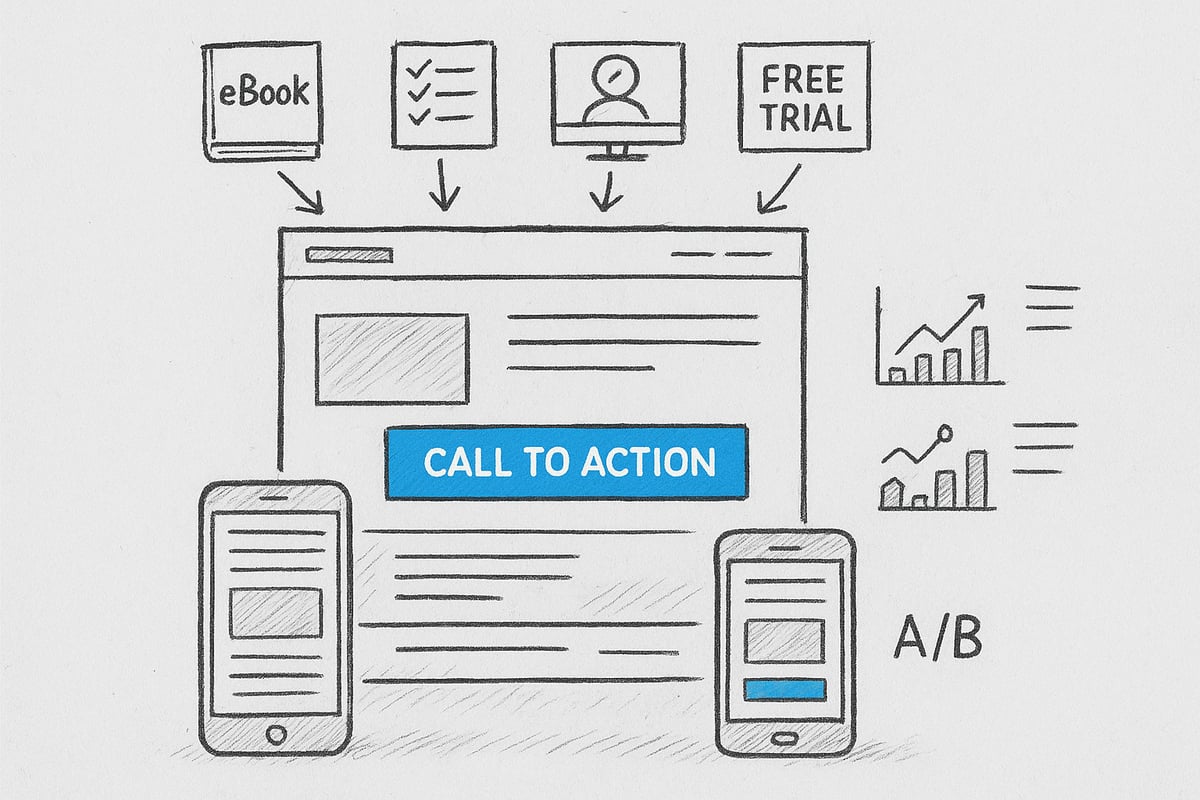
To get leads that are high quality, your offer must match your audience’s needs. The best lead magnets solve a real problem or fulfill a strong desire. Top choices include:
- eBooks packed with actionable tips
- Checklists and cheat sheets for quick wins
- Webinars or live demos for interactive learning
- Free trials or templates to remove friction
Always align your lead magnet with the buyer’s intent and funnel stage. For instance, an agency doubled its opt-in rate by offering editable templates tailored to industry pain points. To see more about what works, explore Effective B2B lead generation strategies, which covers actionable approaches proven to get leads in competitive markets.
Crafting Effective Landing Pages
Your landing page is the make-or-break moment to get leads. Every element should guide the visitor toward your goal. Focus on:
- A clear, benefit-driven headline
- One strong value proposition
- A single, highly visible CTA
- Minimal navigation or distractions
According to WordStream, landing pages with just one CTA convert 202 percent better. A SaaS brand improved form completion rates by simplifying their page and reinforcing their offer above the fold. To get leads, clarity always beats cleverness.
A/B Testing and Conversion Rate Optimization (CRO)
To consistently get leads at scale, you need to optimize. A/B testing is your secret weapon. Test different headlines, CTAs, and layouts to find what resonates most.
Popular tools like Google Optimize and Unbounce make it easy to run experiments. For example, an e-commerce store increased its lead volume by 35 percent just by testing button colors and form lengths. Every tweak brings you closer to your goal to get leads more efficiently.
Mobile Optimization and User Experience
If your landing page is not mobile-optimized, you are missing out on a huge share of traffic. In 2025, 70 percent of lead form submissions come from mobile devices. Fast load times, responsive layouts, and thumb-friendly forms are essential to get leads from on-the-go prospects.
A clinic saw a dramatic boost in leads after streamlining their mobile page and reducing fields. Small changes to user experience can unlock big gains in your get leads campaigns.
Integrating Analytics and Tracking
To get leads and improve results, you must track every step. Set up Google Analytics, heatmaps, and conversion tracking to understand visitor behavior. Review your data to uncover which sources and pages drive the best performance.
A consultant used analytics to identify that webinars were their top-performing channel, quickly reallocating budget for even more results. For the latest benchmarks and trends, check out Lead Generation Statistics 2025 to ensure your get leads strategy is data-driven and future-proof.
Nurturing and Converting Leads into Customers
Turning prospects into loyal customers is the final and most critical step to get leads that actually drive business growth. Success here relies on a blend of strategic engagement, deep personalization, seamless collaboration, and continuous optimization. Let’s break down each of these essential pillars.
Multi-Touch Nurturing Sequences
Modern prospects rarely convert after just one interaction. In 2025, it takes at least eight touchpoints to get leads to move down the funnel. Combining email, SMS, social media, and retargeting keeps your brand top of mind and builds trust over time. For instance, a B2B firm saw a dramatic boost in conversions after implementing an omnichannel nurturing program.
Here’s a quick summary table:
| Touchpoint | Impact |
|---|---|
| High personalization | |
| SMS | Instant engagement |
| Social | Ongoing awareness |
| Retargeting | Recapture lost interest |
For more data on what works best, explore these B2B Lead Generation Insights.
Personalization and Dynamic Content
To get leads that actually convert, you need to speak directly to each prospect’s unique needs. Personalization goes beyond using a first name in an email. Dynamic content adapts to user behavior, showing tailored recommendations or offers based on past activity. According to Epsilon, personalized experiences can boost conversion rates by 63 percent.
Picture an e-commerce store that recommends products based on browsing history or sends cart reminders. These strategies make prospects feel understood, increasing the likelihood they’ll take action.
Sales and Marketing Alignment
Aligning your sales and marketing teams is essential if you want to get leads that don’t fall through the cracks. Shared KPIs and clear feedback loops ensure both teams are working toward the same goals. Service Level Agreements (SLAs) help define lead follow-up timelines and responsibilities, reducing lead leakage.
Consider an agency that implemented regular alignment meetings and a joint dashboard. The result? Faster follow-up, better handoff, and a measurable uptick in conversion rates.
Measuring, Optimizing, and Scaling Lead Generation
To consistently get leads and improve results, you must track and refine your efforts. Focus on metrics like cost per lead, conversion rate, and pipeline velocity. Use analytics tools to identify what’s working and where you can improve. Regular reviews and process updates keep your strategy agile.
A SaaS company, for example, grew from 100 to 1,000 leads per month by closely monitoring performance and optimizing campaigns. For actionable data and the right tools, check out Lead Generation Metrics and Tools.
Ready to put these proven strategies into action and see real results for your business in 2025? If you’re serious about generating high quality leads and want a clear path to predictable growth, let’s take the next step together. I’ve helped businesses just like yours use AI and automation to turn cold prospects into ready to buy customers—no more guesswork or wasted effort. Imagine having a tailored game plan, expert support, and the confidence that your lead generation is in good hands. Curious what this looks like for you? Book a FREE Strategy Call and let’s map out your success.