


The world of lead marketing company strategies is evolving faster than ever, and 2026 is set to raise the bar. If you want to stay ahead in this competitive space, you need the latest tools and approaches to secure high-quality leads.
This article reveals the 7 essential strategies every lead marketing company must master to thrive in 2026. Discover how AI-powered lead generation, omnichannel engagement, data privacy, advanced automation, personalization, strategic partnerships, and real-time analytics will shape your success. Ready to future-proof your growth? Dive in for actionable solutions that will keep you ahead of the curve.
The Evolution of Lead Marketing in 2026
The world of lead marketing company strategies is evolving at a breakneck pace. To stay competitive, understanding how these changes shape the industry is crucial. Let’s explore the major shifts driving success for every lead marketing company in 2026.
Shifting Buyer Behaviors and Digital Trends
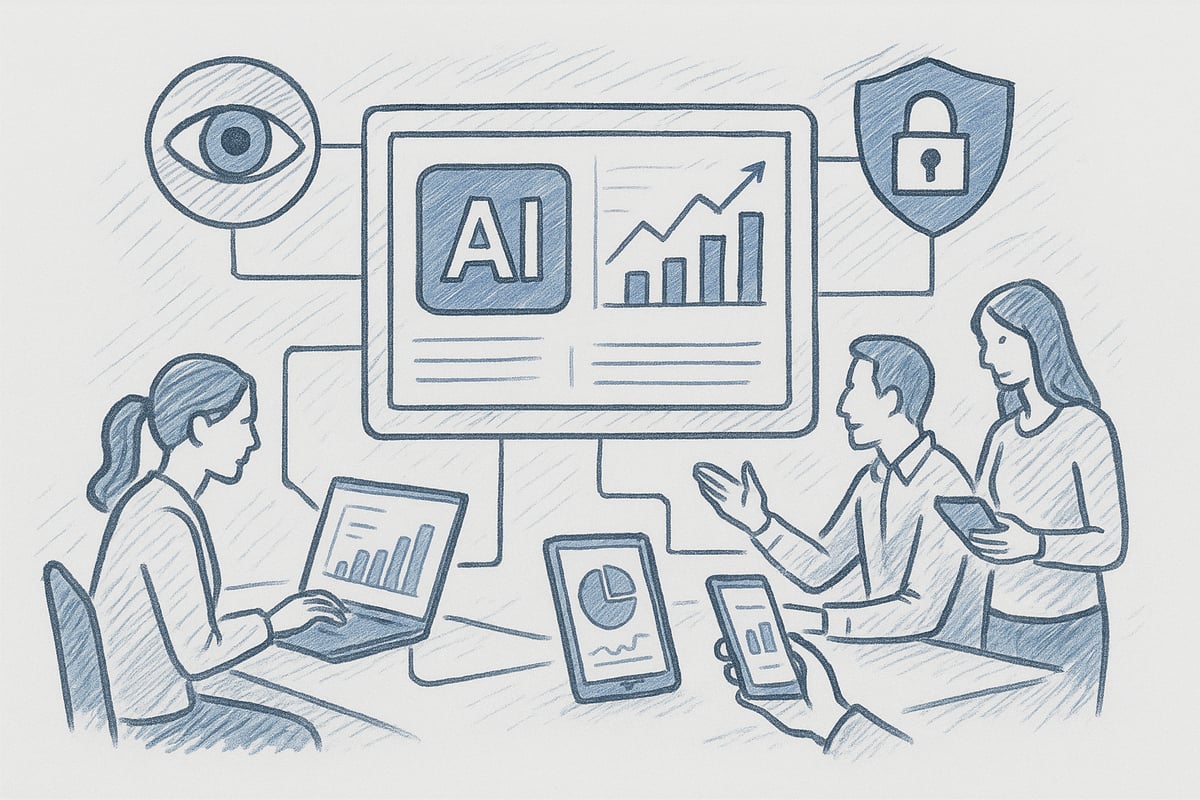
Today’s buyer journey is no longer linear. Modern consumers research independently, often engaging with digital content long before speaking with a sales rep. In fact, 67% of B2B buyers rely on online resources before initiating contact, according to Gartner.
A lead marketing company now faces buyers who expect value-driven interactions at every touchpoint. This shift means that offering rich, relevant content is essential to attract and nurture these self-educated prospects. Companies that adapt quickly to these preferences will gain a competitive edge.
Technological Advancements Shaping the Industry
AI and automation are transforming how a lead marketing company identifies and engages prospects. Machine learning enables smarter targeting and segmentation, helping marketers pinpoint high-value leads with precision.
According to Salesforce, 80% of marketing leaders plan to increase their AI investments by 2026. Predictive analytics and advanced tools now uncover hidden patterns, making campaigns more effective. Embracing these innovations is no longer optional for any lead marketing company aiming for scalable growth.
Increased Focus on Data Privacy and Compliance
Data privacy is now a top priority for every lead marketing company. Global regulations such as GDPR and CCPA have redefined how businesses collect and use personal information. Trust is currency—72% of consumers say they engage only with brands that protect their data, as Cisco reports.
To maintain credibility, companies are implementing transparent consent management and double opt-in processes. Training teams on compliance and using automation tools to monitor data practices are critical steps for building lasting trust with leads.
Omnichannel Engagement as Standard
Today’s lead marketing company must deliver cohesive experiences across every channel. Digital, social, email, SMS, chat, and even offline interactions are now seamlessly integrated for maximum impact.
Personalization remains key. Coordinating messaging and offers ensures prospects feel understood wherever they engage. For a deeper look at how these strategies are transforming the industry, check out the latest omnichannel marketing trends for 2026.
The Need for Agile and Scalable Strategies
Static marketing plans are obsolete in 2026. A successful lead marketing company embraces agility, continuously testing and optimizing campaigns to respond to market shifts.
Scalability is also essential. As channels and technologies evolve, companies must adopt flexible processes and platforms. This mindset enables quick adaptation, ensuring ongoing growth and relevance in a rapidly changing landscape.
7 Essential Lead Marketing Company Strategies for 2026
To lead in the competitive 2026 market, a lead marketing company must adopt innovative strategies that address changing buyer behaviors, technology, and regulatory demands. The following seven tactics are not just trends, but essential pillars for success. Let’s dive into each, revealing actionable insights and proven tactics for sustained growth.
1. Harnessing AI and Machine Learning for Predictive Lead Scoring
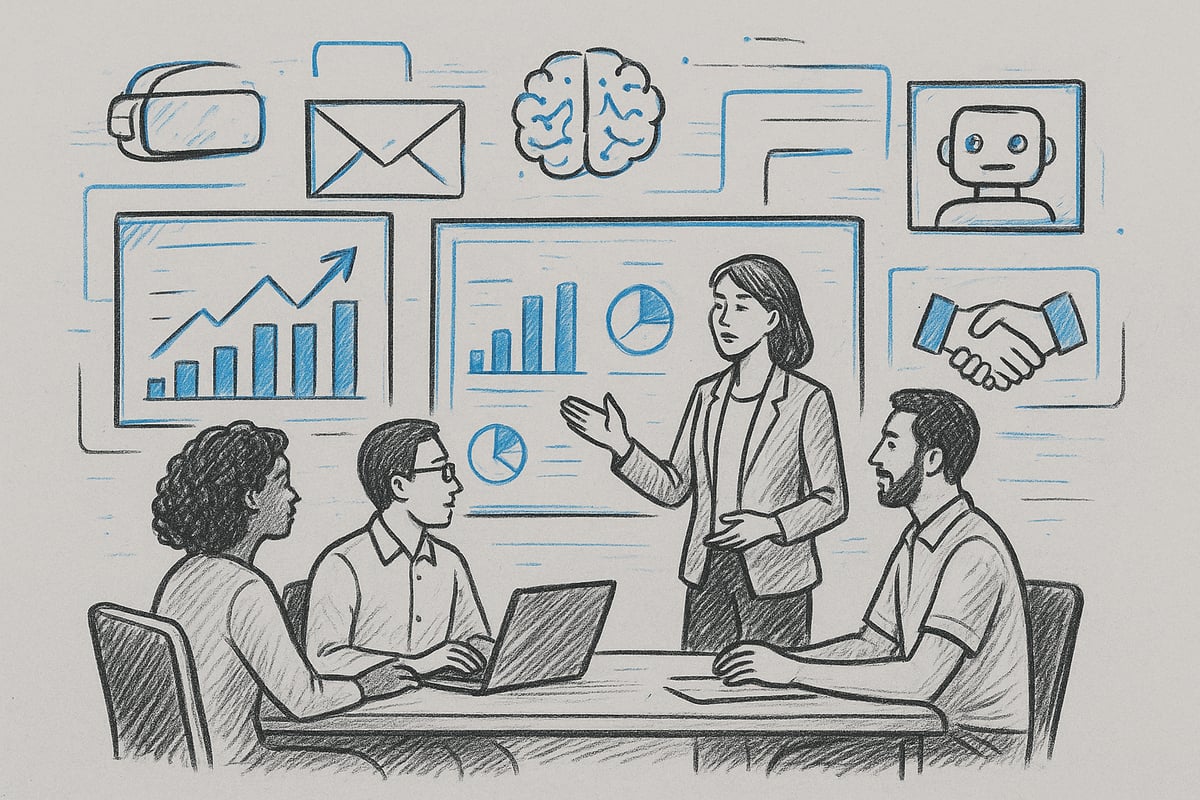
AI and machine learning are revolutionizing how a lead marketing company identifies and prioritizes prospects. By analyzing massive datasets, AI-driven platforms can pinpoint high-value leads based on historical behavior, engagement signals, and intent data.
A modern lead marketing company uses predictive lead scoring to move beyond guesswork. For example, AI algorithms can surface patterns invisible to humans, allowing teams to focus efforts on leads with the highest likelihood to convert. Companies leveraging these tools often see conversion rates increase by 50 percent or more, dramatically boosting ROI.
Key platforms such as Salesforce Einstein, HubSpot AI, and Adobe Sensei are leading this charge. These tools integrate seamlessly with CRM systems, automating lead scoring and segmentation with minimal manual oversight.
However, implementation is not without challenges. Data quality is critical—garbage in, garbage out. Integration can also be complex, requiring close collaboration between marketing and IT. The most successful lead marketing company teams invest in data hygiene and cross-functional training.
Best practices include:
- Regularly auditing data sources for accuracy.
- Training staff on AI tool usage.
- Piloting new AI features before full rollout.
- Monitoring for bias or ethical pitfalls.
The future is clear: AI-driven automation is set to become even more pervasive. In fact, Meta’s AI-driven ad automation by 2026 highlights the industry’s shift toward fully automated, AI-powered campaigns. For a lead marketing company, embracing AI is not optional, but essential for staying competitive.
2. Implementing Omnichannel Lead Nurturing Campaigns
Success in 2026 demands that a lead marketing company delivers consistent, personalized experiences across every channel. Omnichannel lead nurturing means coordinating messaging on email, social media, SMS, chatbots, and even emerging AR and VR platforms, ensuring that no touchpoint is disconnected.
A lead marketing company that excels in omnichannel engagement sees up to 3x higher customer engagement rates. For example, a prospect may start by clicking a social ad, receive a personalized email, then interact with a chatbot on the website, all with seamless messaging and context.
To orchestrate this, leading companies use automation platforms like Marketo, Pardot, and Iterable. These tools allow for real-time tracking, segmentation, and personalization at scale. Measurement is key: dashboards track cross-channel performance, highlighting what works and what needs refinement.
Tips for effective omnichannel campaigns:
- Build unified customer profiles to track interactions across all channels.
- Use automation to trigger timely, relevant follow-ups.
- Maintain brand voice and personalization at every touchpoint.
In 2026, emerging tech like AR and VR is further enhancing omnichannel experiences. According to Omnichannel retail trends for 2026, brands integrating immersive technologies see higher engagement and loyalty. A forward-thinking lead marketing company will invest in these tools to remain relevant.
Consistency and adaptability are crucial. By weaving together digital, social, and offline channels, a lead marketing company can guide leads through a seamless journey, increasing trust and conversion rates.
3. Prioritizing Data Privacy and Ethical Lead Practices
With data privacy regulations tightening worldwide, a lead marketing company must put transparency and compliance at the core of its strategy. GDPR, CCPA, and other regulations require companies to handle personal data responsibly, or risk losing trust and valuable leads.
A lead marketing company must implement robust consent management practices. Double opt-in forms, clear privacy policies, and transparent data usage statements are now standard. These practices not only ensure compliance but also foster trust, which is vital for long-term success.
Consider this: brands that mishandle data lose up to 30 percent of potential leads due to privacy concerns. On the other hand, 72 percent of consumers say they are more likely to engage with brands that actively protect their data.
To stay ahead, a lead marketing company should:
- Use automated tools for consent and preference management.
- Regularly train staff on evolving regulations.
- Audit lead capture processes for compliance gaps.
- Educate clients and partners about best practices.
Compliance automation platforms such as OneTrust and TrustArc help streamline these efforts, reducing manual workload and minimizing risk.
Ethical marketing extends beyond compliance. It’s about being honest with prospects, using data solely for agreed-upon purposes, and never resorting to manipulative tactics. A lead marketing company that leads with integrity builds lasting relationships and a strong reputation in the market.
4. Leveraging Advanced Automation for Lead Management
Efficiency is the name of the game. By 2026, a lead marketing company that automates lead management processes—such as capture, segmentation, and follow-up—will outpace competitors still relying on manual workflows.
Workflow automation tools like Zapier, HubSpot, and ActiveCampaign allow a lead marketing company to respond to new leads instantly. For example, automated follow-ups can increase lead response times by as much as 70 percent, ensuring prospects stay engaged and move smoothly through the funnel.
Integration is key. Connecting automation with CRM, sales, and marketing platforms ensures no lead falls through the cracks. AI-powered chatbots and virtual assistants can qualify leads 24/7, freeing human teams to focus on high-value conversations.
Benefits of advanced automation include:
- Faster response times
- Improved scalability
- Reduced human error
- Consistent follow-up
However, it’s important to maintain a human touch. Over-automation can feel impersonal and alienate prospects. The best lead marketing company teams strike a balance, using automation for repetitive tasks while keeping critical interactions personal.
To maximize results, regularly review and optimize automated workflows. For more on essential tools, see this guide on tools for lead generation. The right tech stack empowers a lead marketing company to scale efficiently and deliver exceptional results.
5. Personalizing Lead Experiences at Scale
Personalization is no longer a nice-to-have—it’s a necessity. A lead marketing company must leverage data, AI, and automation to craft tailored experiences for every prospect, regardless of scale.
Dynamic content, adaptive landing pages, and individualized offers are now standard. For instance, a lead marketing company using behavioral and intent-based segmentation can deliver content that speaks directly to a lead’s needs and interests. Case studies show that such personalization drives 20 percent higher conversion rates compared to generic campaigns.
Key personalization tactics include:
- Using AI to analyze website behavior and trigger relevant offers.
- Segmenting leads by engagement level, buying stage, and interests.
- Deploying dynamic email content that adapts in real time.
Tools like Dynamic Yield and Salesforce Marketing Cloud make it possible to manage personalized campaigns across thousands of leads. However, a lead marketing company must balance automation with authentic, human engagement. Prospects can quickly detect robotic messaging, so blending AI insights with real empathy is essential.
The most successful lead marketing company teams continually test and refine personalization strategies, using analytics to uncover what resonates. Authenticity, relevance, and value are the cornerstones of effective personalization in 2026.
6. Forming Strategic Partnerships and Ecosystem Collaborations
In a crowded digital landscape, forming alliances is a powerful growth lever. A lead marketing company can expand its reach and value proposition by partnering with complementary businesses, technology providers, or influencers.
Partner marketing—through affiliate programs, joint webinars, or co-branded content—allows a lead marketing company to tap into new audiences and share resources. For example, SaaS firms have increased lead volume by 40 percent through strategic collaborations.
Effective partnerships require:
- Clear alignment on goals and KPIs
- Transparent data sharing agreements
- Joint marketing plans
- Regular communication and performance reviews
Legal and compliance considerations are critical. A lead marketing company must ensure all data exchange and co-marketing activities meet privacy standards.
Collaboration goes beyond just lead sharing. It’s about creating an ecosystem where partners support each other’s growth. This approach enables a lead marketing company to offer more holistic solutions and differentiate in a competitive market.
By cultivating strong partnerships, a lead marketing company can unlock new opportunities, diversify its lead sources, and drive sustained growth.
7. Investing in Real-Time Analytics and Continuous Optimization
In 2026, data is your most valuable asset. A lead marketing company that invests in real-time analytics gains a decisive edge, making smarter decisions and optimizing campaigns on the fly.
Modern dashboards track every lead source, channel, and conversion, enabling instant ROI analysis. Real-time insights allow a lead marketing company to shift budgets, test new approaches, and quickly abandon underperforming tactics.
Key metrics to monitor:
- Lead quality and conversion rates
- Cost per lead
- Channel performance
- Customer lifetime value
A/B and multivariate testing are essential for continuous improvement. Predictive analytics can even forecast which leads are most likely to convert, allowing for proactive resource allocation.
Companies using analytics reduce cost-per-lead by up to 25 percent while increasing overall campaign effectiveness. To maximize these benefits, a lead marketing company should invest in platforms like Google Analytics 4, Tableau, or Datorama.
Continuous optimization is a mindset. For more insights on enhancing outcomes, check out this resource on improving marketing results. By embracing a data-driven culture, a lead marketing company can stay agile, adapt to market shifts, and consistently outperform the competition.
Future-Proofing Your Lead Marketing Company
Staying ahead in 2026 means future-proofing your lead marketing company with more than just the latest tools. It’s about building a culture, processes, and mindset ready to tackle rapid change. Let’s break down how top performers are future-proofing their businesses for long-term growth and resilience.
Building an Agile, Innovative Culture
The foundation of any future-ready lead marketing company is an agile, innovative culture. Teams must embrace experimentation and adapt quickly to shifts in buyer behavior and technology.
Encourage regular brainstorming sessions and pilot new tactics often. Foster a learning environment where upskilling in AI, analytics, and compliance is a priority. When teams are empowered to take calculated risks and learn from setbacks, your company becomes more resilient and creative.
Scaling with Technology and Talent
To grow sustainably, a lead marketing company needs to balance advanced platforms with skilled people. Invest in scalable marketing automation, AI-driven analytics, and integrated CRM systems. But remember, technology works best when paired with a team trained to leverage it.
Hybrid human-AI collaboration is the new norm. Marketers who excel at interpreting AI insights and personalizing outreach will set your company apart. For more on how AI is shaping the future of customer experience, check out AI’s impact on customer experience in 2026.
Navigating Regulatory and Market Changes
Compliance is no longer optional. As privacy laws evolve, your lead marketing company must build resilient processes to adapt swiftly. Assign a compliance lead or team to monitor regulations, update data practices, and ensure all campaigns meet global standards.
This proactive approach builds trust with clients and prospects. Regularly audit your data flows and consent management to stay ahead of potential risks. Agile compliance processes will keep your brand protected as the landscape shifts.
Measuring Success and ROI
Clear KPIs are essential for future-proofing. Track lead quality, conversion rates, and revenue impact closely. Use real-time dashboards to monitor performance and spot trends early.
Set up feedback loops between sales and marketing for continuous optimization. A simple table like this can help your team stay focused:
| Metric | Target | Frequency |
|---|---|---|
| Lead Quality Score | 80%+ | Weekly |
| Conversion Rate | 25% | Monthly |
| Cost Per Lead | Under $50 | Weekly |
This discipline ensures your lead marketing company drives results, not just activity.
Real-World Success Stories
Top lead marketing company leaders are already reaping the benefits of future-proofing. For example, one B2B agency adopted agile sprints for campaign testing, leading to a 30% boost in qualified leads within six months.
Another company partnered with tech firms to co-create webinars, expanding their reach and cutting acquisition costs by 20%. Want to see more examples of companies thriving in this space? Explore the Lead generation companies overview for deeper insights into what sets the leaders apart.
No matter your starting point, these strategies will help your lead marketing company stay relevant, resilient, and ready for what’s next.
If you’re ready to put these seven powerful strategies into action and future proof your lead marketing efforts, why not get personalized advice tailored to your business? We’ve seen firsthand how advanced AI, smart automation, and truly transparent partnerships can drive real, measurable growth—just like the companies thriving in this rapidly changing landscape. You don’t have to figure it all out alone. Let’s chat about how you can turn cold leads into ready-to-buy customers with a proven, value-driven approach.
Book a FREE Strategy Call
and take the first step toward guaranteed growth together!