


Imagine the marketing industry in 2026, where AI-driven personalization, seamless omnichannel connections, and ethical data practices have completely redefined how brands engage with their audiences. The pace of innovation is faster than ever, challenging every marketer to keep up.
This essential guide explores the transformative trends, technologies, and strategies shaping the future of the marketing industry. Discover how new consumer expectations, emerging channels, and automation are rewriting the rules.
Are you ready to unlock new opportunities for growth, creativity, and efficiency? Dive in to future-proof your marketing strategy and stay ahead in a rapidly evolving landscape.
The Evolving Landscape of the Marketing Industry in 2026
The marketing industry in 2026 is experiencing a dramatic transformation, shaped by digital innovation, evolving consumer expectations, and a renewed focus on trust and sustainability. As technology accelerates, brands are rethinking how they connect and compete. If you are wondering what will marketing look like, you are not alone—change is the only constant.
Accelerating Digital Transformation
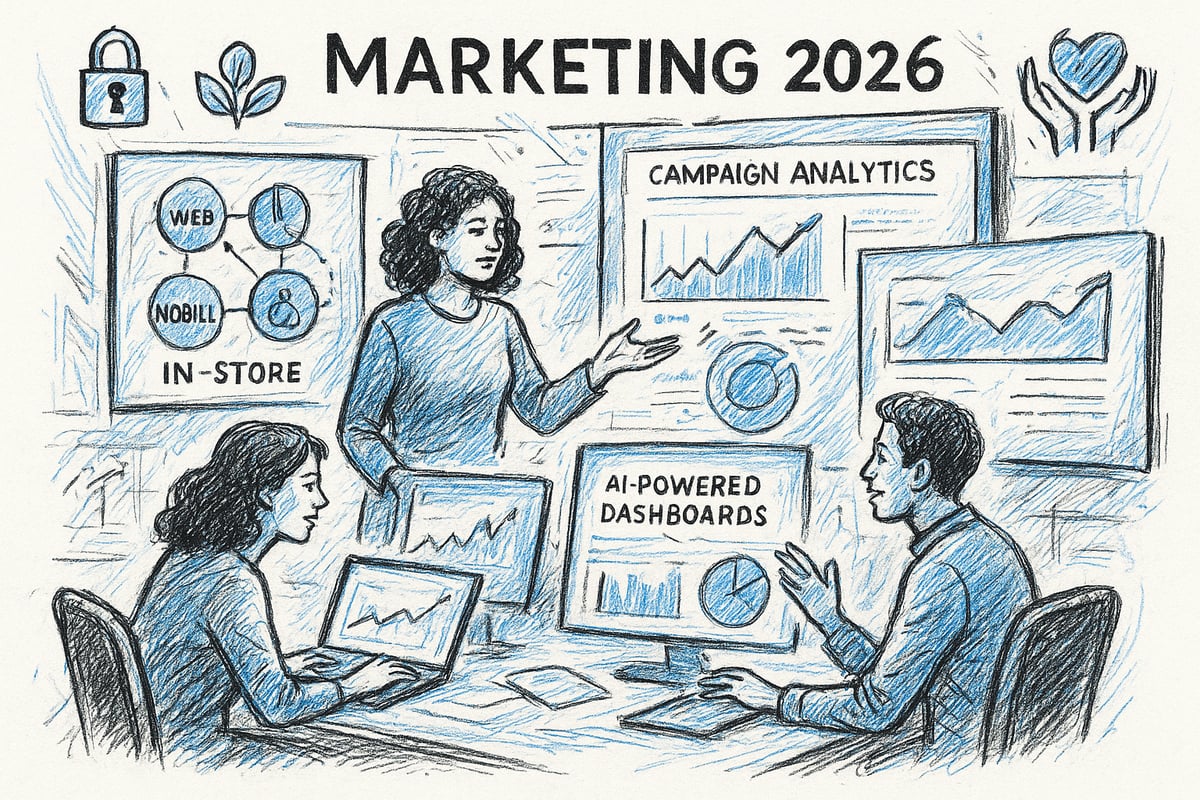
The marketing industry has shifted from traditional approaches to a digital-first mindset across every sector. Recent data from 2024 and 2025 shows over 70% of marketing budgets are now allocated to digital channels.
Major brands are moving away from linear TV, redirecting investments to streaming and dynamic digital platforms. This shift is powered by the integration of digital tools in every aspect of marketing, from content creation to campaign management and analytics. Marketers now rely on these platforms for faster, data-driven decision-making.
- Over 70% of budgets go digital
- Brands prioritize streaming over TV
- Digital tools enable agile campaigns
This digital acceleration is redefining the marketing industry and setting new standards for performance and innovation.
AI and Automation as Industry Cornerstones
AI and automation have become the backbone of the marketing industry in 2026. From campaign optimization to customer segmentation and predictive analytics, AI is everywhere.
For example, AI-driven content personalization can boost conversion rates by up to 30%. Automation handles repetitive tasks, freeing marketing teams to focus on strategy and creative problem-solving.
- AI personalizes content at scale
- Predictive analytics forecast trends
- Automation increases team efficiency
The marketing industry is now leveraging AI to achieve both operational efficiency and deeper customer engagement.
Rise of Omnichannel and Cross-Channel Marketing
Seamless customer experiences are a hallmark of the modern marketing industry. Brands must engage consumers across web, mobile, social media, in-store, and emerging channels.
The "Echoverse" concept highlights how interconnected environments demand new strategies. Retailers are using unified data to personalize both online and offline touchpoints, ensuring every interaction feels consistent and relevant.
- Omnichannel strategies boost loyalty
- Unified data creates seamless journeys
- Online and offline personalization is key
This omnichannel evolution is pushing the marketing industry to innovate and adapt, meeting consumers wherever they are.
Trust, Transparency, and Data Privacy
Trust and transparency are now competitive advantages in the marketing industry. With stricter regulations like GDPR and CCPA, brands must prioritize ethical data use.
Consumers demand clear communication about how their data is collected and used. Brands that fail to protect privacy or act transparently risk losing market share due to breaches or perceived dishonesty.
- Regulatory focus increases
- Transparency builds brand trust
- Ethical data use is essential
The marketing industry recognizes that trust is earned, not assumed—making transparency a core strategy for growth.
Sustainability and Social Responsibility
Sustainability and social responsibility are reshaping the marketing industry. Brands that champion inclusion and environmental stewardship are seeing measurable growth.
Consumers increasingly choose purpose-driven brands. Data shows that green product market share rises year after year, reflecting this shift in values.
- Inclusion drives brand growth
- Sustainability attracts loyal customers
- Purpose-driven marketing wins hearts
The future of the marketing industry belongs to brands that align with the values of their audience, making sustainability and social impact essential pillars.
Key Trends and Technologies Shaping Marketing in 2026
The marketing industry in 2026 is defined by innovation, agility, and a relentless focus on personalization. As digital disruption accelerates, brands are rapidly embracing new technologies and strategies. To stay ahead, marketers must master emerging channels, data-driven insights, and creative content production. For a deeper dive into pivotal trends, see The 6 Marketing Trends to Watch in 2026.
Generative AI and Content Creation
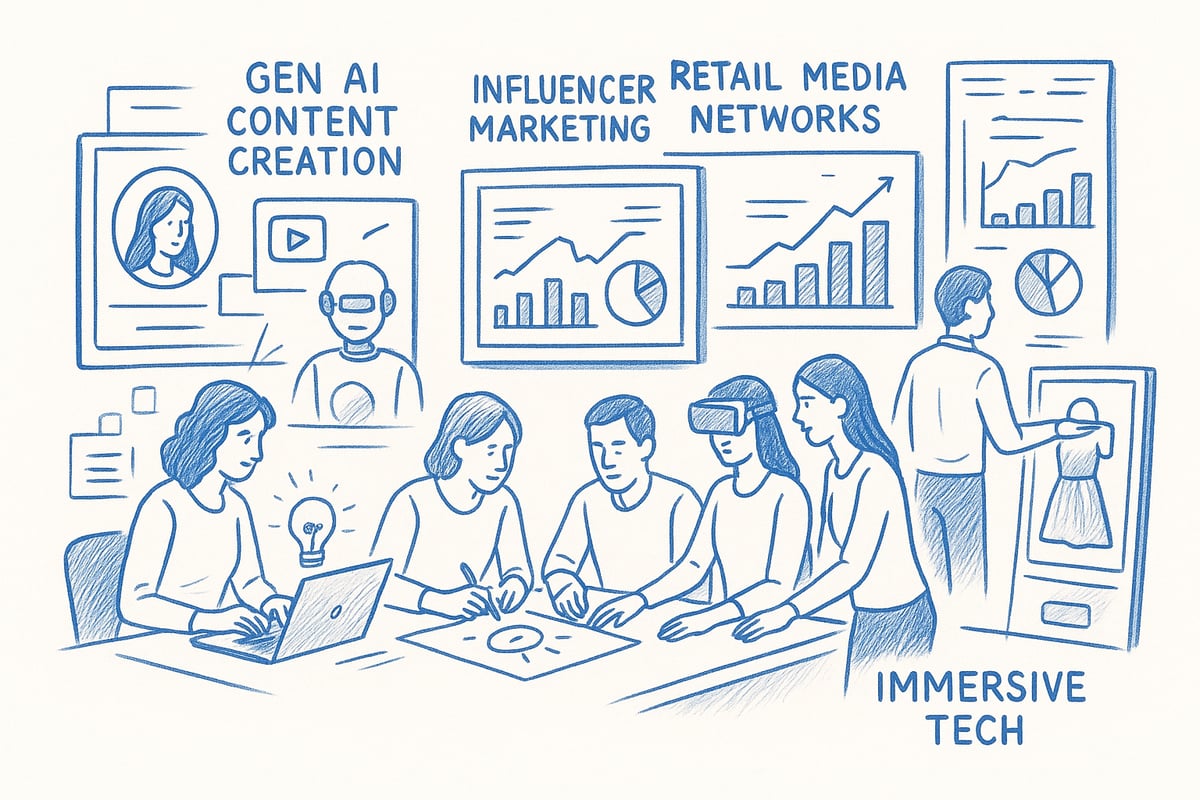
Generative AI is revolutionizing the marketing industry by transforming how brands research, create, and launch campaigns. Automated video and image generation tools are now capable of producing personalized ad creatives at scale, enabling rapid A/B testing and real-time adjustments.
Key impacts include:
- Faster content production cycles
- Lower creative costs
- Enhanced scalability for global campaigns
With Gen AI, marketers can quickly adapt messaging for diverse audiences, making the marketing industry more responsive and efficient. The ability to generate high-quality creative assets on demand is setting new standards for speed and relevance.
Influencer and Creator Marketing Evolution
Influencer marketing is undergoing a major shift in the marketing industry. Brands are moving from mega-influencers to micro-influencers, who offer higher engagement and authenticity. Micro-influencers connect with niche audiences, driving meaningful conversations and trust.
Three key trends:
- Virtual influencers and AI-generated personalities are gaining traction
- College athletes are becoming influential brand ambassadors
- Authenticity and relatability are prioritized over follower count
This evolution is helping brands in the marketing industry reach untapped segments and build loyal communities by leveraging relatable voices and emerging digital personas.
Retail Media Networks and Direct-to-Consumer Platforms
Retail media networks are reshaping the marketing industry by allowing retailers to monetize their first-party data. Giants like Walmart, Amazon, and Target have expanded in-house ad platforms, offering brands direct access to shoppers at the point of purchase.
Key benefits:
- Precise ad targeting using retailer data
- Better ROI measurement for campaigns
- Integration with loyalty and DTC programs
Direct-to-consumer brands are leveraging owned channels and customer data, improving margins and gaining more control over the customer journey. This shift is driving innovation and competition across the marketing industry.
Voice, Visual, and Immersive Search
The marketing industry is embracing new ways consumers discover and interact with brands. Voice-activated search is becoming mainstream, while visual commerce and AR/VR shopping experiences are gaining popularity.
Examples in action:
- Retailers using AR for virtual try-ons, increasing conversion rates
- Visual search tools simplifying product discovery
- Voice assistants streamlining the shopping process
These technologies are enhancing customer engagement and setting new expectations for convenience and interactivity within the marketing industry.
The New Rules of Channel Management
Channel management is more complex than ever in the marketing industry. The rise of fragmented consumer journeys across web, mobile, social, and physical touchpoints creates new measurement and attribution challenges.
Winning strategies include:
- Implementing multi-touch attribution models
- Investing in unified cross-channel analytics
- Adapting to rapid shifts in consumer preferences
As brands navigate these complexities, mastering channel management is critical for sustained success in the marketing industry. The future belongs to those who can connect experiences seamlessly and measure impact accurately.
The Role of AI, Data, and Automation in Marketing
Artificial intelligence, data, and automation are revolutionizing the marketing industry in 2026. These technologies are no longer optional—they are the driving force behind transformative change. Businesses that embrace these tools are reshaping how they engage customers, make decisions, and achieve growth.
AI-Powered Personalization and Predictive Analytics
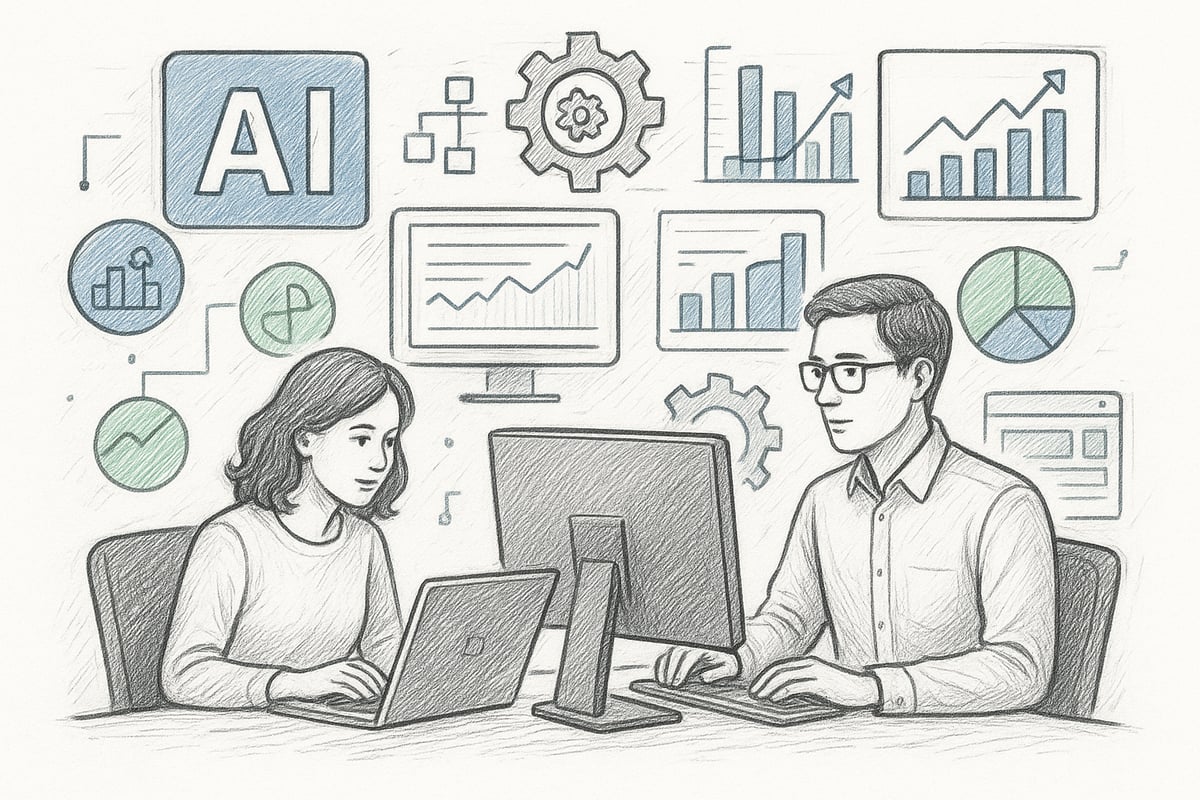
AI-powered personalization is now central to the marketing industry. Brands use advanced algorithms to deliver hyper-personalized content, offers, and product recommendations to individual customers. Predictive analytics tools forecast consumer behavior, helping marketers optimize their campaigns and budgets.
For example, AI-driven platforms analyze browsing patterns, purchase history, and engagement data to tailor experiences in real time. This level of customization not only improves conversion rates but also strengthens brand loyalty. As highlighted in AI Marketing: Automating Creativity for Digital Campaigns, AI’s ability to automate creative processes and personalize at scale is a game changer.
Automation of Lead Generation and Nurturing
Automation is streamlining lead generation and nurturing within the marketing industry. Automated systems qualify leads, schedule appointments, and nurture prospects through personalized email sequences and chatbots.
Consider B2B SaaS companies: AI chatbots engage website visitors 24/7, capturing leads and answering questions instantly. Automated workflows ensure no opportunity is missed, freeing teams to focus on strategic growth. This shift improves efficiency and shortens sales cycles, making automation indispensable for modern marketers.
Enhanced Market Research and Consumer Insights
Generative AI is transforming market research in the marketing industry. Tools now automate survey design, conduct sentiment analysis, and benchmark competitors with remarkable speed and accuracy.
Marketers gain deeper consumer insights, enabling agile decision-making and timely campaign adjustments. Instead of relying on static, outdated data, brands access live feedback and emerging trends. This empowers organizations to stay ahead of shifting customer preferences and industry disruptions.
Integration with CRM and Marketing Automation Platforms
Integrating AI and data with CRM and marketing automation platforms is critical for the marketing industry. Unified data ecosystems enable seamless campaign execution across email, social media, and advertising channels.
For instance, customer actions in one channel automatically trigger personalized responses in another, creating cohesive journeys. This integration simplifies measurement, improves attribution, and ensures that every touchpoint is informed by real-time insights. Marketers can now coordinate outreach with unprecedented precision.
Ethical AI and Data Governance
As the marketing industry becomes more data-driven, ethical considerations are paramount. Brands must address bias, ensure AI explainability, and comply with global data regulations.
Transparent practices foster trust and differentiate responsible brands. Companies are adopting clear data governance policies, regularly auditing AI models, and communicating openly with customers about data use. By prioritizing ethics, marketers protect their reputation and build lasting relationships in an increasingly regulated landscape.
New Channels, Consumer Behaviors, and the Future of Brand Engagement
The marketing industry is experiencing a seismic shift as new channels and evolving consumer behaviors redefine how brands engage their audiences. Success in this landscape means understanding not just where consumers spend their time, but how their expectations are transforming the rules of engagement. Let’s explore the trends every marketing industry professional must master to thrive in 2026.
Social Commerce and Shoppable Content
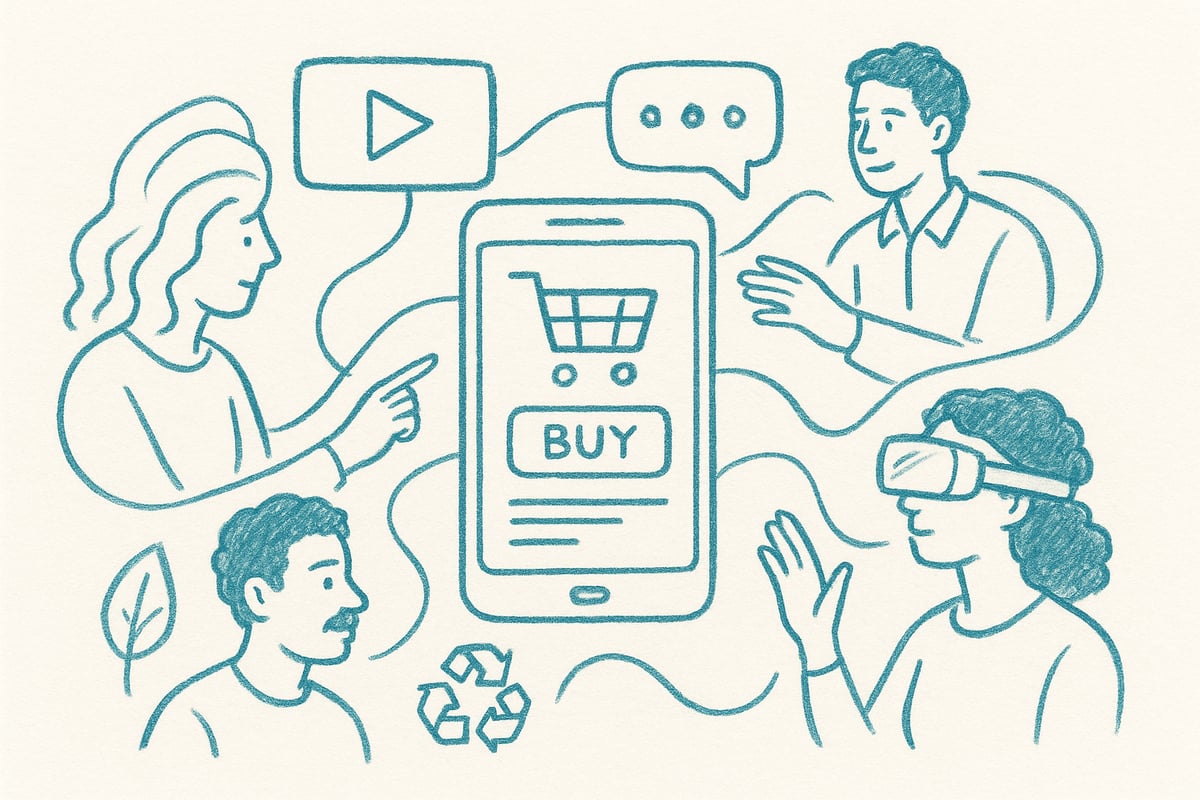
Social commerce is rapidly reshaping the marketing industry. Platforms like Instagram, TikTok, and Pinterest now double as virtual storefronts, letting users discover, research, and purchase products without ever leaving the app.
- In-app checkout features streamline the buying process.
- Influencer-led live shopping events create real-time urgency and excitement.
- Shoppable posts and videos blur the line between inspiration and transaction.
Brands that embrace social commerce can drive impulse purchases and foster deeper connections with digital-first consumers. The marketing industry must prioritize seamless, native shopping experiences to stay ahead.
Video, Livestreaming, and Short-Form Content
Video content is the beating heart of the marketing industry in 2026. Short-form clips, livestreams, and interactive video Q&As dominate engagement metrics and ad spend.
- Livestream shopping events offer product demos and instant feedback.
- Short-form video (under 60 seconds) captures attention in crowded feeds.
- Real-time Q&A sessions humanize brands and drive loyalty.
Consumers crave authenticity and immediacy, so marketers must develop agile video strategies. The marketing industry’s winners will be those who adapt quickly and keep content fresh, relevant, and platform-native.
Messaging Apps, Communities, and Micro-Networks
A major evolution in the marketing industry is the migration from public social feeds to private messaging apps and micro-communities. Platforms like WhatsApp, Discord, and Telegram enable direct, ongoing conversations between brands and their audiences.
- Private groups offer exclusivity and foster brand loyalty.
- Interest-based communities drive deeper engagement than mass broadcasts.
- One-to-one messaging supports personalized service and rapid response.
To win in the marketing industry, brands must build trust within these intimate digital spaces and nurture communities that champion their values.
Empowered, Values-Driven Consumers
Today’s consumers are more empowered and discerning than ever, demanding that the marketing industry align with their values. Transparency, authenticity, and sustainability are no longer optional—they are essential.
- Over 60% of Gen Z consider brand values before purchasing.
- Green product sales rise annually as eco-consciousness grows.
- Authentic storytelling and clear purpose drive brand preference.
The marketing industry must listen closely, respond transparently, and champion causes that resonate with target audiences.
Experience-Led Marketing
Immersive experiences are the new frontier for the marketing industry. Brands are investing in virtual events, AR/VR activations, and interactive campaigns that create memorable touchpoints.
- Virtual try-ons in retail boost conversion rates and reduce returns.
- Interactive product demos via AR engage tech-savvy shoppers.
- Gamified campaigns increase participation and brand recall.
According to Kantar’s 2026 Marketing Trends, brands that combine creativity, inclusivity, and innovative technology will see the greatest growth in the marketing industry. To stand out, marketers must design experiences that delight and empower consumers at every interaction.
Essential Skills, Roles, and Strategies for Marketers in 2026
The marketing industry in 2026 demands a new breed of professionals—those who can bridge data, technology, and creativity. As digital transformation accelerates, the expectations for marketers grow more complex. To succeed, you need a dynamic skill set, an agile mindset, and a commitment to lifelong learning.
The Rise of T-Shaped and Hybrid Marketers
In the marketing industry, versatility is the new superpower. T-shaped marketers are in high demand, blending deep expertise in one area with broad knowledge across multiple disciplines. Hybrid roles now merge content creation, analytics, and martech management, requiring professionals to adapt quickly as tools and strategies evolve.
Employers value marketers who can write compelling campaigns, interpret data, and manage technology stacks. For example, a content strategist who also understands automation and analytics is far more valuable than a specialist with a narrow focus. This shift enables teams to stay nimble and competitive, adapting to the ever-changing marketing industry.
Data Literacy and Analytical Thinking
Data-driven decision-making is at the heart of the marketing industry. Marketers must be fluent in reading dashboards, interpreting customer insights, and turning raw data into actionable strategies. Analytical thinking is no longer optional—it is essential for optimizing campaigns and proving ROI.
Training programs and certifications in data-driven marketing are becoming standard requirements. Mastery of tools like Google Analytics, Tableau, or Power BI empowers marketers to segment audiences, test hypotheses, and refine messaging. In 2026, those who excel at data analysis will drive innovation within the marketing industry.
Creativity in an AI-Driven World
While AI handles repetitive tasks, human creativity remains the differentiator in the marketing industry. The best campaigns blend AI efficiency with original storytelling and bold ideas. Marketers who harness AI for ideation, content generation, and personalization can unlock new heights of engagement.
To stay ahead, explore how AI is reshaping the marketing industry by reading the Future of marketing with AI. Embracing technology while nurturing a creative mindset allows brands to stand out and build authentic connections with audiences.
Agile and Cross-Functional Team Structures
Agility is a must-have trait for teams in the marketing industry. Cross-functional teams bring together marketing, sales, product, and IT, enabling rapid experimentation and iteration. This structure fosters collaboration, speeds up decision-making, and helps organizations respond quickly to market changes.
Agile marketing empowers teams to launch pilot campaigns, gather feedback, and pivot strategies in real time. As the marketing industry grows more complex, agile frameworks ensure that teams remain focused, efficient, and aligned on common goals.
Continuous Learning and Adaptation
The pace of change in the marketing industry means that yesterday’s best practices may be obsolete tomorrow. Marketers must commit to continuous learning—whether through certifications, workshops, or self-directed study. Staying current with emerging tools, platforms, and trends is critical for maintaining a competitive edge.
Companies that invest in professional development foster a culture of innovation and resilience. In 2026, the most successful marketers are those who embrace change, seek new knowledge, and adapt strategies to thrive in the ever-evolving marketing industry.
Industry Case Studies and Sector-Specific Marketing Innovations
Across the marketing industry, innovation is not just a trend—it is the foundation for competitive advantage in 2026. Sector by sector, brands are rewriting their playbooks to adapt to new consumer expectations, regulations, and technologies.
Retail and E-Commerce:
In retail, omnichannel personalization is the gold standard. Brands integrate online and offline touchpoints, using AI to suggest products in real time and power loyalty programs. Social commerce is booming, as shoppers buy directly from influencer-led livestreams or shoppable posts. A leading example: retailers leveraging AR for virtual try-ons, boosting both engagement and conversion rates. For more real-world examples of how leaders in the marketing industry are executing these strategies, explore Marketing industry case studies.
Technology and SaaS:
The marketing industry in tech is defined by account-based strategies and AI-powered automation. SaaS firms use personalized demos, powered by AI, to illustrate product value for each prospect. Automated nurturing flows keep leads engaged at every stage. Thought leadership content builds trust, while advanced analytics drive smarter campaign decisions. This sector sets the pace for adoption of next-gen marketing tools.
Healthcare and Pharmaceuticals:
Patient-centricity is the driving force here. The marketing industry in healthcare must balance compliance with empathy, using digital campaigns to educate and engage. Telehealth services are promoted through targeted content, while hospitals rely on community outreach and digital platforms to connect with patients. Ethical data use and transparency are non-negotiable in this highly regulated space.
Financial Services and Fintech:
Trust and education are the pillars of innovation in this sector. Digital banks and fintechs use influencer partnerships and educational content to demystify complex products. The marketing industry here is leveraging targeted ads on digital platforms and creating seamless, digital-first customer journeys. Transparency and security are always front and center to earn loyalty.
Travel, Hospitality, and Entertainment:
Experience is everything. The marketing industry in travel and hospitality is embracing immersive content, from VR hotel tours to influencer-driven resort campaigns. Loyalty ecosystems reward repeat business, and real-time engagement through social channels builds excitement. Partnerships with travel influencers create authentic, memorable connections for guests and viewers alike.
Media and Content Platforms:
Personalization is the hallmark of media marketing. Streaming services use AI to curate recommendations, keeping users engaged and subscribed. Subscription models and creator partnerships are reshaping the marketing industry in this space, while brands experiment with interactive and shoppable video content for deeper engagement.
Challenges and Opportunities: Navigating the Marketing Industry in 2026
The marketing industry in 2026 stands at a crossroads of thrilling opportunity and complex challenge. As technology accelerates, marketers must adapt swiftly to maintain a competitive edge. The sheer pace of innovation tests even the most agile teams, demanding a new level of strategic foresight.
Key challenges facing the marketing industry:
- Keeping up with rapid tech evolution while integrating new tools effectively.
- Balancing hyper-personalized marketing with strict privacy regulations and shifting consumer expectations.
- Navigating the fragmentation of digital and offline channels, making attribution and ROI measurement more complex. Insights from the 2026 Channel Marketing Leaders Survey Report reveal that channel complexity is driving a renewed focus on partner-led strategies and scalable Account-Based Marketing.
- Mitigating risks related to data security and brand trust in an era of heightened scrutiny.
Despite these hurdles, the marketing industry is brimming with opportunities. Brands are leveraging innovation, inclusivity, and sustainability to forge deeper connections with consumers. Those who prioritize transparency and ethical data use are winning market share and loyalty.
To future-proof success, marketing industry leaders should:
- Invest in continuous learning and agile methodologies.
- Foster cross-functional collaboration and embrace new digital channels.
- Build systems for transparent measurement and data governance.
- Stay attuned to global trends and localize strategies to meet evolving needs.
Ultimately, the marketing industry’s future belongs to those who can navigate complexity with vision and adaptability. Are you ready to seize the opportunities ahead?
Now that you’ve seen how AI, automation, and new channels are shaping marketing in 2026, you know there’s huge potential—but also new challenges to navigate. If you’re ready to turn this knowledge into real growth and stop guessing about your next moves, why not get some expert advice tailored to your business? At Adstra, we work with companies just like yours to generate qualified leads and automate appointments, all while focusing on transparency and real results. Let’s talk about how you can future proof your marketing strategy—Book a FREE Strategy Call and take the first step toward predictable growth.