


The success of your business hinges on one critical capability: consistently acquiring high-quality leads that convert into paying customers. In 2026, the landscape of lead acquisition has evolved dramatically, with artificial intelligence, advanced automation, and sophisticated targeting capabilities reshaping how companies identify and capture potential buyers. The difference between businesses that thrive and those that struggle often comes down to their systematic approach to attracting and qualifying prospects. Whether you're a startup looking to gain market traction or an established company seeking predictable growth, mastering lead acquisition strategies determines your revenue trajectory.
Understanding the Core Principles of Lead Acquisition
Lead acquisition represents the strategic process of identifying potential customers and capturing their information to initiate a sales relationship. This isn't simply about collecting names and email addresses-it's about building a systematic engine that consistently delivers prospects who match your ideal customer profile and demonstrate genuine buying intent.
The fundamental components of effective lead acquisition include:
- Precise targeting that identifies prospects with specific pain points your solution addresses
- Multi-channel engagement strategies that reach potential buyers where they actively seek solutions
- Value-driven offers that motivate prospects to share their contact information willingly
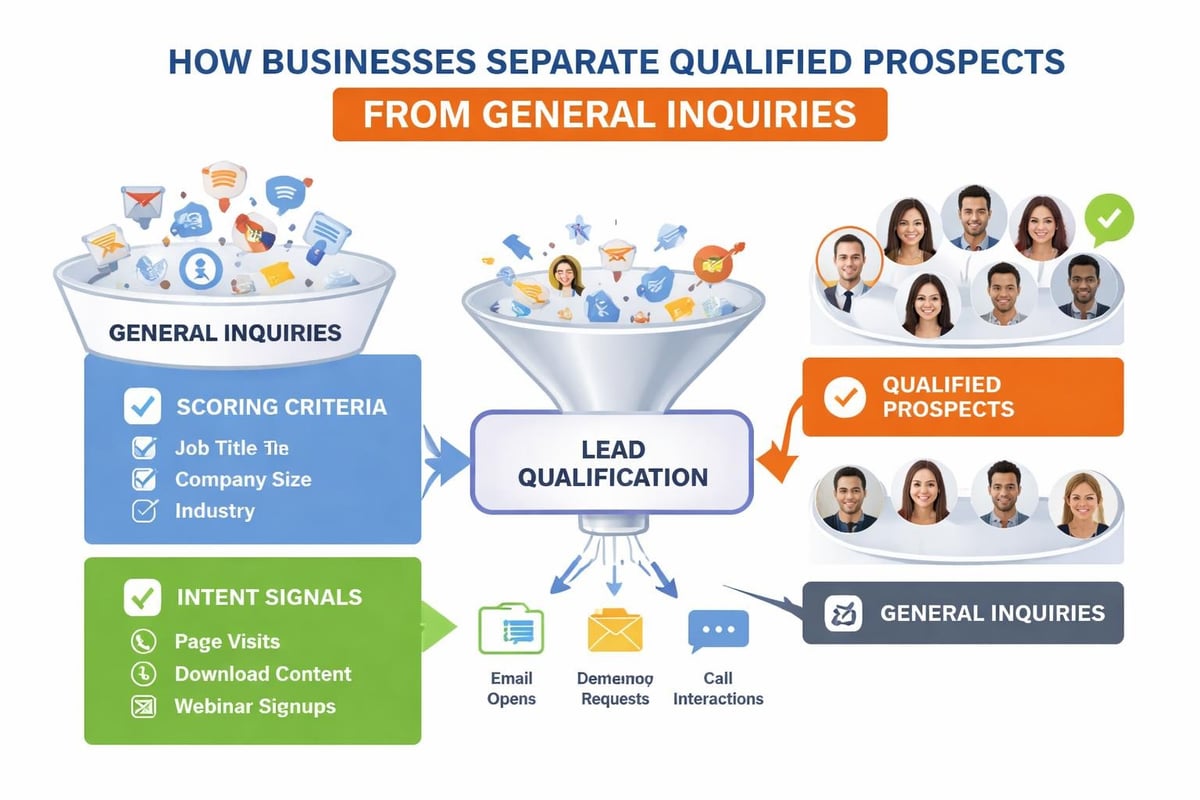
- Qualification systems that separate serious buyers from casual browsers
- Follow-up automation that nurtures leads toward purchasing decisions
The paradigm shift in 2026 centers on quality over quantity. Generating high-quality leads requires sophisticated understanding of buyer journeys and leveraging AI-powered campaigns to optimize targeting precision.
The Strategic Framework That Drives Results
Building a robust lead acquisition system requires more than scattered tactics. You need an integrated framework that aligns your messaging, channels, and conversion mechanisms toward a singular goal: attracting prospects who genuinely need what you offer.
Start by defining your ideal customer profile with laser precision. Document demographics, firmographics, behavioral patterns, and psychographic attributes that characterize your best customers. This clarity transforms your entire acquisition approach from generic outreach to targeted attraction.
Next, map the complete journey from initial awareness through final conversion. Understand the specific questions, concerns, and objections prospects face at each stage. Your lead generation website becomes exponentially more effective when designed around these insights.
Choosing the Right Lead Acquisition Channels
The channel selection process determines both your cost per lead and lead quality. Different channels attract prospects at varying stages of buyer awareness and with different levels of purchasing intent.
Organic search remains the gold standard for attracting high-intent leads. When someone searches for solutions to their specific problems, they're demonstrating active interest. Effective B2B lead generation strategies emphasize creating content that answers these searches comprehensively while positioning your solution as the logical next step.
Paid advertising channels offer speed and scalability. Platforms like Google Ads, LinkedIn, and Facebook enable precise targeting based on demographics, behaviors, and interests. The key is matching your message to the prospect's awareness level. Cold audiences require educational content that builds trust, while warm audiences respond to direct offers.
| Channel Type | Lead Quality | Cost Range | Speed to Results | Best For |
|---|---|---|---|---|
| Organic SEO | Very High | Low (long-term) | 3-6 months | Sustainable growth |
| Paid Search | High | Medium-High | Immediate | Quick scaling |
| Social Media Ads | Medium-High | Medium | 1-2 weeks | Brand building |
| Email Outreach | Medium | Low | 2-4 weeks | B2B targeting |
| Content Marketing | High | Low-Medium | 2-4 months | Authority building |
Understanding various lead acquisition channels helps you build a diversified strategy that isn't dependent on any single traffic source. When one channel experiences fluctuations, others maintain consistent lead flow.
Social Media as an Acquisition Powerhouse
Social platforms have evolved from brand awareness tools into sophisticated lead acquisition engines. LinkedIn particularly excels for B2B lead generation, offering targeting capabilities that reach decision-makers based on job titles, company size, industries, and even specific skills.
The winning approach combines organic engagement with strategic advertising. Share valuable insights that demonstrate expertise, engage authentically in industry conversations, and build relationships before pitching. When you launch paid campaigns, your established credibility dramatically improves conversion rates.
Facebook and Instagram work exceptionally well for B2C lead acquisition and certain B2B niches. The platform's detailed interest targeting and lookalike audience capabilities allow you to find prospects who mirror your existing customers. Video content on these platforms generates particularly strong engagement and lead quality.
Conversion Optimization: Turning Traffic into Leads
Driving traffic means nothing without effective conversion mechanisms. Your landing pages, lead magnets, and forms must work synergistically to capture prospect information while delivering immediate value.
Compelling lead magnets address specific pain points with actionable solutions. Generic ebooks and whitepapers no longer cut through the noise. Instead, offer calculators, assessments, templates, or frameworks that provide instant utility. When prospects receive tangible value, they're more likely to engage with subsequent sales communications.
Landing page design follows proven principles:
- Clear, benefit-focused headlines that immediately communicate value
- Concise copy that emphasizes outcomes, not features
- Strong visual hierarchy guiding eyes toward conversion elements
- Minimal form fields requesting only essential information
- Prominent calls-to-action using action-oriented language
- Trust indicators like testimonials, case studies, or security badges
The proven lead acquisition strategies that generate qualified leads consistently emphasize personalized outreach and defining ideal customer profiles before launching acquisition campaigns.
Form Optimization and Progressive Profiling
Traditional wisdom suggests shorter forms convert better. That's partially true, but quality matters more than quantity. If a longer form filters out unqualified prospects while capturing serious buyers, your cost per qualified lead actually decreases.
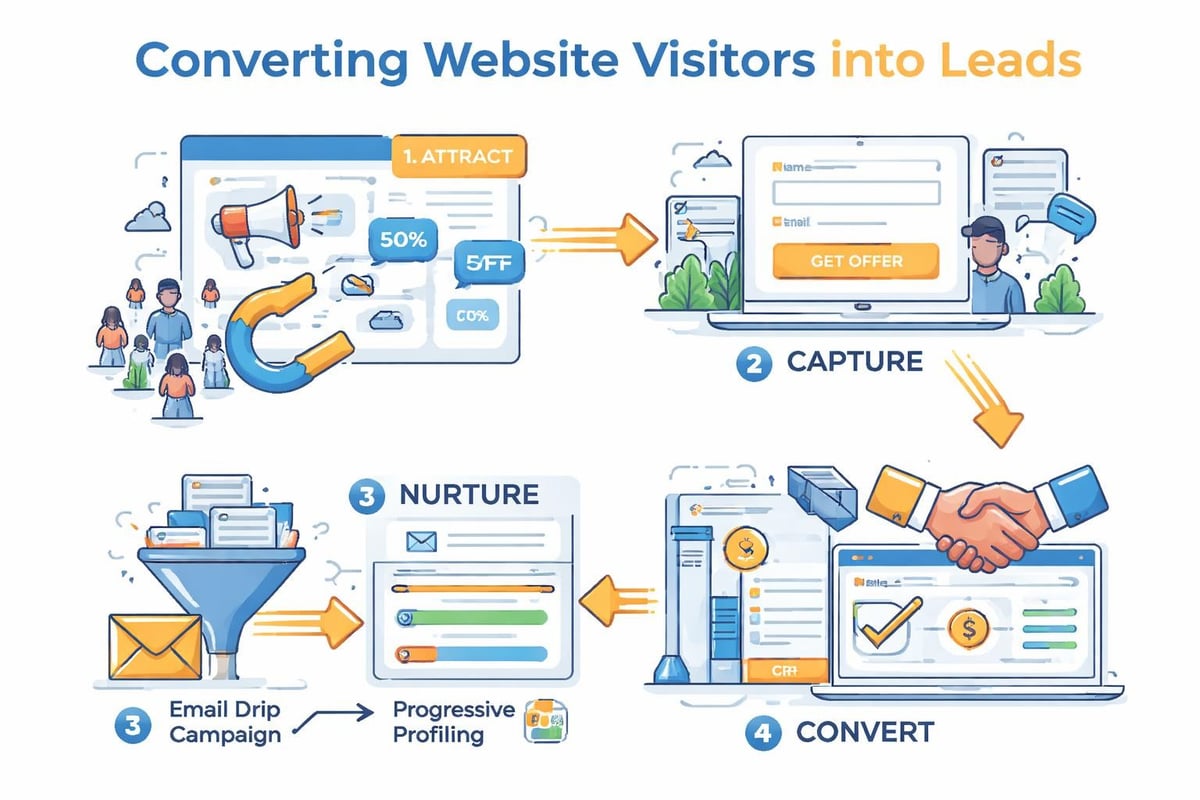
Progressive profiling offers the best of both worlds. Capture basic information initially, then gather additional details through subsequent interactions. This approach reduces initial friction while building comprehensive prospect profiles over time.
Test different form lengths, field types, and submission button copy. Small changes often yield significant conversion rate improvements. Consider multi-step forms that break information collection into manageable chunks, reducing psychological resistance to completion.
Leveraging AI and Automation for Lead Acquisition
Artificial intelligence has revolutionized lead acquisition capabilities in 2026. Machine learning algorithms analyze vast datasets to identify patterns humans miss, predict lead quality with remarkable accuracy, and optimize campaigns in real-time.
AI-powered tools now handle:
- Predictive lead scoring that prioritizes prospects most likely to convert
- Dynamic content personalization adapting messaging to individual behaviors
- Automated A/B testing optimizing every element of your acquisition funnel
- Chatbot qualification engaging visitors and capturing information 24/7
- Behavioral trigger campaigns responding instantly to prospect actions
The transformation doesn't stop at acquisition. AI systems nurture leads through personalized sequences, schedule appointments automatically, and even conduct initial qualification conversations. Businesses leveraging these capabilities gain substantial competitive advantages.
When traditional cold outreach methods fail, AI-driven approaches identify warmer paths to prospects, creating genuine engagement rather than interruptive pitches.
Quality Control and Lead Verification
Not all leads deserve equal treatment. Without proper verification and qualification systems, your sales team wastes time chasing dead ends while genuine opportunities go cold.
Implement multi-layered qualification criteria assessing both explicit and implicit signals. Explicit signals include job title, company size, budget authority, and timeline. Implicit signals encompass website behavior, content engagement, email interaction, and social media activity.
Lead acquisition challenges often stem from poor verification processes that allow fake information, competitors, and tire-kickers into your pipeline. Deploy verification tools checking email validity, phone numbers, and company information before leads reach sales teams.
Building Effective Lead Scoring Models
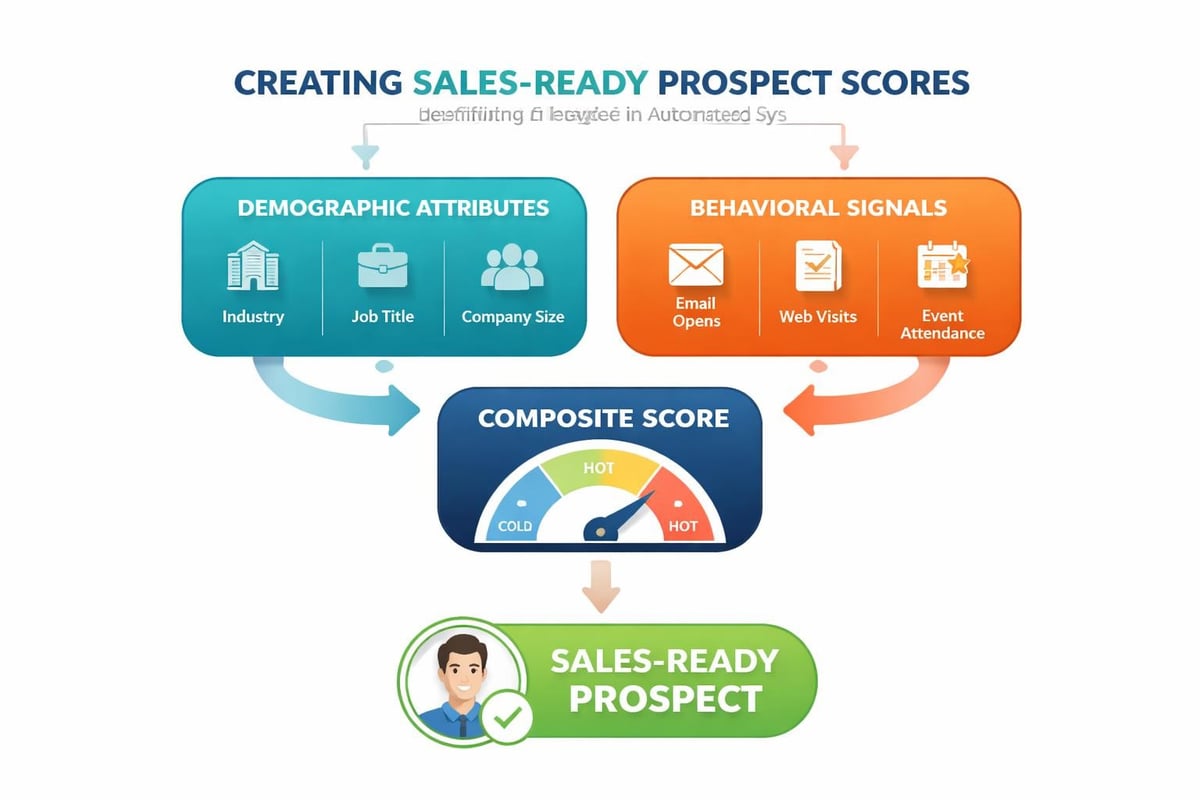
Lead scoring assigns numerical values to prospects based on characteristics and behaviors indicating purchase readiness. This systematic approach ensures sales teams focus energy on opportunities most likely to close.
Demographic scoring evaluates how closely prospects match your ideal customer profile. Behavioral scoring tracks engagement levels through actions like email opens, website visits, content downloads, and pricing page views.
Combine these dimensions into composite scores triggering specific actions. High-scoring leads receive immediate sales contact, medium-scoring leads enter nurturing sequences, and low-scoring leads receive educational content until they demonstrate stronger intent.
Continuously refine your scoring model based on actual conversion data. Which characteristics and behaviors consistently predict closed deals? Which generate false positives? Regular optimization maintains scoring accuracy as markets and buyer behaviors evolve.
Nurturing Leads Through Strategic Sequences
Most prospects aren't ready to buy immediately upon first contact. Effective lead acquisition strategies include comprehensive nurturing programs that build relationships and demonstrate value until prospects reach buying decisions.
Email sequences remain the backbone of lead nurturing. Develop automated campaigns delivering relevant content based on prospect characteristics, interests, and engagement patterns. Each message should provide genuine value while subtly advancing prospects toward conversion.
Effective nurturing sequences include:
- Educational content addressing common questions and concerns
- Case studies demonstrating results for similar customers
- Product demonstrations showcasing specific capabilities
- Social proof including testimonials and user reviews
- Limited-time offers creating urgency without pressure
Track engagement metrics identifying when prospects demonstrate buying signals. Multiple email opens, link clicks, pricing page visits, or content downloads indicate heightened interest warranting direct sales outreach.
The distinction between qualified leads and general inquiries becomes clear through systematic nurturing that reveals genuine intent versus casual interest.
Measuring Lead Acquisition Performance
What gets measured gets improved. Comprehensive analytics tracking provides visibility into every aspect of your lead acquisition system, revealing optimization opportunities and ensuring ROI justifies marketing investments.
Critical metrics for monitoring include:
- Cost per lead (CPL) across different channels and campaigns
- Lead-to-customer conversion rates showing quality levels
- Time to conversion measuring sales cycle efficiency
- Customer acquisition cost (CAC) determining overall program economics
- Lifetime value (LTV) validating long-term investment returns
- Channel attribution identifying most effective traffic sources
| Metric | Calculation | Target Range | What It Reveals |
|---|---|---|---|
| CPL | Total Spend / Leads Generated | Industry-dependent | Channel efficiency |
| Conversion Rate | Customers / Leads × 100 | 2-5% (B2B) | Lead quality |
| CAC | Total Marketing + Sales Cost / New Customers | 1/3 of LTV | Economic viability |
| LTV:CAC Ratio | Lifetime Value / CAC | 3:1 or higher | Long-term profitability |
Implement proper attribution modeling understanding which touchpoints contribute to conversions. Multi-touch attribution provides more accurate insights than last-click models, revealing the true impact of early-stage awareness campaigns and mid-funnel nurturing efforts.
Dashboard Development and Reporting Cadence
Create executive dashboards visualizing key metrics at a glance. Real-time visibility enables quick responses to performance shifts rather than discovering problems weeks later through monthly reports.
Establish regular reporting cadences reviewing detailed performance data. Weekly reviews identify tactical adjustments, monthly reviews assess strategic effectiveness, and quarterly reviews evaluate program-level changes.
Compare performance against historical baselines and industry benchmarks. Are your lead acquisition costs trending up or down? How do conversion rates compare to competitors? Context transforms raw data into actionable intelligence.
Scaling Lead Acquisition Systems
Once you've established working lead acquisition systems, the next challenge involves scaling without sacrificing quality. Successful scaling requires both strategic thinking and operational discipline.
Strategic scaling considerations include:
- Channel diversification reducing dependency on single traffic sources
- Geographic expansion reaching new markets with proven messaging
- Audience segmentation creating specialized campaigns for distinct buyer personas
- Partnership development accessing complementary audiences
- Technology infrastructure supporting increased volume without manual bottlenecks
Mastering lead acquisition for scaling success involves careful vendor evaluation, appropriate payment models, and integrated technical systems enabling seamless data flow between platforms.
Operational scaling demands documented processes, trained personnel, and quality control mechanisms. As volume increases, variability in execution creates inconsistency. Standard operating procedures ensure every lead receives appropriate treatment regardless of team member handling the interaction.
Monitor quality metrics vigilantly during scaling periods. Rapid growth sometimes masks declining conversion rates or increasing cost per acquisition. Sustainable scaling maintains or improves unit economics while increasing absolute volume.
Partnership and Referral-Based Acquisition
Not all lead acquisition requires advertising spend. Strategic partnerships and referral programs leverage existing relationships generating high-quality leads at minimal cost.
Identify complementary businesses serving your target audience with non-competing offers. Co-marketing initiatives, webinar partnerships, and content collaborations expose your solution to qualified prospects already trusting your partner's recommendations.
Referral programs incentivize existing customers to recommend your solution within their networks. Structure programs offering meaningful rewards for both referrers and referred parties. Make participation effortless through automated tracking, simple sharing mechanisms, and clear communication of benefits.
The B2B corporate lead generation landscape particularly benefits from relationship-based acquisition, where decision-makers trust peer recommendations more than advertising messages.
Implementing systematic lead acquisition strategies transforms unpredictable revenue into consistent growth. The combination of precise targeting, multi-channel engagement, AI-powered optimization, and rigorous qualification creates pipelines filled with prospects genuinely interested in your solutions. When you're ready to leverage advanced AI systems that generate qualified sales leads and automate appointment bookings while guaranteeing results through transparent, value-driven partnerships, Adstra provides the proven frameworks and execution expertise that turn lead acquisition from a challenge into your competitive advantage.