


The landscape of business growth has fundamentally shifted. Gone are the days when companies could rely solely on interrupting potential customers with cold outreach and aggressive sales tactics. Today's most successful businesses understand that leads inbound represent the future of sustainable revenue generation. These are prospects who actively seek out your solutions, engage with your content, and arrive at your doorstep already interested in what you offer. For companies leveraging AI-driven marketing systems and automated appointment booking, mastering the inbound methodology isn't just beneficial-it's essential for predictable, scalable growth that aligns perfectly with modern buyer behavior and expectations.
Understanding the Leads Inbound Methodology
Leads inbound fundamentally changes the power dynamic between businesses and their prospects. Rather than chasing potential customers, you create an ecosystem that naturally attracts them to your solutions.
This approach centers on delivering genuine value before asking for anything in return. When implemented correctly, inbound lead generation strategies position your business as the obvious choice when prospects are ready to make purchasing decisions.
The Psychology Behind Inbound Success
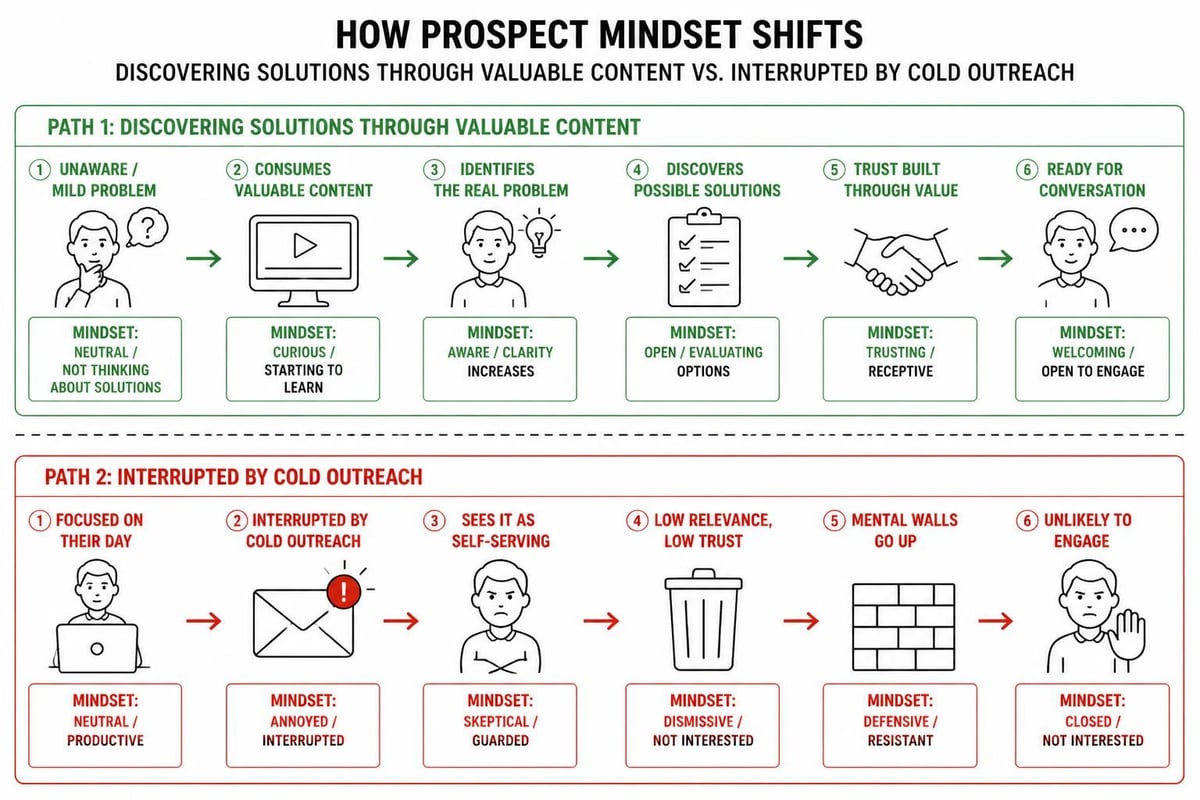
Why do leads inbound convert at higher rates than cold prospects? The answer lies in fundamental human psychology and modern buying behavior.
- Prospects discover solutions during active research phases
- Content consumption builds trust before sales conversations begin
- Self-qualification reduces friction in the sales process
- Educational resources establish expertise and credibility
When someone finds your content while searching for solutions, they're already experiencing a pain point. They're motivated, engaged, and receptive to expert guidance. This psychological state creates ideal conditions for conversion, particularly when your systems can immediately respond with qualified lead nurturing that addresses their specific needs.
The Four Pillars of Inbound Lead Generation
Successful leads inbound strategies rest on four interconnected pillars that work together to create a predictable revenue engine:
| Pillar | Primary Function | Key Metrics |
|---|---|---|
| Content Creation | Attract and educate prospects | Traffic, engagement, shares |
| SEO Optimization | Ensure discoverability | Rankings, organic sessions, click-through rates |
| Conversion Architecture | Transform visitors into leads | Conversion rate, form completions, lead quality |
| Nurture Automation | Move leads toward purchase readiness | Email open rates, progression velocity, sales-qualified leads |
Each pillar requires strategic investment and continuous optimization. The businesses that dominate their markets in 2026 treat these elements as interconnected systems rather than isolated tactics.
Building Your Content Ecosystem
Content serves as the foundation for all leads inbound initiatives. Without compelling, valuable content that addresses real prospect pain points, even the most sophisticated automation systems sit empty.
Creating High-Value Educational Resources
The content that generates the highest quality leads inbound doesn't focus on your products or services. Instead, it solves specific problems your ideal customers face.
Effective content formats for lead generation include:
- Comprehensive guides addressing complex industry challenges
- Case studies demonstrating measurable results
- Original research providing unique market insights
- Interactive tools that deliver immediate value
- Video tutorials simplifying complicated processes
According to best practices for inbound lead generation, businesses that publish 16 or more blog posts monthly generate 3.5 times more traffic than those publishing fewer than four. However, quality always trumps quantity. One exceptional resource that ranks well and addresses genuine prospect needs outperforms dozens of thin, generic articles.
Content Mapping Across the Buyer Journey
Different content serves different stages of the buyer journey. Understanding this progression ensures you create resources that move prospects toward conversion.
Awareness stage content addresses broad pain points and questions. Prospects don't yet know specific solutions exist. They're researching symptoms and challenges.
Consideration stage content compares different approaches and methodologies. Prospects understand their problem and evaluate potential solution categories.
Decision stage content helps prospects choose between specific providers. They need proof points, case studies, and detailed implementation information.
Your marketing content funnel should include resources for each stage, with strategic calls-to-action that move prospects to the next level of engagement.
Optimizing for Search and Discoverability
Even the most valuable content generates zero leads inbound if nobody can find it. Search engine optimization remains the most sustainable channel for inbound lead generation.
Technical SEO Foundations
Before creating content, ensure your technical infrastructure supports discoverability and user experience. Google and other search engines prioritize sites that load quickly, function properly on mobile devices, and provide clear navigation.
- Implement schema markup to enhance search result displays
- Optimize page speed to reduce bounce rates
- Ensure mobile responsiveness across all devices
- Create clear site architecture with logical internal linking
These technical elements create the foundation for all other optimization efforts. Partnering with experts who understand marketing agency tools that automate technical audits can identify issues before they impact your lead generation performance.
Keyword Strategy for Intent-Based Targeting
The most effective leads inbound strategies target keywords that indicate buying intent rather than merely information seeking. Understanding how to acquire leads through search requires analyzing the commercial intent behind different search queries.
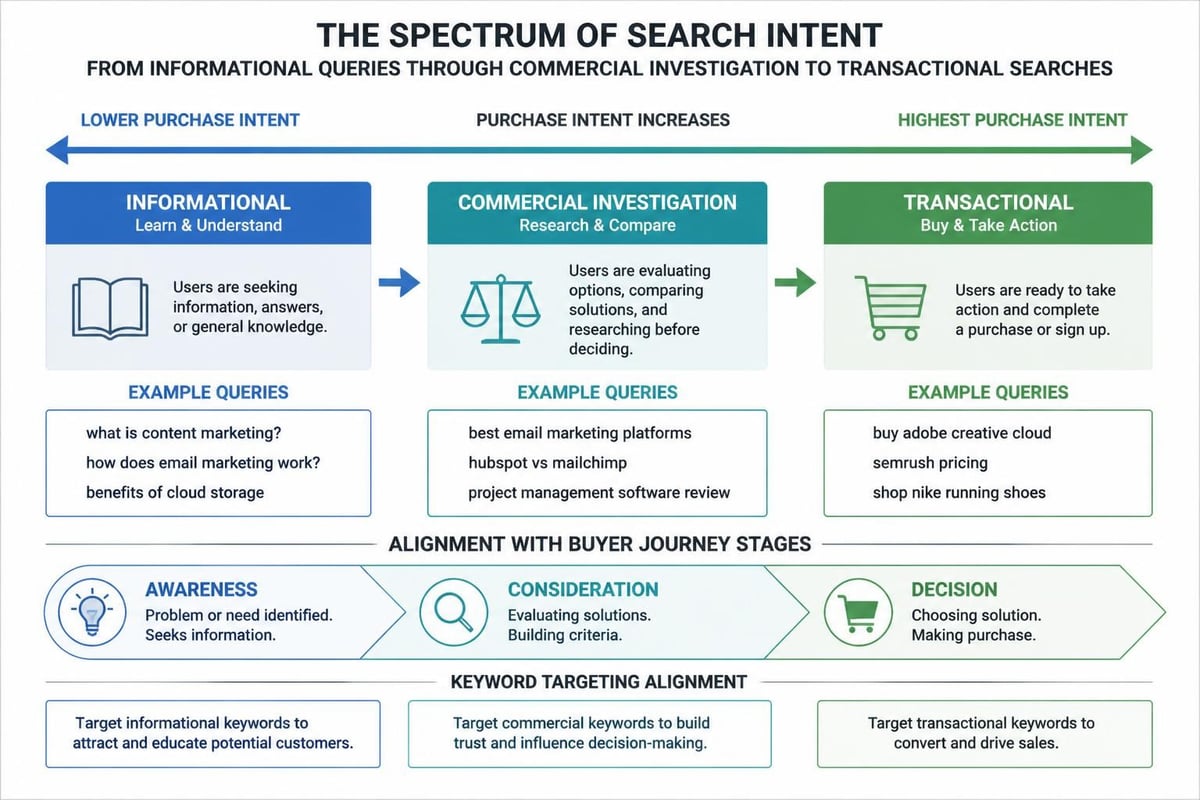
High-intent keywords often include modifiers like "best," "review," "comparison," "solution," or "service." Someone searching "marketing automation software comparison" demonstrates significantly higher purchase intent than someone searching "what is marketing automation."
Conversion Architecture That Transforms Visitors
Attracting traffic represents only half the battle. Converting that traffic into identifiable leads inbound requires strategic conversion architecture throughout your digital properties.
Landing Page Optimization Principles
Every landing page serves a single, focused purpose. Attempting to accomplish multiple goals simultaneously reduces conversion rates across all objectives.
High-converting landing pages include these essential elements:
- Compelling headlines that immediately communicate value
- Clear benefit statements addressing specific pain points
- Trust indicators including testimonials and social proof
- Friction-reducing form designs requesting minimal information
- Strong calls-to-action that create urgency without pressure
According to research on managing inbound leads effectively, reducing form fields from eleven to four can increase conversion rates by up to 120%. However, balance simplicity against lead qualification needs. Sometimes requesting slightly more information filters out low-quality prospects, improving overall lead quality even if raw conversion rates decline slightly.
Lead Magnets That Compel Action
Not every visitor arrives ready to request a consultation or demo. Lead magnets allow you to capture contact information from prospects earlier in their journey, building your database of qualified contacts for nurture campaigns.
| Lead Magnet Type | Best For | Typical Conversion Rate |
|---|---|---|
| Checklists | Quick wins, process guidance | 3-5% |
| Templates | Repeatable tasks, efficiency | 4-6% |
| Research Reports | Industry insights, credibility | 2-4% |
| Video Training | Complex topics, engagement | 5-8% |
| Assessment Tools | Personalized insights, qualification | 6-10% |
The most effective lead magnets deliver immediate value while naturally leading to your paid solutions. A marketing ROI calculator, for instance, helps prospects quantify their current challenges while demonstrating the potential value of improved strategies.
Automation Systems That Scale Your Inbound Success
Manual lead management breaks down as volume increases. Automation systems ensure every lead receives appropriate follow-up regardless of how many prospects enter your funnel.
Email Nurture Sequences That Convert
Most leads inbound aren't immediately ready to purchase. Strategic email nurture sequences build relationships, educate prospects, and move them toward purchase readiness over time.
Effective nurture sequences follow these principles:
- Segment based on behavior and indicated interests
- Deliver progressively deeper value with each interaction
- Mix educational content with soft calls-to-action
- Monitor engagement to identify sales-ready prospects
- Automate while maintaining personalization at scale
Modern AI-driven systems can analyze prospect behavior across multiple touchpoints, adjusting messaging and timing based on engagement patterns. This sophisticated approach to lead generation ensures the right message reaches the right prospect at precisely the right moment.
Speed-to-Lead and Immediate Response
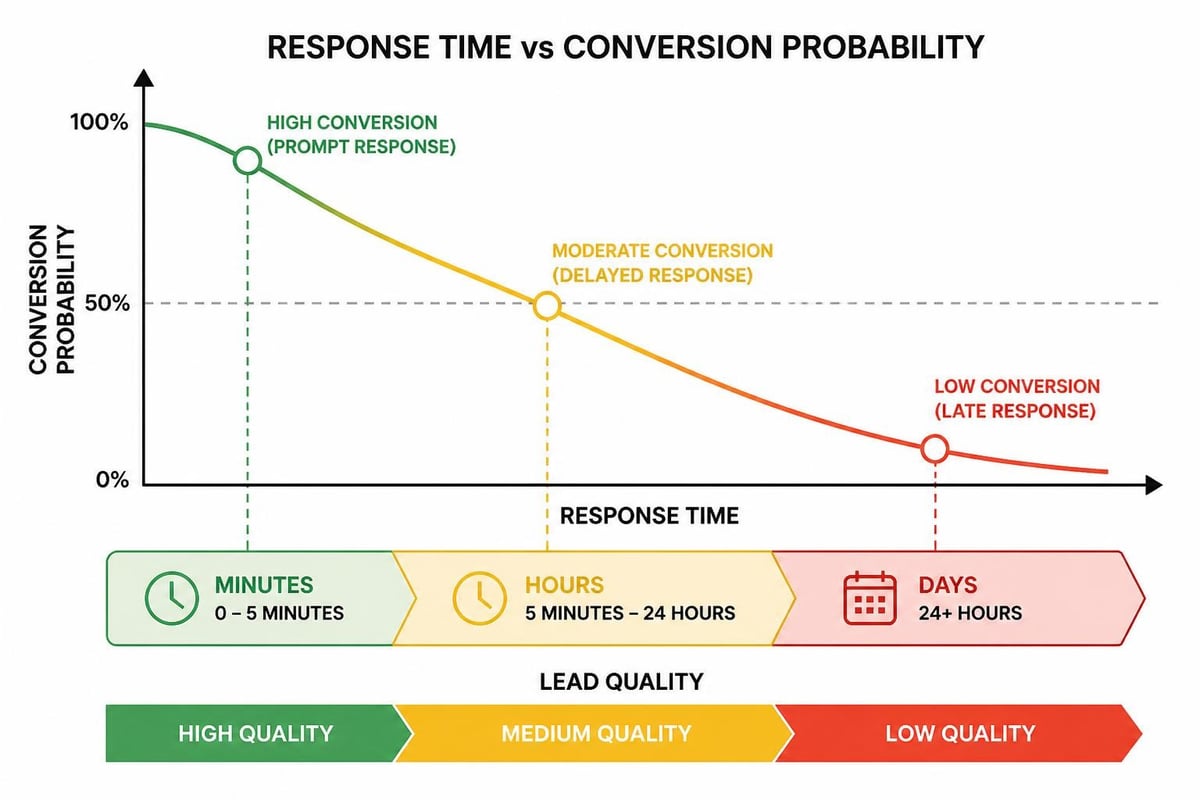
Research consistently shows that responding to leads inbound within five minutes increases conversion likelihood by 391% compared to responses delayed by even thirty minutes. Automated appointment booking systems eliminate delays entirely.
When prospects complete high-intent actions like requesting consultations or pricing information, immediate automated responses maintain momentum. Calendar integrations allow prospects to self-schedule appointments while their interest peaks, dramatically improving show rates and conversion percentages.
Measuring and Optimizing Inbound Performance
Data-driven optimization separates businesses that generate consistent leads inbound from those experiencing sporadic, unpredictable results. Implementing proper measurement creates the foundation for continuous improvement.
Essential Metrics for Inbound Success
Different metrics matter at different funnel stages. Tracking the right indicators at each level reveals optimization opportunities and forecasts future revenue.
Top-of-funnel metrics include:
- Organic search traffic volume and growth trends
- Keyword ranking positions for target terms
- Content engagement rates and time-on-page
- Social media shares and backlink acquisition
Mid-funnel metrics focus on:
- Landing page conversion rates by source and campaign
- Lead magnet download volumes and progression
- Email open and click-through rates
- Content consumption patterns across multiple sessions
Bottom-funnel metrics track:
- Sales-qualified lead conversion percentages
- Average deal size from inbound sources
- Sales cycle length for inbound opportunities
- Customer acquisition cost by channel
Companies leveraging best marketing platforms integrate these metrics into unified dashboards that provide real-time visibility into funnel performance and highlight bottlenecks requiring attention.
A/B Testing for Continuous Improvement
Optimization never ends. The most successful inbound programs implement systematic testing across all funnel components.
Test headlines, calls-to-action, form lengths, page layouts, email subject lines, content formats, and offer positioning. Even small improvements compound over time. A 10% increase in organic traffic combined with a 15% improvement in conversion rate and a 12% boost in sales qualification yields 42% more customers from the same marketing investment.
Integrating Inbound with Outbound for Maximum Impact
While this article focuses on leads inbound, the most sophisticated revenue generation strategies recognize that integrating inbound and outbound approaches creates synergies that exceed either methodology alone.
Inbound content educates prospects and builds authority. Outbound outreach activates that authority, reaching ideal customers who haven't yet discovered your content organically. When sales representatives contact prospects who've already consumed your educational resources, conversations start from positions of credibility rather than cold skepticism.
This integrated approach particularly benefits B2B lead generation where buying committees involve multiple stakeholders with different information needs and discovery patterns.
Account-Based Marketing Powered by Inbound Assets
Account-based marketing targets specific high-value prospects with personalized campaigns. Inbound content assets fuel these campaigns, providing relevant resources that sales teams can share at precisely the right moments in prospect conversations.
Rather than creating custom content for individual accounts, smart ABM strategies leverage existing inbound resources, personalizing delivery and context rather than recreating wheels. This approach scales expertise without proportionally scaling content creation costs.
Building Partnerships for Guaranteed Growth
The traditional agency model charges fees regardless of results, creating misaligned incentives between providers and clients. Modern businesses demand partners who invest in their success through performance-based arrangements.
Growth partnerships tie compensation directly to results, ensuring marketing investments drive measurable revenue rather than merely generating activity reports and vanity metrics. When agencies share risk, they're incentivized to implement strategies proven to generate genuine leads inbound rather than experimenting with clients' budgets.
This alignment proves particularly valuable when implementing sophisticated systems involving AI-driven lead qualification, automated appointment booking, and integrated CRM architectures. Partners invested in outcomes prioritize implementations that drive results rather than simply completing projects and moving to the next client.
Mastering leads inbound requires strategic thinking, systematic implementation, and continuous optimization across content creation, search visibility, conversion architecture, and automation systems. When these elements work together cohesively, they create predictable revenue engines that scale sustainably without proportionally increasing marketing costs. Aletto specializes in building these systems for businesses ready to transform their growth trajectory, leveraging advanced AI to qualify prospects and automate bookings while sharing risk through guaranteed performance partnerships that align our success with yours.