
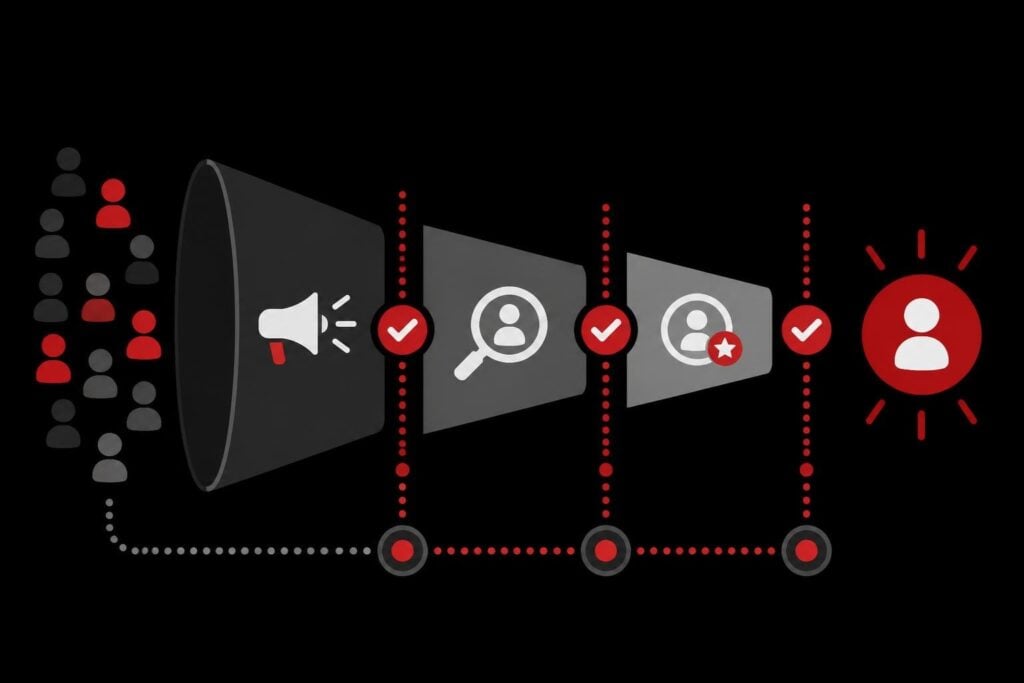
Every business faces the same fundamental challenge: turning strangers into paying customers. The difference between companies that thrive and those that struggle often comes down to how effectively they guide prospects through their buying journey. A well-designed marketing lead funnel doesn't just happen by accident. It requires strategic planning, precise execution, and continuous optimization to transform casual browsers into loyal customers who drive predictable revenue growth.
Understanding the Marketing Lead Funnel Framework
A marketing lead funnel represents the systematic process of converting awareness into action. Unlike traditional marketing approaches that blast messages to anyone who might listen, the marketing funnel provides a structured pathway that aligns with how real people make purchasing decisions.
The funnel concept acknowledges a simple truth: not everyone who discovers your business is ready to buy immediately. Some prospects need education. Others require proof. Many need time to build trust. Your marketing lead funnel accommodates these varying states of readiness while moving qualified prospects closer to a buying decision.
The Three Core Stages That Drive Conversions
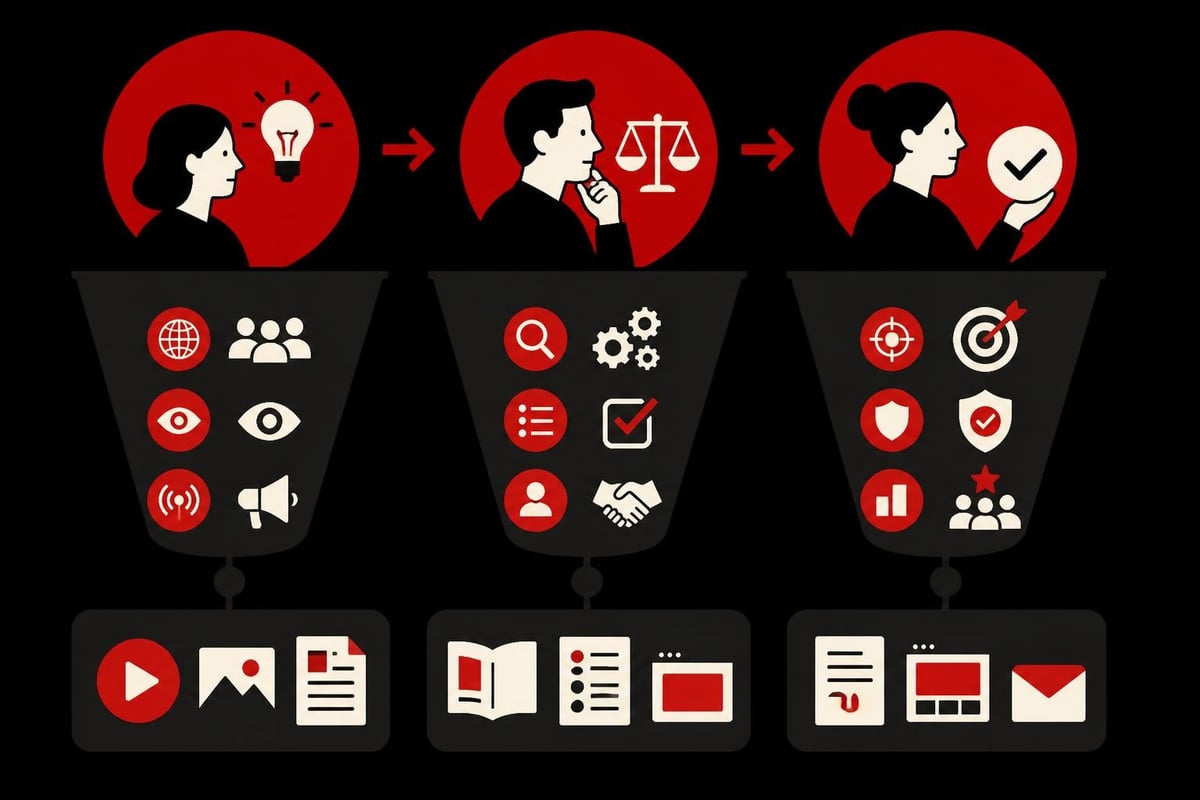
Top of Funnel (Awareness): This stage captures attention from your ideal audience. Prospects recognize they have a problem but may not fully understand the solution landscape. Your content educates, informs, and positions your brand as a knowledgeable authority.
Middle of Funnel (Consideration): Here, prospects actively evaluate solutions. They're comparing options, reading case studies, and determining which approach fits their needs. Your role shifts from educator to trusted advisor who understands their specific challenges.
Bottom of Funnel (Decision): Qualified leads are ready to act. They need final validation, clear pricing, and compelling reasons to choose you over competitors. This stage requires direct sales engagement and conversion-focused messaging.
Building Your Lead Generation Architecture
Success starts with understanding lead generation fundamentals and how they integrate into your broader marketing ecosystem. Your marketing lead funnel needs both strategic vision and tactical execution.
Identifying Your Ideal Customer Profile
Before you can guide prospects through your funnel, you must know exactly who you're targeting. Generic audiences produce generic results. Precision targeting creates qualified pipeline.
Start by analyzing your best current customers:
- What industries do they represent?
- What size companies convert most profitably?
- Which pain points motivated their purchase?
- What objections nearly prevented the sale?
- How long was their typical buying cycle?
This data informs every subsequent funnel decision. When you understand your ideal prospect intimately, you craft messages that resonate, offers that compel, and experiences that convert.
Creating Stage-Appropriate Content Assets
Each funnel stage demands specific content types that match prospect readiness. Misalignment between content and stage kills conversions faster than any other factor.
| Funnel Stage | Content Types | Primary Goal |
|---|---|---|
| Awareness | Blog posts, social content, infographics, podcasts | Education and discovery |
| Consideration | Webinars, comparison guides, case studies, demos | Evaluation and trust-building |
| Decision | Pricing pages, consultations, trials, proposals | Conversion and commitment |
Top-of-funnel content should never pitch your services aggressively. Instead, it solves problems, answers questions, and demonstrates expertise. Effective lead generation strategies focus on providing value first, asking for commitment later.
Middle-funnel content bridges the gap between awareness and purchase. This is where qualifying leads becomes critical. You want prospects who match your ideal customer profile, not just anyone who downloaded a free guide.
Optimizing Each Funnel Stage for Maximum Impact
Generic funnels produce mediocre results. Optimized funnels drive exponential growth. The difference lies in continuous testing, measurement, and refinement.
Capturing Quality Awareness-Stage Traffic
Volume means nothing without quality. A thousand unqualified visitors convert worse than one hundred ideal prospects. Your awareness campaigns must attract the right people, not just more people.
Strategic channel selection determines who enters your funnel. For B2B lead generation, LinkedIn advertising often outperforms Facebook despite higher costs because the audience quality justifies the investment. For consumer products, the equation reverses.
Consider these proven awareness tactics:
- SEO-optimized content targeting high-intent keywords
- Paid advertising with precise audience targeting
- Strategic partnerships and co-marketing initiatives
- Social media engagement in industry-specific communities
- Thought leadership through speaking and publishing
Modern marketing platforms enable sophisticated targeting that was impossible five years ago. Artificial intelligence analyzes behavioral patterns, predicting which prospects will convert before they even enter your funnel.
Nurturing Consideration-Stage Prospects
The consideration stage separates amateur marketers from professionals. Most businesses excel at generating awareness or closing deals but struggle with the middle ground where prospects evaluate options.
Your marketing lead funnel must maintain engagement without applying premature pressure. Send too many sales messages and prospects disengage. Send too few and competitors capture their attention.
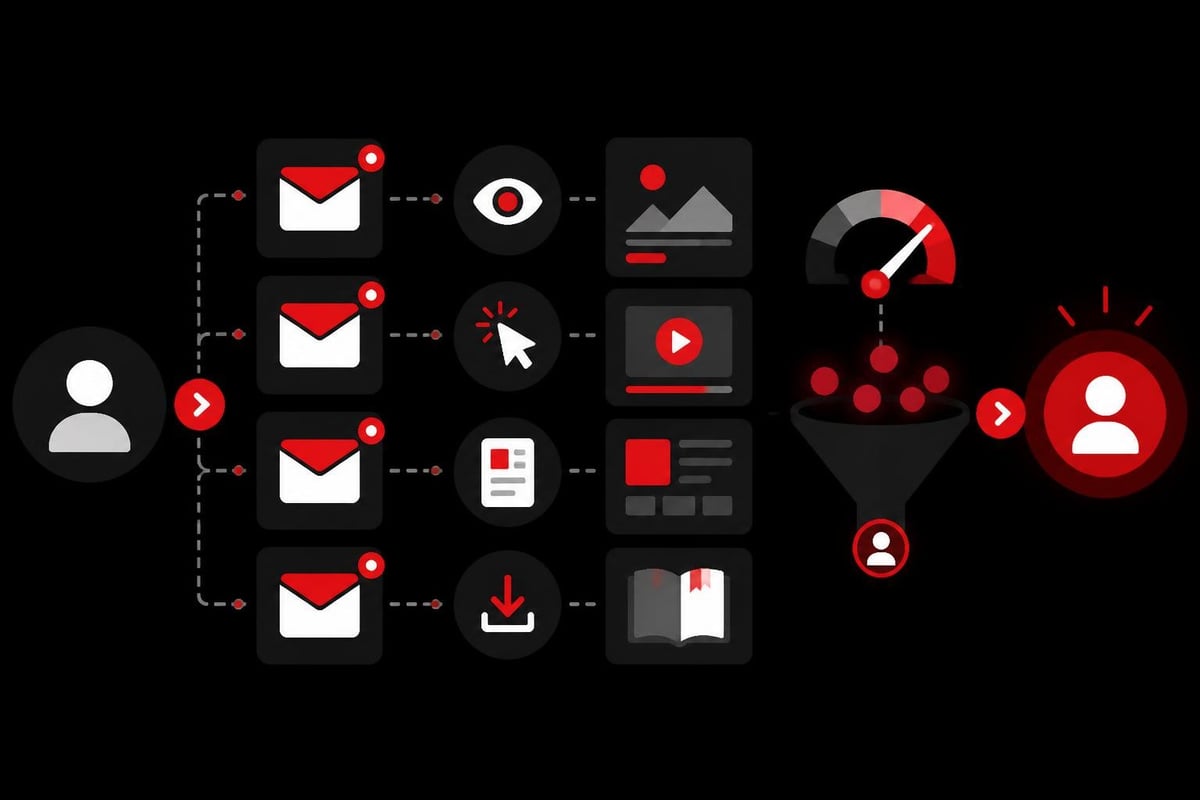
Email nurture sequences remain the backbone of consideration-stage marketing. However, effectiveness depends on personalization and relevance. Generic sequences achieve 2-5% conversion rates. Personalized, behavior-triggered sequences convert at 15-25%.
Implement progressive profiling to gather information gradually. Each interaction reveals more about prospect needs, allowing increasingly targeted communication. This funnel system approach transforms generic leads into well-understood opportunities.
Converting Decision-Stage Leads Into Customers
Decision-stage optimization requires understanding what separates Marketing Qualified Leads from Sales Qualified Leads. Not every engaged prospect deserves immediate sales attention. Your criteria must filter for genuine buying intent.
Establish clear qualification standards:
- Budget availability: Can they afford your solution?
- Authority verification: Are you speaking with decision-makers?
- Need confirmation: Does your solution address their priority challenges?
- Timeline assessment: When do they intend to purchase?
This BANT framework (Budget, Authority, Need, Timeline) prevents wasted sales cycles on prospects who seem engaged but lack buying power or urgency.
Measuring and Improving Funnel Performance
What gets measured gets managed. What gets managed gets optimized. Your marketing lead funnel requires constant monitoring to identify weaknesses and opportunities.
Essential Metrics That Drive Decision-Making
Conversion rates between stages reveal where prospects drop off. If 1,000 people enter at awareness but only 50 reach consideration, you have a nurturing problem. If 200 reach consideration but only 10 convert, you have a closing problem.
Cost per acquisition (CPA) by channel shows which traffic sources deliver profitable customers. Some channels generate high volumes of cheap leads that never convert. Others produce fewer leads at higher costs but superior conversion rates. The math determines allocation.
Lead velocity rate measures how quickly your pipeline grows month-over-month. Positive velocity indicates scaling potential. Negative velocity signals fundamental problems requiring immediate attention.
| Metric | What It Measures | Target Benchmark |
|---|---|---|
| Traffic-to-Lead Conversion | Website effectiveness | 2-5% |
| Lead-to-MQL Conversion | Qualification accuracy | 20-30% |
| MQL-to-SQL Conversion | Sales alignment | 50-70% |
| SQL-to-Customer Conversion | Sales effectiveness | 20-30% |
These benchmarks vary by industry, deal size, and sales cycle length. Establish your baseline, then improve systematically.
Advanced Optimization Techniques for 2026
Artificial intelligence in digital advertising has transformed how sophisticated marketers optimize their marketing lead funnel. Machine learning algorithms identify patterns humans miss, predicting which prospects will convert and which will waste resources.
Predictive lead scoring assigns values based on historical conversion data. Instead of treating all leads equally, your system prioritizes those statistically most likely to buy. Sales teams focus energy where it produces maximum return.
Dynamic content personalization delivers different messages to different prospects based on behavior, demographics, and engagement history. The same landing page shows manufacturing case studies to factory managers and financial ROI data to CFOs.
Automated qualification workflows move prospects through your funnel without manual intervention. When someone downloads a whitepaper, your system automatically enrolls them in a nurture sequence. When they visit your pricing page three times, it alerts sales for outreach.
Integrating Sales and Marketing for Funnel Success
The traditional divide between marketing and sales kills conversion potential. Marketing generates leads, tosses them over the wall, and sales complains about quality. This dysfunction destroys revenue.
Your marketing lead funnel must align both teams around shared definitions, processes, and goals. Effective B2B lead generation requires seamless handoffs between marketing nurture and sales engagement.
Establishing Service Level Agreements
Marketing commits to delivering a specific quantity of qualified leads meeting agreed-upon criteria. These aren't just email addresses. They're engaged prospects who match ideal customer profiles and demonstrate buying intent.
Sales commits to contacting leads within defined timeframes and following prescribed engagement processes. A lead contacted within five minutes converts at 10x the rate of one contacted after 24 hours.
Document these commitments in formal SLAs that both teams accept. Include consequences for non-compliance. When marketing delivers garbage leads, they must improve targeting. When sales ignores quality leads, they must fix processes.
Creating Closed-Loop Reporting Systems
What happens after marketing hands off a lead? Most organizations have no idea. Sales might convert them, reject them, or let them languish. Without feedback, marketing can't improve.
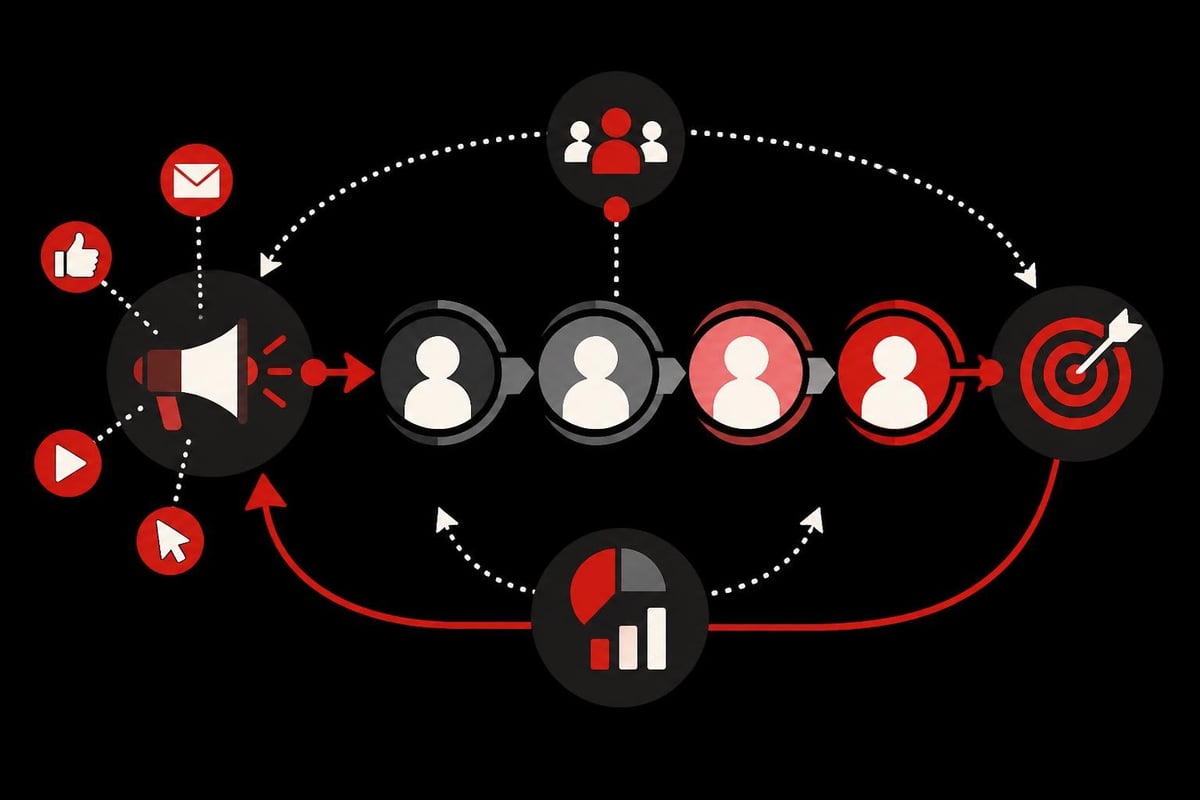
Comprehensive lead funnel frameworks require closed-loop reporting where sales outcome data flows back to marketing. This intelligence reveals which campaigns generate actual revenue, not just form fills.
When marketing knows that webinar attendees convert at 40% while whitepaper downloads convert at 8%, budget allocation becomes obvious. Investment flows toward proven performers while underperformers get optimized or eliminated.
Common Funnel Mistakes That Kill Conversions
Even sophisticated marketers sabotage their marketing lead funnel through preventable errors. Awareness prevents repetition.
Leaky funnels lose prospects between stages due to poor user experience, confusing messaging, or lack of clear next steps. Every transition point requires explicit guidance. Tell prospects exactly what to do next.
Insufficient follow-up abandons prospects who aren't ready to buy immediately. Studies show most sales require 5-12 touchpoints, yet most salespeople give up after two attempts. Persistence with value distinguishes winners from losers.
Generic messaging fails to resonate with specific prospect segments. A startup founder faces different challenges than an enterprise executive. Your communication must acknowledge these differences or prospects tune out.
Premature sales pressure drives away consideration-stage prospects who need more education. Pushing for meetings before establishing value creates resistance. Let prospects self-qualify through progressive engagement.
Leveraging Technology for Funnel Automation
Manual funnel management worked when you had 50 prospects. At 5,000 prospects across multiple stages, human execution becomes impossible. Technology bridges this gap.
Marketing automation platforms like HubSpot, Marketo, or ActiveCampaign orchestrate complex nurture sequences based on prospect behavior. Someone who opens three emails but hasn't clicked gets different treatment than someone who visited your pricing page twice.
CRM integration ensures sales teams access complete prospect history. When a lead enters sales conversations, representatives know every piece of content consumed, every page visited, and every question asked. This intelligence drives relevant, personalized outreach.
Analytics dashboards surface performance insights that guide optimization decisions. Which blog posts generate the most qualified leads? Which email subject lines produce the highest open rates? Which landing pages convert best? Data answers these questions definitively.
The evolution of marketing automation continues accelerating. Tools that required technical expertise five years ago now offer no-code configuration accessible to marketing generalists.
Future-Proofing Your Lead Funnel Strategy
Marketing tactics change constantly. Platform algorithms shift. Consumer preferences evolve. Your marketing lead funnel must adapt or become obsolete.
Privacy regulations like GDPR and CCPA restrict data collection and usage. Successful 2026 funnels obtain explicit consent, respect preferences, and provide genuine value in exchange for information. The days of buying lists and spamming strangers are over.
Artificial intelligence will increasingly handle routine optimization tasks. AI-powered advertising systems already outperform human-managed campaigns in most scenarios. The role of marketers shifts from execution to strategy, creativity, and relationship building.
Multi-channel attribution acknowledges that prospects interact across multiple touchpoints before converting. Simple last-click attribution misrepresents reality. Sophisticated models credit all contributing interactions appropriately, revealing true campaign performance.
Building a marketing lead funnel that consistently generates qualified prospects requires strategic thinking, tactical excellence, and relentless optimization. Generic approaches produce generic results. Customized funnels aligned with specific business models, customer profiles, and market dynamics deliver exponential growth.
The businesses winning in 2026 treat their marketing lead funnel as a strategic asset worthy of continuous investment and improvement. They measure obsessively, test constantly, and optimize religiously. They align sales and marketing around shared goals. They leverage technology intelligently without sacrificing the human touch that builds genuine relationships.
Your funnel represents your growth engine. Neglect it and growth stalls. Optimize it and revenue becomes predictable, scalable, and sustainable.
Mastering your marketing lead funnel transforms unpredictable revenue into systematic growth, but execution separates strategy from results. Aletto specializes in building AI-powered lead generation systems that automate qualification, nurture prospects intelligently, and deliver sales-ready opportunities at scale. Our guaranteed growth partnership model aligns our success with yours, ensuring we invest in outcomes rather than just activities. Stop struggling with inconsistent pipeline and start experiencing predictable revenue growth.