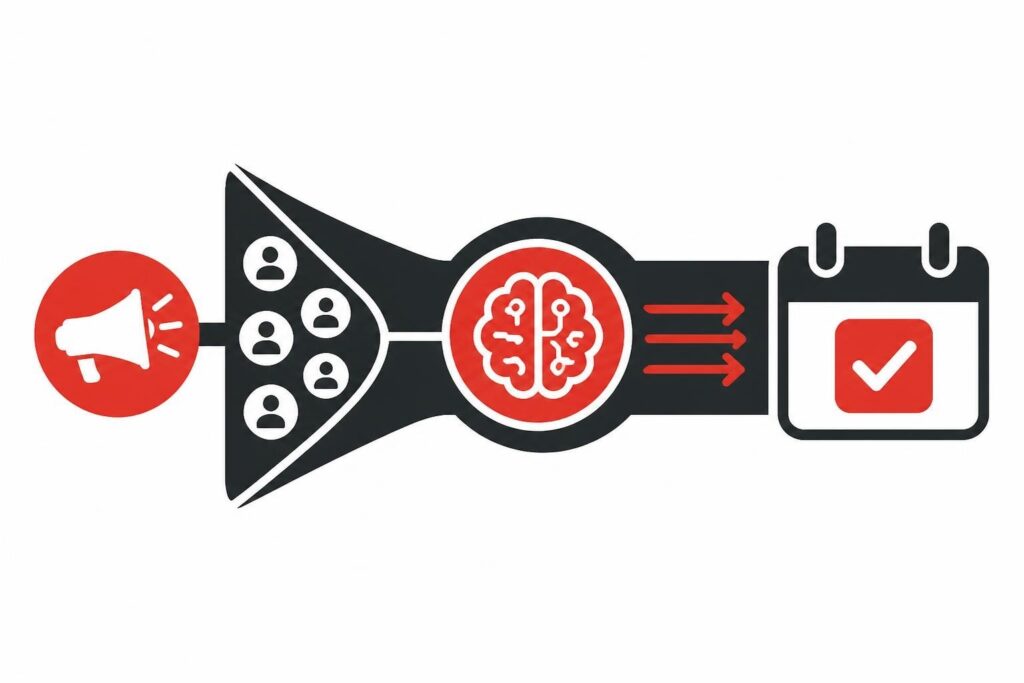
Lead generation SaaS is software that automates the process of finding, qualifying, and converting prospects into scheduled sales conversations. In 2026, the most effective platforms integrate paid acquisition channels with AI-powered follow-up and calendar automation-a shift from the cold email and manual prospecting tools that dominated just three years ago.
The B2B software landscape has fundamentally changed. Traditional lead generation relied on purchased lists, spray-and-pray email sequences, and sales development representatives manually dialing hundreds of prospects. That model broke during the pandemic and never recovered. Today's buyers ignore cold outreach, spam filters have become smarter, and the cost of human-powered prospecting has made the old playbook economically impossible for most SaaS and service teams.
What Makes Lead Generation SaaS Different from Traditional Tools?
Lead generation SaaS differs from CRM systems and marketing automation platforms by focusing specifically on the acquisition and qualification steps before a prospect becomes a known contact. A CRM manages relationships you already have; lead generation SaaS creates those relationships from scratch.
The distinction matters because the workflows are fundamentally different. Traditional marketing automation assumes someone has already raised their hand by filling out a form or downloading content. Lead generation SaaS operates earlier in the journey, identifying prospects who match your ideal customer profile and initiating conversations before they know your company exists.
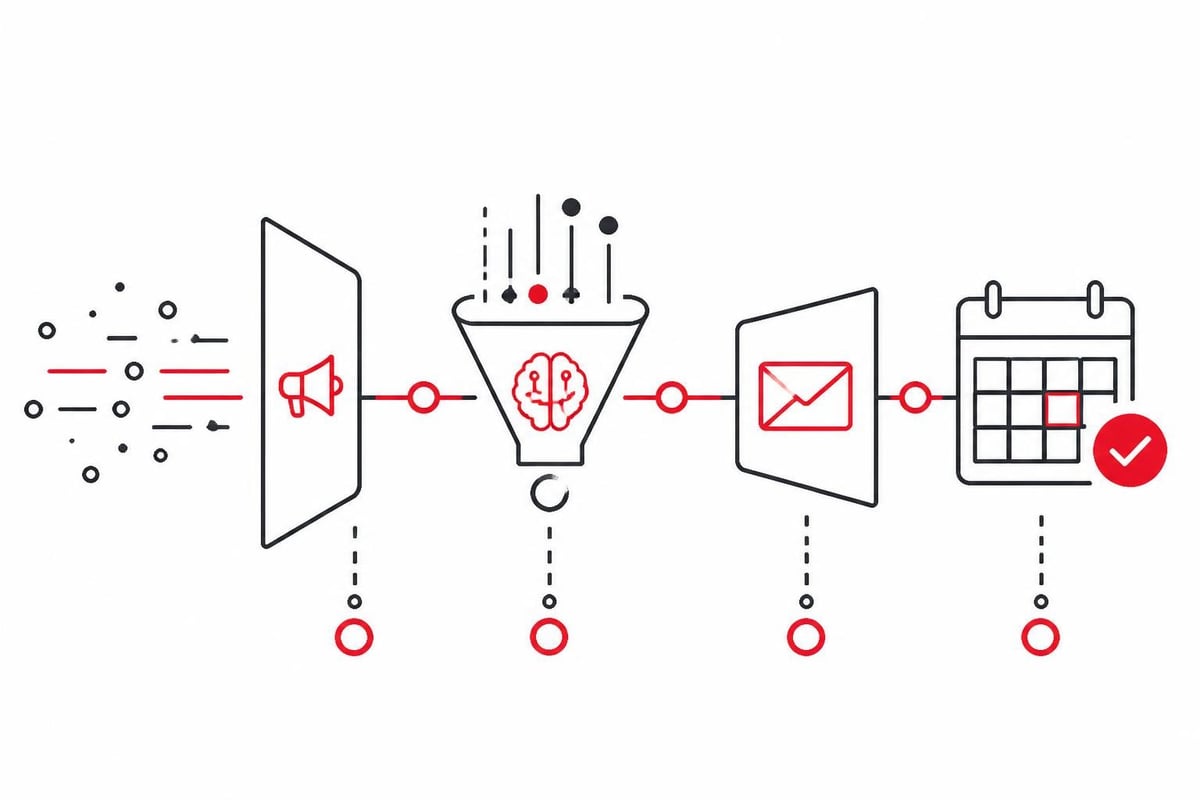
Modern lead generation platforms combine three core functions:
- Audience targeting and acquisition that identifies and reaches prospects across paid channels
- Automated qualification using AI to score intent and filter out poor-fit leads
- Conversation orchestration that handles follow-up and books meetings without human intervention
The shift toward AI-powered systems has changed what's possible. Aletto's data shows that platforms using AI follow-up convert 3.2 times more leads to booked calls than those relying on static email sequences. The difference comes from personalization at scale and the ability to respond contextually based on prospect behavior.
How Does Lead Generation SaaS Actually Work?
The operational flow starts with paid acquisition channels-search ads, social advertising, or display campaigns targeting your ideal customer profile. When someone clicks through, they enter a purpose-built landing experience designed to capture interest and basic qualification data.
Here's where lead generation SaaS diverges from simple form tools. Instead of dumping leads into a CRM for sales to call, the platform initiates an automated qualification sequence. In 2026, the best systems use conversational AI that adapts based on prospect responses, timing, and engagement signals.
The AI Follow-Up Layer
AI follow-up represents the biggest advancement in lead generation technology over the past two years. Traditional drip campaigns sent the same sequence to everyone on the same schedule. AI systems analyze each prospect's behavior-email opens, link clicks, form responses-and adjust messaging, timing, and channel accordingly.
According to recent research on LLM-based lead scoring, machine learning models can predict conversion likelihood with 87% accuracy by analyzing behavioral patterns and response data. This enables platforms to prioritize high-intent prospects and adjust nurture intensity automatically.
One B2B SaaS company using an AI-driven lead generation platform sent prospects through a multi-channel sequence that included email, SMS, and retargeting. The system identified that prospects who engaged with pricing content within the first 48 hours had a 67% booking rate when immediately offered a calendar link via SMS. Prospects who didn't engage received longer educational sequences before the calendar offer. The result was a 41% increase in qualified bookings compared to their previous one-size-fits-all approach.
What Are the Essential Features of Lead Generation SaaS in 2026?
Not all platforms deliver the same results. The market includes everything from simple form builders to comprehensive acquisition-to-booking systems. Understanding which features actually impact revenue helps separate useful tools from expensive shelfware.
| Feature Category | What Works | What Doesn't |
|---|---|---|
| Acquisition | Multi-channel paid integration, real-time optimization | Single-channel tools, manual campaign management |
| Qualification | AI-powered scoring, behavioral triggers | Static forms, rigid point systems |
| Follow-Up | Conversational AI, adaptive sequencing | Template-based drip campaigns |
| Booking | Automated calendar integration, intelligent scheduling | Manual SDR handoff, static booking links |
Multi-channel integration matters because prospects don't convert through a single touchpoint. Effective lead generation SaaS connects paid search, paid social, retargeting, and direct response channels into a unified system. The platform should attribute results back to specific channels and optimize spending automatically.
Behavioral qualification replaces the outdated BANT framework. Modern systems track engagement patterns-content consumed, time on site, repeated visits-and score leads based on intent signals rather than demographic checkboxes. This approach identifies prospects actively researching solutions even if they haven't explicitly raised their hand.
Automated booking eliminates the friction that kills conversions. When a prospect is qualified and ready to talk, the system should offer calendar availability immediately and confirm the meeting without requiring sales team intervention. Delays of even a few hours reduce show rates by 30-40% based on Aletto's analysis of over 1,100 booked calls.
The Deliverability Challenge
None of these features matter if your messages never reach prospects. Email deliverability has become the silent killer of lead generation campaigns in 2026. ISPs and spam filters now analyze sender reputation, engagement rates, and content patterns with sophisticated algorithms.
Lead generation SaaS must include deliverability infrastructure-dedicated IP addresses, proper authentication (SPF, DKIM, DMARC), and engagement monitoring. The SendGrid email deliverability guide outlines operational best practices that separate inbox placement from spam folder oblivion.
Platforms that ignore deliverability often show impressive send numbers but terrible actual reach. One SaaS company discovered their previous lead generation tool had a 23% inbox placement rate-meaning 77% of their "sent" emails never reached prospects. Switching to a platform with proper deliverability controls increased their actual reach by 340% without changing anything else.
Why Traditional Cold Outreach Has Stopped Working
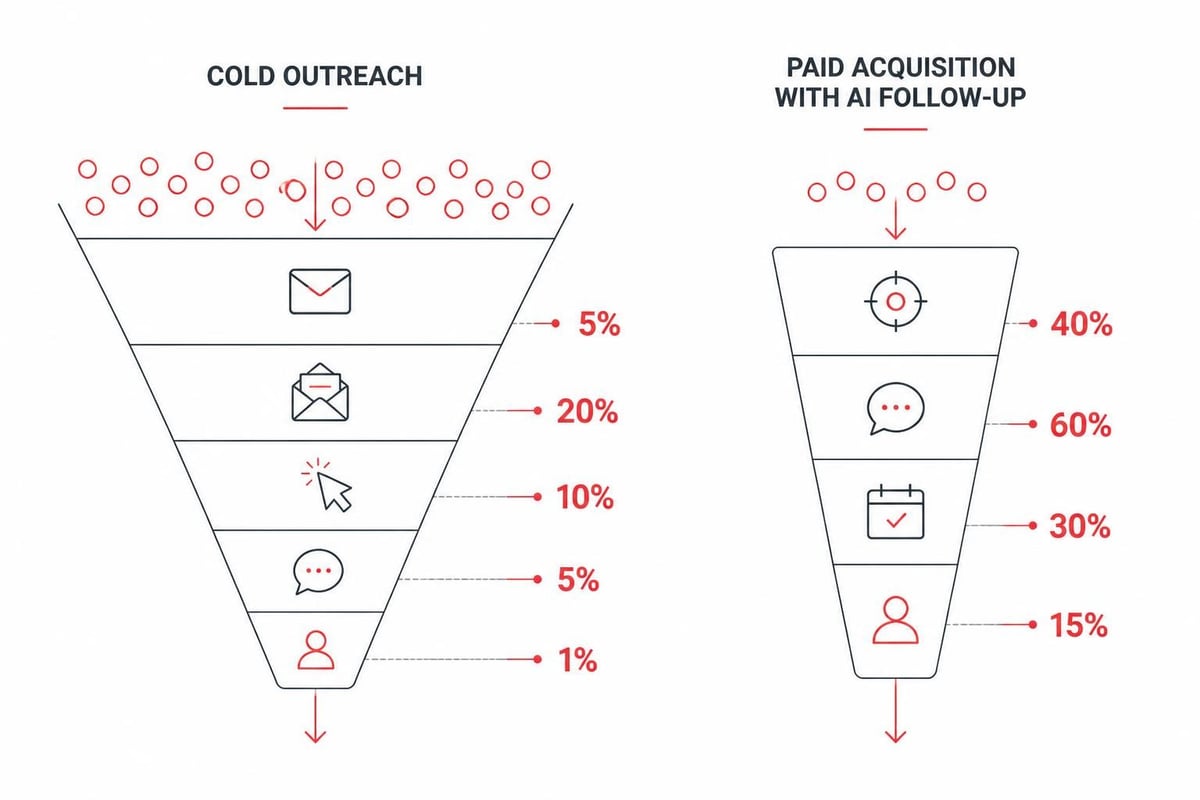
The data is clear: cold email, cold calling, and LinkedIn prospecting deliver diminishing returns. Response rates have fallen below 1% for most industries, and the cost per booked meeting through pure outbound has tripled since 2023.
The problem isn't the channel-it's the approach. Traditional outbound interrupts prospects with generic messages at random times. Modern buyers have adapted by ignoring anything that looks like mass outreach. Spam filters have evolved to catch these patterns. Sales teams burn time on activities that don't generate pipeline.
Lead generation SaaS solves this by inverting the model. Instead of reaching out cold, you attract prospects who are already in-market through targeted paid acquisition. They raise their hand by clicking an ad or visiting a landing page. The system then engages them with relevant, timely information based on their specific interests and behaviors.
This isn't semantic wordplay-it's a fundamental difference in how you fill your calendar. B2B lead generation strategies have shifted from interruption-based to intent-based prospecting. Prospects who engage with paid acquisition convert at 5-7 times the rate of cold outreach targets because they've already demonstrated interest.
How to Choose the Right Lead Generation SaaS for Your Team
Selection starts with understanding your actual bottleneck. Most B2B teams assume they need more leads when they actually need better qualification or faster follow-up. Adding volume to a broken process just wastes budget.
Ask these questions before evaluating platforms:
- Where do prospects currently fall out of your funnel? If leads aren't booking meetings, you need better qualification and follow-up, not more traffic.
- What's your current cost per booked meeting? This becomes your benchmark for evaluating platform ROI.
- Can your sales team handle more volume? No point in booking 50 calls per month if your team can only work 20.
The best lead generation SaaS platforms match your specific constraint. If you're getting traffic but poor conversion, prioritize systems with strong AI follow-up and automated booking. If you're struggling to reach the right audience, focus on platforms with sophisticated targeting and multi-channel acquisition.
Integration Requirements
Your lead generation SaaS must connect with your existing tech stack-CRM, calendar system, communication tools. Poor integration creates data silos and manual work that defeats the purpose of automation.
Specifically verify:
- CRM sync: Bidirectional, real-time updates without manual exports
- Calendar integration: Direct connection to sales team calendars with automatic availability checking
- Analytics platforms: Attribution data flowing to your reporting tools
- Communication channels: Native email, SMS, and retargeting capabilities
Privacy and compliance also matter more in 2026 than ever before. Regulations have tightened around data collection and usage. The IAB Tech Lab data transparency standards provide guidelines for responsible audience data handling that modern platforms should follow.
What Results Should You Expect from Lead Generation SaaS?
Expectations need anchoring in reality. Lead generation SaaS is not a magic button that fills your calendar overnight. Effective implementation requires optimizing campaigns, refining messaging, and tuning qualification criteria-usually over 60-90 days.
Benchmark metrics for a well-implemented system:
| Metric | Good Performance | Excellent Performance |
|---|---|---|
| Cost per qualified lead | $80-150 (B2B SaaS) | $50-80 |
| Lead-to-booking rate | 15-25% | 30%+ |
| Booking show rate | 60-70% | 75%+ |
| Cost per booked meeting | $400-600 | $250-400 |
These numbers vary by industry, deal size, and sales cycle length. Enterprise sales with six-figure contracts can justify higher acquisition costs. Transactional B2B products need lower costs to maintain healthy unit economics.
Aletto's analysis of successful implementations shows that teams typically see meaningful results within the first 30 days if fundamentals are in place-clear ideal customer profile, compelling offer, and sales team capacity to work the meetings. Companies that struggle usually have unclear targeting or weak offer positioning, not platform issues.
Common Implementation Failures
Most lead generation SaaS failures come from operator error, not technology limitations. The platform can't fix fundamental business problems.
Unclear ideal customer profile: Targeting everyone means converting no one. Successful campaigns define specific firmographics, roles, and pain points before launching.
Weak offer: If your offer doesn't compel prospects to book a call, no amount of AI follow-up will help. The offer needs to clearly articulate value specific to the prospect's situation.
Poor sales follow-through: Booking meetings means nothing if your sales team doesn't show up prepared or fails to close opportunities. Lead generation SaaS fills the calendar; your team must convert the conversations.
Inadequate budget: Running small tests with insufficient traffic never generates statistical significance. You need enough volume to optimize-typically 100+ leads per month minimum.
For context on modern B2B SaaS lead generation approaches, teams that succeed treat the platform as part of a complete system, not a standalone solution.
Real-World Example: SaaS Company Transformation
Consider a B2B SaaS company selling project management software to construction firms. Their previous approach involved purchasing lists, sending cold email sequences, and having SDRs make 100 calls daily. Monthly results: 8-12 booked meetings at a fully-loaded cost of $850 per meeting.
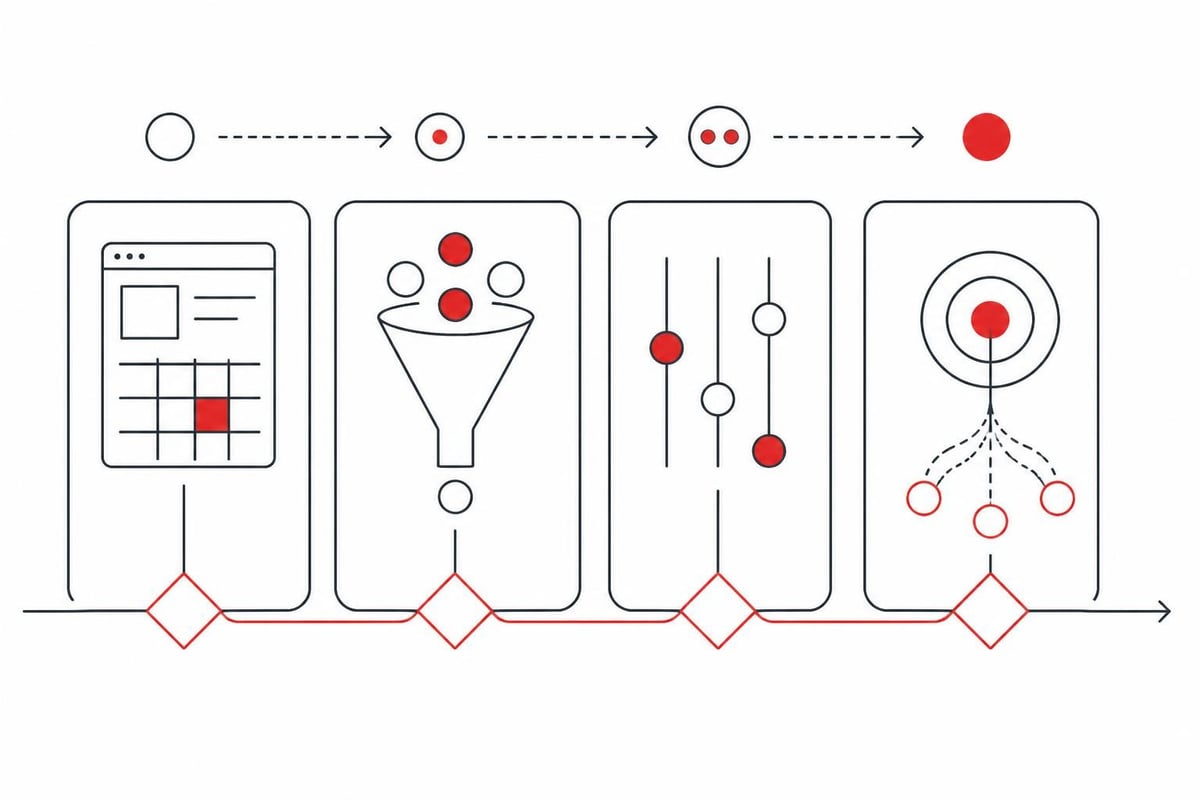
They switched to a lead generation SaaS platform that targeted construction project managers on LinkedIn and Google with ads focused on specific pain points-change order tracking and subcontractor coordination. Clicks went to a quiz-style landing page that qualified prospects and collected contact information.
Qualified prospects entered an AI-powered follow-up sequence. The system sent personalized emails referencing the specific pain points they indicated, delivered case studies from similar companies, and offered calendar slots for a 15-minute demo focused on their exact use case. SMS reminders reduced no-shows.
Results after 90 days:
- 43 booked meetings per month (358% increase)
- $340 cost per meeting (60% reduction)
- 74% show rate (up from 58%)
- 28% close rate on attended demos (up from 19%)
The platform didn't do anything magical. It systematically addressed the three failure points in their old system: targeting the wrong people, generic messaging that didn't resonate, and slow follow-up that lost warm prospects.
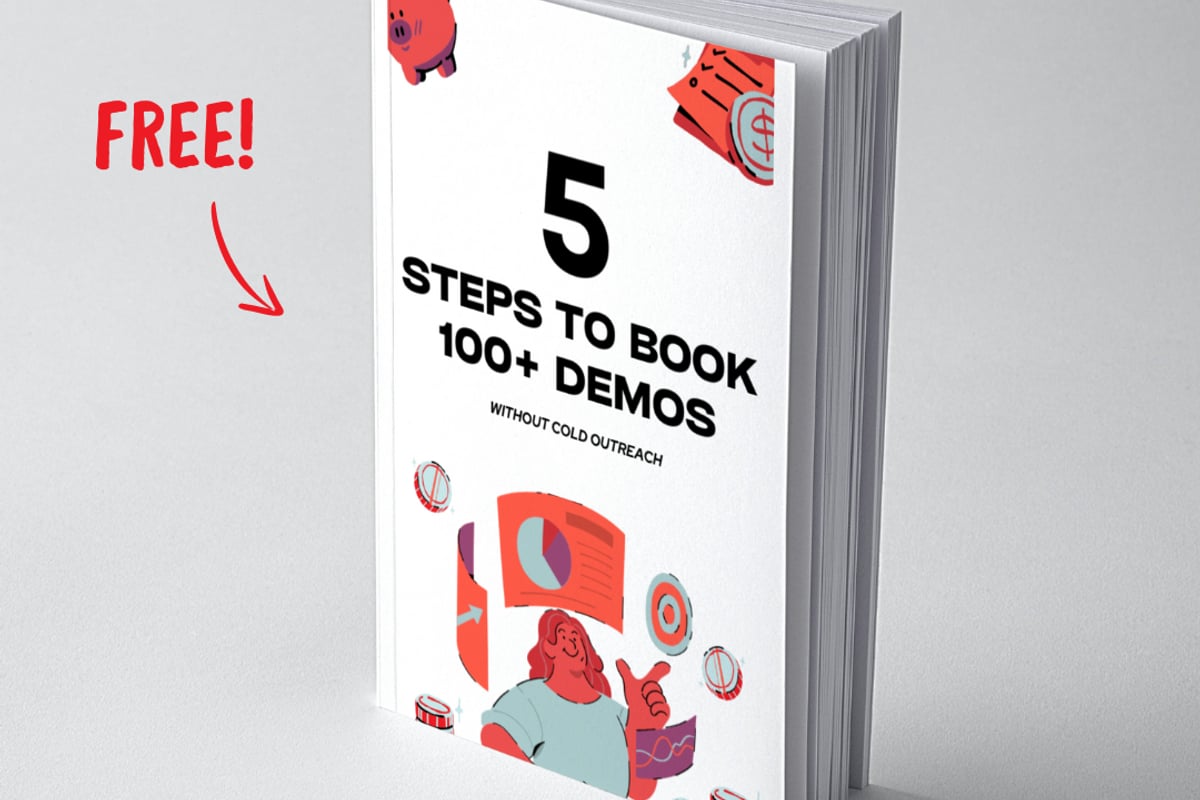
Companies looking to replicate this kind of transformation can see exactly how the pieces fit together. Aletto has documented the complete system in a detailed resource that breaks down acquisition strategy, AI follow-up mechanics, and booking optimization.
How Lead Generation SaaS Fits into Your Growth Strategy
Lead generation SaaS is not your entire go-to-market strategy. It's one component-specifically the component that creates predictable meeting flow for your sales team.
The strategic value comes from predictability. Traditional prospecting creates feast-or-famine pipeline. Good months happen when SDRs are motivated and target accounts happen to be in-market. Bad months happen for no clear reason.
Lead generation SaaS systems create consistent flow because they're based on paid acquisition with measurable unit economics. Spend $10,000 on optimized campaigns, generate 80 qualified leads, book 20 meetings, close 4 deals. The math becomes reliable over time, which enables revenue forecasting and capacity planning.
This predictability allows you to:
- Scale sales headcount with confidence that meetings will exist to keep reps productive
- Plan revenue growth based on controllable inputs rather than hoping for better cold outreach performance
- Optimize economics by testing pricing, offers, and sales processes with steady prospect flow
Lead generation SaaS works best for companies with clear ideal customer profiles, proven product-market fit, and sales processes that convert meetings at 20%+ rates. If you're still figuring out who to sell to or how to close deals, fix those problems first. The platform amplifies your existing motion-it doesn't create one from scratch.
Frequently Asked Questions
What is lead generation SaaS and how is it different from a CRM?
Lead generation SaaS focuses on finding and qualifying new prospects before they enter your CRM, while a CRM manages relationships with existing contacts. Lead gen platforms handle acquisition, AI follow-up, and booking; CRMs track deals, communications, and customer data after the relationship begins. Most companies use both systems integrated together.
How much does lead generation SaaS typically cost in 2026?
Pricing varies widely based on features and scale. Basic platforms start around $500-1,000 per month for small teams. Comprehensive systems with AI follow-up, multi-channel acquisition, and automated booking typically run $2,000-5,000 monthly, plus your paid advertising budget. Enterprise platforms exceed $10,000 monthly. Calculate ROI based on cost per booked meeting compared to your current acquisition costs.
Can lead generation SaaS work for small B2B companies?
Yes, if you have clear targeting and sufficient budget to generate meaningful volume. Small companies need at least $3,000-5,000 in total monthly spend (platform plus ads) to see results. The advantage for smaller teams is that automation replaces expensive SDR headcount. One founder can run a lead generation system that books 20-30 meetings monthly-impossible through manual prospecting.
What's the typical timeline to see results from lead generation SaaS?
Initial setup takes 2-3 weeks for campaign configuration, landing page creation, and integration. First leads typically arrive within 48 hours of launch. Meaningful volume and optimization require 60-90 days as you refine targeting, messaging, and qualification criteria. Most teams see ROI-positive performance by month three if fundamentals are solid.
Does lead generation SaaS replace the need for sales development reps?
It replaces the prospecting and qualification functions that SDRs traditionally handled-cold calling, email outreach, and initial screening. Sales development still adds value for high-touch qualification, complex deal navigation, and account-based approaches. Many teams reduce SDR headcount by 60-80% while maintaining or increasing booked meetings through automation.
The Privacy and Compliance Reality
Data handling has become complicated. Lead generation SaaS platforms collect personal information-names, emails, phone numbers, company details, behavioral data. Regulations like GDPR, CCPA, and emerging state privacy laws impose strict requirements on how you acquire, store, and use this data.
Your platform must support:
- Consent management that clearly communicates what data you're collecting and why
- Data portability allowing prospects to request their information
- Deletion capabilities to comply with right-to-be-forgotten requests
- Security controls that protect prospect data from breaches
Non-compliance isn't just a legal risk-it's a conversion killer. Prospects increasingly refuse to engage with companies that handle data carelessly. Trust matters in 2026.
The best practice is choosing platforms that build compliance into their core architecture rather than bolting it on as an afterthought. Ask vendors specifically how they handle data subject requests, where they store data geographically, and what security certifications they maintain.
What Doesn't Work in Lead Generation SaaS
Honesty matters here: some approaches consistently fail despite vendor promises.
Purchased lead lists are dead. The data is old, contacts aren't expecting outreach, and spam filters catch these campaigns immediately. List-based approaches show terrible ROI and damage your sending reputation.
Generic, template-based sequences get ignored. Prospects can smell mass emails. If your lead generation SaaS can't personalize at scale based on prospect behavior and characteristics, it won't perform.
Platforms without calendar automation create unnecessary friction. Requiring prospects to email back-and-forth to schedule a time kills conversion. Direct booking integration is non-negotiable.
Single-channel systems miss prospects where they actually engage. Email-only platforms struggle because deliverability continues to decline. Effective systems use email, SMS, retargeting, and direct mail in orchestrated sequences.
Companies waste money on lead generation SaaS when they ignore these realities. The market includes plenty of outdated platforms selling yesterday's approach at today's prices. Due diligence matters.
Integration with Existing Sales Processes
Lead generation SaaS doesn't exist in a vacuum. It feeds your sales process, which means integration points must work seamlessly.
The handoff from platform to sales team typically happens at booking confirmation. The prospect has indicated interest, been qualified through automated sequences, and scheduled a time. What happens next determines whether the technology investment pays off.
Pre-call research automation helps sales teams prepare. The best systems automatically compile prospect information-company background, pain points indicated during qualification, content engaged with-and surface it before the call. This enables sellers to personalize their approach without manual research.
Meeting reminders reduce no-shows significantly. Automated email and SMS reminders 24 hours before, 2 hours before, and 15 minutes before a scheduled call improve attendance rates by 15-20 percentage points.
Post-call workflow triggers ensure fast follow-up. When a call ends, the system should automatically send recap emails, schedule next steps, and update the CRM without manual data entry.
For teams exploring how modern sales funnels work, the integration between lead generation and sales execution is where theory becomes revenue.
Lead generation SaaS works when you implement it as a complete system-paid acquisition targeting the right prospects, AI follow-up that qualifies and nurtures with relevant messaging, and automated booking that eliminates friction. The platforms that deliver results in 2026 handle all three components in an integrated workflow, not as disconnected tools.
If you're tired of calendar gaps, inconsistent pipeline, and wasted effort on cold outreach that doesn't work anymore, see exactly how the best B2B teams are filling their calendars. Aletto built a complete report showing the acquisition strategy, AI mechanics, and booking optimization that generated 1,122 qualified calls in 11 months-and you can get it free to apply to your own business.