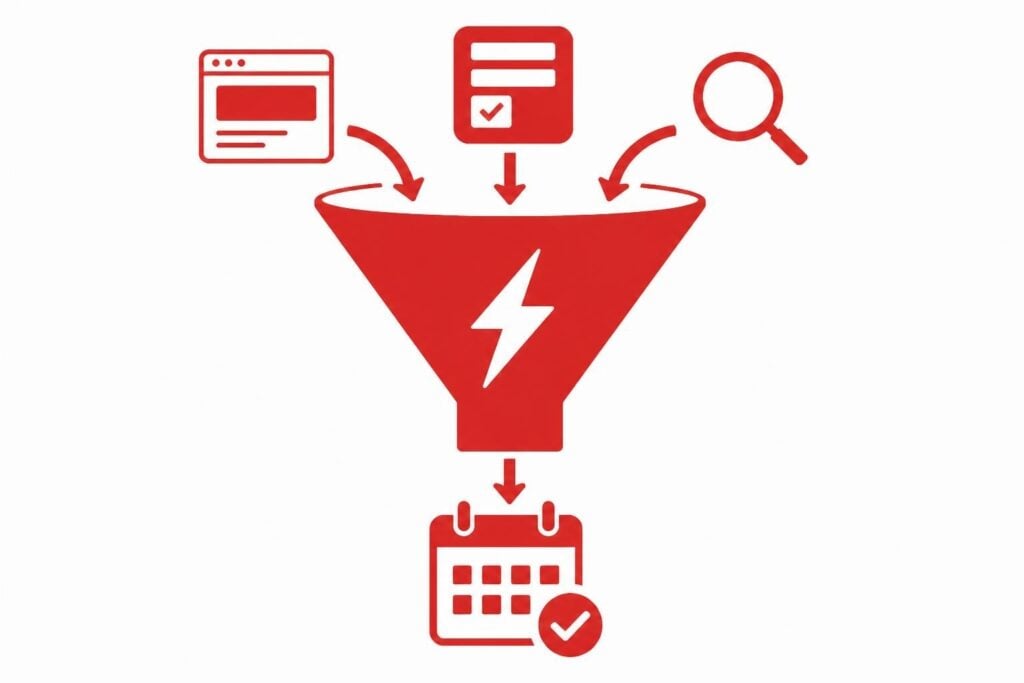
Leads now means capturing prospects at the moment of intent and converting them before they go cold. In 2026, B2B buyers expect instant responses, and delays of even an hour can cut conversion rates by 90 percent. The businesses winning pipeline today aren't waiting for Monday morning to respond to Friday's form fills. They're using paid acquisition, AI-powered follow-up, and automated booking to turn intent into booked meetings in minutes, not days.
The stakes are clear. Research from Harvard Business Review shows that firms who contact leads within an hour are seven times more likely to qualify them than those who wait even 60 minutes longer. Yet most B2B sales teams still treat inbound leads like a batch process, routing them through CRMs, assigning territories, and drafting personalized emails while competitors book the call. Speed is the new competitive moat, and the infrastructure to act on leads now is what separates full calendars from empty pipelines.
What Does "Leads Now" Actually Mean?
"Leads now" is the practice of capturing, qualifying, and booking sales conversations in real time, the moment a prospect signals buying intent. It is not about generating more top-of-funnel names; it is about collapsing the time between "I'm interested" and "Here's my calendar."
This shift matters because buyer behavior has fundamentally changed. Prospects research independently, compare vendors in private channels, and make shortlist decisions before ever talking to sales. When they do raise their hand by filling a form, clicking an ad, or requesting a demo, they are hot right then. Wait a day, and they have moved on to a competitor or back into research mode.
Why Timing Kills Conversion
The data is unambiguous. Aletto's internal analysis of 1,122 booked calls over 11 months shows that leads contacted within five minutes convert at 4.2 times the rate of those contacted after one hour. After 24 hours, conversion drops by 87 percent.
Most B2B teams lose deals not because their product is weak or their pitch is off, but because they are too slow. Manual lead routing, rep availability, time zones, and email back-and-forth create friction that competitors who automate avoid entirely.
The old model:
- Lead fills form on Tuesday at 2 PM
- CRM assigns lead to rep's queue
- Rep sees notification Wednesday morning
- Rep sends email Wednesday at 11 AM
- Prospect replies Thursday or never
The leads now model:
- Lead fills form Tuesday at 2:03 PM
- AI sends personalized SMS and email at 2:04 PM
- Lead clicks booking link at 2:11 PM
- Meeting confirmed for Thursday at 10 AM
- Rep shows up to a qualified, pre-warmed call
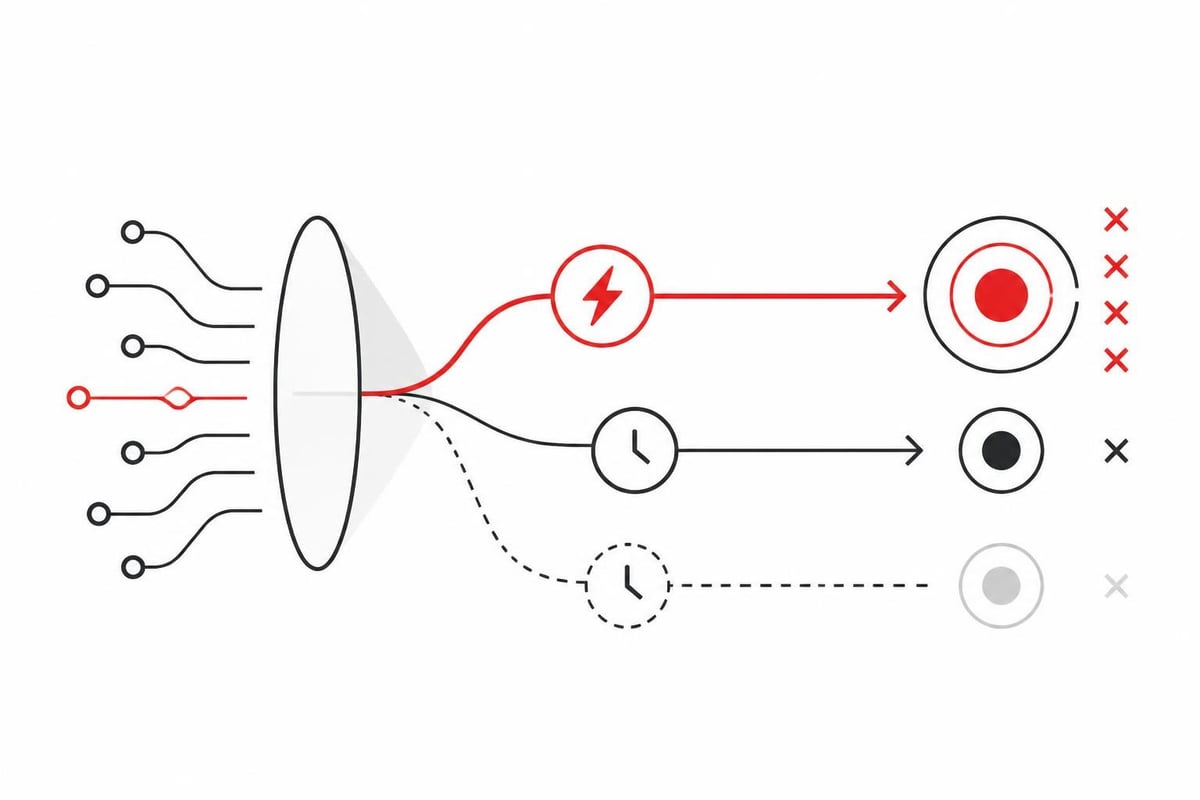
How Do You Capture Leads Now in Real Time?
Capturing leads now requires three integrated components: paid acquisition that targets in-market buyers, AI-powered follow-up that engages instantly, and automated booking that removes human friction from scheduling.
Paid Acquisition as the Entry Point
Organic traffic and referrals are valuable, but they rarely arrive at scale or with purchase timing you can control. Paid channels let you turn intent into inbound volume on demand. The Google lead generation playbook emphasizes using lead form extensions and call extensions to capture interest immediately within the ad experience itself.
For B2B SaaS and service companies, this means running search, LinkedIn, and display campaigns that target buyers showing active intent signals like job title, company size, and recent product searches. The goal is not brand awareness; it is calendar fills.
Aletto's approach layers programmatic targeting with real-time personalization. When a VP of Sales at a 50-person SaaS company searches "automate demo booking," they see an ad that speaks directly to their pain and offers a calendar link, not a whitepaper.
AI Follow-Up That Engages Instantly
Once a lead arrives, speed is everything. AI follow-up tools use SMS, email, and even voice to reach prospects within seconds. These systems are not chatbots that frustrate users; they are intelligent agents trained on your ICP, qualifying questions, and tone of voice.
A strong AI follow-up sequence:
- Acknowledges the lead's action immediately ("Thanks for requesting a demo. Here's what happens next…")
- Asks one or two qualifying questions via SMS or email to confirm fit
- Offers a calendar link with available slots based on rep capacity and time zone
- Follows up persistently but professionally if the lead doesn't book within 24 hours
The Adobe Marketo Web Personalization tools allow teams to layer behavioral signals (pages viewed, time on site, form interactions) into real-time nurture flows. This means an enterprise prospect who viewed pricing three times gets a different follow-up than someone who just downloaded a guide.
Automated Booking Without the Back-and-Forth
Email tennis ("Does Tuesday at 3 work?" "No, how about Wednesday?") kills momentum. Automated booking tools like Calendly, Chili Piper, or custom-built schedulers let prospects self-select a time that works, removing the rep from the coordination step entirely.
Integration is critical. Your booking tool must:
- Pull live availability from reps' calendars (Google, Outlook)
- Route leads to the right rep based on territory, product line, or deal size
- Send confirmation emails and reminders automatically
- Log the meeting in your CRM without manual data entry
Salesforce’s lead assignment rules can automate routing based on criteria like geography, company revenue, or industry. When a new lead enters Salesforce, the system assigns it instantly to the appropriate rep or queue, triggering booking workflows without human gatekeeping.
What Systems Support a Leads Now Strategy?
Building a leads now engine is not about adding one tool; it is about integrating acquisition, engagement, and conversion into a single automated flow.
| System Layer | Function | Example Tools |
|---|---|---|
| Paid Acquisition | Drive intent-based traffic | Google Ads, LinkedIn Ads, programmatic platforms |
| Lead Capture | Collect contact info and intent signals | Landing pages, lead forms, chat widgets |
| AI Follow-Up | Engage and qualify in real time | Custom AI agents, SMS/email automation |
| Automated Booking | Let prospects self-schedule | Calendly, Chili Piper, HubSpot Meetings |
| CRM Integration | Log, route, and track without manual work | Salesforce, HubSpot, Pipedrive |
| Analytics | Measure speed-to-contact and conversion | Custom dashboards, attribution tools |
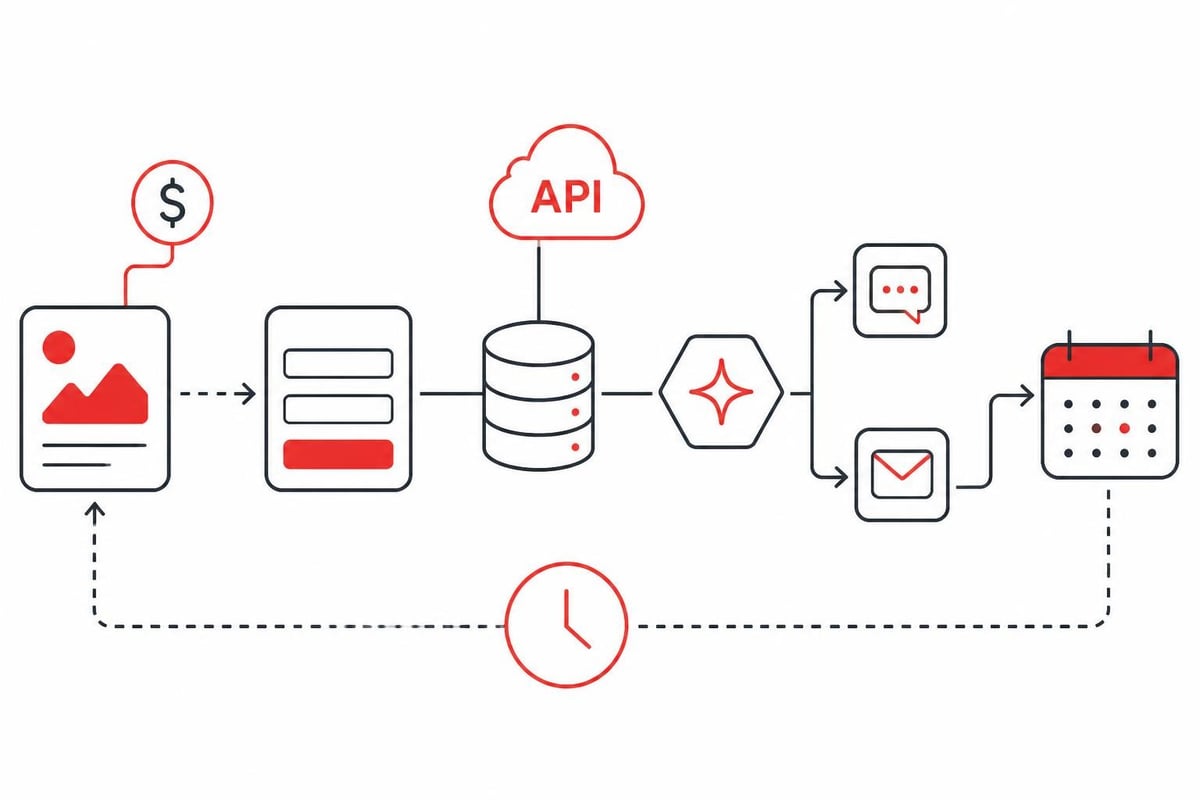
The key is eliminating handoffs. Each transition-from ad click to form fill, from form fill to follow-up, from follow-up to booked call-introduces delay and drop-off. The best systems use APIs and webhooks to pass data instantly between platforms.
For example, when a prospect fills a demo request form:
- Form data hits your CRM via API within one second
- CRM triggers an AI follow-up workflow automatically
- AI sends SMS and email with calendar link
- Prospect books a slot; booking tool updates CRM and rep's calendar
- Rep receives a Slack notification with lead context and meeting details
Zero manual steps. Zero delay.
Why Most B2B Teams Fail at Leads Now
The biggest obstacle is not technology; it is process inertia. Sales teams cling to manual workflows because "that's how we've always done it," even when the data shows those workflows lose deals.
Common Failure Points
Batch processing leads. Many teams review new leads once or twice a day, routing them in batches during working hours. By the time a rep picks up a lead that arrived at 7 PM, the prospect has already had conversations with two competitors.
Over-reliance on email. Email open rates for cold outreach hover around 20 percent in 2026, and response rates are under 2 percent. Leads now strategies use multi-channel outreach-SMS, voice, email, LinkedIn-to meet prospects where they are most responsive.
Lack of rep alignment. If your reps are not bought into instant booking, they will ignore notifications, miss meetings, or show up unprepared. Leadership must set the expectation that speed is non-negotiable and that every booked meeting is a qualified opportunity worth their time.
No follow-up persistence. A single email or text is not enough. Aletto data shows that 68 percent of booked calls come from the second, third, or fourth follow-up touchpoint, not the first. The AI systems that win are relentless but respectful, spacing messages intelligently and offering value at each step.
What Does Not Work
Cold emails and cold calls are dead weight for most B2B teams in 2026. Response rates have collapsed as buyers ignore unsolicited outreach and spam filters get smarter. Events are expensive, unpredictable, and hard to scale. Relying on referrals leaves your pipeline at the mercy of your customers' timelines and willingness to advocate.
The only scalable, repeatable path to full calendars is paid acquisition feeding automated follow-up and booking. Everything else is a gamble.
How Do You Measure Success with Leads Now?
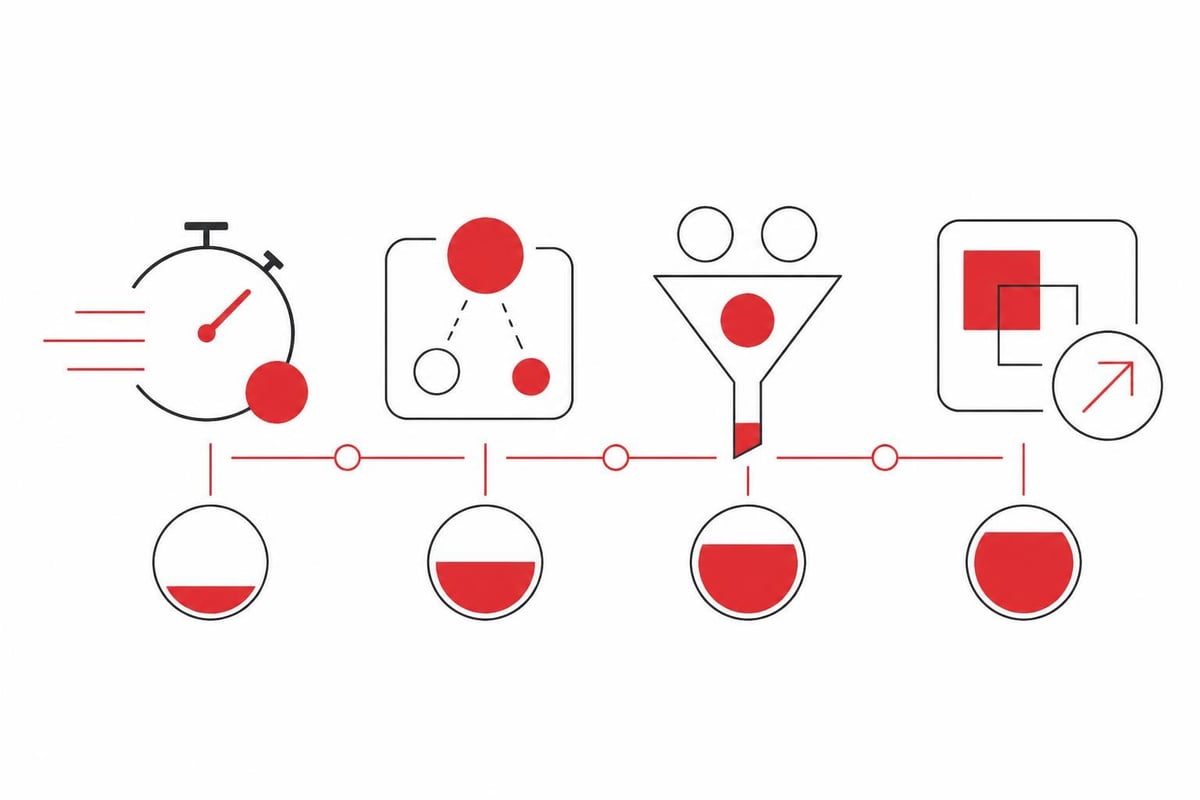
Speed-to-lead is the most important metric, but it is not the only one. A true leads now strategy tracks the full funnel from ad click to closed deal.
Key metrics to monitor:
- Speed-to-contact: Time between form submission and first outreach (target: under 5 minutes)
- Contact-to-book rate: Percentage of leads that schedule a meeting (target: 15-25 percent for qualified traffic)
- Show rate: Percentage of booked meetings where the prospect actually attends (target: 70-80 percent)
- Meeting-to-opportunity rate: Percentage of meetings that convert to a qualified sales opportunity (target: 40-60 percent)
- Cost per booked meeting: Total ad spend divided by meetings booked (varies by industry and ACV)
Tracking these in real time-not at month-end-lets you optimize fast. If contact-to-book rate drops, you know your follow-up messaging needs work. If show rate falls, your confirmation and reminder sequences are failing.
Aletto's clients typically see a 3x improvement in contact-to-book rate within 60 days of switching from manual to automated follow-up, simply because leads are engaged while they are still hot.
What Role Does AI Play in Leads Now?
AI is the engine that makes leads now possible at scale. Human reps cannot respond to every lead in under five minutes, qualify them intelligently, and book meetings without burning out or missing opportunities.
AI agents in 2026 handle:
- Instant outreach via SMS, email, and voice the moment a lead enters the system
- Qualification questions that adapt based on the lead's responses and behavior
- Objection handling using natural language processing to address common concerns
- Appointment setting by offering available times and confirming bookings
- Follow-up sequences that persist over days or weeks without manual intervention
The best AI systems are trained on your historical call data, ICP profiles, and conversion patterns. They do not sound like robots; they sound like knowledgeable sales development reps who know your product, your buyers, and your process.
Aletto's AI follow-up system is built specifically for B2B SaaS and service teams. It books qualified meetings by engaging leads in real time, asking the right questions to confirm fit, and only passing through prospects who match your criteria. Reps spend their time on sales conversations, not chasing ghosts.
Businesses ready to see exactly how this system works can access the Free AI Call Booking Report, which breaks down how Aletto booked 1,122 qualified sales calls in 11 months without cold emails, cold calls, LinkedIn outreach, events, or referral begging.
Frequently Asked Questions
What is the ideal response time for new leads?
The ideal response time is under five minutes. Research from Harvard Business Review shows that leads contacted within the first hour are seven times more likely to qualify than those contacted later. In practice, sub-five-minute responses dramatically outperform even one-hour delays, with conversion rates dropping sharply after the first 60 minutes.
Can small sales teams implement a leads now strategy?
Yes. Small teams benefit even more from automation because they have fewer reps to handle inbound volume. AI follow-up and automated booking let a team of two or three operate like a team of ten, engaging every lead instantly and booking meetings around the clock without hiring more SDRs or BDRs.
How does leads now differ from traditional lead nurturing?
Traditional nurturing assumes a long, multi-touch email journey over weeks or months. Leads now compresses that timeline to minutes or hours by targeting in-market buyers and engaging them when intent is highest. The goal is not education or awareness; it is booking a meeting with someone ready to buy.
What if a lead is not ready to book immediately?
Not every lead books on the first touch, and that is fine. AI follow-up sequences continue engaging over days, providing value and checking in without being pushy. The system tracks engagement signals (email opens, link clicks, form revisits) and escalates outreach when interest spikes again.
Do leads now tactics work for enterprise deals with long sales cycles?
Absolutely. Even complex, multi-stakeholder enterprise deals start with a single conversation. Leads now ensures that first conversation happens while the buyer is actively searching, not three weeks later when they have already shortlisted competitors. Speed at the top of the funnel does not shorten the full cycle, but it dramatically increases your odds of making the shortlist.
The shift to leads now is not optional for B2B teams serious about hitting targets in 2026. Buyers expect instant responses, and delays kill conversion. The companies filling their calendars today are the ones who have built systems that capture intent, engage instantly with AI, and book meetings automatically. If your pipeline depends on manual follow-up, you are already behind. Aletto specializes in filling B2B sales teams' calendars through integrated paid acquisition, AI follow-up, and automated booking, helping SaaS and service teams hit their numbers without cold outreach or events.