


Your marketing site represents the digital frontline of your business, determining whether visitors become qualified leads or disappear forever. In 2026, creating an effective marketing site requires more than attractive design-it demands strategic thinking, conversion optimization, and authentic messaging that transforms skeptical browsers into ready-to-buy customers. With lead generation becoming increasingly competitive, your marketing site must stand out while delivering measurable business results. This comprehensive guide reveals the proven strategies for building a marketing site that generates predictable revenue growth and transforms your digital presence into a powerful lead generation engine.
The Strategic Foundation of a High-Converting Marketing Site
Your marketing site needs a strategic foundation before considering visual elements or technical implementation. This foundation determines whether your site generates qualified leads or simply looks pretty while failing to drive business results. Too many businesses launch marketing sites that miss the mark because they prioritize aesthetics over strategy.
Start by defining your ideal customer profile with precise detail. Who are you targeting? What challenges keep them awake at night? Understanding these fundamentals allows you to craft messaging that resonates deeply rather than speaking to everyone and connecting with no one. Qualified leads don't materialize from generic messaging-they respond to specific, targeted communication that addresses their exact situation.
Aligning Business Objectives with Site Architecture
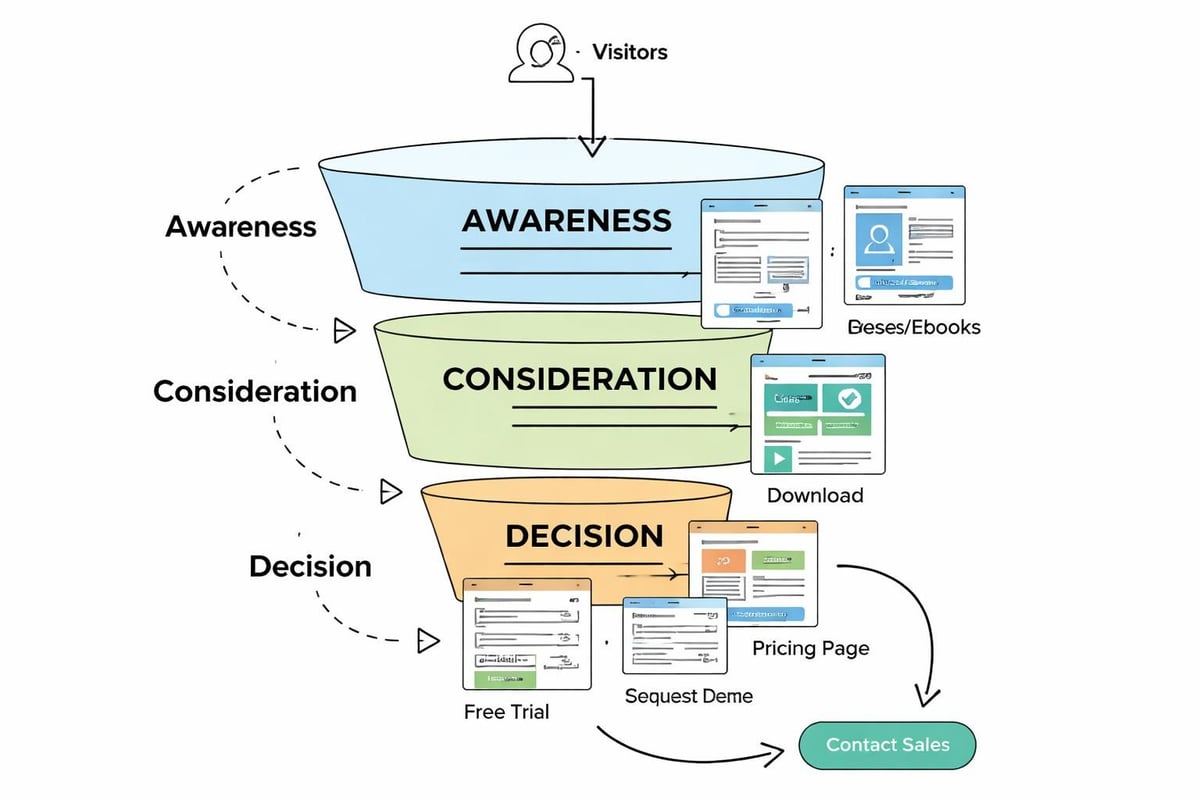
Your marketing site architecture should map directly to your business objectives. If you're focused on appointment bookings, your entire site should guide visitors toward scheduling a call. If lead magnet downloads drive your funnel, every page should support that conversion goal.
Consider these critical elements:
- Primary conversion goal: What specific action should visitors take?
- Secondary conversions: What alternative actions support your sales process?
- Content hierarchy: How does information flow to support decision-making?
- User journey mapping: What path leads visitors from awareness to action?
Effective lead generation in the US market requires understanding regional preferences and expectations. Your marketing site must reflect these insights through localized messaging, social proof from relevant markets, and offers that resonate with your specific audience.
Design Trends That Drive Conversions in 2026
The landscape of web design continues evolving, but not all trends serve conversion goals equally. Your marketing site should embrace trends that enhance user experience while maintaining focus on lead generation. According to Creative Bloq’s analysis of 2026 design trends, authentic craftsmanship and multisensory experiences are reshaping how brands connect digitally.
Minimalist layouts remain dominant, but with added warmth and personality that differentiate your brand. Stark, cold minimalism gives way to approachable designs that maintain clarity while conveying human connection. This shift matters tremendously for businesses focused on relationship-building and consultative sales.
Balancing Aesthetics with Functionality
Your marketing site must achieve the delicate balance between visual appeal and functional effectiveness. Beautiful design attracts attention, but strategic functionality converts visitors. PHENYX’s website design best practices emphasize custom-built responsive design that serves business objectives rather than simply following templates.
| Design Element | Aesthetic Purpose | Conversion Purpose |
|---|---|---|
| White Space | Creates visual breathing room | Directs attention to CTAs |
| Typography Hierarchy | Establishes brand personality | Guides reading flow to key messages |
| Color Psychology | Evokes emotional responses | Highlights conversion opportunities |
| Interactive Elements | Engages visitors | Reduces friction in conversion process |
Dark mode continues gaining traction, offering visitors choice in how they consume content. Implementing theme switching demonstrates attention to user preferences while potentially reducing eye strain during extended browsing sessions. However, ensure your conversion elements remain equally visible regardless of mode selection.
Crafting Messaging That Resonates and Converts
Your marketing site messaging determines whether visitors see themselves in your solution. Generic corporate speak fails to connect, while specific, benefit-focused messaging drives action. The difference between "We provide marketing solutions" and "We generate 50+ qualified appointments monthly for B2B service providers" is the difference between confusion and conversion.
The concept of vibe marketing has emerged as a powerful framework for creating emotional connections. This approach merges imaginative brand positioning with tactical execution, ensuring your marketing site communicates both rational benefits and emotional resonance.
Building a Value Proposition That Stands Out
Your value proposition should answer three critical questions within seconds of page load:
- What do you offer? Be specific about deliverables and outcomes
- Who is it for? Clearly identify your ideal customer
- Why should they choose you? Articulate your unique differentiator
Avoid industry jargon that obscures meaning. Instead, use the language your customers use when describing their problems. If they say "I need more sales appointments," don't respond with "We optimize your demand generation infrastructure." Speak their language, and your marketing site messaging will resonate immediately.
Social proof amplifies your value proposition exponentially. Testimonials, case studies, and client logos transform claims into credibility. However, generic testimonials like "Great service!" provide minimal value. Showcase specific results: "Adstra generated 73 qualified leads in our first month, resulting in $42,000 in new revenue."
Technical Optimization for Speed and Performance
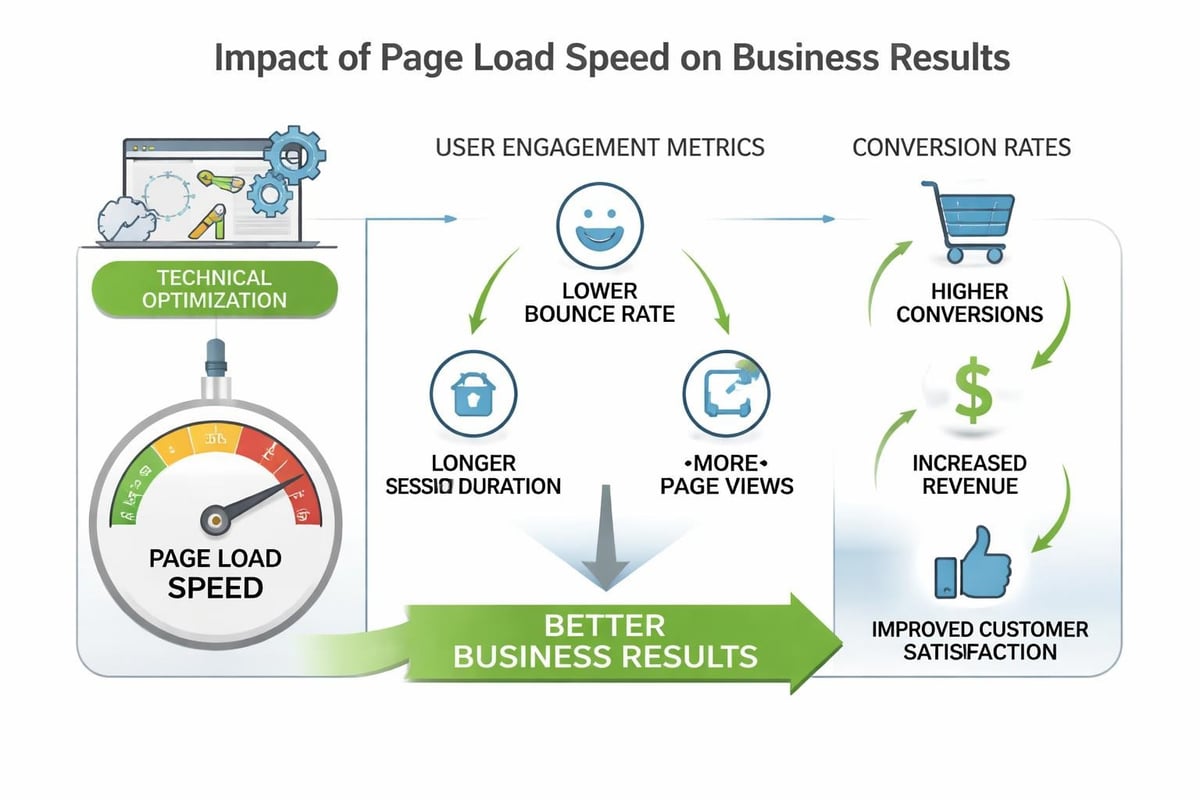
Your marketing site's technical performance directly impacts both user experience and conversion rates. Slow-loading pages frustrate visitors and damage SEO rankings, while technically optimized sites enjoy higher engagement and better search visibility. Magnolia Marketing’s essential website practices highlight speed optimization as fundamental to engagement.
Every second of load time matters. Research consistently shows abandonment rates increase dramatically beyond three seconds. Your marketing site must deliver content rapidly across all devices and connection speeds.
Performance Metrics That Matter
Focus on these critical performance indicators:
- First Contentful Paint (FCP): Time until first content renders
- Largest Contentful Paint (LCP): Time until main content loads
- Time to Interactive (TTI): When page becomes fully interactive
- Cumulative Layout Shift (CLS): Visual stability during loading
Implement lazy loading for images below the fold, minimize JavaScript bloat, and leverage browser caching aggressively. These technical optimizations might seem invisible to users, but they profoundly impact whether visitors stay engaged or abandon your marketing site before consuming your message.
Conversion Optimization Through Strategic CTAs
Call-to-action placement, design, and copy determine whether visitors take desired actions. Your marketing site should guide visitors naturally toward conversion without feeling pushy or aggressive. Strategic CTA implementation creates a frictionless path from interest to action.
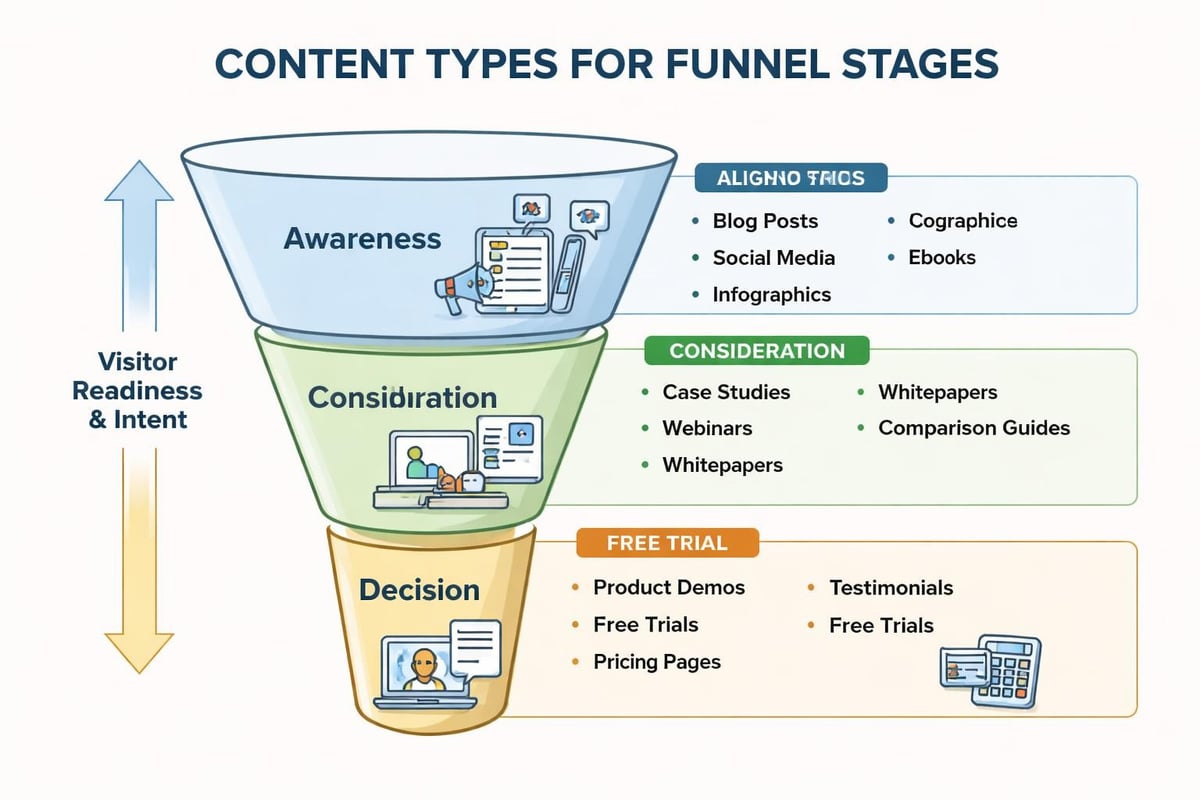
Consider the visitor's mindset at different page sections. Someone reading your homepage hero section has different awareness and commitment levels than someone reading a detailed case study. Your CTAs should match these varying readiness levels.
Creating a CTA Hierarchy
Implement multiple conversion opportunities at different commitment levels:
- Primary CTA: High-commitment action (book consultation, request demo)
- Secondary CTA: Medium-commitment action (download guide, view case study)
- Tertiary CTA: Low-commitment action (subscribe to newsletter, follow social)
This approach captures leads at various readiness stages. Not everyone visiting your marketing site is ready for an immediate sales conversation, but they might engage with educational content that nurtures them toward eventual conversion.
Button copy should focus on benefits rather than actions. "Schedule My Growth Strategy Call" outperforms "Submit" because it emphasizes value rather than transaction. Test variations continuously to identify which messaging resonates most powerfully with your audience.
Automation and Personalization Strategies
Modern marketing sites leverage automation and personalization to deliver relevant experiences at scale. Static, one-size-fits-all websites cannot compete with dynamic experiences tailored to individual visitor needs. Implementing smart personalization transforms your marketing site into a responsive conversion tool that adapts to each visitor.
Dynamic content serving allows you to display different messaging based on visitor characteristics. First-time visitors might see introductory content explaining your core value proposition, while returning visitors see advanced offers or case studies relevant to their previous browsing behavior.
Implementing Smart Lead Capture
Traditional lead capture forms create friction by demanding information upfront. Progressive profiling reduces this friction by collecting information gradually across multiple interactions. Initial contact might only request email address, while subsequent engagements request additional qualifying details.
Consider these automation opportunities:
- Exit-intent popups offering valuable resources when visitors attempt leaving
- Scroll-triggered CTAs appearing after consuming substantial content
- Time-based overlays engaging visitors who spend significant time on page
- Chatbot qualification engaging visitors and routing qualified leads appropriately
End-to-end marketing automation connects your marketing site to broader systems that nurture leads through entire sales cycles. When someone completes a form, automation can trigger email sequences, CRM updates, and notification to sales teams-all without manual intervention.
Content Strategy That Educates and Converts
Your marketing site content should educate prospects while simultaneously moving them toward conversion. Educational content builds authority and trust, positioning your business as the obvious choice when prospects are ready to buy. However, content without conversion focus wastes opportunities.
Every piece of content should serve dual purposes: providing genuine value while supporting business objectives. Blog posts should answer real questions while demonstrating expertise. Case studies should tell compelling stories while showcasing specific results. Video content should engage while building emotional connections.
Structuring Content for Maximum Impact
Organize content strategically across your marketing site:
| Content Type | Primary Purpose | Conversion Goal |
|---|---|---|
| Homepage | Communicate core value proposition | Direct to primary CTA |
| Service Pages | Detail specific offerings | Schedule consultation |
| Case Studies | Demonstrate proven results | Build confidence, request similar outcomes |
| Blog Articles | Attract organic traffic, build authority | Capture emails, nurture leads |
| Resources | Provide actionable value | Exchange contact information |
The VSL strategy that generated 50,000+ leads demonstrates the power of focused, conversion-oriented content. Rather than spreading efforts across dozens of pages, concentrate on creating fewer, more powerful assets that drive measurable results.
Mobile Optimization as Non-Negotiable Standard
Mobile traffic dominates web usage in 2026, making mobile optimization absolutely essential for marketing site success. Your mobile experience often represents the first impression prospects receive of your business. Clunky, difficult-to-navigate mobile sites communicate carelessness regardless of desktop experience quality.
Responsive design forms the foundation, but true mobile optimization goes deeper. Touch targets must be appropriately sized, forms should minimize typing requirements, and navigation should prioritize mobile-specific patterns. According to digital marketing best practices, mobile optimization directly correlates with engagement and conversion metrics.
Mobile-Specific Considerations
Design your marketing site with these mobile priorities:
- Thumb-friendly navigation: Place important elements within natural thumb reach
- Condensed forms: Request only essential information on mobile devices
- Click-to-call functionality: Enable one-tap phone contact for service businesses
- Simplified menus: Reduce navigation complexity for smaller screens
Test your marketing site extensively on actual devices rather than relying solely on desktop browser simulation. Real-world testing reveals issues that simulations miss, ensuring your mobile experience truly serves user needs.
Analytics and Continuous Improvement
Your marketing site should be constantly evolving based on data-driven insights. Launch represents the beginning rather than the end of optimization efforts. Implementing robust analytics tracking enables you to understand visitor behavior, identify conversion bottlenecks, and test improvements systematically.
Track both quantitative metrics (conversion rates, bounce rates, time on page) and qualitative insights (user recordings, heatmaps, feedback surveys). This comprehensive view reveals not just what visitors do but why they behave in specific ways.
Key Metrics for Marketing Site Success
Monitor these critical indicators:
- Conversion rate: Percentage of visitors completing desired actions
- Traffic sources: Where your most qualified visitors originate
- Page performance: Which pages drive engagement versus causing abandonment
- User flow: How visitors navigate through your site
- Lead quality: Whether generated leads convert to customers
Implement A/B testing protocols to validate changes before full deployment. Test headlines, CTA copy, page layouts, and offer positioning. Even small improvements compound over time, transforming marginal marketing sites into powerful conversion engines. Getting new customers requires constant refinement based on what your data reveals about visitor behavior and preferences.
Integration with Lead Generation Systems
Your marketing site shouldn't exist in isolation but rather integrate seamlessly with broader lead generation and sales systems. Disconnected tools create friction, data silos, and missed opportunities. Modern marketing sites connect to CRM platforms, email marketing systems, appointment scheduling tools, and analytics dashboards.
These integrations enable sophisticated lead management workflows. When someone completes a form on your marketing site, relevant information should flow automatically to your CRM, trigger appropriate email sequences, notify sales team members, and update reporting dashboards. Manual data transfer introduces errors and delays that damage conversion rates.
Building a Connected Marketing Ecosystem
Consider how your marketing site connects to:
- CRM systems for centralized lead management and sales tracking
- Marketing automation platforms for nurturing sequences and behavior-based campaigns
- Appointment scheduling tools for frictionless booking experiences
- Analytics platforms for comprehensive performance tracking
- Communication tools for immediate lead engagement
Choosing the best marketing platforms that integrate effectively determines whether your marketing site operates as an isolated asset or as part of a cohesive revenue generation system. Prioritize platforms with robust APIs and pre-built integrations that reduce technical complexity.
Building Trust Through Transparency
Your marketing site must communicate transparency and authenticity to overcome increasing consumer skepticism. Generic claims without substantiation no longer persuade sophisticated buyers. They seek evidence, specifics, and genuine insights into how you operate and deliver value.
Display clear pricing information when feasible, showcase detailed case studies with actual results, and acknowledge limitations honestly. This transparency differentiates your marketing site from competitors making exaggerated claims without backing. Prospects appreciate honesty and reward it with trust and business.
Elements That Build Credibility
Incorporate these trust-building components:
- Specific case studies: Real client names, challenges, solutions, and measurable outcomes
- Video testimonials: Authentic clients sharing experiences in their own words
- Team profiles: Showcase the actual humans behind your business
- Process transparency: Explain exactly how you deliver results
- Guarantee details: Clearly articulate what you promise and how you ensure delivery
Your marketing site should answer questions before prospects ask them. Address common objections proactively, explain your methodology clearly, and provide multiple ways for prospects to verify your claims. This approach accelerates trust-building and shortens sales cycles dramatically.
Building an effective marketing site in 2026 requires strategic thinking, conversion-focused design, compelling messaging, and continuous optimization based on data-driven insights. These elements combine to transform your digital presence from a static brochure into a dynamic lead generation engine that drives predictable business growth. If you're ready to transform cold traffic into qualified appointments and ready-to-buy customers, Adstra leverages advanced AI systems and proven strategies to generate measurable results while sharing the risk through our guaranteed growth partnership model. Let's build your next-generation marketing site that delivers the qualified leads your business deserves.