
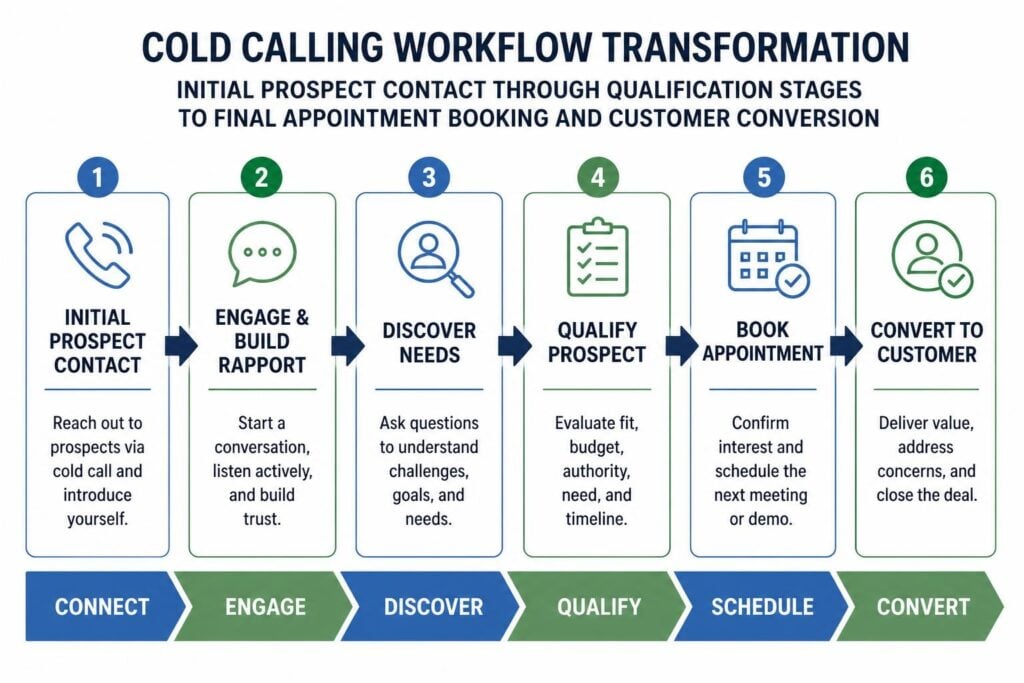
Cold calling remains one of the most powerful tools in the sales arsenal, despite the rise of digital marketing channels. While many businesses have shifted their focus to inbound strategies, the reality is that cold call leads continue to deliver impressive results when approached strategically. In 2026, the companies that master the art and science of cold calling are seeing conversion rates that far exceed industry averages, turning complete strangers into loyal customers. The key lies not in making more calls, but in making smarter calls backed by data, preparation, and proven methodologies that resonate with today's sophisticated buyers.
Why Cold Call Leads Still Dominate Sales Pipelines
The statistics speak for themselves. Recent data shows that cold calling works exceptionally well in 2026, with conversion rates improving to 3.5% industry-wide. Top performers consistently achieve rates between 5-8%, proving that excellence in this channel is entirely achievable.
What makes cold call leads so valuable is their immediate, personal nature. Unlike email campaigns that sit in crowded inboxes or social media posts that get lost in algorithmic feeds, a phone call demands attention. It creates human connection in real time, allowing sales professionals to read vocal cues, address objections instantly, and build rapport that digital channels simply cannot replicate.
The Economics of Cold Calling
When you examine the return on investment, cold call leads become even more compelling. Consider these factors:
- Lower customer acquisition costs compared to paid advertising channels
- Immediate feedback loops that allow rapid strategy refinement
- Higher lifetime value from relationships built through personal interaction
- Scalability without proportional increases in cost per lead
- Control over messaging and conversation flow
The integration of AI-powered lead generation has revolutionized how businesses identify and prioritize cold call leads. Advanced systems now analyze vast datasets to surface prospects most likely to convert, dramatically improving efficiency.
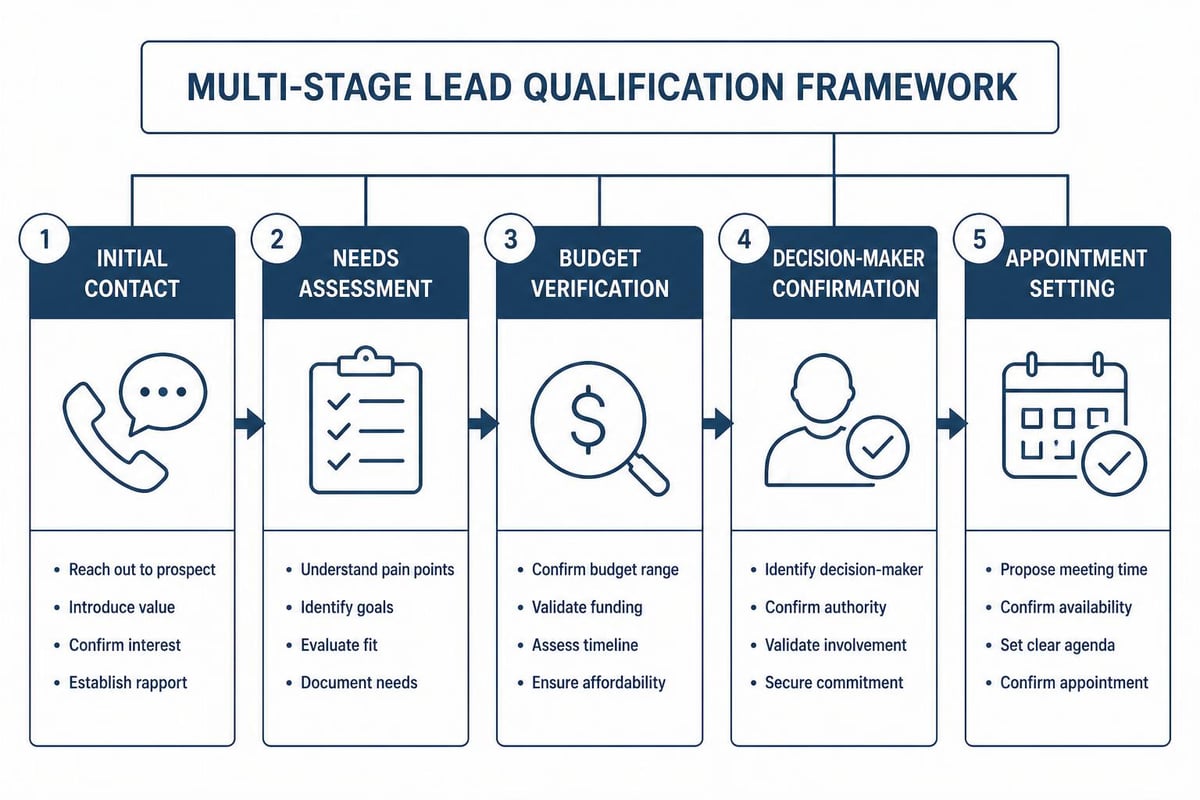
Building Your Cold Call Leads Database
Success begins long before you pick up the phone. The quality of your cold call leads directly correlates to the research and preparation invested upfront. Random dialing wastes time and damages your brand reputation.
Start by defining your ideal customer profile with surgical precision. What industries do they operate in? What revenue range? Which pain points keep them awake at night? The more specific your criteria, the better your targeting becomes.
Data Sources That Deliver Results
| Source Type | Quality Rating | Cost | Best For |
|---|---|---|---|
| Industry databases | High | $$$ | Targeted B2B campaigns |
| LinkedIn Sales Navigator | Very High | $$ | Decision-maker outreach |
| Trade association lists | Medium-High | $ | Niche market penetration |
| Website visitor tracking | Very High | $$ | Warm lead identification |
| Referral networks | Highest | $ | Quality over quantity |
Many businesses overlook the power of combining multiple data sources. Cross-referencing information from different platforms helps verify accuracy and provides conversation starters that demonstrate genuine interest rather than generic pitches.
Following cold calling best practices means understanding legal requirements before launching campaigns. Regulations like the Telephone Consumer Protection Act (TCPA) and Do Not Call registries aren't suggestions, they're legal requirements that protect both consumers and legitimate businesses.
Optimizing Your Cold Call Approach
The difference between a 2% and 8% conversion rate often comes down to execution details. Every element of your approach matters, from timing to tonality.
Research reveals that optimal call times and connection rates vary significantly by industry and role. For most B2B cold call leads, Wednesday and Thursday mornings between 10-11 AM yield the highest connection rates. However, C-suite executives often respond better to early morning (7-8 AM) or late afternoon (4-5 PM) calls when they're catching up outside normal meeting times.
The Perfect Opening 30 Seconds
Your opening determines whether you get 30 more seconds or an immediate rejection. Structure your introduction strategically:
- Pattern interrupt – Start with something unexpected that breaks their mental script
- Relevance statement – Immediately explain why you're calling THEM specifically
- Value proposition – Clearly articulate what's in it for them
- Permission request – Ask if they have 2-3 minutes rather than assuming
Generic openings destroy credibility. "I was hoping to speak with you about…" signals a mass dialing approach. Instead, reference something specific about their company, a recent achievement, or an industry challenge they likely face.
Platforms like RankPill help sales teams research prospects more efficiently by analyzing online content and identifying talking points that resonate, making each cold call feel personalized rather than scripted.
Converting Cold Call Leads Into Appointments
The goal of cold calling isn't to close deals on the first call, it's to secure qualified appointments where deeper conversations happen. Understanding this distinction transforms your metrics and approach.
According to comprehensive cold outreach statistics, it typically takes 8-12 touch points to secure an appointment with a qualified prospect. This means your cold call is often the first step in a multi-channel sequence.
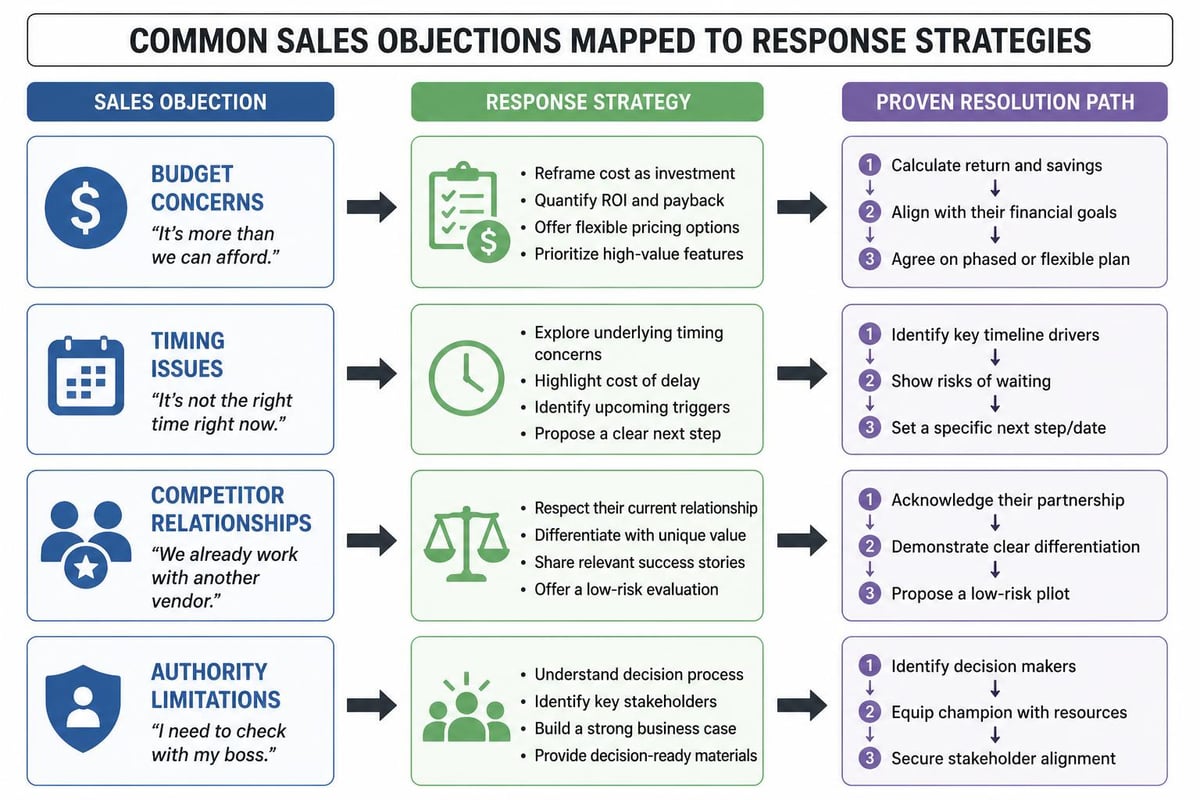
Handling Objections With Confidence
Every cold caller faces predictable objections. Preparation separates amateurs from professionals:
- "I'm too busy" – Acknowledge their time constraints, offer specific brief windows, emphasize ROI of conversation
- "Send me information" – Agree to send materials, but schedule follow-up call first to discuss
- "We're happy with current provider" – Congratulate them, then position yourself as backup option for when circumstances change
- "Not interested" – Ask permission for one question that might change their perspective
- "Call back later" – Pin down specific date and time rather than accepting vague delays
The most successful approach to objections involves the "feel, felt, found" framework. "I understand how you feel. Many of our best clients felt the same way initially. What they found was…" This technique validates emotions while redirecting toward value.
Technology That Amplifies Cold Calling Success
Modern cold calling looks nothing like the boiler rooms of previous decades. Today's top performers leverage sophisticated technology stacks that multiply their effectiveness.
Auto-dialers eliminate manual dialing time, increasing actual conversation hours. CRM integration ensures every interaction gets logged automatically. Call recording and AI analysis identify patterns in successful conversations versus failed attempts.
Effective cold calling techniques for 2026 emphasize the importance of AI role-play for preparation. Sales teams can now practice conversations with AI that simulates various prospect personalities and objections, building confidence before live calls.
Essential Tech Stack Components
Your cold calling infrastructure should include:
- Predictive dialer – Automatically calls multiple numbers, connecting agents only when humans answer
- CRM with calling integration – Salesforce, HubSpot, or similar platforms that unify data
- Call recording and transcription – Gong, Chorus, or similar tools for performance analysis
- Lead intelligence platforms – ZoomInfo, Apollo, or Cognism for enriched prospect data
- Email sequence automation – Multi-channel follow-up coordinated with calling efforts
B2B lead generation increasingly relies on integrated systems where cold calling works alongside other channels. The businesses seeing exceptional results don't view cold calling as isolated activity, they orchestrate it within comprehensive go-to-market strategies.
Digital marketing agencies looking to scale their own operations can benefit from specialized lead generation approaches that combine outbound calling with inbound methodology.
Metrics That Matter for Cold Call Leads
You can't improve what you don't measure. Successful cold calling operations track specific KPIs that indicate health and predict future performance.
Primary Performance Indicators
| Metric | Industry Average | Top Performer | Calculation Method |
|---|---|---|---|
| Contact Rate | 35-40% | 50-60% | Conversations / Total Dials |
| Conversation Rate | 10-15% | 25-35% | Meaningful Talks / Contacts |
| Appointment Rate | 15-20% | 30-40% | Appointments / Conversations |
| Show Rate | 60-70% | 80-90% | Attended / Scheduled |
| Conversion Rate | 2.3% | 5-8% | Closed Deals / Total Dials |
According to current cold calling success rates, the gap between average and exceptional performers continues to widen. The difference rarely comes from effort alone, top performers apply systematic approaches refined through continuous testing.
Beyond basic metrics, track conversation quality scores. Record calls and evaluate them against rubrics covering areas like rapport building, needs discovery, objection handling, and closing technique. This qualitative assessment often reveals improvement opportunities that raw numbers miss.
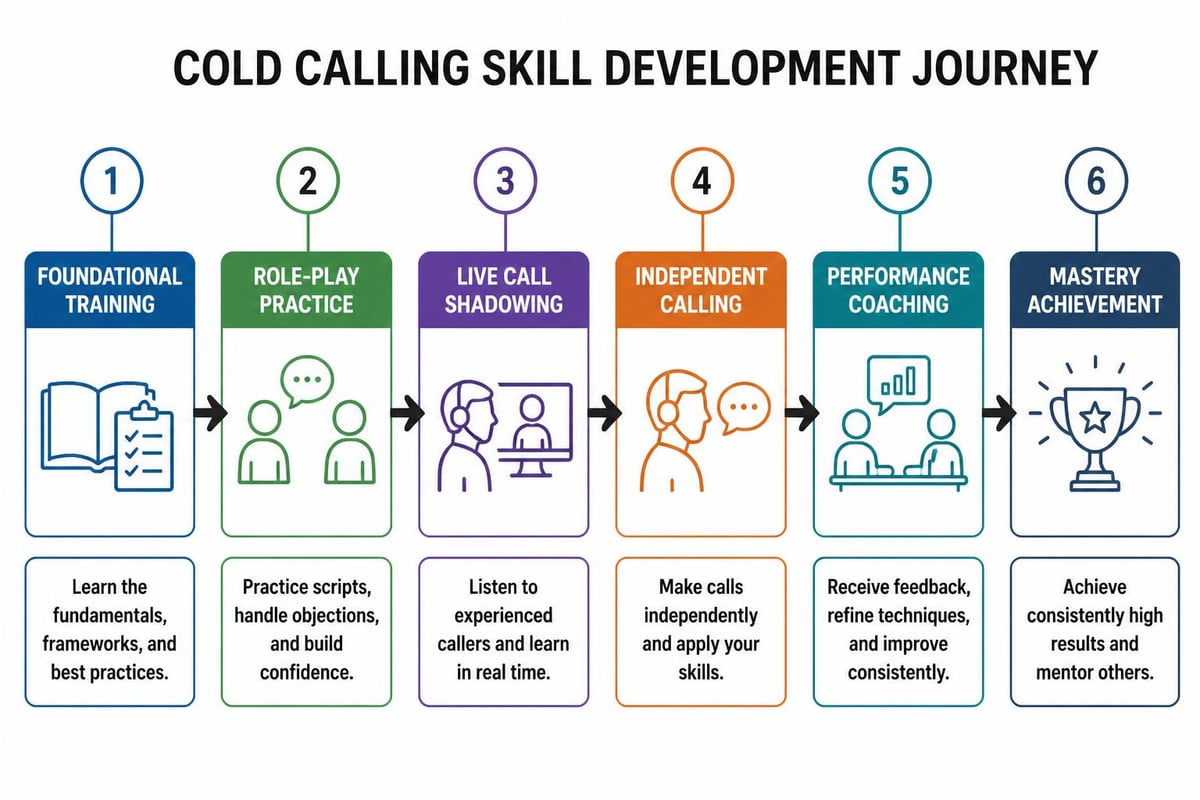
Training Your Team for Cold Calling Excellence
Individual talent matters, but systematic training creates consistent results across entire teams. The companies dominating with cold call leads invest heavily in ongoing skill development.
New hires should complete at least 40 hours of training before making their first real call. This includes product knowledge, buyer persona deep-dives, objection handling workshops, and extensive role-playing with experienced team members.
Continuous Improvement Strategies
Weekly call reviews where teams listen to recordings together accelerate learning. The format works best when it's collaborative rather than punitive, focusing on "what could make this even better" rather than criticism.
Implement call shadowing programs where junior team members listen to live calls from top performers. Hearing real-time decision-making provides insights that scripted training cannot replicate.
Create a knowledge base of successful call recordings, objection handling scripts, and industry-specific talking points. Tools like Hetaweb can help organize these resources into accessible digital libraries that sales teams actually use.
Monthly competitive call contests with meaningful prizes keep energy high and provide incentive for continuous improvement. Recognition matters as much as monetary rewards for many sales professionals.
Integrating Cold Calling With Multi-Channel Campaigns
The most successful lead generation strategies don't rely exclusively on cold calling. They use it as one element within coordinated campaigns that touch prospects through multiple channels.
A typical sequence might include:
- LinkedIn connection request with personalized note
- Cold call attempt #1 (leave voicemail referencing LinkedIn)
- Email with valuable content relevant to their industry
- Cold call attempt #2
- LinkedIn message following up on voicemail
- Cold call attempt #3
- Email case study showing results for similar companies
- Cold call attempt #4
This approach, detailed in comprehensive cold calling statistics, recognizes that modern buyers need multiple exposures before engaging. Each touchpoint builds familiarity and credibility.
LinkedIn B2B lead generation pairs particularly well with cold calling. Research prospects on LinkedIn before calling to identify mutual connections, recent posts they've engaged with, and career milestones that provide natural conversation hooks.
Email and Phone Synergy
When your email and calling efforts work in concert, conversion rates soar. Send an email that provides genuine value (industry research, relevant case study, useful tool) then call 2-3 days later referencing the email.
"Hi Sarah, I sent over that manufacturing efficiency report on Tuesday. Did you get a chance to review the section on reducing downtime? I thought it might be relevant given your recent expansion announcement."
This approach transforms you from interruptive stranger to helpful resource. Even if they didn't read the email, you've established that you're providing value, not just asking for their time.
Advanced Strategies for Cold Call Leads
Once you've mastered fundamentals, advanced techniques can push your results even higher. These approaches require more sophistication but deliver outsized returns.
Account-based calling focuses intense effort on high-value target accounts rather than casting wide nets. Instead of calling one person at a company, you orchestrate multi-threaded outreach to several stakeholders simultaneously, creating internal momentum.
Referral opening involves mentioning mutual connections or customers in your opening. "John Martinez at ABC Corp suggested I reach out…" immediately elevates credibility and attention.
Trigger event selling means calling prospects immediately after specific events like funding announcements, executive changes, expansion news, or competitor issues. These moments create heightened receptivity to new solutions.
Vertical Specialization
Generalist cold callers face significant disadvantages against specialists who deeply understand specific industries. When you speak the language of healthcare operations, manufacturing logistics, or financial services compliance, prospects recognize expertise immediately.
Develop industry-specific value propositions, case studies, and talking points. Follow trade publications and understand current challenges facing each vertical. This knowledge transforms cold calls into peer consultations.
Many businesses struggle with lead generation strategies because they attempt to be everything to everyone. Vertical focus creates competitive advantages that generic approaches cannot match.
Scaling Your Cold Calling Operation
Growth creates new challenges. The systems that work for two callers making 50 calls daily break down when scaling to ten callers making 100 calls each.
Standardization becomes critical. Document every process, from lead research through follow-up sequences. Create templates and scripts that provide structure while allowing personality. Build quality assurance checkpoints that catch problems before they multiply.
Hiring requires discipline. Look for specific traits beyond sales experience:
- Resilience – Ability to handle rejection without emotional impact
- Curiosity – Genuine interest in understanding prospect situations
- Discipline – Consistency in following processes and schedules
- Coachability – Openness to feedback and continuous improvement
- Empathy – Ability to read emotional cues and adjust accordingly
Many top cold callers come from unexpected backgrounds like teaching, customer service, or even performing arts. The skills that create sales success often develop outside traditional sales roles.
Consider outsourcing to specialized firms when internal scaling hits limits. Top lead generation companies can provide experienced calling teams, proven systems, and performance guarantees that reduce risk.
Avoiding Common Cold Calling Mistakes
Even experienced teams fall into traps that undermine results. Awareness of these pitfalls helps you avoid them:
Talking too much – Most failed calls feature sales reps dominating conversations. The 70/30 rule applies – prospects should talk 70% of the time after your opening.
Skipping research – Generic calls waste everyone's time. Invest 3-5 minutes researching each prospect before dialing.
Weak openings – "How are you today?" signals amateur hour. Start with relevance and value instead.
Giving up too early – Cold calling strategies emphasize persistence. Most sales happen after the 5th contact attempt, but most callers quit after 2-3 attempts.
Ignoring timing – Calling at wrong times guarantees poor results. Test different windows and track which produce best outcomes for your specific market.
Over-scripting – Scripts provide structure, but reading word-for-word sounds robotic. Memorize key phrases and frameworks, then speak naturally.
Poor CRM hygiene – Failing to log calls accurately creates chaos as teams grow. Make data entry non-negotiable from day one.
Neglecting follow-up – The fortune lives in follow-up. Most cold call leads require multiple touches before converting.
The Future of Cold Call Leads
Looking ahead, cold calling will continue evolving rather than disappearing. The integration of artificial intelligence is already transforming the landscape in significant ways.
AI-powered conversation intelligence analyzes thousands of calls to identify patterns in successful versus unsuccessful interactions. These insights inform training and strategy at levels impossible through manual review.
Predictive analytics help identify which cold call leads have highest conversion probability, allowing teams to prioritize efforts strategically. Machine learning models continuously improve as they process more data.
Voice technology advances mean AI can handle initial screening conversations, qualifying leads before human callers engage. This dramatically improves efficiency by ensuring sales professionals spend time only with genuinely interested prospects.
However, the human element remains irreplaceable. Complex B2B sales require emotional intelligence, creative problem-solving, and relationship-building that AI cannot replicate. The winning formula combines technological leverage with human excellence.
Businesses exploring AI tools for lead generation should view them as enhancement rather than replacement for skilled cold calling teams.
Mastering cold call leads requires commitment to systematic improvement, strategic use of technology, and unwavering focus on providing genuine value to prospects. The companies that approach cold calling as strategic discipline rather than volume game consistently achieve results that transform their growth trajectories. If you're ready to turn your cold call leads into a predictable revenue engine backed by AI-powered systems and proven methodologies, Adstra provides the guaranteed growth partnership that aligns our success with yours. Our transparent, value-driven approach combines advanced lead generation with automated appointment booking to fill your calendar with ready-to-buy prospects.