
In the rapidly evolving digital marketplace, mastering the demand funnel is your ticket to unlocking exponential business growth in 2026. Businesses that understand this powerful framework are already outpacing their competition and setting new standards for success.
This comprehensive guide is designed to give you a step-by-step roadmap to build, optimize, and fully leverage your demand funnel for scalable growth. You will discover the fundamentals, advanced optimization methods, trend predictions for 2026, and real-world examples to fuel your strategy.
Ready to future-proof your growth? Dive in and explore proven strategies that deliver results, inspire action, and position your company ahead of the curve.
Understanding the Demand Funnel: Foundations & Frameworks
Unlocking growth in 2026 starts with a deep understanding of the demand funnel. Mastering this concept empowers businesses to convert interest into real revenue with precision and predictability. Let’s break down the foundations, stages, relevance, and success metrics of the demand funnel so you can build a future-proof strategy.
What is a Demand Funnel?
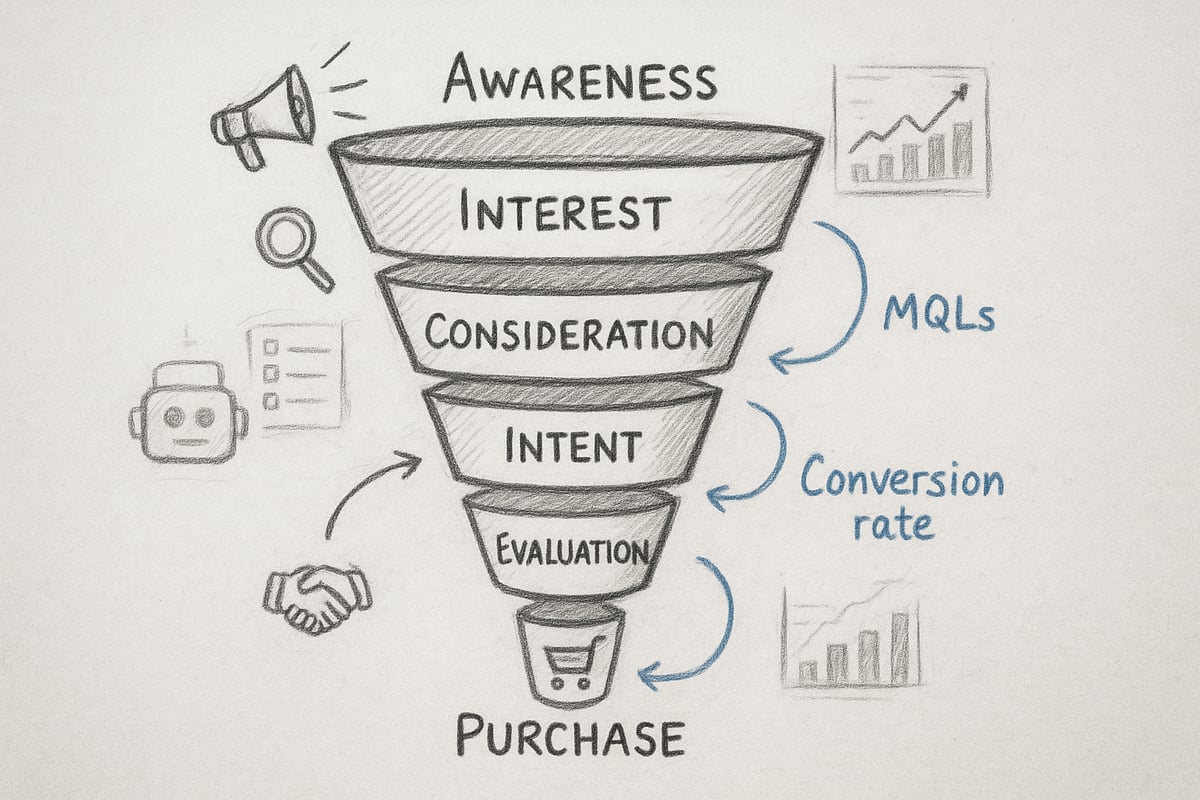
A demand funnel is a strategic framework that guides potential customers from initial awareness to final purchase. Unlike a sales funnel, which focuses narrowly on closing deals, or a marketing funnel, which emphasizes generating interest, the demand funnel brings both together for a holistic approach. Its core objectives include nurturing leads, qualifying potential buyers, and driving conversions.
Many assume the demand funnel is just another name for the sales funnel, but this is a common misconception. The demand funnel is broader, encompassing all buyer interactions before and after sales engagement. For a deeper dive into foundational principles, check out Demand Generation Strategies.
Stages of the Demand Funnel
The demand funnel unfolds across six distinct stages:
- Awareness: Capturing attention through content or ads.
- Interest: Engaging prospects with educational resources.
- Consideration: Providing detailed comparisons and solutions.
- Intent: Identifying signals of purchase readiness.
- Evaluation: Addressing objections and offering proof.
- Purchase: Securing the final commitment.
In B2B, a software company might nurture leads with webinars and whitepapers before scheduling demos. In B2C, an online retailer guides shoppers from social media ads to product reviews and finally to checkout. Each stage plays a unique role in moving prospects closer to becoming customers within the demand funnel.
Why Demand Funnels Matter in 2026
In 2026, the demand funnel is more critical than ever. Buyers are taking longer to make decisions, often researching multiple solutions before reaching out. Digital transformation and AI have made the buyer journey more complex, requiring businesses to stay agile.
According to Gartner (2023), 74% of buyers now conduct more research before contacting sales. This shift demands personalized, multi-touch engagement strategies. Companies that invest in a robust demand funnel can adapt to evolving behaviors, gain trust, and remain competitive in a crowded market.
Core Metrics for Funnel Success
Measuring the performance of your demand funnel is essential for predictable growth. Key metrics include:
| Metric | Description | Benchmark |
|---|---|---|
| MQLs | Marketing-qualified leads | 10-20% of leads |
| SQLs | Sales-qualified leads | 5-10% of leads |
| Conversion Rate | Leads to customers | 2-5% |
| Velocity | Speed through funnel stages | <30 days (B2B) |
| CAC | Customer acquisition cost | Varies by sector |
Data-driven decision making ensures continuous improvement and higher ROI. High-performing demand funnels consistently outperform by tracking, analyzing, and optimizing these core metrics.
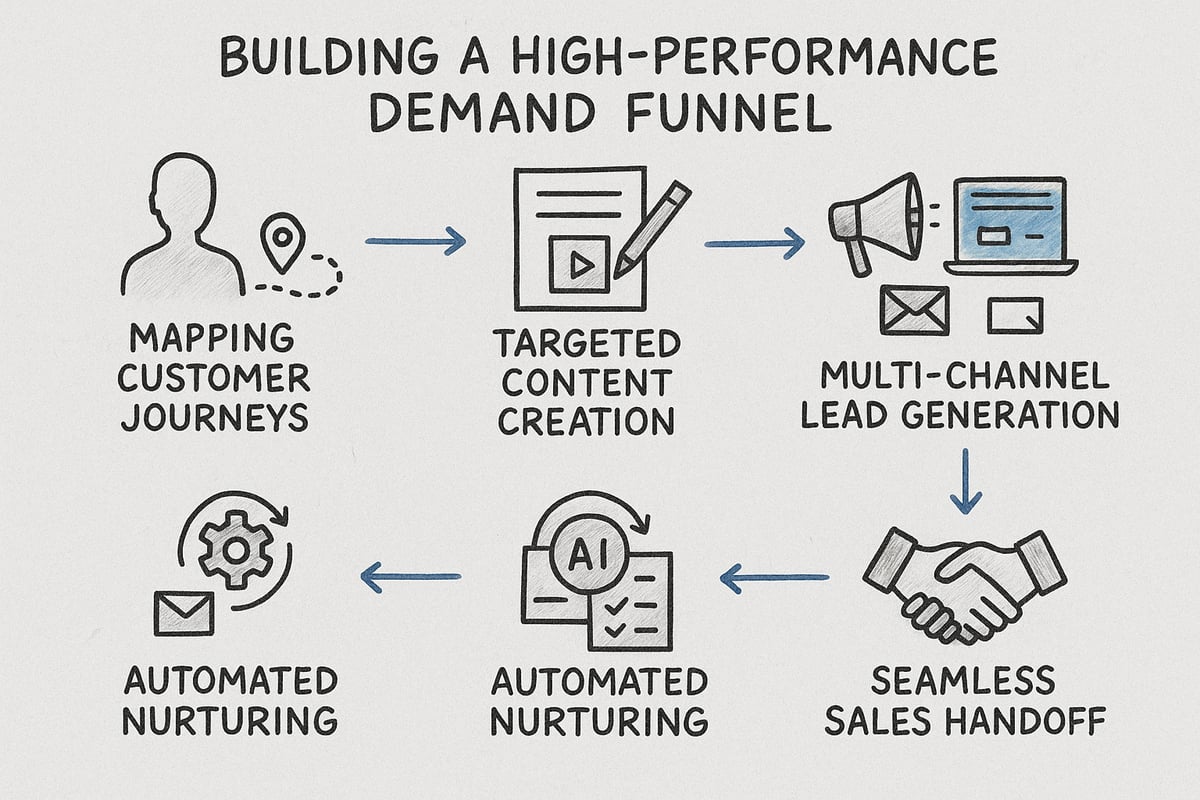
Step-by-Step: Building a High-Performance Demand Funnel
Unlocking scalable growth begins with a strategic approach to your demand funnel. Let’s break down each step so you can build, optimize, and leverage a funnel that delivers predictable results.
Step 1: Mapping the Customer Journey
Start with a clear map of your ideal buyer’s journey. This foundation ensures every stage of your demand funnel meets real customer needs.
Identify and document:
- Buyer personas: demographics, goals, challenges
- Key pain points at each stage
- Decision-making triggers and objections
Use mapping tools like Lucidchart or Miro to visualize touchpoints and interactions. A well-mapped journey highlights where leads enter, what motivates them, and where they might drop off. This clarity makes your demand funnel more efficient from the start.
Step 2: Creating Targeted Content for Each Funnel Stage
High-converting demand funnels deliver the right message at the perfect moment. Build content tailored to each stage to move prospects forward.
Content types by stage:
- Awareness: blog posts, infographics, guides
- Consideration: comparison sheets, webinars, case studies
- Decision: demos, testimonials, free trials
Personalize content using audience data and automation. For example, a SaaS company might send targeted case studies to mid-funnel leads. This approach ensures your demand funnel nurtures and qualifies leads with content that resonates.
Step 3: Multi-Channel Lead Generation Tactics
To maximize your demand funnel, diversify your lead generation across multiple channels. Relying on one channel limits reach and slows growth.
Effective channels include:
- Paid: search ads, social ads, sponsored content
- Organic: SEO, social media, content marketing
- Offline: events, trade shows, direct mail
Integrate online and offline touchpoints for a seamless experience. According to HubSpot, multi-channel campaigns can boost lead volume by 47 percent. This holistic approach feeds your demand funnel with quality leads from various sources.
Step 4: Lead Qualification & Scoring
Not all leads are created equal. Your demand funnel should qualify and score leads to prioritize those most likely to convert.
Key qualification criteria:
- Demographic fit: job title, industry, company size
- Behavioral signals: downloads, event attendance, site visits
- Engagement level: email opens, webinar participation
Leverage AI-powered lead scoring tools to automate this process. For instance, predictive models can surface high-intent leads, allowing your sales team to focus on the best opportunities in the demand funnel.
Step 5: Nurturing Leads Through Automation
Automation is the engine that keeps your demand funnel moving. Use strategic nurturing tactics to guide leads toward conversion.
Top automation strategies:
- Email drip campaigns
- Retargeting ads based on behavior
- Personalized workflows triggered by user actions
Personalization at scale increases engagement by up to 30 percent. Automated nurturing ensures every lead in your demand funnel receives relevant, timely follow-ups, increasing the chance of conversion.
Step 6: Handover to Sales & Closing the Loop
Seamless alignment between marketing and sales is crucial for a high-performance demand funnel. Clear communication and well-defined processes prevent leads from slipping through the cracks.
Best practices include:
- Service level agreements (SLAs) between teams
- Closed-loop reporting for accountability
- Tools like Salesforce and HubSpot for handoff
For advanced optimization, explore strategies highlighted in Funnel Optimization in Digital Marketing. A strong feedback loop between teams ensures your demand funnel continuously improves, driving predictable, scalable growth.
Optimizing Your Demand Funnel for Predictable Growth
Fine-tuning your demand funnel is crucial for achieving consistent, scalable business results. Optimization is not a one-time event—it’s a continuous process of analyzing, testing, personalizing, and adapting to maximize every opportunity for growth.
Funnel Analysis & Bottleneck Identification
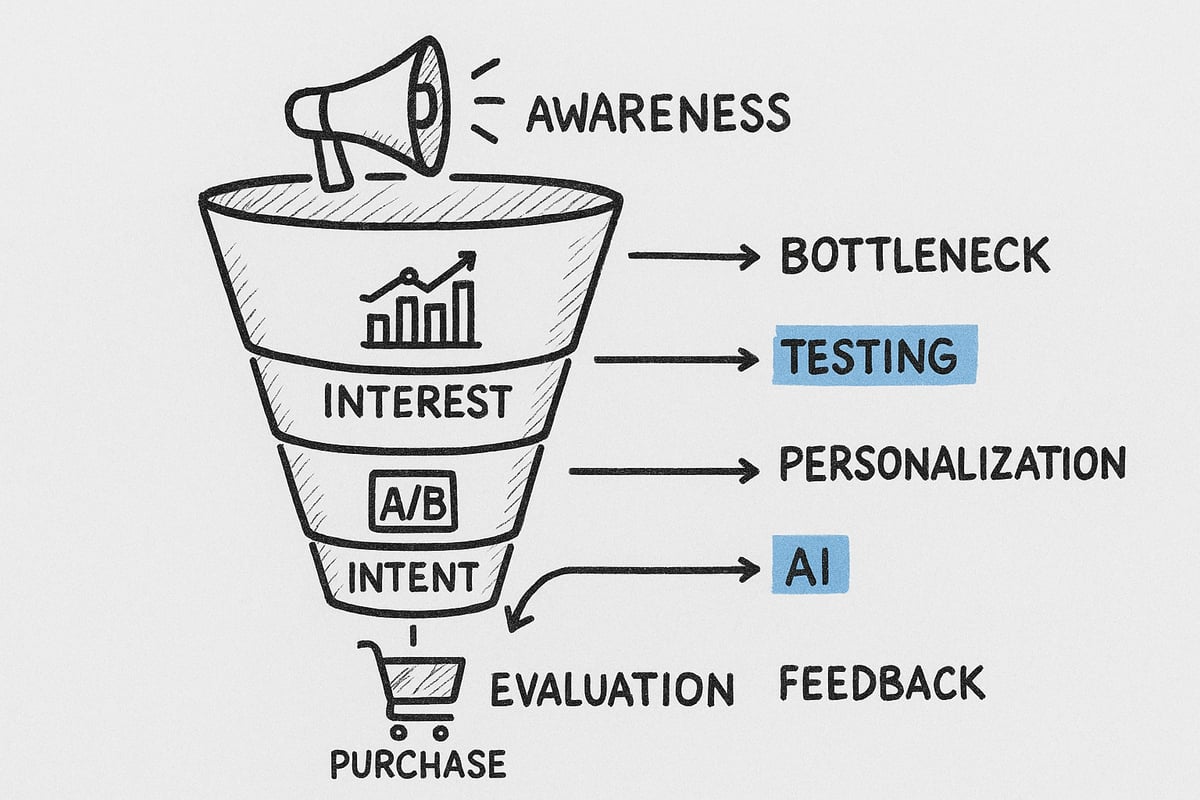
Every high-performing demand funnel starts with thorough analysis. Use analytics dashboards to monitor each stage, looking for sharp drop-offs or stagnation. Common bottlenecks include low conversion rates between stages, excessive time spent in one phase, or leads getting stuck without progressing.
Here’s a simple table to summarize potential bottlenecks:
| Funnel Stage | Common Bottlenecks | Quick Fix |
|---|---|---|
| Awareness | Low traffic, poor targeting | Refine audience targeting |
| Consideration | Low engagement | Upgrade content offers |
| Evaluation | Stalled leads | Add nurturing touchpoints |
Regularly reviewing these metrics allows you to keep your demand funnel healthy and efficient. The earlier you spot issues, the faster you can remove obstacles and boost results.
A/B Testing & Experimentation
To maximize the impact of your demand funnel, run A/B tests consistently. Experiment with different calls to action, landing pages, and messaging. Testing even small elements—like button colors or headline wording—can lead to significant conversion gains.
Did you know companies that frequently A/B test see up to 20 percent higher conversions? Start simple: split your audience, change a single variable, measure results, and repeat.
- Test CTAs for clarity and urgency
- Compare landing page layouts
- Try different email subject lines
A culture of experimentation transforms your demand funnel from static to dynamic, allowing you to respond to shifting customer behaviors.
Personalization and Segmentation Strategies
Personalization is the fuel that powers a modern demand funnel. Segment your audience by behavior, demographics, or firmographics, and serve content that speaks directly to their needs.
Dynamic content—like personalized email sequences or tailored landing pages—delivers higher engagement than generic blasts. For example, sending a product demo to high-intent leads and a how-to guide to new prospects makes every interaction count.
Effective segmentation ensures your demand funnel delivers the right message to the right person, increasing conversion rates and building long-term loyalty.
Leveraging AI and Automation Tools
AI and automation are transforming the demand funnel landscape. Use AI-driven lead scoring to prioritize high-potential prospects, and deploy chatbots for instant engagement. Predictive analytics can forecast which leads are most likely to convert, allowing you to focus resources where they matter most.
For a deeper dive into how automation and AI are reshaping growth strategies, check out AI and Funnels for Sales Growth.
Automation tools streamline repetitive tasks, freeing your team to concentrate on strategy and creative outreach. Embracing these technologies gives your demand funnel a competitive edge.
Continuous Feedback and Iteration
Optimization never stops. Collect feedback from both sales teams and customers to uncover new improvement areas in your demand funnel. Schedule regular funnel audits, using an agile approach to test, refine, and implement changes fast.
- Hold quarterly funnel review sprints
- Survey customers for pain points
- Align sales and marketing on key metrics
Constant iteration ensures your demand funnel adapts to industry trends and buyer expectations. The result? Predictable growth and a future-proofed strategy.
Future Trends: Demand Funnel Strategies for 2026 & Beyond
The future of the demand funnel is being shaped by rapid technological innovation, evolving buyer expectations, and tighter regulations. To stay ahead, businesses must anticipate these shifts and adapt their strategies now. Let’s explore the trends redefining demand funnel success for 2026 and actionable steps you can take today.
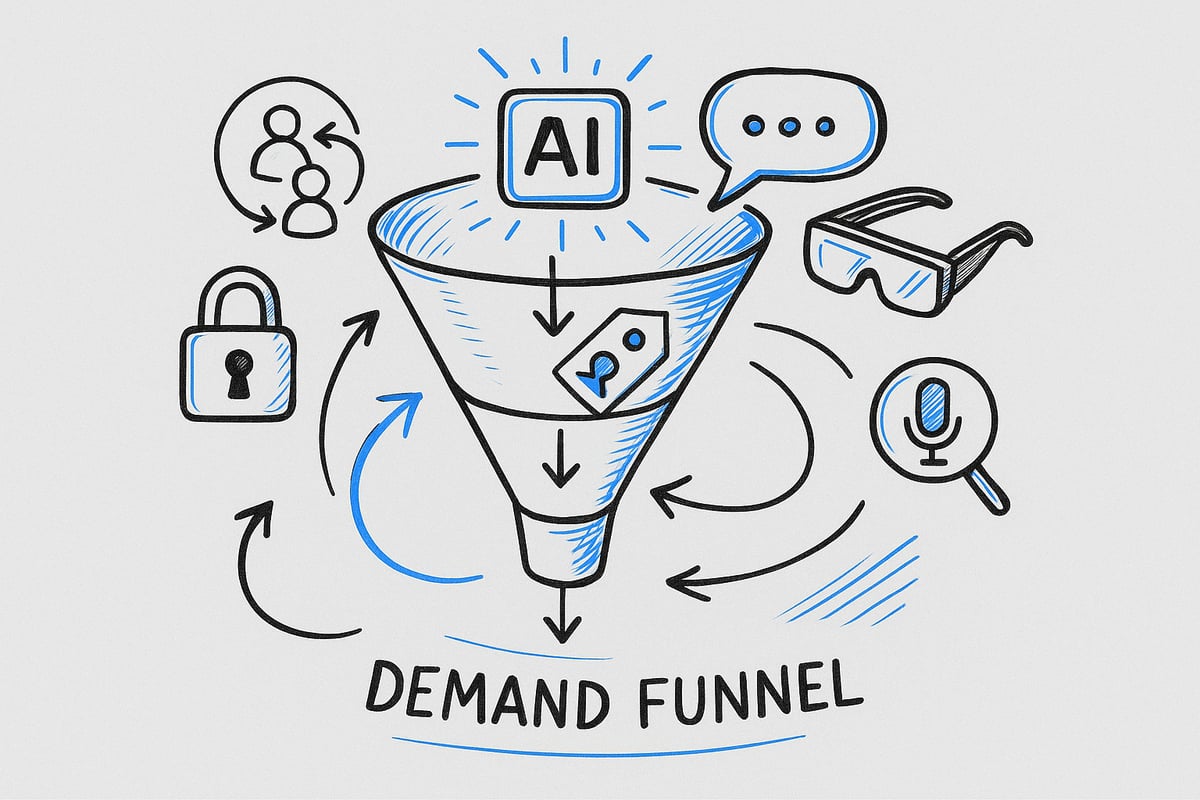
AI and Predictive Analytics in Funnel Management
Artificial intelligence is revolutionizing the demand funnel by enabling organizations to anticipate buyer needs before they arise. Predictive lead scoring leverages behavioral data and AI models to prioritize prospects with the highest conversion potential. Smart content recommendations guide buyers through the funnel with hyper-relevant touchpoints, increasing engagement and accelerating decision-making. For example, AI-driven platforms are now boosting conversion rates by up to 35%. To future-proof your demand funnel, invest in advanced analytics and automation tools that learn and adapt as your audience evolves. For a deeper dive into what’s next, explore AI Marketing Trends 2026–2030.
Hyper-Personalization and Real-Time Engagement
In 2026, the demand funnel will be defined by hyper-personalized, real-time buyer experiences. Leveraging data from multiple channels, marketers can tailor every touchpoint, from dynamic website content to interactive video and live chat. Real-time engagement—like instant product demos or AI-powered chatbots—keeps prospects moving forward, reducing friction and building trust. Did you know that 80% of consumers are more likely to buy from brands offering personalized experiences? To stand out, ensure your demand funnel delivers the right message, at the right time, through the right channel for every individual.
Data Privacy, Compliance, and Trust
As the demand funnel becomes more data-driven, compliance with evolving regulations such as GDPR and CCPA is non-negotiable. Buyers expect transparency and control over their information. To build trust, implement ethical data collection practices and communicate privacy policies clearly at every funnel stage. Use consent management tools and regularly audit your data flows. A trustworthy demand funnel not only meets legal requirements but also strengthens your brand’s reputation and increases conversion rates as customers feel safe and respected throughout their journey.
Integrated Revenue Operations (RevOps)
Integrated Revenue Operations is transforming demand funnel management by breaking down silos between marketing, sales, and customer success. Aligning teams around unified data and shared KPIs ensures a seamless buyer journey and maximizes revenue impact. Companies adopting RevOps have reported 19% faster growth, thanks to streamlined processes and clear accountability. To harness this trend, audit your current operations, invest in cross-functional training, and implement platforms that centralize funnel data. This holistic approach empowers your teams to deliver consistent, high-value experiences at every stage of the demand funnel.
Emerging Technologies & Omnichannel Funnels
Emerging technologies are pushing the boundaries of the demand funnel. Augmented reality, voice search, and conversational marketing are creating new, immersive buyer experiences. Omnichannel strategies ensure buyers receive consistent messaging and seamless transitions across platforms, whether they interact via mobile, desktop, in-store, or through smart devices. According to Deloitte’s 2026 TMT Predictions, these innovations will drive the next wave of funnel optimization. Stay agile, experiment with new channels, and be ready to adapt your demand funnel as technology and buyer preferences continue to evolve.
Real-World Examples: Demand Funnel Success Stories
Unlocking the power of a well-structured demand funnel is more than theory—it’s a proven path to results. Let’s break down how leading organizations across industries have built, optimized, and leveraged their demand funnel for real growth.
B2B SaaS: From Lead to Loyal Customer
A fast-growing SaaS provider mapped its demand funnel to align marketing and sales from the first touch to customer onboarding. Using persona-driven messaging, they attracted leads through targeted webinars and gated content. Automated lead scoring identified high-potential prospects, while personalized email sequences nurtured interest.
Key tactics included:
- Leveraging case studies at the consideration stage
- Integrating a CRM for seamless handoff
- Regular analysis of funnel stage performance
By optimizing each demand funnel stage, this SaaS company increased its lead-to-customer conversion rate by 40%. For a deeper dive into the mechanics behind these stages, see Funnel Stages in Sales.
E-commerce: Personalization at Scale
A leading e-commerce retailer reimagined its demand funnel to boost average order value and retention. The team deployed AI-powered product recommendations and dynamic content, tailoring experiences for both high-ticket and impulse buyers.
Their approach involved:
- Real-time personalization of homepage and cart
- Behavioral-triggered emails and retargeting ads
- Segmenting audiences by purchase intent
This strategy delivered results: personalized demand funnel campaigns drove a 60% higher average order value. The retailer’s success underscores how critical tailored engagement is at every funnel stage, especially as consumer expectations rise.
Enterprise: Complex Buyer Journeys
An enterprise software firm faced long sales cycles and multiple decision-makers. To optimize its demand funnel, the company used account-based marketing and multi-touch attribution. This ensured every stakeholder received relevant information at the right time.
Key steps included:
- Mapping buyer journeys for each persona
- Aligning sales and marketing on funnel KPIs
- Using analytics to track touchpoints and engagement
The result? By refining its demand funnel, the enterprise reduced its sales cycle by 25% and improved win rates. This shows the importance of adapting funnel strategies for complex, multi-layered buying processes.
Common Pitfalls & Lessons Learned
Even top performers make mistakes with their demand funnel. Common pitfalls include misaligned sales and marketing teams, poor data hygiene, and failing to iterate based on analytics.
Actionable lessons:
- Regularly audit and update funnel stages
- Foster open communication between teams
- Prioritize data-driven decisions
Avoiding these traps ensures your demand funnel remains agile and effective, driving sustained growth in any industry.
Now that you’ve seen how a well-structured demand funnel can transform cold prospects into loyal customers and future-proof your growth strategy for 2026, why not take the next step? If you’re ready to put these proven tactics into action and see how Adstra’s AI-driven approach can fill your pipeline with qualified leads, let’s chat about your unique goals. You don’t have to navigate this alone—we’ve helped businesses just like yours unlock predictable revenue and scale faster than ever. Want tailored advice for your business? Book a FREE Strategy Call and let’s map out your growth journey together.