


Every business generates leads, but only the smartest ones master the art of converting them. The difference between companies that struggle and those that thrive often comes down to one critical metric: lead conversion. You can pour thousands into advertising and fill your pipeline with prospects, but if you're not turning those leads into paying customers, you're essentially burning money. The reality is harsh: according to recent data, the average lead conversion rate across industries hovers around 2-3%, meaning 97% of your hard-earned leads might slip through your fingers without a strategic approach. Understanding how to systematically move prospects through your sales funnel and transform interest into revenue is what separates market leaders from everyone else.
Understanding What Drives Lead Conversion Success
Lead conversion represents the percentage of prospects who take a desired action, whether that's making a purchase, booking a consultation, or signing a contract. It's the ultimate measure of how effectively your sales and marketing systems work together.
The fundamentals of lead conversion revolve around three core principles: timing, relevance, and trust. When you contact a lead matters just as much as what you say. Research shows that responding to inquiries within the first five minutes increases conversion chances by 900% compared to waiting even an hour.
The Psychology Behind Conversion Decisions
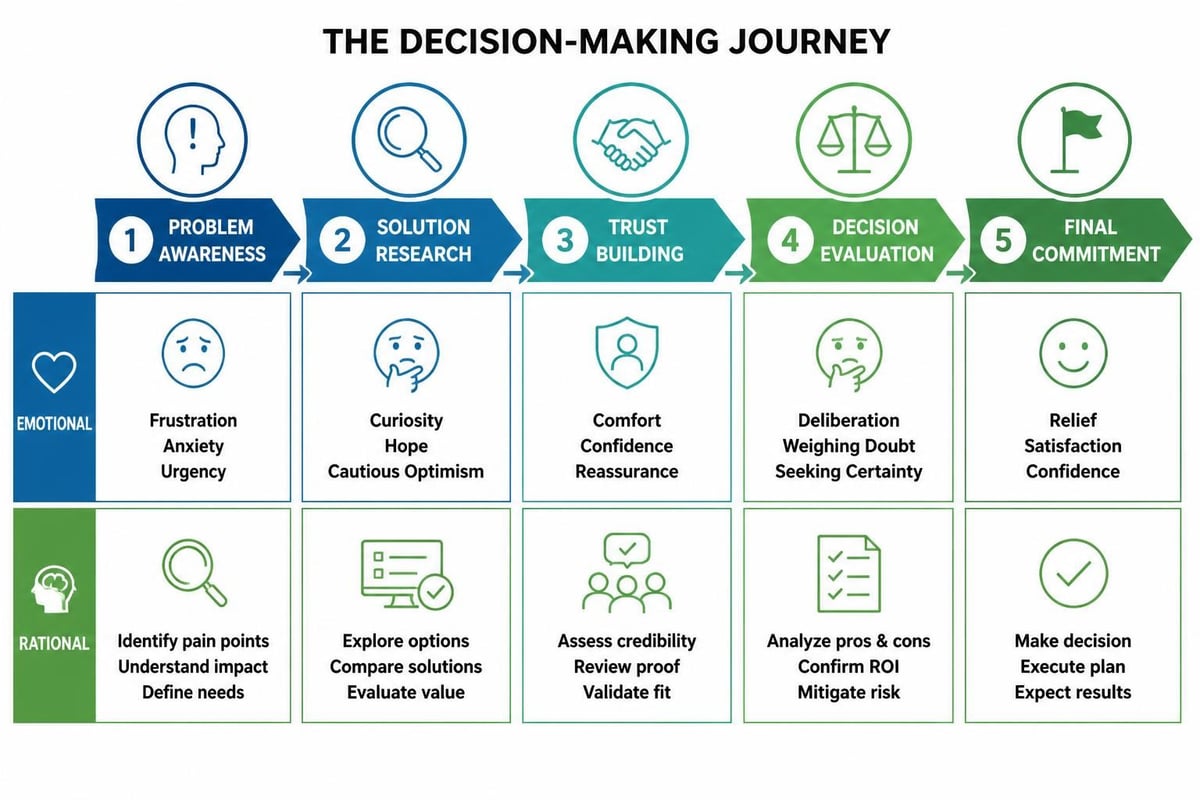
People don't buy products or services. They buy solutions to problems, transformations, and peace of mind. Understanding the psychological triggers that move someone from consideration to commitment gives you an unfair advantage.
Key psychological factors influencing conversion:
- Social proof and validation from peers
- Fear of missing out on opportunities
- Desire to solve immediate pain points
- Trust built through consistent communication
- Perception of value exceeding cost
Your lead conversion strategy must address these emotional and rational decision-making factors simultaneously. When prospects feel understood, supported, and confident in their choice, conversion becomes a natural next step rather than a difficult decision.
Building a High-Performance Lead Conversion System
Creating a systematic approach to lead conversion eliminates guesswork and produces predictable results. The most successful businesses treat conversion as a science, not an art, measuring every touchpoint and optimizing continuously.
Your conversion system should map directly to how buyers actually make decisions, not how you wish they would. This means understanding the specific journey your ideal customers take from awareness to purchase and designing interventions that guide them forward at each stage.
Essential Components of Your Conversion Framework
1. Lead Qualification Process
Not every lead deserves equal attention. Implementing a qualification system helps you focus resources where they'll generate the highest return. Using frameworks like BANT (Budget, Authority, Need, Timeline) or CHAMP (Challenges, Authority, Money, Prioritization) ensures your team pursues genuinely interested prospects.
2. Speed-to-Lead Protocol
Every minute you delay responding to a new inquiry costs you money. Establishing automated acknowledgment systems and instant notification protocols for your sales team creates competitive advantages. Optimizing your lead generation tools with automation ensures no opportunity falls through the cracks.
3. Multi-Channel Nurture Sequences
Single-touch conversion is rare. Most prospects need multiple interactions across different channels before they're ready to buy. Your nurture sequences should include:
| Channel | Purpose | Timing |
|---|---|---|
| Educational content and value delivery | Ongoing, 3-5 touches per week | |
| Phone | Personal connection and objection handling | Day 1, 3, 7, 14 |
| SMS | Appointment reminders and quick updates | Strategic moments only |
| Retargeting Ads | Staying top-of-mind across platforms | Continuous during active consideration |
4. Personalization at Scale
Generic messaging kills conversion rates. Modern prospects expect communications that speak directly to their specific situation, industry, and challenges. AI-powered systems now make true personalization possible even with thousands of leads in your pipeline.
Proven Lead Conversion Strategies for 2026
The landscape of lead conversion continues to evolve as buyer behaviors shift and new technologies emerge. What worked three years ago barely moves the needle today. Implementing current lead conversion strategies keeps you ahead of competitors still using outdated playbooks.
Strategy #1: Conversational Marketing
Chatbots and live chat aren't just customer service tools anymore. They're powerful conversion engines that engage prospects at peak interest moments. When someone visits your pricing page or explores case studies, having an intelligent conversation starter can capture that intent immediately.
The key is making these interactions feel human and helpful, not robotic. Your chat sequences should qualify leads, answer common questions, and smoothly transition to booking conversations with your sales team.
Strategy #2: Video Personalization
Text-based emails get ignored. Generic video messages feel impersonal. But personalized video messages that address prospects by name, reference their specific business, and offer tailored solutions generate response rates up to 500% higher than traditional outreach.
Tools now make recording dozens of personalized videos per day feasible. Your sales team can leverage this medium to stand out in crowded inboxes and build genuine connections before the first live conversation.
Strategy #3: Intent-Based Engagement
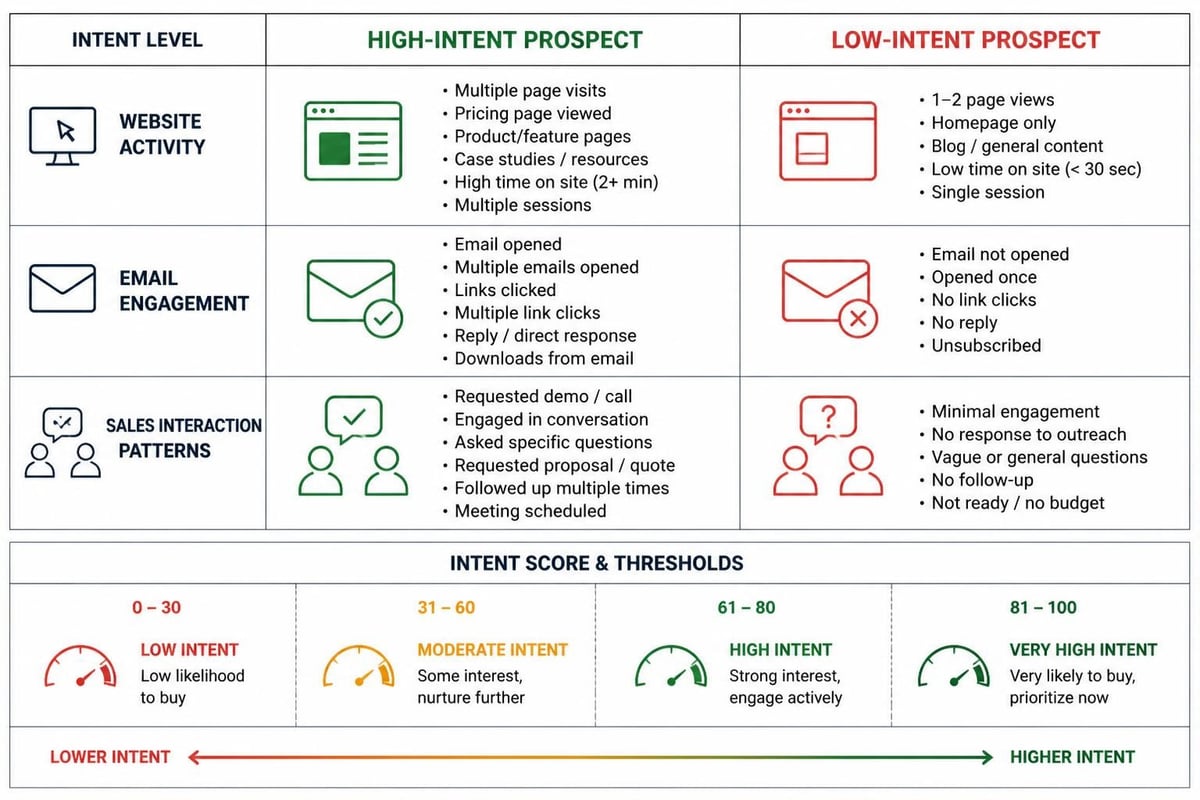
Not all website visits signal buying intent. Someone reading a blog post about industry trends differs dramatically from someone reviewing your service packages and pricing three times in one week. Modern tracking systems identify high-intent behaviors, allowing you to prioritize hot prospects.
Implementing effective marketing platforms with robust intent tracking ensures your team knows exactly when to strike. This intelligence transforms lead conversion from random luck into predictable science.
Strategy #4: Social Proof Integration
Trust shortens sales cycles and increases conversion rates. Strategically placing testimonials, case studies, and success metrics throughout your buyer's journey reduces skepticism and builds confidence.
Most effective social proof elements:
- Video testimonials from similar businesses
- Specific revenue or efficiency gains with numbers
- Industry recognition and awards
- Client logos from recognizable brands
- Third-party review platform ratings
Don't just collect testimonials. Deploy them strategically at conversion friction points where prospects typically hesitate or raise objections.
Strategy #5: Risk Reversal Mechanisms
Fear of making the wrong decision paralyzes prospects. Offering guarantees, free trials, or money-back assurances removes this barrier and accelerates commitment. The psychology is simple: when prospects feel they can't lose, they're far more likely to act.
This approach is particularly powerful in the lead generation industry where results vary and skepticism runs high. Businesses willing to put skin in the game through performance guarantees automatically differentiate themselves.
Optimizing Your Lead Conversion Funnel
Conversion optimization never stops. Every interaction point in your funnel contains opportunities for improvement. The best practices for lead conversion emphasize continuous testing and refinement rather than "set it and forget it" approaches.
Mapping the Complete Buyer Journey
Before optimizing anything, you must understand the actual path prospects take from first awareness to closed sale. This requires data collection and analysis across all touchpoints.
Critical metrics to track at each funnel stage:
| Funnel Stage | Key Metrics | Conversion Benchmark |
|---|---|---|
| Awareness | Traffic sources, bounce rate | 40-60% engagement rate |
| Interest | Content downloads, email signups | 10-20% conversion to lead |
| Consideration | Sales calls booked, demos requested | 30-50% qualified lead rate |
| Decision | Proposals sent, negotiations started | 20-30% close rate |
| Purchase | Contracts signed, revenue generated | 15-25% overall conversion |
Understanding where prospects drop off reveals exactly where to focus optimization efforts. A 5% improvement in just one stage can dramatically impact overall lead conversion rates.
A/B Testing Your Way to Higher Conversions
Assumptions kill performance. Testing reveals truth. Every element of your conversion process deserves systematic experimentation to discover what actually works with your specific audience.
Start with high-impact elements before diving into minor details. Test your value proposition, headline messaging, and call-to-action placement before worrying about button colors or font choices.
Landing Page Optimization Fundamentals
Your landing pages carry enormous conversion responsibility. Search experience optimization for lead conversion ensures these critical pages align with prospect intent and remove friction from the conversion process.
Landing page elements that maximize conversions:
- Clear, benefit-focused headlines that match ad messaging
- Scannable content with bullets and short paragraphs
- Trust signals prominently displayed above the fold
- Single, obvious call-to-action without competing distractions
- Mobile-optimized design with fast load times
- Forms that request only essential information
The average business loses 70% of potential conversions through poor landing page design. Every second of load time decreases conversions by 7%. These technical details matter enormously to your bottom line.
Leveraging Technology for Conversion Excellence
Manual lead conversion processes can't scale efficiently. The most successful businesses in 2026 leverage intelligent automation and AI systems to handle repetitive tasks while freeing human sales teams for high-value interactions.
Modern B2B lead generation companies use technology stacks that integrate seamlessly across marketing, sales, and customer success functions. This integration ensures no lead falls through cracks between departments.
CRM Systems as Conversion Command Centers
Your CRM shouldn't just store contact information. It should orchestrate your entire lead conversion operation, triggering automated sequences, alerting team members, and providing intelligence that informs every interaction.
Advanced CRM implementations track every email opened, every link clicked, and every page viewed, creating detailed prospect profiles that guide personalized outreach. When your sales team knows exactly what interests each lead, conversations become consultative rather than pushy.
AI-Powered Lead Scoring and Routing
Not all leads convert at the same rate. Predictive lead scoring uses machine learning to analyze thousands of data points and identify which prospects most closely resemble your best customers.
This intelligence allows you to route high-probability leads to your best closers while nurturing lower-scoring prospects with automated sequences until they demonstrate stronger buying signals. The efficiency gains are substantial: top performers report 50% increases in lead conversion after implementing AI scoring.
Automation Without Losing the Human Touch
The goal isn't replacing humans with robots. It's augmenting human capabilities with intelligent systems that handle routine tasks flawlessly. Effective strategies for getting new customers balance automation efficiency with genuine relationship building.
Your automated sequences should feel personal and timely. Use dynamic content insertion, behavioral triggers, and intelligent timing to ensure each touchpoint adds value rather than creating spam. When automation is done right, prospects can't tell whether they're interacting with a system or a person.
Measuring and Improving Lead Conversion Performance
What gets measured gets improved. Without clear metrics and regular analysis, you're flying blind. The calculation and optimization of lead conversion rates provides the foundation for data-driven decision making.
Essential Conversion Metrics to Track Daily
Lead velocity rate: How quickly your pipeline is growing month-over-month. This forward-looking metric predicts future revenue better than lagging indicators.
Time to conversion: How long prospects take to move from initial contact to closed deal. Shortening this cycle improves cash flow and resource efficiency.
Cost per acquisition: Total marketing and sales spend divided by new customers acquired. This metric determines the sustainability of your growth.
Conversion rate by source: Not all lead sources convert equally. Identifying which channels produce the highest quality prospects allows intelligent budget allocation.
Lead response time: Average speed from inquiry to first meaningful contact. This metric alone can double conversion rates when optimized.
Building a Conversion Improvement Culture
Sustainable lead conversion excellence requires organizational commitment beyond individual tactics. Your entire team must embrace testing, learning, and continuous improvement as core values.
Hold regular conversion reviews where teams analyze wins, losses, and lessons learned. Create safe environments for experimenting with new approaches. Reward data-driven decision making and intelligent risk-taking.
Advanced Lead Conversion Tactics for Competitive Markets
When basic strategies become table stakes, advanced tactics create separation. These approaches require more sophistication but deliver outsized returns in crowded markets.
Account-Based Conversion Strategies
For high-value B2B sales, treating each prospect account as a market of one dramatically improves conversion rates. This requires researching specific account needs, customizing messaging, and coordinating multi-threaded outreach across the buying committee.
Account-based approaches typically generate 3-5x higher conversion rates than generic prospecting, though they require more upfront investment per opportunity. The economics work when average deal sizes justify the additional effort.
Retargeting Sequences That Actually Convert
Most retargeting campaigns simply remind prospects your brand exists. Advanced sequences deliver progressive value, addressing specific objections and moving prospects forward through educational content staged across multiple touchpoints.
Someone who visited your pricing page but didn't convert shouldn't see the same ad as someone who read a blog post. Sophisticated segmentation and messaging alignment based on demonstrated intent produces conversion optimization results far exceeding basic remarketing.
Strategic Urgency and Scarcity
Artificial urgency feels manipulative and damages trust. Strategic urgency based on genuine constraints respects prospects while encouraging timely decisions.
Limited-time bonuses, seasonal capacity constraints, or price increases tied to external factors create legitimate reasons to act now rather than later. The key is authenticity: never create false scarcity that prospects can see through.
Partnership and Referral Conversion Plays
Your existing customers represent your highest-converting lead source. Referred prospects convert 30-50% higher than cold leads because trust transfers from the referrer.
Building systematic referral generation into your customer success process creates a self-sustaining growth engine. Make referring easy, reward generosity appropriately, and close the loop by updating referrers on outcomes.
Common Lead Conversion Mistakes to Avoid
Even experienced businesses make critical errors that sabotage conversion rates. Recognizing these pitfalls helps you avoid expensive mistakes.
Focusing on quantity over quality: Filling your pipeline with unqualified leads wastes resources and demoralizes sales teams. Better to have fewer high-quality prospects than thousands of tire-kickers.
Inconsistent follow-up: Studies show 80% of sales require five or more follow-up attempts, yet most salespeople give up after two. Persistence distinguishes winners from everyone else.
Ignoring objections: When prospects raise concerns, they're often asking for reassurance, not declining. Addressing objections directly and confidently often converts skeptics into customers.
Over-complicating the buying process: Every extra form field, additional step, or unclear instruction costs you conversions. Ruthlessly simplify everything standing between prospects and purchase decisions.
Neglecting existing leads for new ones: Mastering lead conversion strategies means working your current pipeline systematically before chasing new opportunities. The gold is often in follow-up, not prospecting.
Transforming leads into customers requires strategic systems, persistent execution, and continuous optimization across every touchpoint in your buyer's journey. The businesses that dominate their markets in 2026 treat lead conversion as a core competency, not an afterthought. If you're ready to stop wasting leads and start converting prospects into revenue predictably, Aletto provides the AI-powered systems, proven strategies, and guaranteed partnership approach that transforms your pipeline into profits. Our performance-based model means we only win when you do, aligning our interests completely with your growth objectives.