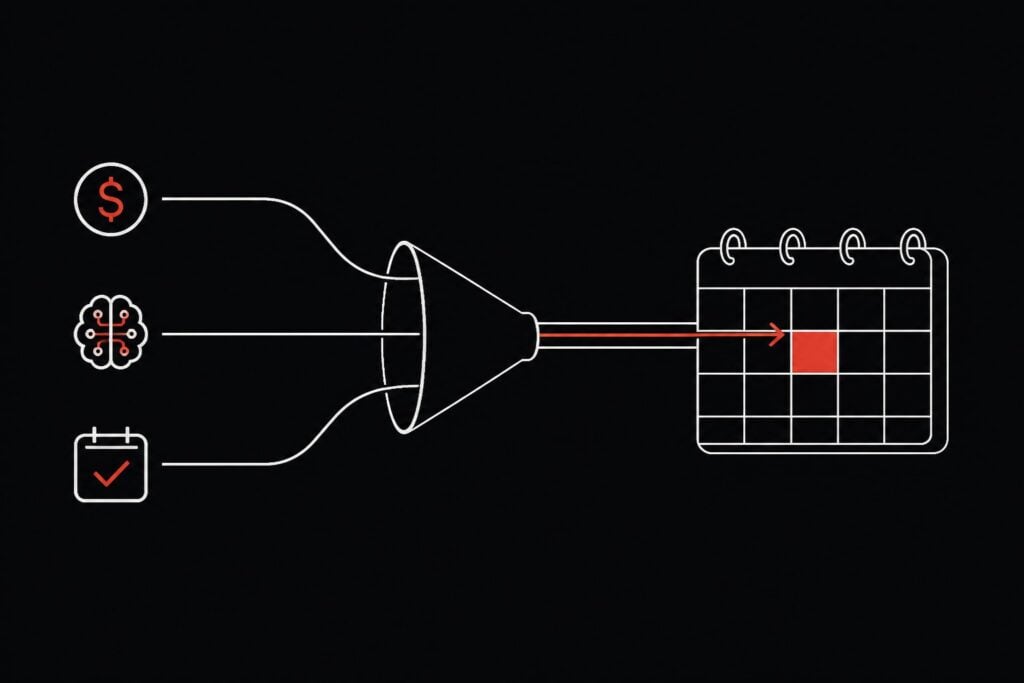
A B2B demand generation strategy is a repeatable system that builds awareness among your ideal buyers, qualifies the ones who respond, and moves them to a booked sales meeting. For a SaaS team that needs more meetings each month, the version that works in 2026 pairs paid acquisition with fast follow-up and automated booking, not cold outreach or event booths.
This article covers what demand generation is, how it differs from lead generation, the five parts of a strategy that fills calendars, and what to cut. It is written from an operator's view: some tactics get budget because they are familiar, and they should not.
What is demand generation in B2B marketing?
Demand generation is the set of marketing and sales activities that create buyer interest in a category and in your product, then guide that interest toward a sales conversation. It covers everything from the first ad impression to the booked demo.
Lead generation is narrower. It captures contact details from people who already have some interest. Demand generation includes that capture step, but it also covers the work before it: making the right people care enough to raise a hand.
A simple example. A SaaS company selling workflow software to operations leaders runs a lead magnet and collects 300 emails. That is lead generation. If the same company also publishes buyer-language content, runs ads to a defined account list, follows up within minutes, and books calls without a human scheduling back and forth, that is demand generation.
The distinction matters because many teams buy leads and call it a strategy. A list of names is not demand. Demand is a buyer who wants a conversation with you.
Why does a B2B demand generation strategy matter more in 2026?
It matters because buyers now research on their own and talk to sales late, which means the vendors they already know are the ones that get the meeting. If your first touch is a cold email, you are competing against a shortlist that was formed without you.
G2's 2024 survey of B2B software buyers found that many said the research stage was the most useful time for a sales professional to contact them. That tells you where to be present: in the research window, with something useful, not after the shortlist is set. G2 also publishes a summary of how AI is changing the B2B buyer journey, including research behavior and sales engagement, which is worth reading if you sell into software buyers.
Cold outreach has not disappeared, but it has become the weakest way to fill a calendar. Inboxes are crowded, call connect rates are low, and events are expensive per qualified conversation. Teams that still rely on them tend to have uneven months: a strong quarter followed by a dry one.
What are the core parts of a B2B demand generation strategy?
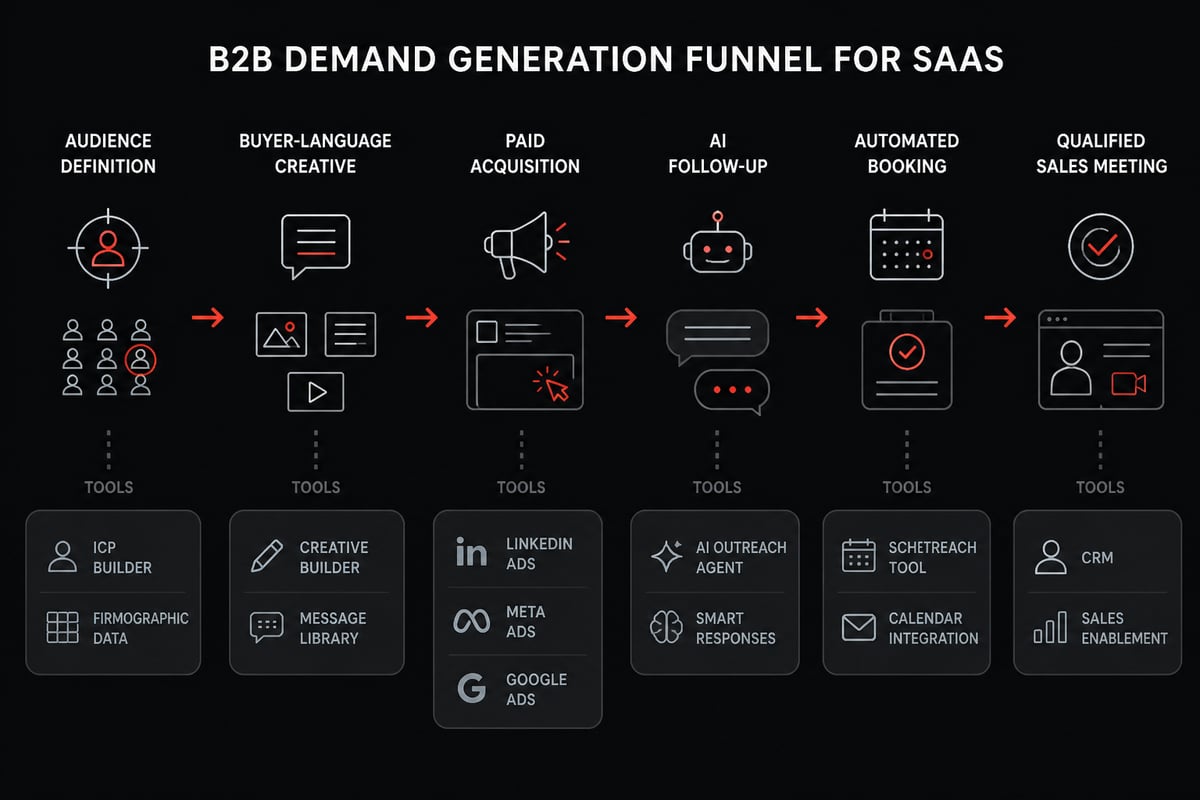
A working strategy has five parts: a defined audience, creative that uses buyer language, paid distribution, fast qualified follow-up, and automated booking. Skip any one and the system leaks.
1. Define the audience narrowly
Your audience is the specific roles, company sizes, and trigger events where your product wins. Write it down as a filter, not a persona. "VP of Sales at B2B SaaS companies with 20 to 200 employees that just hired their first SDR" is usable. "Growing tech companies" is not.
A narrow filter makes ad targeting cheaper and message-writing easier. It also tells you who to ignore, which saves budget.
2. Build creative from buyer language
The words in your ads should come from sales call transcripts, support tickets, and review sites, not from your internal positioning document. Buyers describe problems in plain terms: "my reps spend half their week on admin." They do not say "optimize your revenue operations stack."
The Demand Gen Report 2025 benchmark survey found that case studies were a top content format for respondents. Proof works. A short customer result with a number in it will usually outperform a polished brand statement.
3. Distribute with paid acquisition
Organic content compounds slowly. If you need meetings this quarter, paid distribution is the lever you can control. The discipline that matters is cutting what does not work. Aletto runs every ad account with a kill-switch rule: underperforming creative is cut, not monitored for another month. Creative is tested weekly, so learning happens in days.
4. Follow up in minutes, not days
Interest decays fast. A prospect who requests a call at 10 a.m. and hears back at 4 p.m. the next day has already looked at two alternatives. AI follow-up closes that gap by responding instantly, asking qualifying questions, and answering common objections without waiting for a rep.
5. Automate the booking
Every manual scheduling step loses people. The goal is a path from click to confirmed calendar slot with no email ping-pong. Only prospects who pass qualification should see your reps' availability, so your team walks into calls prepared to close.
How do demand generation and lead generation differ in practice?
Demand generation creates and shapes buyer intent over time, while lead generation collects contact information from people who have already shown some. One feeds the other, and treating them as the same thing leads to wasted spend.
| Factor | Demand generation | Lead generation |
|---|---|---|
| Goal | Build intent and pipeline | Capture contacts |
| Time horizon | Weeks to months | Days to weeks |
| Typical output | Qualified meetings | Form fills and emails |
| Main risk | Slow measurement | Low-quality volume |
Here is the position I will take. If you only do lead generation, you are fishing in a pond other vendors are also fishing in, and you pay a premium for it. If you only do brand-style demand work with no capture path, you cannot show revenue. The strategy needs both, connected by a single booking flow. For a deeper look at the capture side, see Aletto's guide to a lead generation strategy.
Should brand and demand run together?
Yes, because brand makes buyers recognize you and demand programs convert that recognition into meetings. Separating them forces two budgets to fight over the same attribution.
The Demand Gen Report 2025 survey found that only a minority of respondents had a fully integrated approach to brand and demand marketing. That means many teams still run them in silos, and the handoffs are where pipeline gets lost.
A practical test: can you trace a booked meeting back to the first creative the buyer saw? If not, your measurement is blind to the part of the strategy that creates demand. Aletto's attribution is verified by Hyros, and clients see every dollar of ad spend with no black box. You cannot make good cut-or-scale decisions without that visibility.
What should you cut from a B2B demand generation strategy?
Cut anything that produces activity without booked meetings: gated whitepapers with no follow-up path, broad-reach sponsorships, and cold sequences sent to purchased lists. Each looks productive in a report and weak on the calendar.
- Cold email and cold calling as the main channel. They work for some teams, but they cost rep time and give you no control over volume.
- Trade show booths for pipeline. The cost per qualified conversation is high and hard to forecast.
- Gated content with a slow nurture. If the follow-up takes three days, the lead is gone.
- Vanity metrics. Impressions, followers, and MQL counts do not tell you whether reps are talking to buyers.
I would rather see a team run one channel well, with a measured cost per booked meeting, than five channels at half effort. Scale the thing that works. Aletto's own client data points the same direction: many client campaigns reach a home-run rate of 10x ROI or more, and average customer acquisition cost has dropped substantially, but those results come from a tightly run system rather than a wide spread of tactics. For more on what to fix first, read why a lead generation strategy fails and how to fix it.
How do you align sales and marketing around demand?
Align them on one shared number, booked qualified meetings, and one shared definition of qualified. Without that, marketing optimizes for volume and sales dismisses the output.
Example scenario: a 40-person SaaS company has marketing reporting 400 leads a month while sales says none are good. They agree on a qualification rule (role, company size, a stated problem, and a budget signal), and the AI follow-up screens against it before any rep sees a calendar slot. Lead volume drops to 90, meetings booked rise, and the sales team stops arguing about quality because the filter is explicit.
A weekly review keeps this honest. Look at which creative produced meetings that closed, not just meetings that happened, and feed the winning language back into the next round of ads.
How do you measure whether demand generation is working?
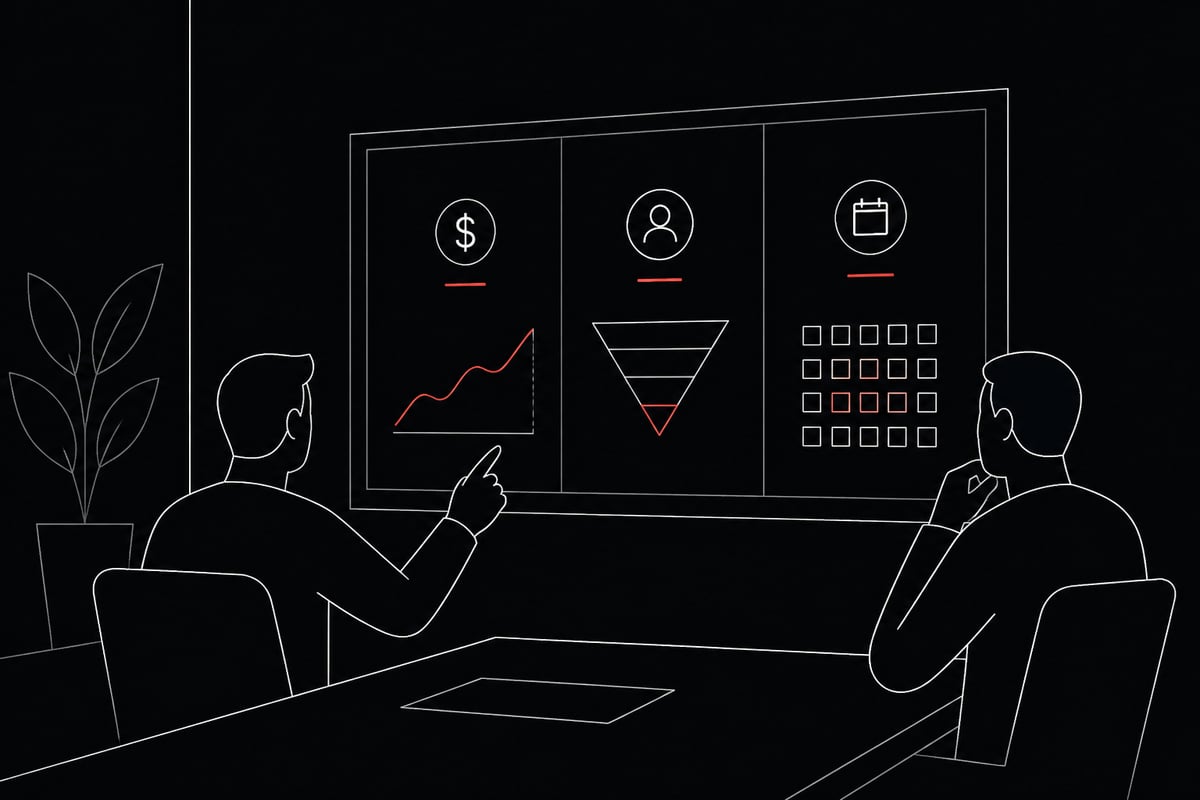
Measure cost per qualified meeting, meeting-to-opportunity rate, and pipeline created per dollar of ad spend. These three numbers show whether demand is turning into revenue.
Start with a baseline. Track four weeks of spend, qualified meetings, and show rates before changing anything. Then change one variable at a time, such as creative, audience, or follow-up speed, so you know what moved the result.
Be careful with attribution. Last-click reporting credits the final touch and hides everything before it. Use a verified attribution tool and compare against closed-won deals, not just form fills. Aletto's campaigns across many countries have made one thing clear: the teams that grow fastest are the ones who can see which dollar produced which meeting.
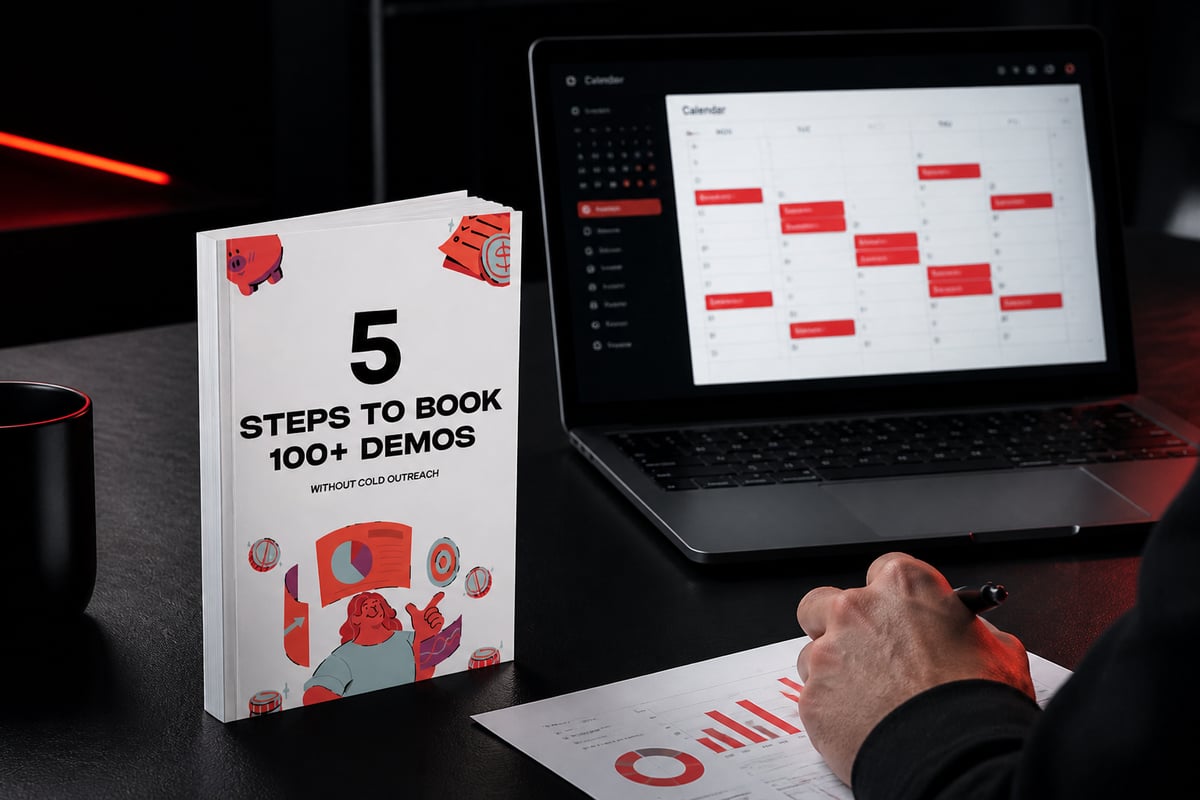
If you want to see what this looks like in a real SaaS account, the Free AI Call Booking Report breaks down how 1,122 qualified sales calls were booked in 11 months without cold emails, cold calls, events, or referral begging.
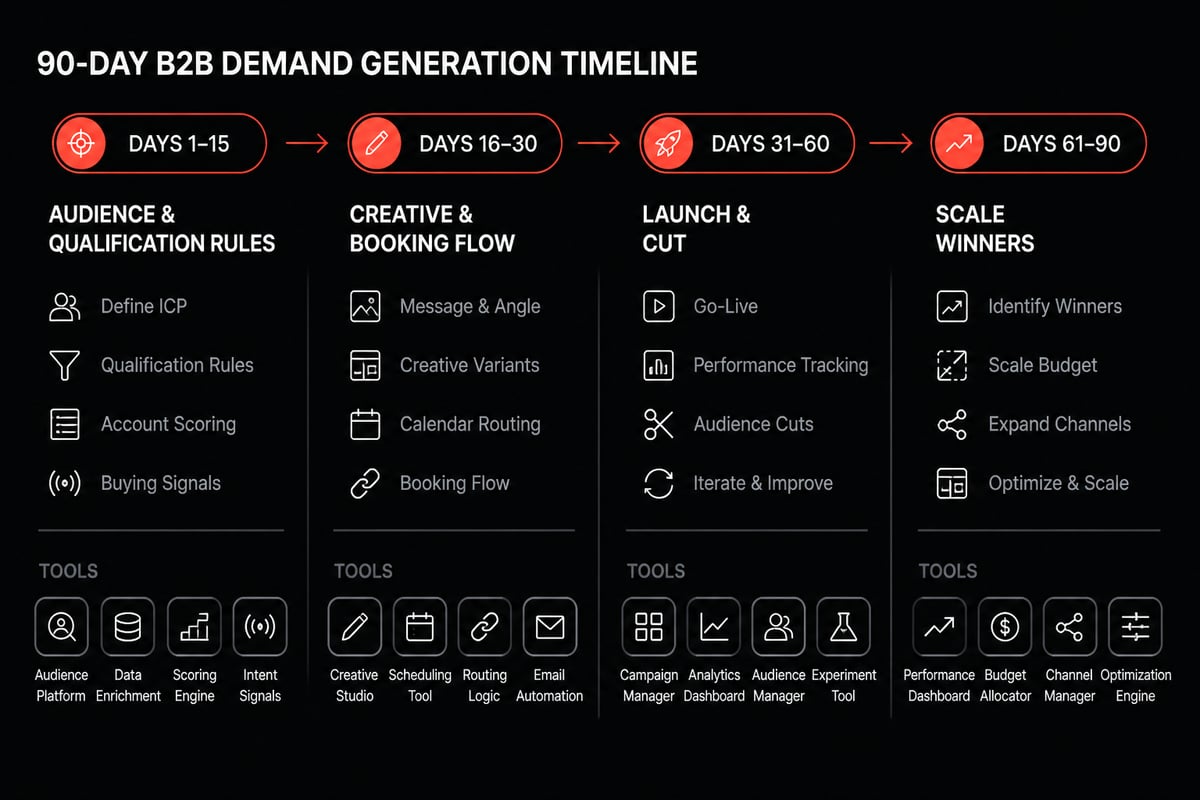
What does a first 90 days plan look like?
A realistic first 90 days moves from audience definition to a tested, measured booking flow, with scaling decisions made only after you have data. Rushing to scale before the flow converts wastes the budget.
- Days 1 to 15: Define the audience filter, write the qualification rule, and collect buyer language from calls and reviews.
- Days 16 to 30: Build the first set of ad creative and the follow-up and booking flow. Test the full path yourself before spending.
- Days 31 to 60: Launch paid campaigns, review weekly, and cut underperformers fast. Hold budget flat until cost per qualified meeting stabilizes.
- Days 61 to 90: Scale the winning creative and audience, tighten qualification, and compare meeting quality against closed deals.
For additional reading on how these pieces fit a software company, see Aletto's guides on SaaS demand generation and B2B SaaS lead generation.
Many teams also pair paid programs with strong local and search presence. If your business serves regional markets, a verified listing helps, and services like Connect SEO Ltd handle Google Business Profile verification and optimization. That is a supporting channel, not a replacement for a booking system.
Frequently Asked Questions
What are the four types of B2B marketing?
The four types most often cited are content marketing, account-based marketing, digital advertising, and event or relationship marketing. Most SaaS teams combine two or three. Pick the mix that produces measurable booked meetings, then drop the rest rather than spreading budget thin across all four.
What is the 3-3-3 rule for marketing?
The 3-3-3 rule is a loose guideline: make your message clear within three seconds, in three points, and across three touchpoints. It is not a formal standard. Use it as a discipline for ad copy and landing pages, but test it against your own data rather than treating it as a law.
What are the 5 main strategies of digital marketing?
The five commonly listed strategies are content marketing and SEO, social media, paid advertising, email marketing, and marketing automation. For a team that needs meetings fast, paid advertising combined with automated follow-up and booking usually shows results quickest. Content and SEO compound later.
How long does a B2B demand generation strategy take to work?
Paid programs can produce first booked meetings within weeks, but a stable cost per qualified meeting usually takes a few months of testing. Organic content takes longer. Plan for a full quarter before judging results, and change one variable at a time so you can read the data.
Your next step is to pull your last 90 days of spend and count how many qualified meetings each channel produced; the channels with no answer are your first cuts. If the numbers look uneven, the Free AI Call Booking Report shows how a paid, AI follow-up, and automated booking system fills a SaaS calendar without cold outreach. When you are ready to build that system for your own team, Aletto offers a free training you can start today.