


Marketing for a company in 2026 isn't what it used to be. Gone are the days when posting on social media or running generic ad campaigns could guarantee results. Today's competitive landscape demands a strategic, data-driven approach that transforms marketing from a cost center into a revenue-generating machine. Whether you're a startup looking to establish market presence or an established business seeking predictable growth, understanding modern marketing fundamentals is essential. The companies winning today are those leveraging advanced technologies, automating their sales processes, and focusing relentlessly on qualified lead generation rather than vanity metrics. This comprehensive guide will show you exactly how to build a marketing system that delivers measurable results.
Understanding Modern Marketing Requirements
The foundation of effective marketing for a company starts with recognizing that your prospects have changed. They're savvier, more informed, and significantly harder to reach through traditional methods. Cold calling alone won't cut it anymore. The average decision-maker receives hundreds of emails weekly and has developed sophisticated filters for screening out noise.
What works instead? A multi-channel approach that combines AI-powered targeting, personalized messaging, and automated follow-up systems. Companies that embrace this reality are seeing conversion rates 3-5x higher than those stuck in old-school tactics. Lead generation strategies must now incorporate behavioral data, predictive analytics, and intelligent nurturing sequences.
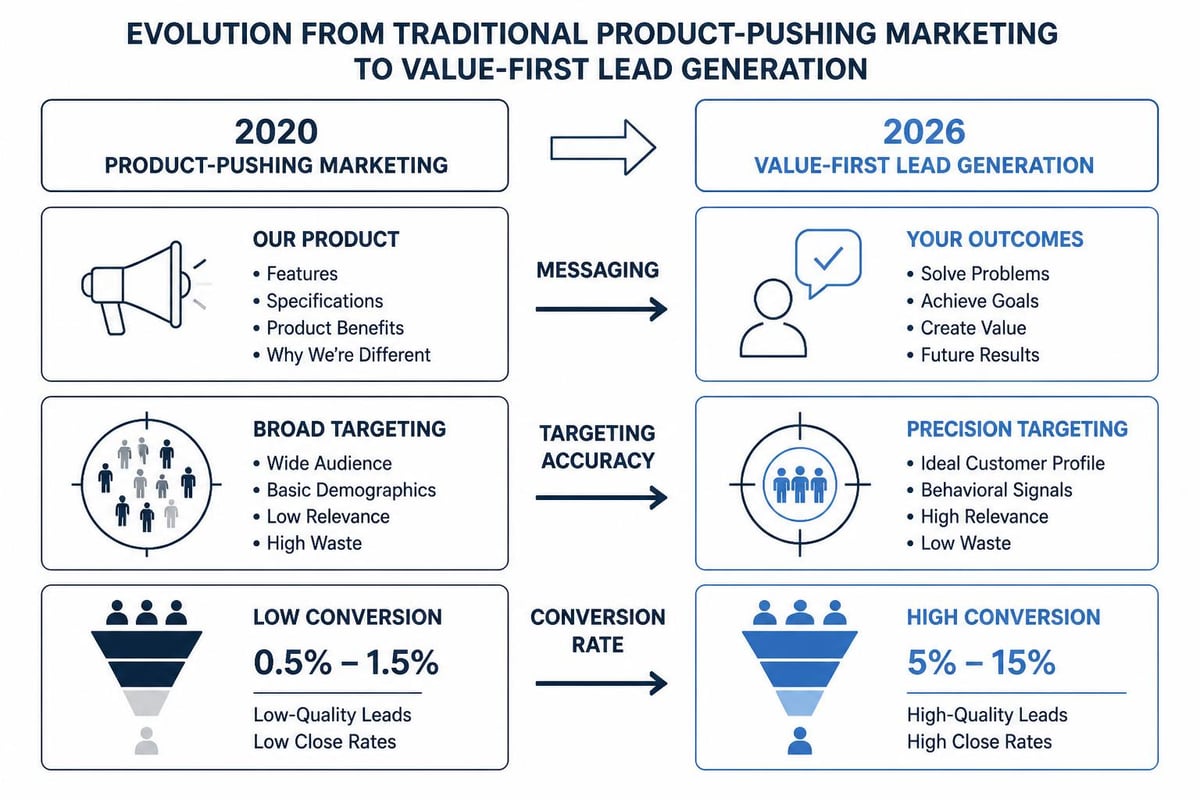
The Critical Shift to Value-First Marketing
Traditional marketing pushed products. Modern marketing for a company delivers value first, then converts interested prospects into customers. This fundamental shift changes everything about how you approach your campaigns:
- Educational content that solves real problems your prospects face
- Case studies demonstrating measurable outcomes rather than vague promises
- Transparent pricing and processes that build trust before the first conversation
- Guaranteed outcomes that align your success with your clients' success
This value-first approach is exactly what separates companies experiencing exponential growth from those struggling to fill their pipelines. When you prove you understand your prospect's pain points before asking for their business, conversion rates soar.
Building Your Marketing Infrastructure
Marketing for a company requires systems, not random acts of promotion. You need an infrastructure that captures leads, nurtures them intelligently, and converts them predictably. Think of it as building a revenue machine rather than running campaigns.
Start with your tech stack. The right combination of AI tools for marketing can automate 80% of repetitive tasks while improving results. Your essential components include:
| System Component | Purpose | Key Benefit |
|---|---|---|
| CRM Platform | Centralize prospect data | Single source of truth |
| Marketing Automation | Nurture sequences | Consistent follow-up |
| AI Lead Scoring | Prioritize prospects | Focus on ready buyers |
| Analytics Dashboard | Track performance | Data-driven decisions |
| Appointment Automation | Book meetings | Eliminate scheduling friction |
Many businesses struggle because they lack one or more of these foundational pieces. The companies achieving predictable B2B lead generation results have invested in building this infrastructure first.
Creating Your Customer Journey Map
Every prospect follows a journey from awareness to purchase. Your job is mapping that journey and creating touchpoints that guide them forward. Marketing for a company becomes infinitely easier when you understand exactly where prospects get stuck and what they need to advance.
Break your journey into these distinct phases:
- Awareness: Prospect recognizes they have a problem
- Consideration: They research potential solutions
- Evaluation: They compare specific providers
- Decision: They select a partner and commit
- Advocacy: They become promoters of your solution
For each phase, identify the specific content, messaging, and calls-to-action that move prospects to the next stage. According to research on proven marketing tactics, companies that map and optimize each journey stage see 50% higher conversion rates than those using generic campaigns.
Lead Generation That Actually Works
The heart of marketing for a company in 2026 is qualified lead generation. Not just any leads, but prospects who are ready, willing, and able to buy. This requires a sophisticated approach that combines targeting precision with compelling offers.
Cold outreach isn't dead, but it's evolved dramatically. The spray-and-pray approach of sending 10,000 generic emails has been replaced by hyper-targeted campaigns to specific decision-makers with personalized messaging. Modern cold call leads are researched extensively before the first touchpoint.
Multi-Channel Lead Generation Framework
Relying on a single channel is marketing suicide. Your prospects are scattered across multiple platforms, and reaching them requires a coordinated approach:
- LinkedIn outreach targeting specific job titles and company sizes
- Retargeting campaigns to website visitors who didn't convert
- Content marketing that ranks for high-intent search queries
- Partnership channels through complementary service providers
- Referral systems that incentivize existing customers to promote you
The magic happens when these channels work together. A prospect might see your LinkedIn content, visit your website, receive a personalized email, and then book a call. Each touchpoint reinforces your expertise and builds trust. Professional agencies like My Heart Studio understand this multi-channel approach and help businesses orchestrate campaigns that compound effectiveness across platforms.
Leveraging AI for Marketing Excellence
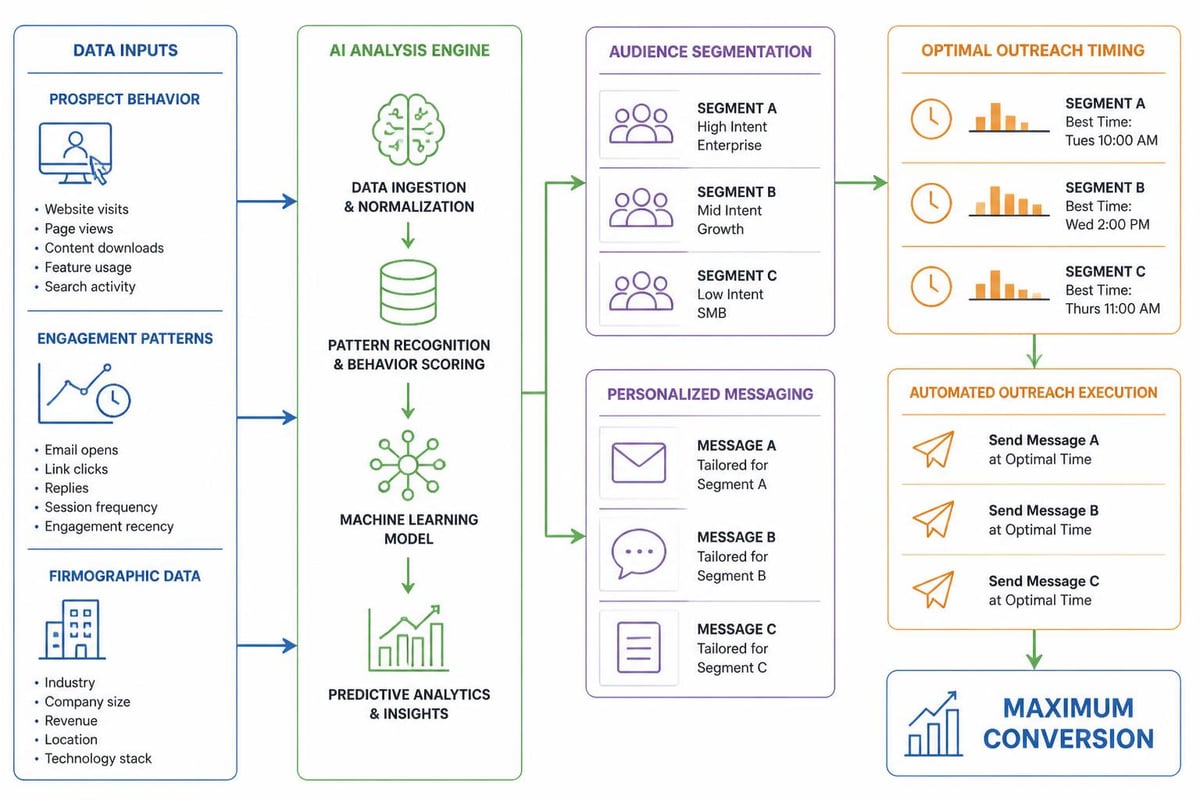
Artificial intelligence has fundamentally changed what's possible in marketing for a company. We're not talking about chatbots that frustrate customers. We mean sophisticated systems that predict buying behavior, personalize content at scale, and optimize campaigns in real-time.
AI-powered lead scoring analyzes hundreds of behavioral signals to identify prospects most likely to convert. Instead of treating all leads equally, your team focuses energy on the 20% that generate 80% of revenue. This concentration of effort produces exponential results.
Beyond scoring, AI excels at content personalization. The same prospect receives different messaging based on their industry, company size, pain points, and stage in the buying journey. This level of personalization was impossible five years ago. Today, it's table stakes for competitive marketing.
Automation That Doesn't Feel Robotic
The key to successful marketing automation is making it feel human. Your prospects should experience personalized, timely communication without realizing a machine orchestrates much of it. This requires:
- Behavioral triggers that send messages based on actions, not arbitrary timelines
- Dynamic content that adapts to prospect characteristics
- Strategic delays that mimic natural human response patterns
- Quality thresholds where automation hands off to human team members
When done correctly, automated systems book more appointments than manual outreach while maintaining relationship quality. The best marketing platforms in 2026 offer this sophisticated automation without requiring coding knowledge.
Measuring What Matters
Marketing for a company without measurement is gambling. You need clear metrics that connect marketing activities to revenue outcomes. Forget vanity metrics like impressions and likes. Focus on numbers that actually impact your bottom line.
Your dashboard should track these core metrics:
| Metric | Why It Matters | Target Benchmark |
|---|---|---|
| Cost Per Qualified Lead | Determines campaign profitability | Industry-specific |
| Lead-to-Opportunity Rate | Shows targeting quality | >30% |
| Opportunity-to-Customer Rate | Indicates sales effectiveness | >25% |
| Customer Acquisition Cost | Total cost to acquire customer | <33% of LTV |
| Marketing-Attributed Revenue | Proves ROI | Positive ROI within 90 days |
Track these weekly, not monthly. The faster you identify what's working, the quicker you can double down on winning strategies and cut losers. Companies achieving explosive growth review their metrics daily and make constant micro-adjustments.
Attribution Modeling for Complex Sales
B2B sales rarely happen after a single touchpoint. Your prospect might interact with your brand 8-12 times before buying. Understanding which touchpoints deserve credit is crucial for optimizing your marketing mix.
Multi-touch attribution gives partial credit to each interaction in the customer journey. This reveals which channels initiate relationships, which nurture prospects, and which close deals. You might discover that LinkedIn starts conversations, email nurtures them, and personalized video messages close them.
Exploring various types of marketing helps you understand which attribution model fits your sales cycle. The longer and more complex your sale, the more important proper attribution becomes for optimizing spend.
Content Marketing That Converts
Content is still king, but the kingdom has new rules. Marketing for a company through content requires strategic thinking about what your prospects actually need at each stage of their journey. Random blog posts won't cut it anymore.
Educational content establishes authority. When you teach prospects how to solve their problems, even if they could implement solutions themselves, you position your company as the expert. Most will recognize they lack the time, expertise, or resources to DIY and will hire you instead.
Strategic Content Framework
Build your content program around these pillars:
- Thought leadership that demonstrates deep industry expertise
- How-to guides that solve specific prospect pain points
- Case studies showing measurable results with real clients
- Tools and calculators that provide immediate value
- Research reports establishing you as an authority
Each piece should have a clear purpose and call-to-action. The effective marketing strategies that work in 2026 all share this characteristic: every content asset guides prospects toward a next step.
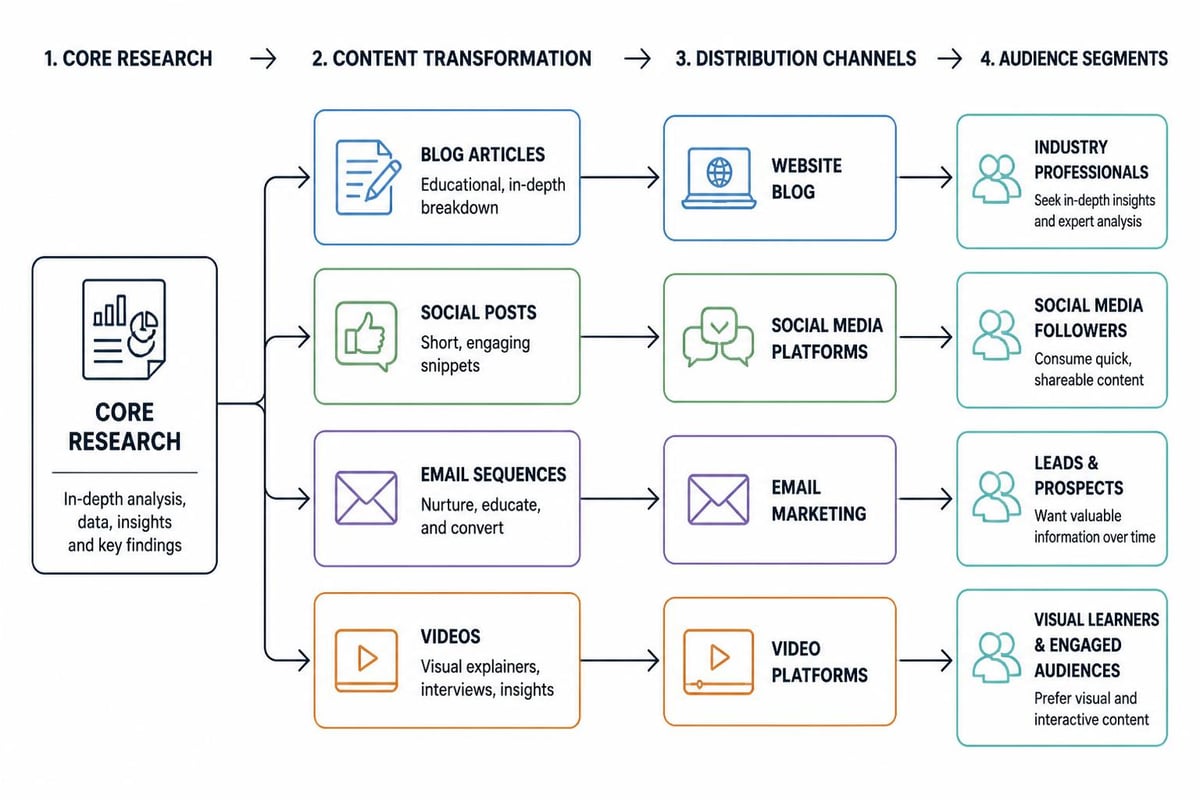
Don't just publish and pray. Promote strategically through the channels where your prospects actually spend time. Repurpose core content into multiple formats: blog posts become videos, podcasts, LinkedIn carousels, and email sequences.
Partnership and Referral Strategies
The fastest path to qualified leads often isn't direct marketing-it's strategic partnerships. Marketing for a company becomes exponentially easier when you leverage existing relationships and credibility.
Identify complementary service providers who serve your ideal customers but don't compete directly. For example, if you're generating leads for financial advisors, partner with estate planning attorneys, CPAs, and insurance brokers. You solve different problems for the same clients.
Create formal referral agreements with clear incentives. The most effective programs offer:
- Revenue sharing that rewards partners for quality referrals
- Co-marketing opportunities that benefit both parties
- Dedicated support for partner-referred clients
- Regular communication and relationship nurturing
According to research on corporate communication best practices, companies with structured partnership programs acquire customers at 50-60% lower costs than those relying solely on direct marketing.
Optimizing for Conversion at Every Stage
Marketing for a company isn't just about generating awareness. It's about systematically moving prospects through each stage until they become customers. This requires obsessive focus on conversion rate optimization at every touchpoint.
Your website is a conversion machine, not a digital brochure. Every page should have a clear purpose and remove friction from the decision-making process. Fast load times, clear navigation, compelling copy, and strategic calls-to-action all contribute to higher conversion rates.
Testing and Iteration Culture
The companies with the best marketing results don't guess-they test. A/B testing should be continuous across:
- Email subject lines and body copy
- Landing page headlines and layouts
- Call-to-action button text and placement
- Ad creative and targeting parameters
- Offer positioning and pricing presentation
Even small improvements compound. A 10% increase in landing page conversion rate combined with a 10% improvement in email open rates and a 10% boost in sales close rates doesn't equal 30% growth. It equals 33.1% growth due to compounding effects.
Social Media Strategy That Drives Results
Social media for B2B isn't about posting motivational quotes or cute pet photos. It's a sophisticated lead generation channel when executed strategically. Marketing for a company on social requires understanding where your prospects spend time and what content resonates.
LinkedIn dominates B2B marketing in 2026, but the platform has evolved. Algorithm changes favor authentic engagement over promotional content. The winning strategy involves:
- Thought leadership posts from company executives
- Employee advocacy programs that amplify reach
- Strategic commenting on prospect and industry posts
- Video content that educates rather than sells
- Targeted connection requests with personalized messages
Following corporate social media strategy best practices ensures your efforts translate to actual business outcomes rather than vanity metrics. Track leads generated and revenue attributed, not just followers and likes.
Storytelling That Sells
Numbers and features don't move people-stories do. Marketing for a company in 2026 requires mastering narrative. Your prospects need to see themselves in your success stories and visualize the transformation you provide.
Effective brand storytelling follows a simple framework: character faces challenge, encounters guide (your company), implements solution, achieves transformation. This pattern resonates because it mirrors human experience. Learning corporate storytelling best practices helps you craft narratives that convert prospects into customers.
Don't just tell your company's story. Tell your customers' stories. Case studies that detail specific challenges, solutions implemented, and measurable outcomes provide social proof while helping prospects envision their own success.
Marketing for a company in 2026 requires sophisticated systems, strategic thinking, and relentless focus on qualified lead generation over vanity metrics. The strategies outlined above work across industries and company sizes when implemented consistently and measured rigorously. If you're ready to transform your marketing from a cost center into a predictable revenue generator, Adstra specializes in building AI-powered lead generation systems that convert cold prospects into ready-to-buy customers. Our guaranteed growth partnership model means we only succeed when you succeed-book a consultation today to discover how we can fill your pipeline with qualified opportunities.