


The landscape of business-to-consumer marketing has evolved dramatically, and companies that master the art of generating quality b2c leads hold a significant competitive advantage in 2026. Unlike business-to-business strategies that focus on lengthy sales cycles and committee decisions, b2c leads require immediate emotional connection, streamlined processes, and personalized experiences that meet consumers exactly where they are. The businesses winning in today's market understand that successful lead generation isn't about casting the widest net but rather about attracting the right prospects who are ready to take action and become loyal customers.
Understanding What Makes B2C Leads Different
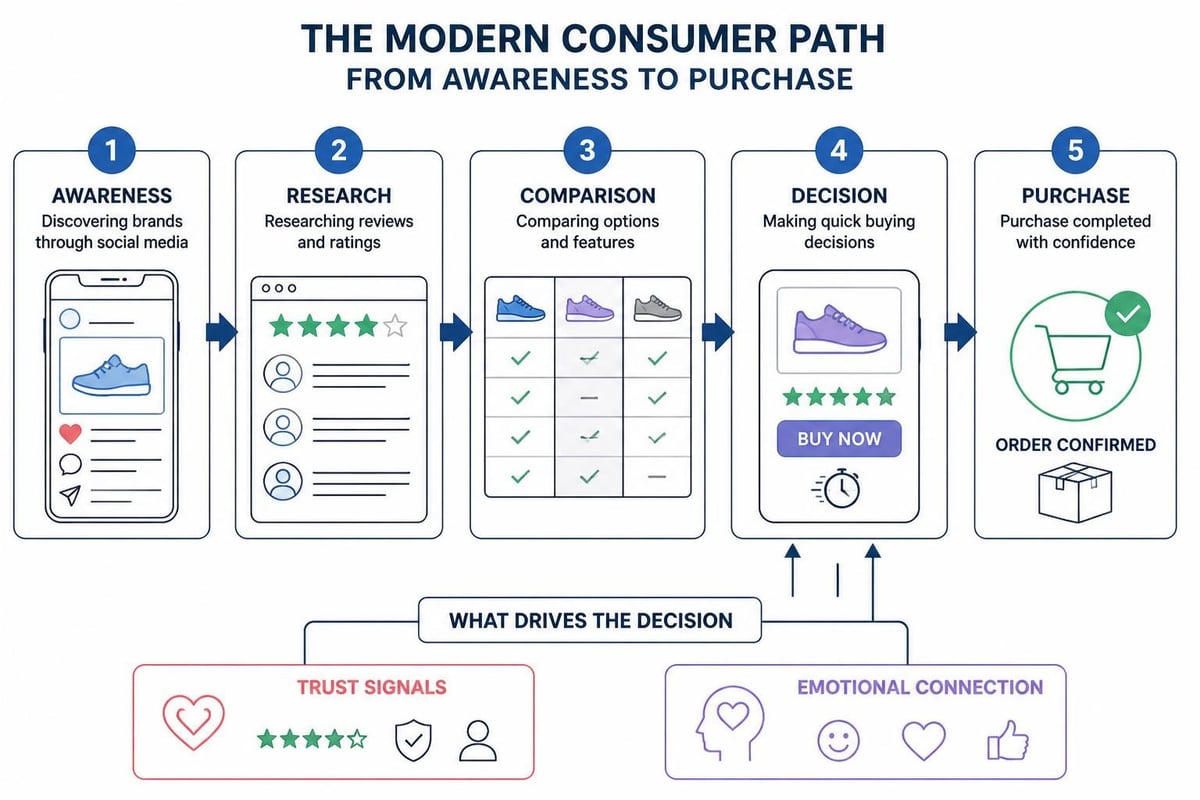
B2C leads represent individual consumers interested in your products or services, and they behave fundamentally differently than business buyers. These prospects make decisions based on emotion, personal need, and immediate value rather than complex ROI calculations or stakeholder approvals.
The purchase decision timeline for b2c leads typically spans hours or days, not weeks or months. Consumer attention is fragile-you have mere seconds to capture interest and minutes to demonstrate value before they move on to competitors. This reality demands marketing systems that respond instantly, nurture aggressively, and convert quickly.
Key Characteristics of High-Quality Consumer Leads
- Immediate need recognition: They've identified a problem and are actively seeking solutions
- Emotional engagement: They connect with brands that resonate with their values and aspirations
- Digital-first behavior: They research, compare, and purchase primarily through online channels
- Social proof dependency: They trust peer reviews and testimonials more than traditional advertising
Understanding these characteristics helps businesses design lead generation strategies that align with actual consumer behavior patterns. When you recognize that today's consumers expect instant gratification and personalized experiences, you can build systems that deliver exactly what they're seeking.
Proven Strategies to Generate Quality B2C Leads
The most successful businesses in 2026 combine traditional marketing wisdom with cutting-edge technology to create lead generation machines that operate efficiently and scale predictably. These proven B2C lead generation strategies focus on meeting consumers where they spend their time and addressing their specific needs.
Social Media Lead Capture Systems
Social platforms have become the primary discovery channel for consumer products and services. Facebook, Instagram, and TikTok aren't just brand awareness tools-they're sophisticated lead generation engines when used strategically.
Implementing lead forms directly within social platforms reduces friction dramatically. When a consumer sees your ad and can express interest with a single tap, conversion rates skyrocket compared to directing them to external landing pages. Advanced AI systems now optimize these campaigns automatically, identifying which audiences convert best and allocating budget accordingly.
The key is creating compelling offers that provide immediate value: exclusive discounts, free trials, educational content, or early access to new products. Your offer must answer the critical question every consumer asks: "What's in it for me right now?"
Content Marketing That Attracts Ready-to-Buy Prospects
Strategic content creation positions your business as the trusted authority in your space while attracting b2c leads who are actively researching solutions. Unlike generic blog posts that attract casual browsers, high-converting content addresses specific pain points and guides prospects toward purchase decisions.
Video content dominates consumer engagement in 2026. Short-form videos demonstrating products, explaining benefits, or sharing customer success stories generate significantly higher engagement than text alone. According to recent B2C lead generation statistics, video content generates 1200% more shares than text and images combined.
Creating interactive content experiences like quizzes, assessments, and calculators transforms passive consumption into active engagement. These tools collect valuable lead information while providing personalized results that consumers actually want, making the value exchange feel natural rather than transactional.
Email List Building and Segmentation
Your email list represents owned media that you control completely, making it one of your most valuable business assets. Building a robust subscriber base of qualified b2c leads provides consistent, predictable channels for promotion and relationship building.
Modern email strategies go far beyond simple newsletter signups. Sophisticated marketers implement multiple lead generation methods including:
- Exit-intent popups offering irresistible lead magnets
- Content upgrades specific to individual blog posts or pages
- Gamified email experiences that boost engagement and sharing
- Progressive profiling that gradually collects additional information
Segmentation transforms generic email lists into precision marketing tools. When you segment b2c leads based on behavior, interests, purchase history, and engagement levels, you can deliver hyper-relevant messages that feel personally crafted rather than mass-produced.
Automation and AI: The Future of B2C Lead Generation
The businesses experiencing exponential growth in 2026 leverage artificial intelligence and marketing automation to scale their lead generation efforts without proportionally scaling their costs. These technologies handle repetitive tasks, optimize campaigns in real-time, and personalize experiences at a scale impossible for human teams alone.
Intelligent Lead Qualification and Scoring
Not all b2c leads carry equal value. Some are ready to purchase immediately, while others need extensive nurturing before they convert. AI-powered lead scoring systems analyze hundreds of behavioral signals to predict which prospects are most likely to become customers.
Modern scoring models consider:
| Signal Category | Example Indicators | Impact on Score |
|---|---|---|
| Engagement Level | Email opens, website visits, time on site | High |
| Content Consumption | Downloaded resources, video views | Medium |
| Demographic Fit | Location, age range, income indicators | Medium |
| Purchase Signals | Viewed pricing, started checkout | Very High |
This intelligent qualification ensures your sales team or automated follow-up sequences focus energy on the prospects most likely to convert, dramatically improving efficiency and ROI.
Automated Appointment Booking Systems
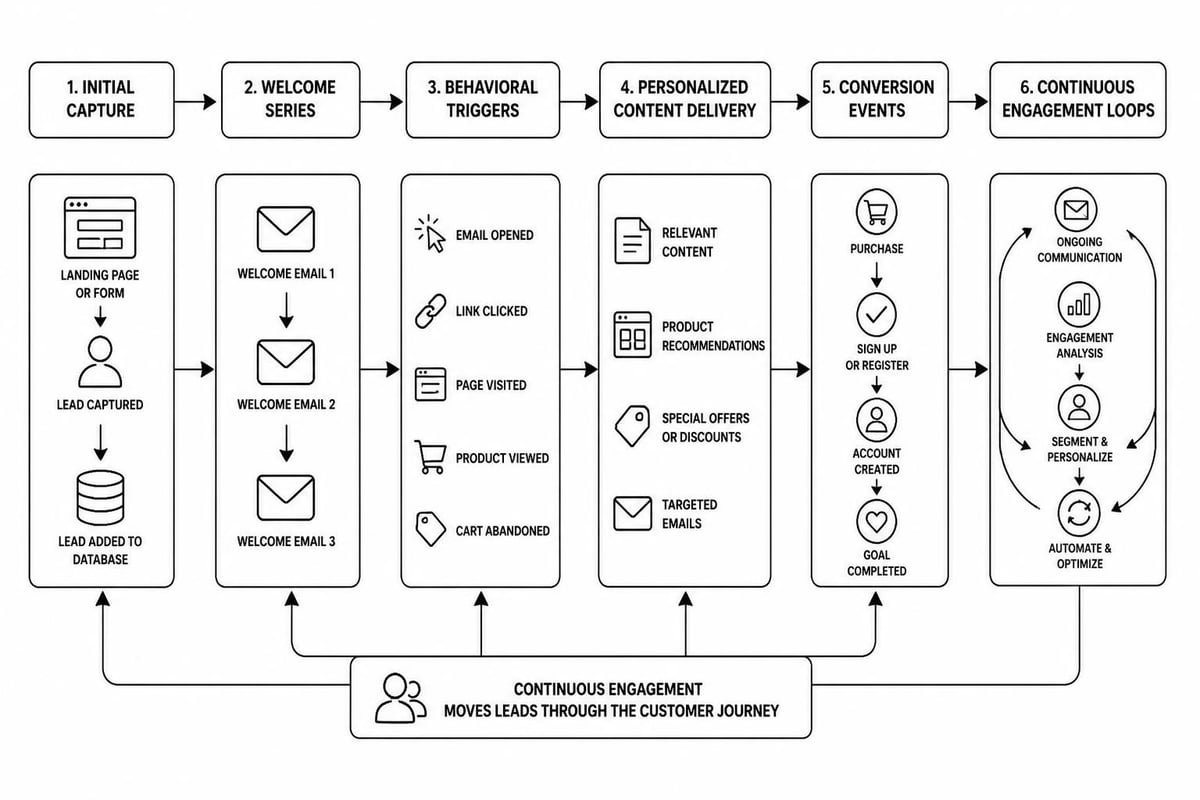
For service-based businesses, the gap between lead capture and actual appointment booking represents a critical conversion point where many prospects fall away. Automated scheduling systems eliminate this friction entirely, allowing qualified b2c leads to book appointments instantly while their interest peaks.
These systems integrate seamlessly with your calendar, automatically qualify prospects through intelligent questioning, and even send reminder sequences that reduce no-show rates. The result is a streamlined path from initial interest to scheduled appointment without requiring manual intervention from your team.
Companies implementing AI-driven advertising and automation report conversion rate increases of 40% or more simply by removing the delays and friction inherent in manual scheduling processes. When consumers can take action immediately, they do.
Multi-Channel Strategies for Maximum Lead Generation
Relying on a single channel for b2c leads creates dangerous vulnerability. Algorithm changes, platform policy updates, or shifting consumer preferences can devastate businesses that haven't diversified their lead sources.
Paid Advertising Across Platforms
Strategic paid advertising amplifies organic efforts and provides predictable, scalable lead generation. The key is matching your message and offer to the platform and audience segment.
Google Ads captures high-intent searchers actively looking for solutions right now. These prospects convert at higher rates because they've already self-identified their need. Search campaigns paired with display retargeting create a powerful combination that keeps your brand visible throughout the decision journey.
Social media advertising excels at creating demand and capturing attention from consumers who may not yet realize they need your solution. Facebook and Instagram's detailed targeting capabilities allow precise audience definition based on demographics, interests, behaviors, and even life events.
Recent B2C lead generation tactics emphasize the importance of video advertising, which generates 3-5 times higher engagement rates than static images while conveying complex value propositions quickly and memorably.
Organic Search and SEO Fundamentals
While paid advertising delivers immediate results, organic search engine optimization builds long-term, sustainable lead flow. Ranking prominently for keywords your target customers search creates a consistent stream of qualified b2c leads without ongoing advertising costs.
Effective SEO in 2026 requires more than keyword stuffing and backlink building. Search engines now prioritize:
- Comprehensive content that thoroughly answers user questions
- Technical performance including mobile optimization and page speed
- User experience signals like engagement time and bounce rate
- Topical authority demonstrated through interconnected content clusters
- Local relevance for businesses serving geographic markets
Combining strong SEO with conversion optimization ensures the traffic you earn transforms into actual leads rather than anonymous visitors who leave without taking action.
Strategic Partnerships and Co-Marketing
Partnering with complementary businesses that serve your target audience creates powerful cross-pollination opportunities. These relationships provide access to established audiences who already trust the partner, dramatically shortening the path to conversion.
Effective partnership models include:
- Guest content contributions that provide value while building awareness
- Joint webinar or workshop events that combine expertise
- Bundled offerings that create enhanced value for consumers
- Affiliate or referral programs that incentivize promotion
- Co-branded lead magnets that appeal to overlapping audiences
The businesses generating the most b2c leads through partnerships focus on creating genuine win-win-win scenarios where both companies benefit while delivering exceptional value to consumers.
Conversion Optimization: Turning Visitors into Leads
Generating website traffic represents only half the equation. Converting that traffic into qualified b2c leads requires meticulous attention to user experience, messaging, and conversion mechanics.
Landing Page Best Practices
Your landing pages serve as digital salespeople, operating 24/7 to capture leads while you sleep. High-performing pages share common elements that psychological research and split testing have proven effective.
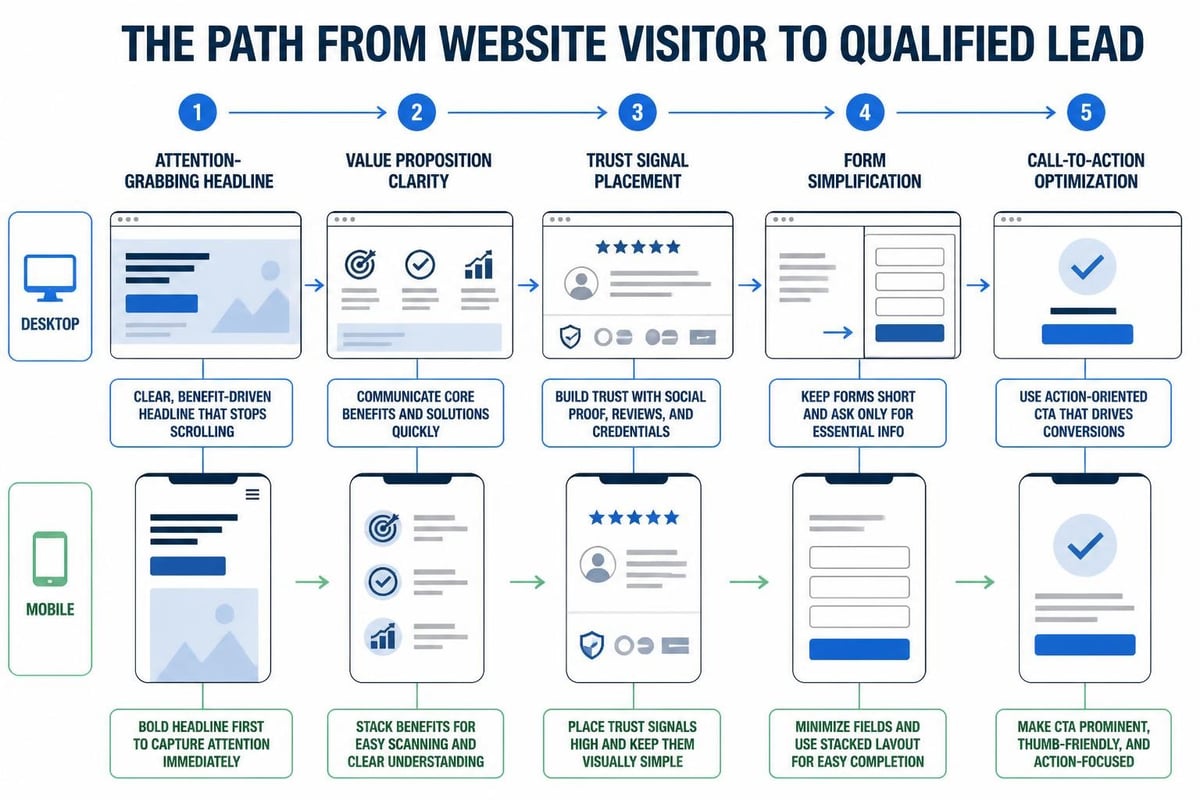
Clear, benefit-focused headlines immediately communicate value and relevance. Visitors decide within 3-5 seconds whether to stay or leave, making your headline the most important copy on the page.
Compelling social proof overcomes skepticism and builds trust. Customer testimonials, case studies, review ratings, and trust badges all contribute to the credibility required for consumers to share their contact information.
Streamlined forms collect only essential information at the initial capture point. Each additional field decreases conversion rates by an average of 11%, making brevity critical. You can always gather additional details later through progressive profiling.
Mobile-First Design Imperatives
Over 70% of b2c leads now come from mobile devices, yet many businesses still design primarily for desktop experiences. This disconnect creates friction that costs conversions.
Mobile-optimized experiences prioritize:
- Thumb-friendly navigation with large, easily tappable buttons
- Minimal text entry leveraging autofill and dropdown selections
- Fast loading times under 2 seconds even on slower connections
- Vertical scrolling that matches natural mobile browsing behavior
- Click-to-call functionality for immediate phone contact
Testing your lead capture process on actual mobile devices reveals friction points that desktop testing misses entirely. The businesses capturing the most mobile leads obsessively optimize every element of the mobile experience.
Measuring and Optimizing B2C Lead Generation Performance
What gets measured gets managed, and sophisticated lead generation programs track metrics far beyond simple lead counts. Understanding the complete picture from initial contact through customer lifetime value enables data-driven optimization that compounds results over time.
Essential Metrics to Monitor
| Metric | Definition | Why It Matters |
|---|---|---|
| Cost Per Lead | Total spend divided by leads generated | Determines campaign profitability |
| Conversion Rate | Percentage of visitors who become leads | Indicates offer and page effectiveness |
| Lead Quality Score | Average qualification score of leads | Predicts future revenue potential |
| Customer Acquisition Cost | Total marketing cost per new customer | Measures overall efficiency |
| Lifetime Value | Total revenue per customer over time | Justifies acquisition investment |
Smart marketers track these metrics by channel, campaign, and audience segment to identify what's working and what's wasting budget. This granular visibility enables rapid optimization and strategic resource allocation.
Continuous Testing and Improvement
The most successful lead generation programs embrace systematic testing as a core discipline. Small improvements compound dramatically over time-a 10% increase in conversion rate combined with a 10% decrease in cost per lead yields a 21% improvement in overall efficiency.
High-impact testing priorities include:
- Headline variations that communicate different primary benefits
- Call-to-action button copy, color, and placement
- Form length and field ordering
- Trust element types and positioning
- Offer formats and perceived value levels
Modern AI-powered testing platforms can run multivariate tests automatically, identifying winning combinations faster than traditional A/B testing while requiring less traffic to reach statistical significance. These tools democratize sophisticated optimization previously available only to enterprises with dedicated teams.
Industry-Specific B2C Lead Generation Approaches
Different industries face unique challenges and opportunities when generating consumer leads. Tailoring your approach to your specific market characteristics dramatically improves results.
Service-Based Businesses
Local service providers-contractors, attorneys, medical practices, and consultants-often struggle with lead generation because their offerings are high-consideration purchases. Consumers rarely buy immediately, requiring nurture sequences that build trust over time.
Implementing local lead generation strategies combined with automated appointment booking creates competitive advantages. When prospects can instantly schedule consultations while their interest peaks, conversion rates double or triple compared to manual follow-up processes.
Educational content that addresses common questions and concerns positions service providers as trusted advisors rather than salespeople. Video testimonials from satisfied clients provide the social proof skeptical consumers need before taking action.
E-Commerce and Product Businesses
E-commerce businesses face different dynamics-lower consideration periods but higher competition and thinner margins. Success requires efficient lead capture and aggressive conversion tactics.
Abandoned cart recovery systems capture b2c leads who demonstrated purchase intent but didn't complete transactions. These automated sequences, which can be found among the best marketing platforms available today, recover 15-30% of abandoned carts through strategic timing and compelling incentives.
Browse abandonment triggers capture even earlier-stage interest, offering discounts or free shipping to visitors who viewed products but didn't add items to their cart. This expands your lead pool beyond the minority who reach checkout.
Subscription and Membership Models
Businesses built on recurring revenue need leads who demonstrate long-term commitment potential, not just one-time purchasers. Lead generation strategies emphasize education and community building that attract ideal members.
Free trial offers convert well but require careful structuring to attract genuinely interested prospects rather than freebie seekers. Requiring credit card information during signup dramatically improves trial-to-paid conversion rates while filtering out low-intent leads.
Community-building efforts through exclusive Facebook groups, member forums, or regular live events create belonging that reduces churn and increases lifetime value. These initiatives transform b2c leads into brand advocates who actively promote your offering.
Overcoming Common B2C Lead Generation Challenges
Even sophisticated marketers encounter obstacles that limit lead generation effectiveness. Recognizing and addressing these challenges separates thriving businesses from struggling ones.
Lead Quality Versus Lead Quantity
The temptation to maximize lead volume often undermines profitability. Businesses report that 50-70% of leads never convert, representing wasted follow-up effort and missed opportunities to focus on better prospects.
Implementing rigorous qualification criteria-even if it reduces total lead counts-improves sales efficiency and revenue outcomes. Modern demand generation approaches emphasize qualified lead generation over vanity metrics like total form submissions.
Quality-focused strategies might include:
- Multi-step forms that require progressively higher commitment
- Qualification questions that filter out poor-fit prospects
- Higher-value offers that attract serious buyers rather than casual browsers
- Transparent pricing that prevents sticker shock later in the process
Attribution and Tracking Complexity
Modern consumers interact with multiple touchpoints before converting, making simple first-touch or last-touch attribution models misleading. A prospect might discover your brand through social media, research on your blog, compare options via search, and finally convert through email-which channel deserves credit?
Multi-touch attribution models provide more accurate insights by assigning proportional credit across the customer journey. While more complex to implement, these systems reveal the true value of channels that assist conversions without being the final touchpoint.
Privacy regulations and cookie restrictions make tracking more challenging in 2026, requiring businesses to build first-party data assets through direct relationships rather than relying on third-party tracking. This shift actually benefits businesses that prioritize list building and customer relationships over anonymous advertising.
Budget Constraints and Resource Limitations
Small and medium businesses often lack the resources for comprehensive multi-channel campaigns, creating pressure to identify the highest-leverage opportunities.
The solution involves strategic focus rather than attempting everything simultaneously. Starting with one or two channels and mastering them completely generates better results than spreading resources too thin across many mediocre efforts.
Leveraging automation technology and AI systems allows smaller teams to punch above their weight class. When software handles repetitive tasks like lead nurturing, social media posting, and email sequences, human team members can focus on strategy and optimization rather than execution minutiae.
Building Systems for Sustainable Lead Generation
One-off campaigns generate temporary results, but systematic approaches create predictable, scalable lead flow that supports business growth. The companies dominating their markets in 2026 have built comprehensive systems rather than relying on individual tactics.
Creating Your Lead Generation Stack
Modern lead generation requires coordinating multiple technology platforms into a cohesive ecosystem. Your marketing stack should include:
- Customer relationship management (CRM) as your central data repository
- Marketing automation platform for email sequences and lead nurturing
- Landing page builder for rapid testing and optimization
- Analytics and attribution tools for performance measurement
- Advertising management platforms for campaign execution
- Scheduling and appointment software for conversion optimization
Integration between these systems ensures data flows seamlessly, providing complete visibility into lead behavior and campaign performance. When your CRM automatically receives leads from all sources with complete interaction history, your sales team operates far more effectively.
Developing Repeatable Processes
Documenting and standardizing your lead generation processes transforms institutional knowledge into organizational assets. When team members leave or new people join, documented systems ensure consistent execution.
Process documentation should cover:
- Campaign planning and approval workflows
- Content creation and quality standards
- Lead capture and import procedures
- Nurture sequence trigger rules and timing
- Qualification criteria and scoring rules
- Handoff procedures from marketing to sales
Regular process review and refinement based on performance data ensures continuous improvement rather than stagnation around outdated practices.
Scaling What Works
Once you identify consistently profitable lead sources, aggressive scaling multiplies results. However, scaling requires careful monitoring to ensure performance maintains as volume increases.
Successful scaling involves:
- Incrementally increasing budget by 20-30% monthly rather than doubling overnight
- Monitoring quality metrics to ensure lead quality maintains as quantity grows
- Testing new audience segments that share characteristics with proven winners
- Building operational capacity to handle increased lead volume effectively
The businesses generating the most b2c leads understand that sustainable scaling is a marathon, not a sprint. Patience and discipline prevent the common pitfall of scaling too aggressively and degrading performance.
Mastering b2c leads generation transforms your business from hoping customers find you to systematically attracting qualified prospects ready to buy. The strategies outlined here-from AI-powered automation to multi-channel campaigns to conversion optimization-provide the foundation for predictable, profitable growth. Aletto specializes in implementing these exact systems for businesses like yours, leveraging advanced AI to generate qualified leads and automate appointment bookings while guaranteeing results through our unique partnership model. Stop leaving revenue on the table with outdated marketing approaches and start building the lead generation machine your business deserves.