
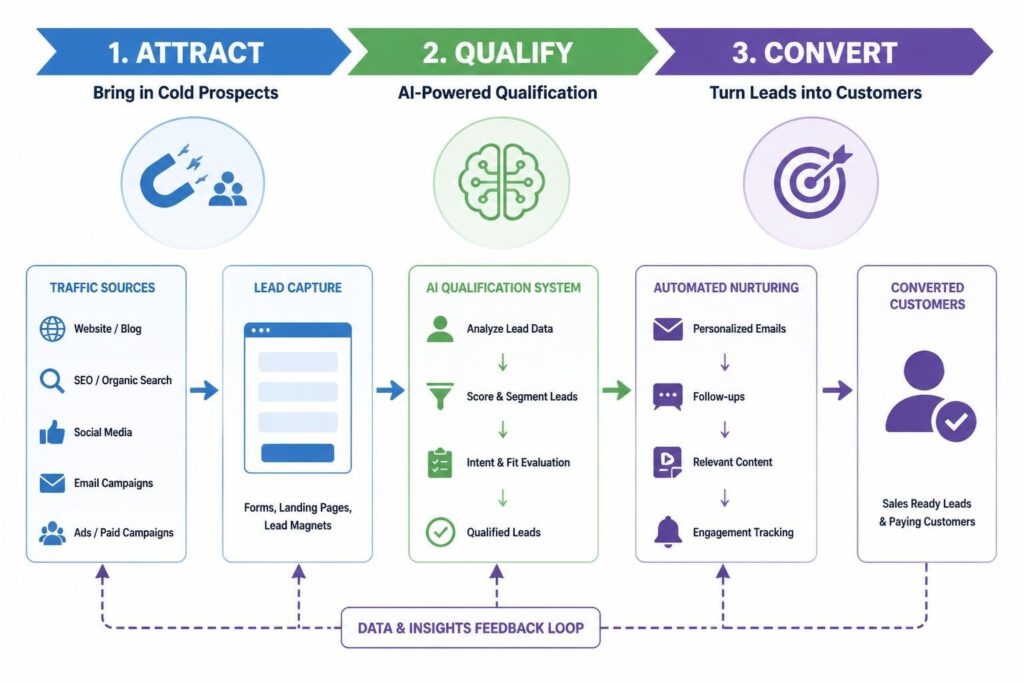
The phrase "get marketing" might sound simple, but it represents one of the most critical challenges businesses face in 2026. You can't just throw money at advertising and hope for the best anymore. Today's successful companies get marketing that works by implementing systems that attract qualified leads, automate engagement, and transform cold prospects into revenue-generating customers. The difference between businesses that thrive and those that struggle often comes down to whether they truly understand how to get marketing systems that deliver measurable, predictable results.
Understanding What It Means to Get Marketing Right
Getting marketing right means building a foundation that connects your business with people who actually need what you offer. Too many companies confuse activity with results, posting content everywhere without a clear strategy or tracking system in place.
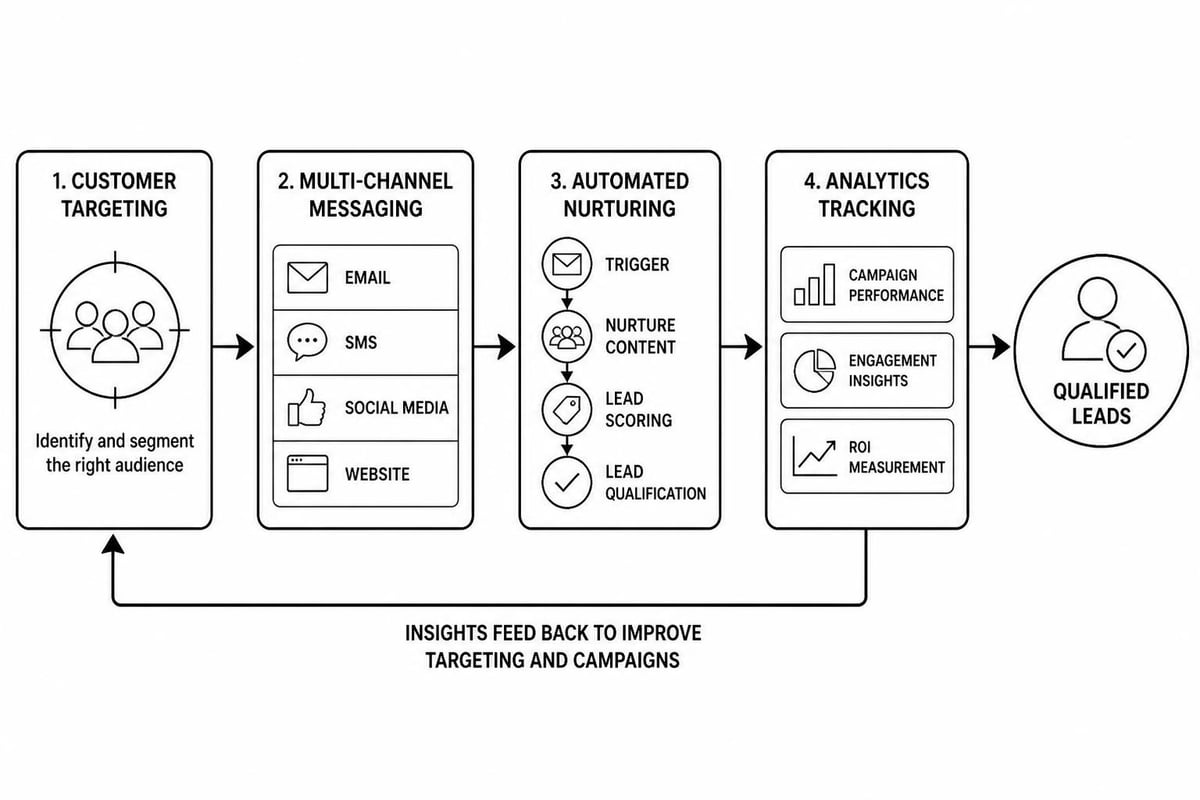
When you properly get marketing systems implemented, you're creating a predictable machine that generates qualified leads on demand. This requires understanding your ideal customer profile, mapping their journey from awareness to purchase, and deploying the right tools at each stage.
The essential components include:
- Clear targeting that identifies your most profitable customer segments
- Messaging that speaks directly to pain points and desired outcomes
- Multiple touchpoints across channels where your audience spends time
- Automated follow-up that nurtures relationships without manual intervention
- Analytics that reveal what's working and what needs adjustment
Modern businesses need to leverage effective lead generation strategies that go beyond basic tactics. The companies winning in 2026 understand that marketing isn't a cost center but a revenue-generating engine when properly structured.
Building Your Lead Generation Infrastructure
To get marketing that produces consistent results, you need infrastructure that supports scalability. Many businesses make the mistake of treating lead generation as a series of disconnected campaigns rather than an integrated system.
Your infrastructure should begin with a clear understanding of how the lead generation process works, from initial awareness through conversion. This means mapping every stage and identifying where prospects typically drop off or need additional support.
Creating Your Customer Acquisition Framework
The framework that lets you get marketing results starts with data. You need to know who converts, why they convert, and what path they take to get there.
- Define your ideal customer profile with specific demographic and psychographic characteristics
- Map the buyer journey including all decision points and information needs
- Identify content gaps where prospects need more information to move forward
- Build your tech stack with CRM, automation tools, and analytics platforms
- Establish metrics that matter, focusing on qualified leads and conversion rates
This structured approach ensures you're not wasting resources on tactics that don't align with your business goals. When you properly get marketing systems in place, every dollar spent should tie back to measurable outcomes.
Leveraging AI for Smarter Lead Generation
Artificial intelligence has fundamentally changed how businesses get marketing results in 2026. AI systems can analyze thousands of data points to identify patterns human marketers might miss, predict which leads are most likely to convert, and automate personalization at scale.
Companies that integrate AI into their lead generation for IT companies and other sectors report significantly higher qualification rates and lower customer acquisition costs. The technology excels at scoring leads based on behavioral signals, timing outreach for maximum impact, and continuously optimizing messaging based on response data.
| AI Application | Business Impact | Implementation Difficulty |
|---|---|---|
| Lead Scoring | 35-50% improvement in conversion rates | Medium |
| Chatbot Qualification | 24/7 lead capture and initial qualification | Low |
| Predictive Analytics | Better targeting and reduced ad waste | High |
| Email Optimization | 20-30% increase in open and click rates | Low |
| Appointment Automation | 60% reduction in scheduling time | Medium |
Crafting Campaigns That Generate Qualified Leads
Getting marketing campaigns to deliver qualified leads rather than just traffic requires precision. You need messaging that filters out tire-kickers while attracting serious buyers who match your ideal customer profile.
The most effective campaigns in 2026 use intent-based targeting that identifies prospects actively searching for solutions. This approach, detailed in comprehensive lead generation guides, ensures you're connecting with people at the right moment in their buying journey.
Multichannel Strategy Development
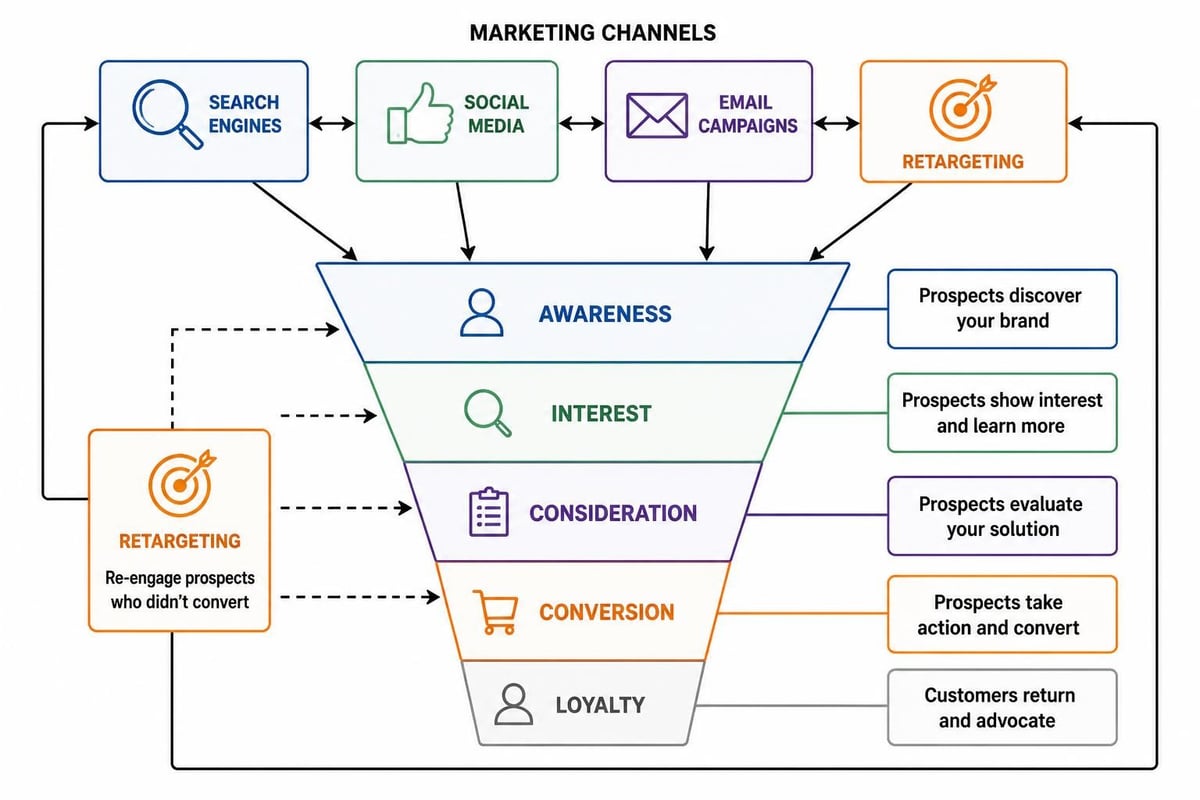
To properly get marketing reach across your target audience, you can't rely on a single channel. Different prospects discover solutions in different ways, and your presence needs to meet them wherever they are.
Your multichannel approach should include:
- Search engine marketing capturing active buyers
- Social media building awareness and engagement
- Email nurturing maintaining relationships over time
- Content marketing establishing authority and trust
- Retargeting campaigns bringing back interested prospects
The key is consistency across channels while adapting your message to fit each platform's unique context. Someone scrolling LinkedIn has different expectations than someone reading a detailed blog post about their business challenges.
Smart businesses also recognize when traditional cold outreach methods are failing and adapt their strategies accordingly. The spray-and-pray approach of previous years simply doesn't work when prospects expect personalization and relevance.
Automation Systems That Scale Your Results
The ability to get marketing results that scale without proportionally increasing your team size depends entirely on automation. Manual follow-up, qualification, and nurturing simply can't keep pace with the volume of leads modern systems can generate.
Automation transforms your marketing from labor-intensive to systematized. When a prospect downloads a guide, your system should automatically segment them, send relevant follow-up content, score their engagement, and alert your sales team when they're ready for conversation.
Building Your Automation Stack
Your automation stack should integrate seamlessly with your overall marketing agency tools ecosystem. This includes your CRM, email platform, advertising channels, and analytics systems.
The most successful businesses deploy automation in layers:
- Initial capture through optimized landing pages and lead magnets
- Immediate response with personalized welcome sequences
- Behavioral triggers based on specific actions or inaction
- Progressive profiling that gradually builds detailed prospect records
- Handoff protocols moving qualified leads to sales at the perfect moment
When you get marketing automation right, prospects feel like you're speaking directly to them even though the system operates on autopilot. The technology handles repetition while your team focuses on high-value activities like closing deals and strategic planning.
Measuring What Matters in Your Marketing Efforts
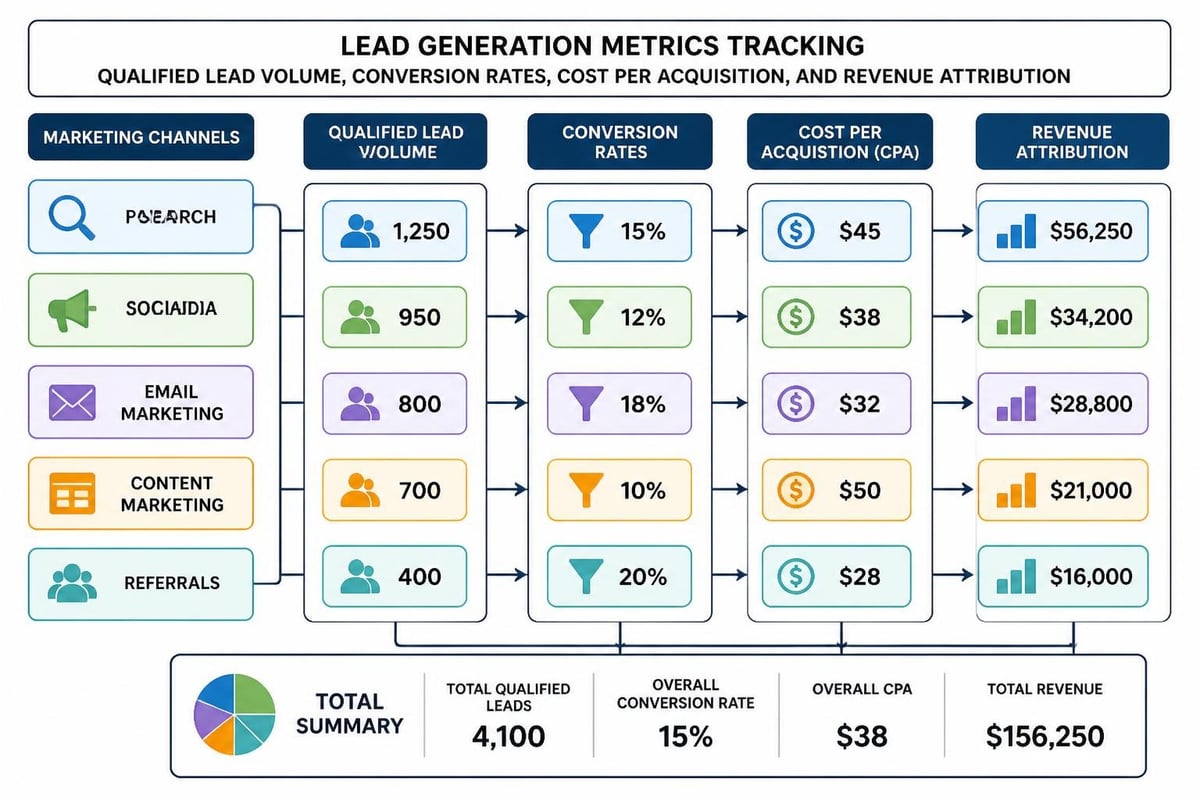
You can't improve what you don't measure, and too many businesses get marketing analytics wrong by tracking vanity metrics instead of revenue indicators. Likes, followers, and even website traffic matter far less than qualified lead volume and conversion rates.
Understanding how to properly structure your demand funnel helps you identify which metrics actually predict business growth. Focus on measurements that connect directly to revenue: cost per qualified lead, lead-to-customer conversion rate, customer lifetime value, and return on ad spend.
Key Performance Indicators for Lead Generation
| Metric | Why It Matters | Target Benchmark |
|---|---|---|
| Cost Per Qualified Lead | Shows efficiency of your acquisition spending | Varies by industry, typically $50-$500 |
| MQL to SQL Conversion | Indicates quality of marketing-sourced leads | 30-50% |
| Average Deal Size | Determines focus on volume vs. quality | Based on business model |
| Sales Cycle Length | Impacts cash flow and resource planning | Industry-specific |
| Customer Acquisition Cost | Must remain below customer lifetime value | 3:1 LTV to CAC ratio minimum |
Regular analysis of these metrics reveals which channels and campaigns deserve more investment and which need adjustment or elimination. When you get marketing measurement right, every decision becomes data-driven rather than based on gut feeling or guesswork.
Aligning Sales and Marketing for Maximum Impact
The traditional divide between sales and marketing teams sabotages results even when you get marketing tactics right individually. In 2026's competitive landscape, alignment between these functions determines who wins and who gets left behind.
When sales and marketing operate from the same playbook, using shared definitions and goals, conversion rates typically increase by 30% or more. This alignment starts with agreeing on what constitutes a qualified lead and establishing clear handoff protocols.
Creating Feedback Loops That Drive Improvement
To continuously get marketing better results, you need systematic feedback from your sales team about lead quality. They're on the front lines, speaking with prospects daily and learning what objections come up, what messaging resonates, and which characteristics predict likelihood to buy.
Smart organizations implement weekly alignment meetings where marketing hears directly from sales about recent conversations. This intelligence informs campaign adjustments, messaging refinement, and targeting improvements that compound over time.
Understanding how B2B lead generation companies structure these relationships provides valuable insights for internal team coordination. The best partnerships feature transparent communication, shared accountability for results, and mutual respect for each function's expertise.
Advanced Strategies for Competitive Markets
In crowded markets where everyone is fighting for attention, you need to get marketing strategies that differentiate your business. Standard tactics produce standard results, which means getting lost in the noise.
Advanced strategies in 2026 focus on hyper-personalization, predictive targeting, and creating experiences that feel custom-built for each prospect. Exploring proven B2B lead generation strategies reveals how intent data and sophisticated segmentation separate leaders from followers.
Advanced tactics include:
- Account-based marketing targeting specific high-value companies
- Predictive lead scoring using machine learning models
- Dynamic content that changes based on visitor behavior and characteristics
- Conversational marketing with AI-powered chatbots that qualify in real-time
- Video personalization addressing prospects by name and company
These approaches require more sophisticated technology and deeper strategic thinking, but they deliver significantly higher conversion rates when executed properly. The investment pays dividends through improved efficiency and higher-quality customer relationships.
Testing and Optimization Frameworks
To consistently get marketing improvements, you need structured testing frameworks that systematically evaluate new approaches. Random experimentation wastes resources, while disciplined testing compounds gains over time.
Effective testing follows a clear methodology: hypothesis formation, controlled implementation, data collection, analysis, and scaling or discontinuation based on results. This applies to everything from ad creative and landing page layouts to email subject lines and call-to-action placement.
The businesses winning in 2026 test continuously but thoughtfully, focusing on elements that have potential for significant impact rather than minor details that barely move the needle. They also recognize that what works today may not work tomorrow, requiring ongoing optimization as markets evolve.
Technology Integration for Seamless Operations
Your ability to get marketing technology working together determines how efficiently your systems operate. Disconnected tools create data silos, manual work, and opportunities for leads to fall through the cracks.
Modern marketing technology should flow data seamlessly between platforms. When someone fills out a form, that information should automatically populate your CRM, trigger email sequences, notify relevant team members, and begin building a behavioral profile without anyone lifting a finger.
Researching the best marketing platforms helps you build a stack that integrates well rather than fighting against itself. Look for platforms with robust APIs, native integrations with your existing tools, and strong user communities that signal long-term viability.
Data Management and Privacy Compliance
As you get marketing systems that collect more customer data, compliance with privacy regulations becomes critical. GDPR, CCPA, and other frameworks require explicit consent, transparent data usage, and the ability for individuals to access or delete their information.
Building compliant systems from the start prevents costly retrofits later. This means implementing proper consent mechanisms, maintaining detailed records of data processing activities, and ensuring every team member understands their responsibilities.
Beyond legal requirements, treating customer data with respect builds trust that strengthens your brand. Prospects who feel confident you'll protect their information engage more readily, providing the insights you need to deliver better experiences.
Scaling Your Lead Generation Operations
Once you get marketing systems producing consistent results at a small scale, the question becomes how to expand without breaking what works. Scaling requires maintaining quality while increasing volume, which many businesses struggle to achieve.
The key is systematizing everything that currently works before attempting to scale. Document your processes, create templates and frameworks, and ensure new team members can execute at the same level as experienced ones.
Understanding how to structure a lead generation agency model provides insights into scalable operations even if you're building internal capabilities. The principles of standardization, quality control, and continuous improvement apply regardless of organizational structure.
Building Teams That Execute Consistently
To get marketing teams that deliver reliable results, you need clear roles, documented processes, and ongoing training. The difference between good and great teams often comes down to how well they execute fundamentals rather than any secret tactics.
Invest in developing your team's capabilities through regular training on new platforms, emerging strategies, and evolving best practices. The marketing landscape changes rapidly, and teams that stop learning quickly fall behind competitors who prioritize professional development.
Create playbooks that capture institutional knowledge so success doesn't depend entirely on specific individuals. When processes exist independently of people, you build resilient operations that survive team changes and support growth.
Successfully implementing systems to get marketing that actually converts requires strategic thinking, the right technology, and continuous optimization. The businesses thriving in 2026 aren't just running campaigns-they're operating sophisticated lead generation machines that predictably transform cold prospects into qualified opportunities. If you're ready to move beyond traditional marketing approaches and implement AI-powered systems that guarantee growth, Aletto specializes in building customized lead generation solutions that align our success with yours. We don't just generate leads; we transform them into ready-to-buy customers through transparent, value-driven strategies that deliver measurable results.